

Car Accident Legal Advice: What To Do After a Crash in California
Key Takeaways
- California car accident legal advice matters quickly because reporting rules, insurance steps, medical records, and legal deadlines can affect a car accident claim.
- Even a minor accident can lead to delayed symptoms, serious injuries, medical bills, and a potential personal injury claim once medical records and a police report are reviewed.
- Early legal advice before speaking in detail with the other driver’s insurance company may affect the settlement process and any later car accident lawsuit.
- 1-800-THE-LAW2 is a California attorney referral service that connects callers 24/7 to independent car accident lawyers for free consultations.
- Legal services are provided by independent attorneys. Many cases use a contingency fee basis, but clients may be responsible for case costs, legal fees, or expenses depending on the fee agreement.
A crash can turn an ordinary day into a maze of phone calls, medical visits, repair estimates, and insurance questions. This guide explains what to do after a California collision, how to gather evidence, when to seek legal help, and how 1-800-THE-LAW2 can help connect you with a local car accident lawyer for a free consultation.
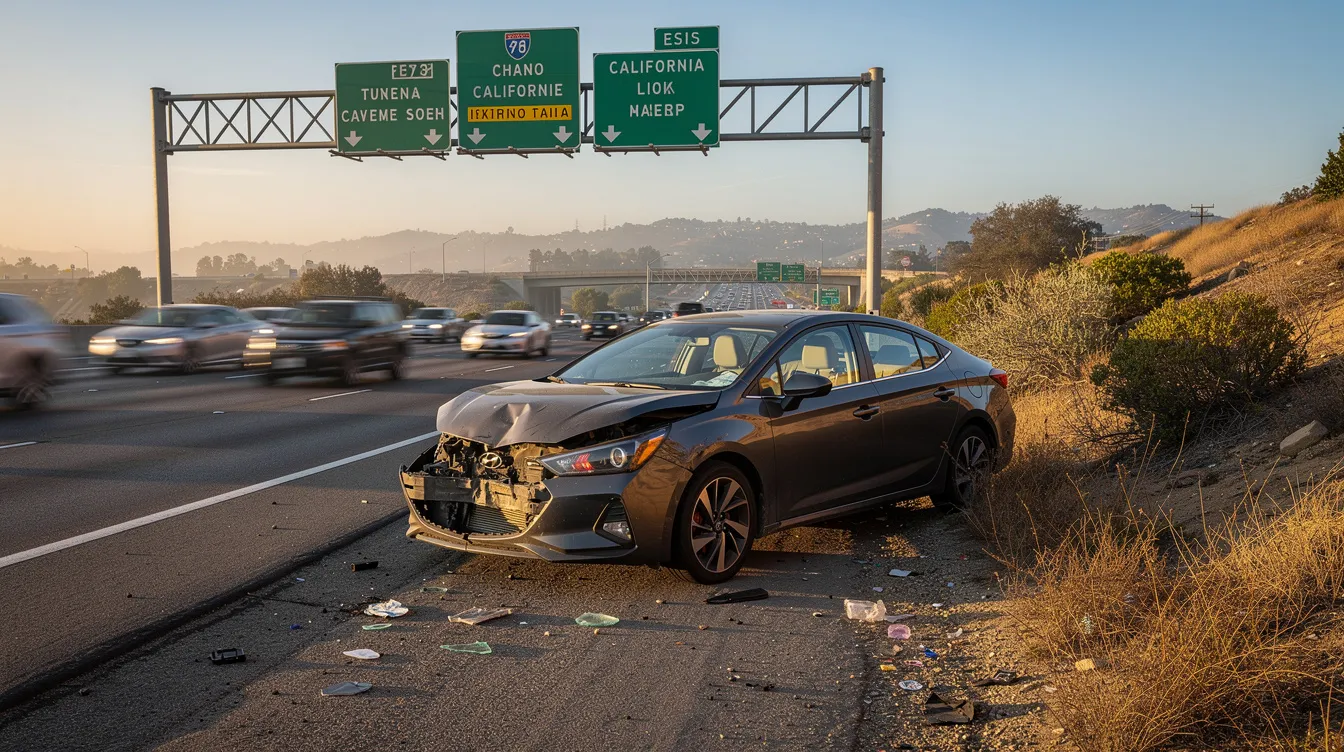
Car Accident Legal Advice in California: Why It Matters Right Away
A Friday evening crash on I-5 in Los Angeles in March 2026 can leave you shaken, late for work, worried about your family, and unsure whether the pain in your neck is temporary or a sign of something more serious. In that moment, car accident legal advice means understanding your rights, your deadlines, and your options before you make detailed statements to an insurance company.
California generally uses fault-based rules for car accidents. That means evidence, negligent driving, traffic laws, local laws, insurance coverage, and the circumstances surrounding the crash can affect who may be financially responsible. In most cases, a car accident claim requires three elements: someone else was at fault, you suffered damages, and there is evidence to support your claim, such as a police report or witness statements.
Common post-crash worries include ER bills, missed work, car rental costs, vehicle damage, personal property damage, and long-term medical treatment documented in medical records. To assess your damages after a car accident, consider both one-time expenses and ongoing financial losses, including medical bills, lost wages, and property damage.
Seeking legal advice after a car accident is crucial as it helps individuals understand their rights and options, especially in navigating complex insurance systems and legal processes. Hiring an experienced car accident attorney can help maximize compensation and protect your interests, particularly when victims face overwhelming medical bills and tough insurance negotiations.
1-800-THE-LAW2 helps connect injured people anywhere in California with a local car accident lawyer for a free consultation to discuss their situation. 1-800-THE-LAW2 is not a law firm and does not provide legal representation; legal services are provided by independent attorneys.
First 24 Hours After a California Car Accident: Practical Steps
Use this section like a first-day checklist after an auto accident on a California street, highway, or freeway.
- Prioritize safety. Move vehicles only if safe, turn on hazard lights, and call 911 if anyone reports pain, visible injuries, severe injuries, or serious injuries.
- Exchange information. Get the other driver’s name, phone number, contact details, insurance information, driver’s license number, license plate number, and vehicle details. You should exchange information with all parties involved in the accident, including contact details, insurance information, and driver’s license numbers, even if the other driver seems friendly.
- Document the accident scene. After a car accident, it is crucial to document everything at the scene, including vehicle damage, road conditions, and any visible injuries, using your smartphone to take photos.
- Take photos and videos. Capture vehicle damage, skid marks, traffic signals, road conditions, debris, weather, visible injuries, and the surrounding area from multiple angles.
- Avoid admitting fault. Insurance companies can use offhand remarks made at the scene to deny your claim, so do not apologize or discuss fault with the other driver.
- Stick to basic facts. When speaking with police or the other driver, avoid guesses about speed, distances, or who caused the crash.
It is important to seek medical attention immediately after an accident, as some injuries may not be apparent right away, and failing to do so can jeopardize your ability to claim insurance benefits. If you feel overwhelmed, you can contact 1-800-THE-LAW2 soon after the accident to be connected to an independent attorney who can explain possible next steps.
California Rules: Reporting, Police Reports, and Deadlines
California has specific reporting rules and time limits that can affect any future car accident lawsuit. After many motor vehicle accidents, drivers call local police or the California Highway Patrol. The resulting police report often becomes a key piece of evidence in a car accident claim because it may include driver statements, witness information, road conditions, and the officer’s observations, and it is one of several critical steps to take when injured in a car accident.
California also requires DMV reporting after certain crashes involving injury, death, or property damage above a set amount. According to the California DMV SR-1 form, a report is generally required within 10 days when someone is injured or killed, or when property damage exceeds $1,000. In many states, you are required to report any accident that results in injury or significant property damage to the police, and failing to do so can lead to legal consequences.
Request a copy of the police report and review it for errors. Pay close attention to statements attributed to you, the other driver, or any witness. A car accident attorney can explain whether an error may be corrected and how the report may affect the claims process.
You typically have a limited time frame to file a claim after a car accident, often dictated by the statute of limitations, which can range from one to four years depending on the state. Understand the statute of limitations for filing a formal lawsuit, which varies by jurisdiction. The statute of limitations for car accident claims can vary by state, typically ranging from one to four years depending on local laws.
In California, many personal injury lawsuits related to car accidents have a two-year filing deadline, while property-only claims may involve different timing. A car accident lawyer can explain how the deadline applies to a specific legal matter. If you fail to file a claim before the statute of limitations expires, the court can bar your claim, preventing you from recovering any compensation for your losses; learning more about the California statute of limitations for personal injury claims can help you understand why timing is so important.
For comparison, Florida operates under a “no-fault” insurance system, meaning your own insurance company pays for your initial medical expenses and lost wages through Personal Injury Protection (PIP) coverage, regardless of who caused the accident. In Florida, the statute of limitations for filing a car accident lawsuit is two years from the date of the accident. California rules differ, which is why state-specific legal advice matters. For comprehensive, state-specific legal requirements and guidance, refer to resources provided by legal advocates such as Cavell Law or Skiber Law, and consult a local attorney in your state.
Contacting 1-800-THE-LAW2 promptly can help you connect with an independent attorney who can discuss legal deadlines, reporting issues, and options before time becomes a concern.
Medical Care and Medical Records: How They Affect Your Claim
Seeing a doctor quickly, even after a minor accident, protects your health and creates important documentation. A medical evaluation creates a crucial paper trail linking your injuries to the accident, which is vital for any personal injury claim.
Some injuries from an auto accident do not fully appear right away. Whiplash, concussions, herniated discs, traumatic brain injuries, internal injuries, and soft-tissue injuries may become more noticeable hours or days later. Delayed symptoms can complicate future claims if there is no early medical record tying the injury to the crash date.
Save all medical records and bills from:
- Emergency rooms
- Urgent care clinics
- Primary care doctors
- Physical therapy offices
- Orthopedic doctors
- Neurologists
- Chiropractors
- Imaging centers
- Other healthcare providers
Medical records can help link injuries to the motor vehicle accident date and can be central to any demand letter, insurance claim, settlement discussion, or car accident settlement. They may also help show medical expenses, future medical costs, pain and suffering, emotional distress, and the impact on work and daily life.
Track non-economic damages by seeking guidance on how to legally document pain and suffering, emotional distress, and changes to your daily quality of life. When calculating damages, it is important to research how insurance companies typically value noneconomic damages such as pain and suffering and emotional distress.
Follow prescribed treatment plans and keep a simple symptom diary. Note pain levels, sleep problems, missed activities, work restrictions, and how the accident changed your normal routine. These steps fit into a broader car accident timeline from crash through potential settlement. An independent car accident lawyer connected through 1-800-THE-LAW2 can review medical documentation and explain how it may relate to a potential claim.
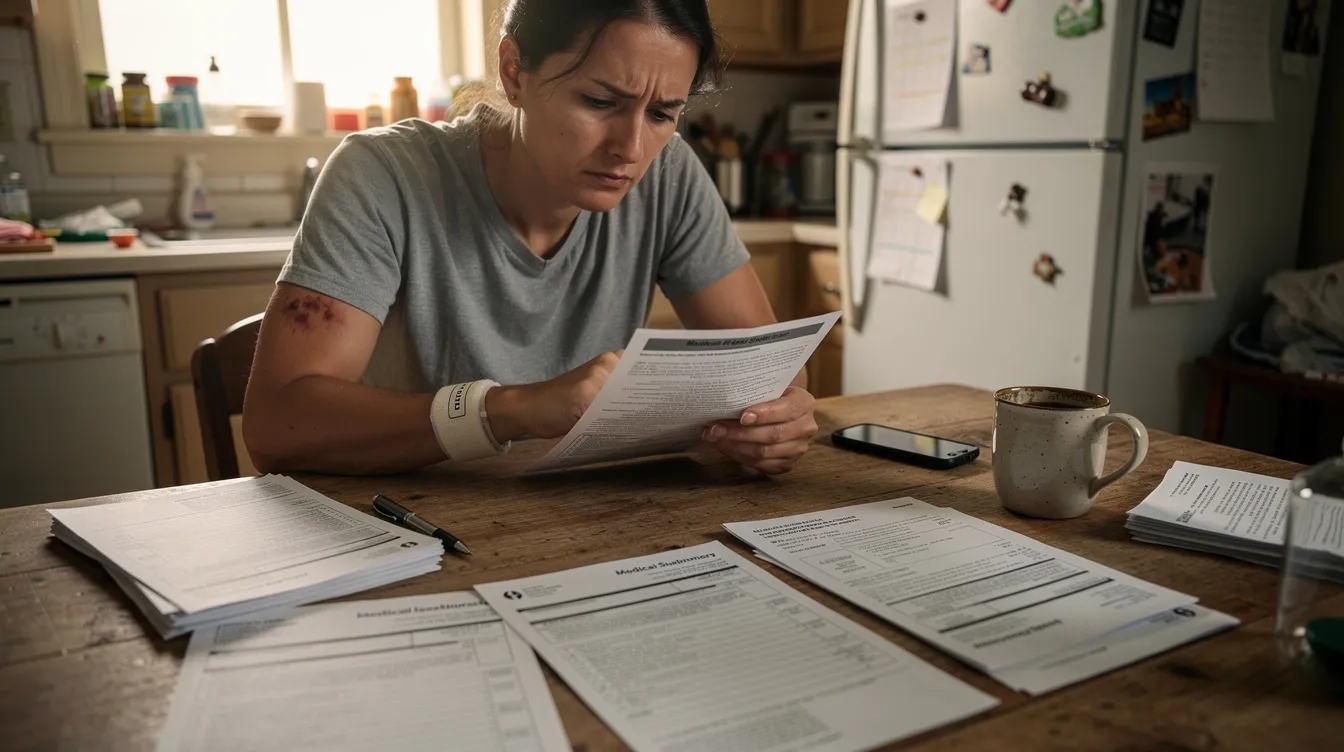
Building a Strong Car Accident Claim: Evidence, Fault, and Insurance
A stronger car accident claim usually has clear evidence, consistent medical documentation, and a careful approach to insurance communications. Gathering evidence is crucial for building a strong claim, as it helps prove the other driver was at fault and demonstrates the accident’s impact on your life.
Helpful evidence may include:
| Evidence | Why it matters |
|---|---|
| Photos and videos | Show the accident scene, vehicle damage, road conditions, and visible injuries |
| Police report | Documents basic facts and statements after the crash |
| Medical records | Connect injuries to the collision and treatment timeline |
| Repair estimates | Show property damage, replacement costs, and vehicle damage |
| Pay stubs | Support lost wages or reduced income claims |
| Witness statements | Help prove fault when drivers disagree |
| Insurance documents | Show insurance coverage and claim numbers |
| California follows comparative fault principles, which means fault in a car accident can be shared. If the injured person is partly responsible, that percentage may affect how much money is offered in any settlement process or awarded after litigation. |
Interactions with insurance adjusters can be important. The at fault driver’s insurance, the other driver’s insurance company, or the driver’s insurance company may ask for recorded statements, medical authorizations, or a summary of what happened. Your own insurance company may also request information under your policy.
Avoid providing a recorded statement to the other driver’s insurance company without consulting a lawyer first. Consult with a local personal injury attorney before signing any waivers or giving recorded statements to the other driver’s insurance company. A qualified personal injury attorney can guide you through the complex claims process to ensure you do not inadvertently waive your rights or accept an unfair settlement.
Personal injury attorneys play a crucial role in helping victims of car accidents secure fair compensation for their injuries and losses by gathering evidence, negotiating with insurance companies, and representing clients in court if necessary. A California personal injury lawyer can advise when to hire counsel and what they do in an injury case. A personal injury attorney’s responsibilities include investigating the accident, collecting witness statements, and collaborating with experts to build a strong case for their clients.
Some public resources estimate that 6 million car accidents occur per year, leading many victims to explore settling claims without legal representation. Results vary, and every claim depends on its own facts. Many accident victims believe they have only two choices: navigate the claim alone or hire a lawyer and lose a portion of their settlement, but there are now alternatives available, including 24/7 free legal advice and accident hotlines that connect callers with attorneys on a contingency basis.
1-800-THE-LAW2 helps connect callers to independent auto accident attorneys who can discuss evidence, insurer communications, and the legal process.
From Claim to Car Accident Lawsuit: Understanding the Settlement Process
Many California auto accident cases begin as insurance claims, and only some move toward a car accident lawsuit. The path varies, but the settlement process often includes these steps:
- Reporting the crash to the insurance company
- Getting medical treatment
- Collecting medical records, bills, repair estimates, and wage documents
- Investigating fault and insurance coverage
- Preparing a demand letter
- Entering settlement negotiations
- Considering whether filing a lawsuit makes sense if no agreement is reached
A demand letter is a formal request to the at-fault driver’s insurer that outlines the facts of the case and the expenses incurred, initiating settlement negotiations. A demand letter usually includes a description of the collision, a summary of injuries, medical records and bills, lost wages, vehicle repair or replacement costs, and a requested settlement amount.
Insurers may respond with counteroffers, requests for more records, or disputes about fault, damages, medical expenses, or future claims. This can make the settlement process feel drawn out.
To settle a car accident claim without a lawyer, victims should assess their damages thoroughly, including one-time expenses and future financial losses. However, speaking with a car accident lawyer during a free consultation can help you understand the risks before you sign releases, waivers, or agreements that may affect further claims.
If the parties do not reach agreement, an attorney may discuss filing a lawsuit within the California statute of limitations. A lawsuit may involve court filings, written discovery, depositions, mediation, and possibly trial. Independent attorneys in the 1-800-THE-LAW2 network can explain the pros and cons of settling versus going forward with a lawsuit based on the client’s goals.
Be cautious of advertising phrases such as maximum compensation. No specific result is guaranteed, and outcomes depend on evidence, insurance coverage, liability, damages, and many other factors.
When a “Minor Accident” Still Calls for Legal Advice
What looks like a minor accident at first can still lead to significant issues weeks later. For example, a low-speed rear-end collision in a Los Angeles parking lot may seem manageable at the scene, but neck pain, headaches, and physical therapy needs may appear later and become documented in medical records.
Vehicle damage can hide structural issues. Symptoms can develop over time. A minor accident may still affect work, childcare, driving, sleep, or exercise. Early photos, urgent care records, and notes about pain can make it easier to connect later treatment to the initial accident date.
A quick free consultation with a car accident lawyer can clarify whether a car accident claim makes sense. This is especially useful when:
- The other driver disputes fault
- Medical symptoms are getting worse
- You missed work
- Your car has hidden damage
- Insurance adjusters are asking for detailed statements
- You are unsure whether to seek compensation or pursue compensation
Most personal injury attorneys offer a free, no-obligation initial consultation. Attorneys practicing personal injury law often work on a contingency fee basis, meaning they only get paid if they win the case, which makes legal representation accessible to those who may not afford upfront fees. If you are unsure about the details, reviewing how contingency fees work in personal injury cases can clarify typical percentages and cost responsibilities. Clients may still be responsible for certain case costs, so the written fee agreement matters.
Engaging a personal injury attorney can significantly impact the outcome of a car accident claim, as they are experienced in dealing with insurance companies and can help maximize compensation. That said, no attorney can guarantee a result, and “maximize compensation” should not be read as a promise of any particular recovery.
Contact 1-800-THE-LAW2 to be connected with an independent attorney who can review the situation and provide personalized legal advice.
How 1-800-THE-LAW2 Helps Connect You With a Car Accident Lawyer
1-800-THE-LAW2 is a California attorney referral service, not a law firm, and does not provide legal representation. Legal services are provided by independent attorneys.
Here is how the service works:
- Call the toll-free number or submit an online form.
- Share basic accident details, such as where the car accident happened, whether there are injuries, and whether insurance information is available.
- Get connected to an independent car accident lawyer in your area.
- Use the free consultation to ask questions about the claim, deadlines, evidence, medical documentation, and possible next steps.
Consultations arranged through 1-800-THE-LAW2 are free and available 24/7 for people injured in California car accidents, motorcycle accidents, trucking crashes, and other motor vehicle accidents.
Many personal injury attorneys in the network work on a contingency fee basis. This generally means attorney fees are typically collected only if there is a recovery, but clients may still be responsible for certain case costs, such as filing fees, records fees, investigation costs, or expert reports. You can also learn about 1-800-THE-LAW2’s attorney network services and mission, including its focus on accessibility and transparency. Ask the independent attorney to explain the exact fee terms, cost responsibilities, and whether any upfront costs apply before signing an agreement.
You can also ask about experience with auto accident and motor vehicle accident cases similar to yours, including cases involving an at fault driver, vehicle manufacturer issues, federal traffic laws, insurance regulations, or disputed fault.
Attorney Darren Kavinoky of Los Angeles, California is responsible for this advertisement.
Frequently Asked Questions About Car Accident Legal Advice in California
Many people speak with a car accident lawyer within a few days of the crash, often after the first medical visit but before giving detailed statements to insurers. Early advice can help preserve evidence, avoid missed deadlines, and reduce the chance of accidental statements affecting the claim.
1-800-THE-LAW2 can connect callers to an independent attorney for a free consultation shortly after the accident, including nights and weekends.
Helpful items include the date and location of the car accident, photos of the scene, contact details for the other driver, insurance information, license plate number, driver’s license number, any police report or incident number, and medical records or discharge papers.
It also helps to have health insurance and auto insurance information nearby, including policy numbers and claim numbers. You can still call even if you have not gathered everything yet; the independent attorney can explain what else to collect.
Many car accident claims are resolved through negotiations with insurance companies and do not reach a courtroom. Whether a lawsuit is filed can depend on disputed fault, injury severity, insurance coverage, and how far apart the sides are in settlement discussions.
An independent car accident lawyer can discuss likely paths and help you decide whether to continue negotiating or move toward a lawsuit within California deadlines, especially if your accident happened in a major metro area such as Los Angeles where local personal injury laws and processes may affect your claim.
Common categories may include medical bills, future medical care, lost income, reduced earning capacity, vehicle repair costs, replacement costs, and property damage. Some claims may also include non-economic elements such as pain, discomfort, emotional distress, and interference with daily activities, depending on the circumstances.
No specific outcome is guaranteed. An independent attorney can explain which categories may apply to an individual situation.
In many California personal injury cases, attorneys charge a percentage of any settlement or verdict as their fee instead of hourly billing. Even in contingency arrangements, clients may be responsible for certain case-related costs such as filing fees, medical record fees, investigation expenses, or expert reports.
Ask the independent attorney connected through 1-800-THE-LAW2 to explain the exact contingency percentage, legal fees, and cost responsibilities before signing. Calling for a free consultation can be a practical first step after a crash when you need legal help and want to understand your options.
This content was created with the assistance of AI and is provided for general informational purposes only. It does not constitute legal advice. For guidance specific to your situation, please consult with a licensed attorney.