

How to Prove Dog Bite Liability with Landlord Negligence in California
ADVERTISING MATERIAL: This article is provided for informational purposes only and does not constitute legal advice. Reading this content does not create an attorney-client relationship. For advice about your specific situation, please consult with a licensed California attorney.
If someone has been bitten by a tenant’s dog at a California rental property, they may wonder who is responsible for medical bills, lost wages, and other damages. The answer isn’t always straightforward. While the dog owner is typically responsible under California’s strict liability statute, there are situations where a landlord can also be held liable for your injuries.
Understanding how to prove dog bite liability with landlord negligence in California can be important for victims seeking compensation for medical expenses and lost wages. Each case depends on its specific facts and circumstances. Let’s break down what you need to know.
Quick Answer: When Can a Landlord Be Liable for a Dog Bite in California?
In California, the dog’s owner is strictly liable for dog bites under Civil Code § 3342. This means the owner pays for injuries caused regardless of whether they knew the dog was dangerous. However, landlords can also be held liable—but only under negligence and premises liability principles, which require proving specific facts.
A landlord is usually liable only when:
- They had actual or constructive knowledge that the tenant’s dog was dangerous before the attack
- They had the power to remove or control the dog (through lease enforcement, eviction, or property maintenance)
Here’s a concrete example: You’re bitten in January 2025 in the courtyard of a Los Angeles apartment complex. For months, multiple tenants had complained to property management about an aggressive pit bull that lunged at residents in the elevator and common areas. Management ignored the complaints and never enforced the lease’s pet restrictions. In this situation, the landlord knew about the dangerous dog and had the ability to act—but didn’t.
Proving landlord negligence may provide an additional avenue for recovery in some cases. While tenants may have limited renter’s insurance or personal assets, landlords often carry property liability insurance. The availability and extent of insurance coverage varies by case. Damages in dog bite cases can include emergency room bills, reconstructive surgery costs, lost wages, and other expenses, which vary significantly depending on the severity of the injury.
If you’ve been injured by a dog on a rental property in California, call 1-800-THE-LAW2 or fill out our online form to be connected with a California dog bite attorney in our network who can evaluate whether you have claims against both the dog owner and the landlord. This content is provided for informational purposes only and does not constitute legal advice. No attorney-client relationship is formed by reading this article or contacting the joint advertising service.
California Dog Bite Law Basics: Owner vs. Landlord Liability
California treats dog owners and landlords very differently when it comes to liability for dog bites. Understanding this distinction is essential for dog bite victims pursuing maximum compensation.
Strict Liability for Dog Owners
Under California Civil Code § 3342, the dog owner is held strictly liable for any bite that occurs:
- In a public place, OR
- When the victim is lawfully on private property (as a tenant, guest, delivery person, dog walker, pet sitter, mail carrier, or maintenance worker)
This strict liability rule means the injured person does not need to prove the owner was careless or that the dog showed prior aggression. Even if the dog never bit anyone before and showed no prior vicious propensities, the owner is still liable for that first bite.
California does not follow the old common law strict liability “one bite” rule that some states use. Here, there’s no free pass for a dog’s first attack.
Landlord Liability Is Different
Landlords, property managers, and HOA boards are not covered by Civil Code § 3342. They cannot be held strictly liable simply because a dog bite occurs on their property.
Instead, landlord liability operates under traditional negligence principles. This means you must prove:
- The landlord knew or should have known about the dog’s dangerous propensities
- The landlord had the ability to remove or control the animal
- The landlord failed to exercise reasonable care
- That failure caused your injuries
The key takeaway for renters: both the tenant (as dog owner) and the landlord may share fault in the same case—but each must be proven under different legal standards. The tenant faces strict liability; the negligent landlord faces a negligence claim.
Legal Standard: How California Courts View Landlord Negligence in Dog Bite Cases
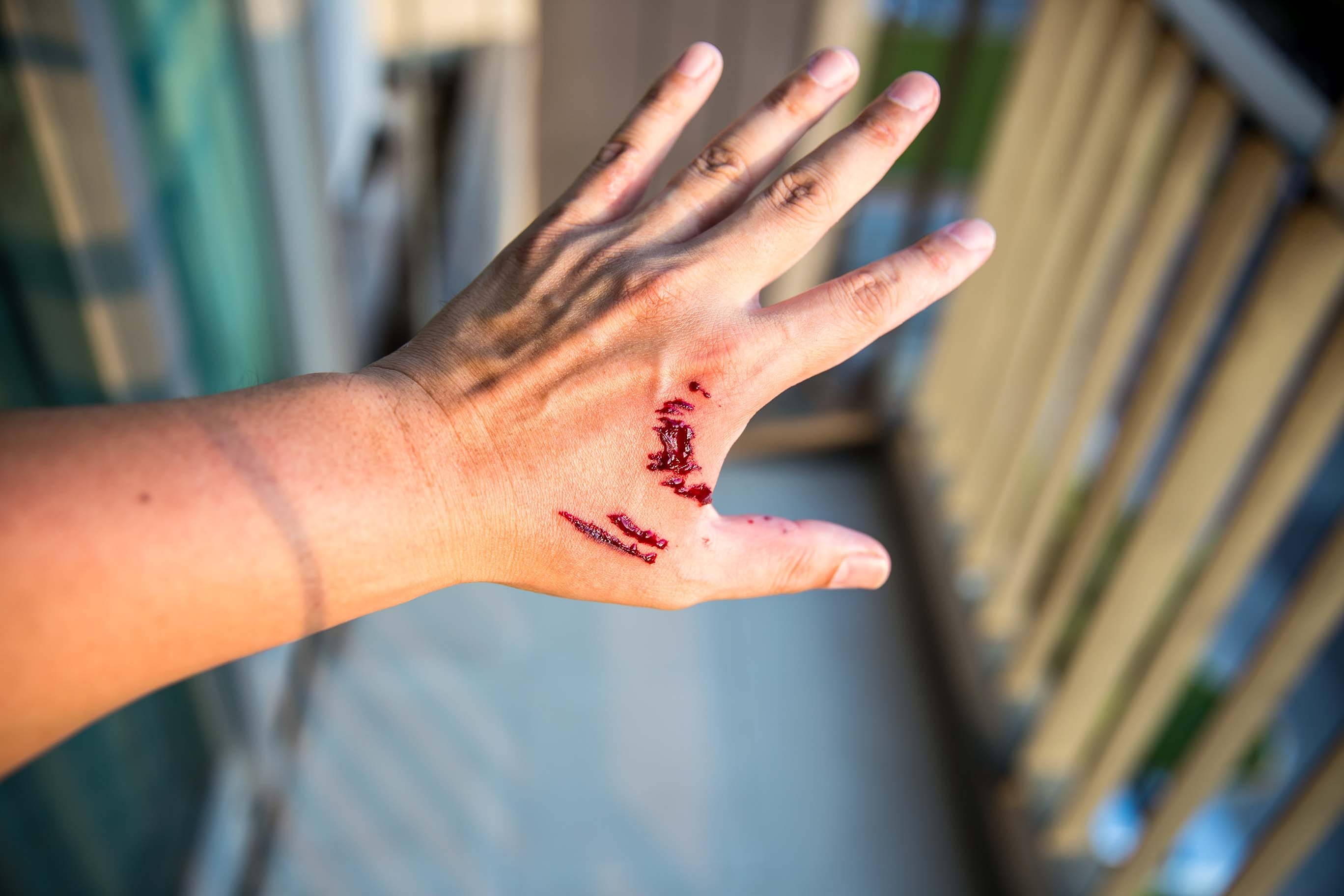
Landlord liability in dog bite cases hinges on proving negligence. This requires establishing four elements: duty, breach, causation, and damages.
Duty of Care
Landlords must exercise ordinary care to keep common areas safe. In some situations, this duty extends to addressing known dangerous animals on the property—especially when the landlord has the power to require removal.
The Two-Part Test from Uccello v. Laudenslayer
The foundational case for landlord dog bite liability in California is the 1975 appellate decision in Uccello v. Laudenslayer. This case established a two-part test:
| Element | What It Means |
|---|---|
| Knowledge | The landlord must have had actual knowledge of the dog’s vicious propensities before the attack |
| Control | The landlord must have had the ability to control or remove the dog from the premises |
Both elements must be satisfied. If the landlord knew about a vicious dog but had no legal authority to remove it, liability may not attach. Similarly, if the landlord had control but genuinely had no knowledge of the dog’s dangerous propensities, they likely aren’t liable.
Residential vs. Commercial Landlords
There’s an important distinction between residential landlords and commercial landlords:
- Residential landlords: Courts generally require actual knowledge of the dog’s behavior before the bite. Since landlords don’t routinely enter tenant units, they may not discover problems unless tenants report them.
- Commercial landlords: They have broader duties, including conducting reasonable inspections of their properties. This means constructive knowledge—what they “should have known” through ordinary diligence—can sometimes be enough to establish liability.
Cases like Donchin v. Guerrero and Portillo v. Aiassa have refined these rules, but the core principle remains: landlords aren’t automatically responsible just because an attack happened on their property. A successful claim must link the landlord’s failure to act directly to the dog being able to attack.
Elements You Must Prove Against a Negligent Landlord
To hold a landlord liable for a tenant’s dog bite, you (through your attorney) must prove each negligence element with concrete evidence—not just suspicion or frustration.
1. Duty of Care
Landlords owe duties to:
- Tenants and their household members
- Guests and visitors
- Delivery drivers (Amazon, UPS, mail carriers)
- Contractors and maintenance workers
- Anyone else lawfully on private property
This duty requires landlords to maintain reasonably safe common areas and address known dangerous conditions—including a dangerous animal that poses foreseeable harm to others.
2. Breach of Duty
A breach occurs when the landlord fails to act reasonably. Common examples include:
- Ignoring written complaints about aggressive behavior from multiple tenants
- Failing to enforce lease clauses that prohibit certain breeds or require dogs to be leashed
- Not repairing a broken fence or gate that allows a known aggressive dog to escape
- Continuing to rent to a tenant after documented dog attacks
3. Causation
You must show that the landlord’s breach made the attack possible. For example:
- A San Diego landlord refuses to repair a damaged perimeter gate for months despite tenant emails. A known dangerous dog escapes through the gap and bites a child in the courtyard.
- A Fresno property manager ignores multiple complaints about an aggressive dog in the stairwell and never enforces the no-pets clause. A tenant is later attacked in the hallway.
The landlord’s inaction must be directly connected to your injuries.
4. Damages
Finally, you must prove the losses you suffered. In dog bite cases, damages commonly include:
- Emergency room bills and hospital stays
- Rabies shots and infection treatment
- Reconstructive surgery and scar revision
- Physical therapy and rehabilitation
- PTSD counseling and mental health treatment
- Lost wages from missed work
- Future medical care and ongoing treatment
An experienced California dog bite attorney in the 1-800-THE-LAW2 network may use medical records, witness testimony, prior incident reports, and expert opinions to tie each element together and attempt to build a strong case. Results vary depending on the specific facts of each case.
Proving Landlord Knowledge of a Dangerous Dog
“Knowledge” is usually the hardest and most important piece when building a landlord negligence case. Without evidence that the landlord knew about the dog’s dangerous propensities before your attack, your claim against them will likely fail.
Actual Knowledge
Actual knowledge means the landlord was directly aware of the risk. Evidence of actual knowledge includes:
- A prior bite on the property reported to management
- Written emails or texts from tenants describing the dog lunging, growling, or charging at people
- On-site managers personally witnessing the dog showing aggressive behavior near mailboxes, in hallways, or in common areas
- Complaints filed with the property management portal
- Prior animal control citations that were copied to the property owner
Constructive Knowledge
Constructive knowledge means the landlord should have known about the danger through reasonable diligence. This standard applies more readily to commercial landlords who must conduct periodic inspections.
Evidence of constructive knowledge includes:
- Frequent barking and lunging visible during routine property inspections
- Security guard reports describing the animal as dangerous
- Obvious signs of aggression that any reasonable inspection would uncover
- Complaints in HOA board minutes or management meeting notes
In cases like Portillo v. Aiassa, courts examined repeated observations of a guard dog’s aggression to conclude the landlord knew or should have known the risk.
What Evidence Should You Gather?
If you’re pursuing a landlord negligence claim, work with your attorney to obtain:
- Tenant complaint logs maintained by property management
- Text messages and emails to management about the dog
- HOA or condo board meeting minutes mentioning the animal
- Animal control reports and case numbers
- Police incident reports from prior altercations
- Maintenance work orders mentioning the dog or damaged fencing
- Reports from the local animal control agency
One critical point: landlords are usually not liable if there is no evidence they knew the dog was dangerous before the bite. Simply knowing a dog lived on the property is not enough.
Control and Ability to Prevent the Dog from Remaining on the Property
Knowledge alone is not enough. You must also prove the landlord had the power to act but chose not to. If the landlord genuinely couldn’t remove the dog, liability may not attach even if they knew it was dangerous.
What “Control” Means in California
Control typically includes the landlord’s ability to:
- Refuse to rent to tenants with prohibited breeds
- Enforce lease clauses limiting pets or requiring dogs to be leashed in common areas
- Order removal of a specific dog after documented aggression
- Begin eviction proceedings for maintaining a nuisance under Civil Code § 3479 and Code of Civil Procedure § 1161
- Decline to renew a lease after repeated violations
Control Over Physical Conditions
Landlords also have control over the landlord’s property itself. This means they have a duty to:
- Repair perimeter fences and gates that should contain known dangerous animals
- Maintain courtyard gates and building entry doors
- Fix any structural issues that allow a dog to escape common areas
If a landlord fails to fix a broken fence that allows a known aggressive dog to escape and attack someone, that failure can establish both breach and causation.
A Concrete Example
Consider a Sacramento landlord who continues renewing a lease in 2024 after multiple documented incidents of the same German Shepherd charging at neighbors in the shared parking lot. Despite tenant complaints and even a prior bite, the landlord never demands the dog’s removal or enforces the lease pet restrictions.
When that dog later attacks a delivery person in the parking lot, the landlord’s failure to exercise reasonable care—despite having the power to act—can support a negligence claim.
Limits on Landlord Control
Landlords generally do not “control” what happens entirely inside a closed apartment unit they don’t enter. However, once there are documented attacks, lease violations, or complaints showing a basis for requiring removal of the animal, the landlord’s obligation to act increases.
Commercial landlords have heightened control obligations over common walkways, entrances, and areas where customers, vendors, and delivery workers routinely pass close to tenant businesses that use guard dogs. In cases of injury, consulting with a qualified attorney may help victims understand their legal rights and options.
Common Fact Patterns: How Landlord Negligence Shows Up in Real California Cases
Most successful landlord dog bite cases follow recurring patterns. Understanding these can help you recognize whether your situation might support a negligence claim.
Pattern 1: Ignored Complaints in a Residential Complex
A 2023 Los Angeles apartment building receives multiple complaints from tenants about a pit bull that lunges at residents in the elevator and courtyard. One tenant emails management three times. Another files a complaint through the online portal. Management does nothing—no warning to the dog’s owner, no lease enforcement, no eviction proceedings.
Six months later, an Amazon delivery driver is bitten in the lobby while dropping off packages. The driver may have claims against both the dog owner (under strict liability) and the landlord (for negligently ignoring known danger).
Pattern 2: Broken Fences and Gates
A Bakersfield rental home has a damaged side gate. The tenant emails the landlord repeatedly over four months asking for repairs. The tenant also mentions in these emails that they’re concerned because the neighbor’s children play nearby.
The landlord fails to repair the gate. A known aggressive dog escapes through the gap and bites a neighbor’s child on the sidewalk. The landlord’s failure to maintain the property directly enabled the attack.
Pattern 3: Commercial Property Guard Dog
A landlord leases space to a liquor store in Oakland. The store uses a guard dog for security. Over several months, the landlord receives warnings from delivery vendors about the dog’s aggressiveness—the dog jumps at vendors, snarls, and blocks the entrance.
The landlord does not require the store to remove the dog, install barriers, or take other safeguards. In 2025, a vendor is attacked while making a delivery. Like the Portillo case, this pattern shows a commercial landlord failing to address a known danger in common areas.
Pattern 4: Violation of Lease Pet Rules
An apartment complex in San Jose has a “no dogs over 25 lbs” clause in its standard lease. Despite this, a landlord allows a tenant to keep a large domestic animal. The property manager repeatedly sees the dog menacing other residents in the laundry room but takes no action, potentially exposing the landlord or management to personal injury liability.
Eventually, a serious bite occurs in the shared hallway. The landlord’s failure to enforce their own rules—after personally observing aggressive behavior—can support negligence.
If any of these patterns sound familiar to your situation, contact 1-800-THE-LAW2 so an attorney can compare your story with known California landlord liability cases.
Evidence Checklist: What to Document After a Dog Bite on a Rental Property
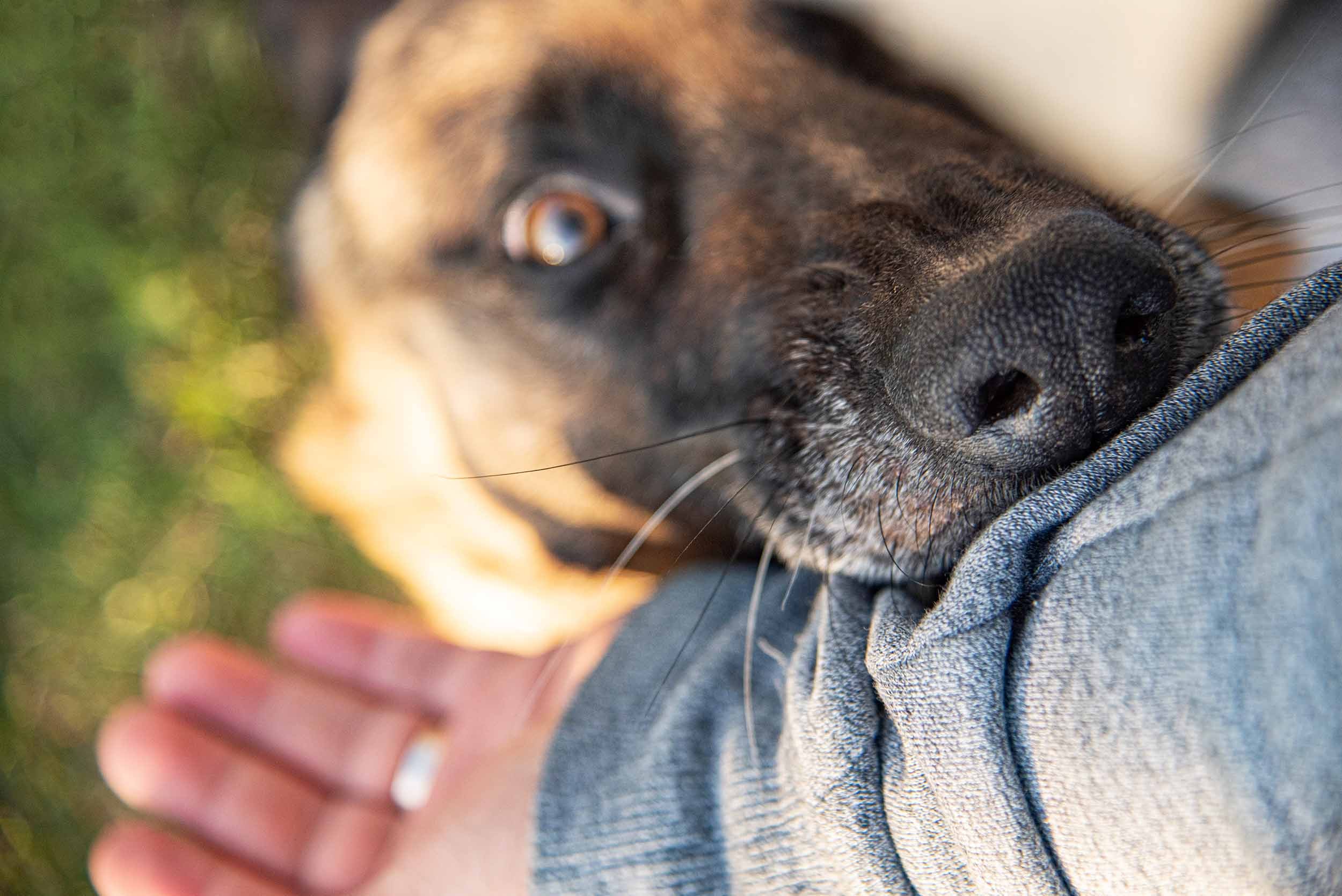
Documenting the scene and the landlord’s prior knowledge quickly can significantly strengthen a negligence claim. Evidence disappears, memories fade, and surveillance footage gets deleted on routine schedules. Acting fast matters.
Medical Records
- ER or urgent care records from the date of the bite (e.g., “June 3, 2024, Kaiser ER, Santa Clara”)
- Tetanus and rabies vaccination records
- Follow-up visit notes with specialists
- Photographs taken by medical staff documenting wound severity
- Psychological counseling notes if you’re experiencing anxiety, nightmares, or PTSD
Photos and Videos
- Close-up images of bite wounds immediately after the attack
- Photos of torn clothing and damaged personal items
- Wider shots showing where the attack occurred
- Video of any broken gates, fences, or entry points the dog passed through
- Photos of any “No Pets” signs, leash rules, or posted property regulations
Witness Details
- Names and phone numbers of anyone who saw the attack
- Written statements from other tenants who had prior negative encounters with the dog
- Contact information for maintenance staff who may have observed the animal’s behavior
- Statements from delivery drivers who visited the property
Landlord Communication
- Copies or screenshots of emails to property management about the dog
- Text message threads discussing the animal’s aggressive behavior
- Online portal messages with dates and timestamps
- Dated letters you or other tenants sent complaining about the dog
Official Reports
- Animal control case numbers and reports
- Police incident report numbers
- HOA violation notices mentioning the dog
- City code enforcement records about property safety issues
Lease and Property Records
- Current lease showing pet clauses and restrictions
- Written pet addenda signed by the dog owner
- Property rules about animals in common areas
- Any prior notices the landlord sent to the dog’s owner about the animal
How a California Dog Bite Attorney Builds a Landlord Negligence Case
Attorneys who handle dog bite cases routinely address situations where both tenants and landlords may share fault. Here’s how they approach building a strong landlord negligence case.
Case Investigation
In building a landlord negligence case, attorneys typically obtain critical documents including:
- Lease agreements showing pet clauses and restrictions
- Maintenance records documenting repair requests (especially for fences and gates)
- Tenant complaint logs maintained by property management
- Security footage from common areas
- Insurance policy information for both tenant and landlord
When property managers don’t voluntarily produce these records, attorneys use formal discovery requests and subpoenas to compel production in a variety of cases, including personal injury matters like dog bite incidents.
Witness Outreach
In building a case, an attorney typically will contact:
- Neighbors who witnessed prior incidents or the attack itself
- Mail carriers and package delivery drivers who visit the property regularly
- Maintenance staff and groundskeepers
- Security guards who patrol the property
- Anyone else who can document the landlord’s prior knowledge of the dog’s behavior
Expert Analysis
Complex cases may require expert testimony:
- Medical experts to explain the severity of scarring, nerve damage, or PTSD
- Property management experts to discuss what a reasonable landlord should have done
- Animal behavior experts to discuss foreseeability and whether the attack was a foreseeable risk
Insurance Identification
A key part of the attorney’s job is locating and triggering all available insurance coverage:
- The tenant’s renter’s insurance (if it includes liability coverage)
- The landlord’s property liability policy
- Any umbrella policies that may apply
Identifying multiple insurance sources increases the pool of money available for settlement.
Negotiation and Litigation
Many landlord negligence cases settle after the attorney presents a strong evidence package demonstrating prior knowledge and failure to act. However, if landlords or insurers deny responsibility, your network attorney will file suit in California Superior Court and pursue the case through trial if necessary.
Damages You May Recover When Landlord Negligence Is Proven
Adding a negligent landlord as a defendant can make a major difference in the size of a California dog bite settlement or judgment. The dog owner alone may have limited assets or insurance, but landlords typically carry substantial liability coverage.
Economic Damages
These are your out-of-pocket financial losses:
| Category | Examples |
|---|---|
| Medical costs | Hospital bills, surgery, prescription medications, rabies treatment |
| Lost wages | Time off work during recovery, documented pay stubs |
| Loss of earning capacity | Reduced ability to work due to lasting disability |
| Future medical care | Skin grafts, laser treatment, ongoing counseling |
| Property damages | Torn clothing, broken glasses, damaged phones |
Non-Economic Damages
These compensate for intangible harm:
- Pain and suffering during the attack and recovery
- Permanent scarring, especially on the face, hands, or legs
- Anxiety, fear of dogs, and hypervigilance
- Sleep disturbances and nightmares
- Loss of enjoyment of life and daily activities
Punitive Damages
In rare, extreme cases where a landlord’s conduct shows malicious intent or conscious disregard for safety—such as ignoring multiple serious bites over several years—punitive damages under Civil Code § 3294 may be available. These are designed to punish egregious behavior and deter others.
Your attorney will evaluate whether the facts of your case support a claim for punitive damages in addition to compensatory damages.
Deadlines and Procedural Rules for California Dog Bite Claims Involving Landlords
California imposes strict deadlines for personal injury cases. Missing them can permanently bar recovery against both the dog owner and the landlord.
Statute of Limitations
Most dog bite personal injury claims—including landlord negligence claims—must be filed within two years of the bite under Code of Civil Procedure § 335.1. If you wait too long, the court will likely dismiss your case.
Minor Victims
When the injured person is under 18, the statute of limitations is typically tolled until they reach adulthood. However, attorneys generally recommend acting much sooner to preserve fresh evidence while witnesses still remember what happened.
Government-Owned Rentals
If the landlord is a public housing authority or other government entity, special claim deadlines may apply under the Government Claims Act. These deadlines can be as short as six months from the date of the bite. Miss this window, and you may lose your right to sue entirely.
Preservation of Evidence
Critical evidence can disappear quickly:
- Surveillance video from apartment complexes is often deleted after 30-90 days
- Digital maintenance records and tenant portal messages may be purged on routine schedules
- Property management staff may leave their positions
- Witnesses may move away or forget details
Contacting an attorney quickly allows them to send preservation letters demanding that evidence be maintained.
Don’t wait if your bite occurred earlier in 2024 or 2023. Contact 1-800-THE-LAW2 to consult with a qualified attorney immediately to evaluate timing issues before deadlines expire.
What to Do Immediately After a Dog Bite in a Rental Property
The steps you take in the hours and days after being bitten affect both your health and your legal options. Here’s what to do:
1. Seek Medical Care
Go straight to urgent care or an emergency room, even if the bite seems minor. Medical professionals will:
- Clean and assess the wound to prevent infection
- Update your tetanus shot if needed
- Evaluate whether rabies treatment is necessary
- Document your injuries in medical records
Dog bites can cause serious infections, nerve damage, and scarring that isn’t immediately apparent. Get checked out.
2. Report the Bite
File a report with animal control and, if appropriate, the police. This creates an official record tying the incident to the specific dog and property. Ask for case numbers and copies of any reports.
3. Notify the Landlord or Property Manager
Provide written notice—via email or the property management portal—describing:
- When and where the attack occurred
- The injuries you suffered
- Any prior problems you or other tenants had with this dog
Keep copies of everything you send.
4. Gather Evidence On-Site
If it’s safe to do so:
- Photograph the dog (from a safe distance)
- Take photos of the location where the attack happened
- Document any broken gates, fences, or access points
- Photograph any “No Pets” signs or rules that weren’t enforced
- Note the dog’s location relative to common areas
5. Do Not Sign Anything Yet
Property managers or insurance companies may contact you with releases to sign or quick cash settlement offers. You should carefully review any documents and consider consulting with a qualified attorney before signing anything or accepting settlement offers, as early settlements may not account for future medical needs or the full value of potential claims.
6. Contact 1-800-THE-LAW2
Call 1-800-THE-LAW2 or fill out our online form the same day if possible. Consider consulting with a qualified California attorney familiar with landlord negligence dog bite cases as soon as possible to protect your rights.
How 1-800-THE-LAW2 Connects You to a California Lawyer for Landlord Negligence Dog Bite Claims
1-800-THE-LAW2 is a legal network focused on accident and injury cases, including dog bites in rental properties across California. When seeking legal representation for dog bite cases in rental properties, individuals should seek attorneys with experience in California accident and injury law.
How It Works
Renters and visitors can call 1-800-THE-LAW2 24/7 or submit a form online to be connected quickly to a local California personal injury attorney who handles dog bite liability and landlord negligence cases.
Experienced Network Attorneys
Our partner law firms and law offices are experienced in dealing with:
- Property management companies
- Apartment owners and REITs
- Landlord insurance carriers
- Complex multi-defendant claims
Landlord negligence claims can be complex when insurance companies dispute liability.
Fee Arrangements
Many network attorneys offer free consultations and work on a contingency fee basis, though terms vary by attorney. Contingency fee arrangements typically mean:
- No upfront attorney fees (though clients may be responsible for certain costs and expenses as outlined in the fee agreement)
- Attorney fees are paid only if they recover money for you (subject to the terms of your fee agreement)
- If you don’t get paid, they don’t get paid
Initial consultations with participating attorneys are often provided at no charge.
Bilingual Services
Our bilingual (English/Spanish) intake and outreach make it easier for California renters—including Spanish-speaking tenants—to explain what happened and receive help. You deserve to be understood, regardless of language.
Contact Us Today
Whether you were bitten in Los Angeles, San Diego, Fresno, the Bay Area, or anywhere else in California, we can connect you with an attorney who can evaluate whether you may have claims against the dog owner and a negligent landlord, including wage loss damages in personal injury cases. Each case is evaluated individually based on its specific facts and circumstances.
Call 1-800-THE-LAW2 or fill out our online form for a free consultation. There’s no obligation to continue if you decide against it, so there’s really no downside to getting started today.
We look forward to assisting you.