


How to Document Soft Tissue Injuries After an Accident
If you’ve recently been in a car accident and you’re feeling neck stiffness, back pain, or muscle soreness, you may have soft tissue injuries—even if you feel “okay” right now. These injuries don’t always show up on X-rays, but that doesn’t make them any less real or painful. The key to protecting both your health and your potential legal claim is knowing how to document everything from day one.
In this guide, we’ll walk you through the steps you need to take to create a strong record of soft tissue damage or symptoms and explain how an experienced attorney can explain how compensation may be pursued.
Quick Steps You Should Take Right After the Accident
The moments and hours after a car accident can feel overwhelming, but the actions you take right now may affect your health and any potential insurance or legal matters”. Here are the most important steps to consider after an accident:
At the scene:
- Call 911 if anyone is hurt and request a police report. Note the responding agency (LAPD, CHP, local sheriff) and the report number.
- Use your phone to photograph the scene immediately: vehicle positions, skid marks, deployed airbags, road conditions, weather, traffic signals, and any visible injuries like bruising or swelling on your body.
- Collect concrete information from everyone involved: driver’s license numbers, insurance details, license plate numbers, and contact information for all drivers and witnesses.
Same day:
- Consider seeking medical attention even if the pain seems minor. Visit an ER, urgent care, or primary care clinic to ensure your symptoms and care are appropriately documented.
- Be cautious about providing recorded statements to an insurance company and consider understanding your rights first.
If you have questions about insurance communications, you may choose to call 1-800-THE-LAW2. We’re a California legal network that connects injured people with independent, experienced accident attorneys who can provide information about legal options related to injury claims.
Understanding Soft Tissue Injuries After a Car Accident
Soft tissue injuries affect the muscles, ligaments, and tendons in various parts of your body. They’re commonly associated with rear-end collisions, T-bone crashes, and sideswipe accidents—collisions involving sudden force to your body.
Examples of Soft Tissue Injuries Associated with Auto Accidents
| Injury Type | Affected Area | May Be Associated With |
|---|---|---|
| Whiplash | Neck | Rear-end impact |
| Cervical sprain/strain | Neck and upper spine | Sudden head movement |
| Lumbar strain | Lower back | Twisting or compression |
| Shoulder sprain | Rotator cuff, ligaments | Bracing against steering wheel |
| Knee ligament sprain | ACL, MCL | Dashboard impact |
| Deep contusions | Chest, abdomen | Seat belt restraint |
Symptoms That Can Develop Over Time
Unlike a broken bone or visible injuries, tissue injuries often present with delayed symptoms. You might feel fine at the scene due to adrenaline and shock, and later experience symptoms, sometimes within the next few days. Some people report symptoms such as:
- Neck stiffness and reduced range of motion
- Headaches radiating from the base of the skull
- Mid- and lower-back pain
- Muscle spasms
- Tingling or numbness in arms or hands
- Sleep disruption from persistent discomfort
These injuries may not appear on standard X-rays, which can make them harder to evaluate. Advanced imaging techniques like MRI or musculoskeletal ultrasound may be used to help evaluate ligament tears and muscle strains. From a legal perspective, even “invisible” soft tissue injuries may be considered in insurance or legal evaluations when appropriately documented.
Why Detailed Documentation Is Important
Insurance companies may scrutinize soft tissue injury claims more closely than claims involving obvious trauma like fractures. Why? Because there’s less visible proof, which can make these claims harder to evaluate.
Here are factors adjusters may consider when evaluating a claim:
- Gaps in medical treatment
- Vague or inconsistent complaints
- Missing records or incomplete files
- Statements like “I’m fine” in early medical notes
Every visit, test, prescription, and physical therapy session becomes part of the overall record of your symptoms, treatment, and related impacts. Thorough medical documentation that begins soon after the accident can help establish a clearer timeline between the accident and reported symptoms, which is commonly reviewed during insurance evaluations.
Attorneys in the 1-800-THE-LAW2 network often review detailed documentation when communicating with insurers. When the evidence is organized and comprehensive, it tells a clear story—one that may affect how factors such as pain and suffering, lost wages, and future treatment are evaluated.
Key Information Used to Document Soft Tissue Injuries
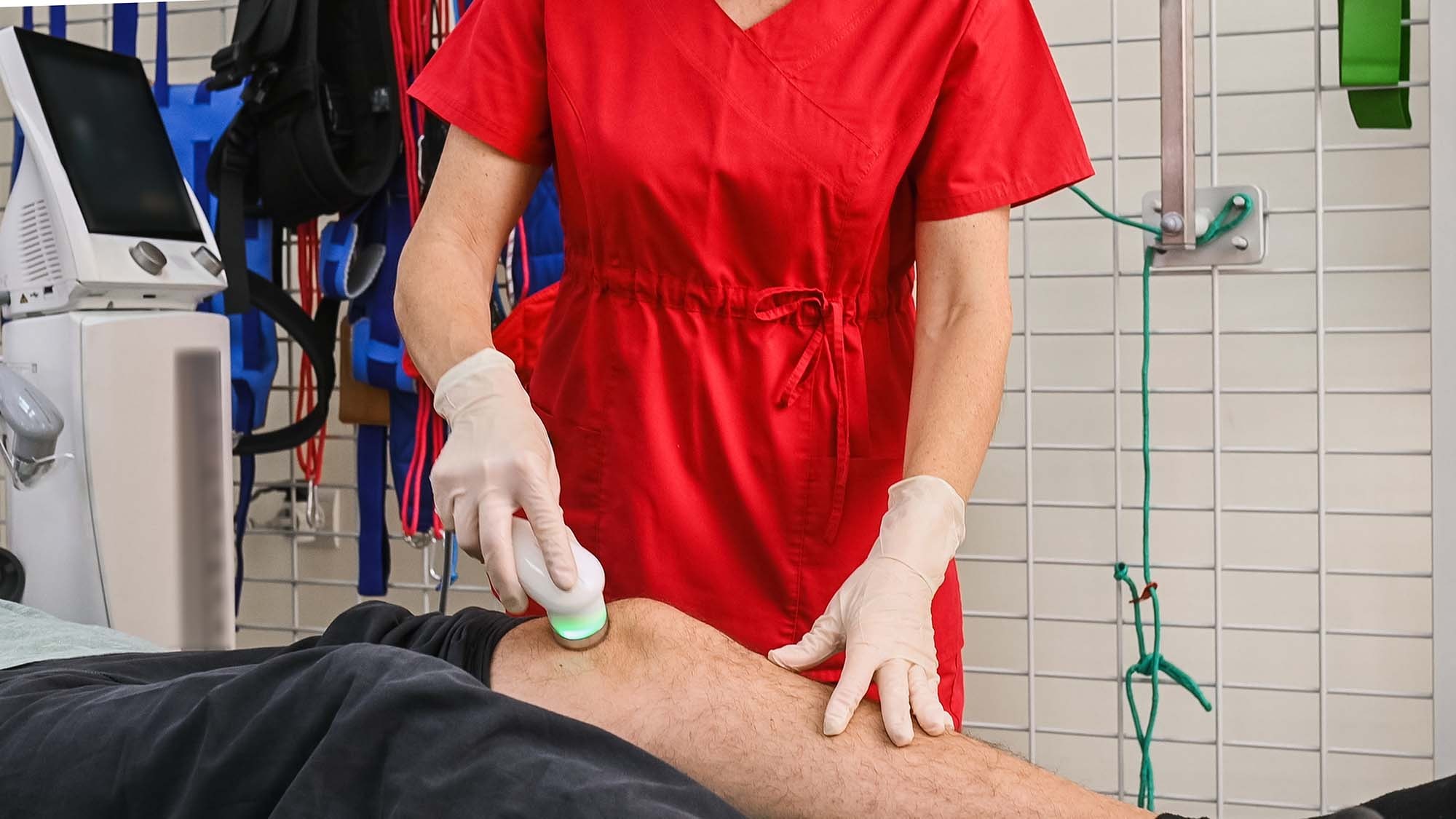
Pursuing a soft tissue injury claim requires multiple types of evidence working together. Think of each piece as part of a larger puzzle:
- Medical records – Often an important part of many claims
- Photographs – Visual evidence of injuries and the crash scene
- Pain and symptoms journal – Daily documentation of your experience
- Work and income records – Documentation of potential financial impact
- Witness statements – Third-party observations that may support your claim
Let’s break down each category.
Medical Records and Diagnostic Tests
Medical documentation is typically the first thing insurance companies and defense lawyers examine. It is often an important part of documenting that your injury occurred, how severe it is, and that it may be related to the accident.
What to do:
- Consider seeking medical care promptly after the crash.
- Describe every symptom to your healthcare provider in detail, not just the worst one. If your neck hurts and your lower back aches, mention both.
- Follow your treatment plan without unexplained gaps. Attend all follow-ups, physical therapy sessions, and specialist visits.
Key documents to collect:
- Emergency room or urgent care intake forms and notes
- Primary care follow-up records
- Physical therapy evaluations and progress notes
- Imaging reports (MRI of the cervical spine, lumbar spine, or shoulder; musculoskeletal ultrasound)
- Prescriptions for pain medication, muscle relaxants, or anti-inflammatories
- Medical bills and billing statements
An accurate diagnosis from medical professionals—especially when supported by diagnostic tests— can provide additional information during an insurance evaluation of your claim. MRI technology, for example, may detect certain soft tissue injuries that standard X-rays do not show.
Attorneys in the 1-800-THE-LAW2 network can help you obtain complete, detailed medical records from hospitals and clinics across California and help organize them for review in an insurance or legal matter.
Photographs and Visual Evidence
Photos can help document visible signs of soft tissue injuries that may not appear on imaging. Even if your injuries are internal, external signs like bruising, swelling, and the need for medical devices provide helpful context.
What to photograph:
- Bruises, abrasions, and seat belt marks
- Swelling in the neck, shoulders, back, or knees
- Any support devices like cervical collars, braces, or slings
- Vehicle damage (exterior and interior)
- Airbag deployment
- Road conditions and the accident scene
Best practices:
- Take photos of the same injured area over several days (Day 1, Day 3, Day 7) to record any changes over time
- Store photos with date stamps and short captions (e.g., “Neck swelling – two days after rear-end crash on I-5 in Los Angeles”)
- Don’t delete any photos, even if they seem redundant
Pain, Symptoms, and Activity Journal
A daily journal capturing your pain levels, symptoms, and activity limitations documents non-economic damages like pain, suffering, and loss of enjoyment of life.
How to create your journal:
Use a notebook, calendar app, or spreadsheet. Each entry should include:
| Element | Example |
|---|---|
| Date and time | March 15, 2025, 8:00 AM |
| Pain level (0-10) | 7 out of 10 |
| Location of pain | Right side of neck, lower back |
| Trigger or activity | Worsened after driving to work |
| Sleep quality | Woke at 3 AM from neck pain |
| Medications taken | Ibuprofen 400mg; caused stomach upset |
| Missed activities | Couldn’t attend daughter’s soccer game |
You may wish to note missed events: family outings, hobbies like running or gardening, and daily life activities you can no longer perform without pain. These details provide context about how your symptoms affect daily life and may be considered in insurance or legal evaluations.
Work, Income, and Daily Function Documentation
Lost income and reduced earning capacity may be considered in many car accident cases. Soft tissue injuries extend beyond medical bills—they may affect your ability to work and manage daily responsibilities.
Documents to save:
- Pay stubs, W-2s, and direct deposit records
- Written communication from employers about missed days
- Letters confirming modified duty or temporary disability status
- Documentation of specific job tasks you now struggle with (lifting, standing, typing, driving)
For example, if you’re a delivery driver who can no longer sit for extended periods, note any changes to your routes or hours. If you’re an office worker experiencing chronic pain from typing, note when you need breaks or adjustments to complete tasks.
Attorneys in the 1-800-THE-LAW2 network may consult vocational or economic professionals when appropriate – when soft tissue injuries cause long-term career or income changes.
Witness Statements and Third-Party Observations
Soft tissue injuries are inherently subjective—you feel the pain, but others can’t see it. Witness statements from neutral parties and family members may provide additional perspective during an insurance or legal review.
At the accident scene:
- Get contact information from passengers, bystanders, and nearby business owners if possible
- Ask if anyone captured video of the accident or its immediate aftermath
At home:
- Ask family members or roommates to write dated notes describing changes they observe: difficulty getting out of bed, needing help with household chores, increased irritability from pain, emotional distress
- These observations provide additional context about how the injury affects daily life
A personal injury attorney may assist in preparing written statements for insurance or legal proceedings, when appropriate.
Common Issues That May Affect Soft Tissue Injury Claims
Many people unintentionally affect how claims are evaluated, especially when dealing directly with insurance companies without legal guidance. Here are the pitfalls to avoid:
| Mistake | How It May Affect an Evaluation |
|---|---|
| Delaying medical care for days or weeks | Symptoms may be attributed to other causes |
| Saying “I’m fine” at the ER or initial evaluation | These statements end up in records and affect how your claim is reviewed |
| Stopping treatment early or skipping sessions | Photos or videos can be misinterpreted as evidence that you’re not injured |
| Posting on social media | Photos or videos can be misinterpreted as evidence you’re not injured |
| Giving recorded statements to adjusters | You may minimize symptoms or guess about recovery time under pressure |
| Gaps in your treatment plan | Timeline gaps may raise questions during claim review |
According to legal analyses, skipping appointments or having unexplained gaps in medical care may affect how a claim is evaluated. Even mild injuries may benefit from consistent follow-through with your healthcare professional.
If you have questions after a crash, you may choose to contact 1-800-THE-LAW2. An experienced attorney can advise you on how to handle insurer communications and provide information about handling insurer communications and documentation.
How an Accident Attorney May Assist In Documenting Soft Tissue Injuries

Soft tissue injury claims may depend in part on how evidence is collected, organized, and presented. A car accident attorney brings experience and resources that may affect how your claim is evaluated.
What an attorney can do for you:
- Coordinate with medical experts – Work with doctors, chiropractors, and physical therapists to obtain detailed reports and related medical documentation
- Interpret diagnostic findings – Collaborate with medical professionals to explain how MRI or ultrasound results correlate with ongoing pain and physical limitations
- Review and clarify accident details – Review police reports, 911 records, and any available traffic camera or dash cam footage
- Address Insurance Questions or Concerns – existing conditions or “normal aging”
- Organize your claim – Compile medical records, photographic evidence, financial documentation, and witness statements into an organized submission
Studies suggest that unrepresented claimants may receive different settlement outcomes than those who are represented. Legal representation may affect how a claim is handled, especially for claims where injuries aren’t immediately apparent.
1-800-THE-LAW2 connects injured people with independent accident attorneys who handle matters involving soft tissue injuries. Our network of attorneys understands the claims process and can provide information about the claims and settlement process.
When You May Wish to Contact 1-800-THE-LAW2
If you’ve been in an auto accident and you’re experiencing neck, back, or joint pain—even if it didn’t appear right away—you may wish to speak with a personal injury lawyer who can provide legal guidance tailored to your situation.
Here’s what you should know:
- Don’t wait for symptoms to worsen. Delayed symptoms are common with soft tissue injuries, but waiting too long to seek medical treatment and legal assistance may affect how your claim is evaluated.
- California has deadlines. Statutes of limitations apply to auto accident injury claims. Missing these deadlines may limit your ability to pursue a claim.
- Free consultation available. The initial consultation with a participating attorney is free, and many cases are handled on a contingency fee basis—meaning no fees unless there’s a recovery.
Calls to 1-800-THE-LAW2 and online form submissions are available 24/7. Our bilingual (English/Spanish) representatives can connect you with an independent personal injury attorney in our network who handles soft tissue injury matters and can provide information about documentation and the claims process.
If you have any questions about how injuries are being evaluated, you may contact 1-800-THE-LAW2 to request a free consultation. An attorney in our network can help you document your soft tissue injuries correctly and provide guidance regarding potential compensation.