What Questions To Ask After Motorcycle Accident California
A motorcycle accident in California can turn your life upside down in seconds. Between medical bills, time off work, and the stress of dealing with insurance adjusters, many riders find themselves overwhelmed and unsure where to start. The questions you ask in the first days and weeks after a motorcycle crash can affect your health outcomes, the strength of any insurance claim, and your ability to pursue a potential legal claim.
This article is written for motorcycle riders injured in California—whether in Los Angeles, San Diego, Sacramento, the Bay Area, or anywhere else in the state—who are recovering from a collision and want clear guidance on what to do next. 1-800-THE-LAW2 is a legal advertising service that helps connect injured riders with independent motorcycle accident attorneys for free consultations, available 24/7. Motorcycle accident claims are treated differently from standard car accident claims due to the potential for more serious injuries. and 1-800-THE-LAW2 does not provide legal advice or legal representation. Legal services are provided by those independent attorneys, not by 1-800-THE-LAW2 itself. Please note that this content is for general information purposes and does not constitute legal advice. Laws can change, and readers should speak directly with a licensed attorney about their specific situation. Law firms and law offices handling motorcycle cases can provide guidance tailored to these unique cases.
Introduction to Motorcycle Accidents
Motorcycle accidents can have life-altering consequences, often resulting in serious injuries, significant property damage, and, in the most tragic cases, the loss of a loved one. In California, where scenic highways and busy city streets attract many motorcyclists, motorcycle riders face unique risks every time they get on the road. The lack of physical protection compared to cars means that even a minor collision can lead to severe injuries for motorcycle injury victims.
If you or a loved one has been injured in a motorcycle accident, it’s important to understand your rights and the legal protections available to you. Many riders are unaware of the full value of their claim or the types of compensation they may be able to pursue after an accident. From medical expenses and lost wages to pain and suffering, the aftermath of a motorcycle crash can be overwhelming.
Working with an experienced legal team can help you understand your legal options and the claims process in your recovery. A knowledgeable attorney can help you navigate the complex process of filing a motorcycle accident claim and protect your rights, deal with insurance companies, and seek compensation that may be available under the law. Whether you’re facing mounting medical bills, struggling with physical pain, or dealing with the emotional impact of the accident, many people choose to seek legal guidance during this process. Understanding your options and seeking additional information often is an important step toward recovery for motorcycle injury victims and their families in California.
First: Questions to Ask Yourself at the Scene and Within the First 24–48 Hours
Safety and medical care come before anything else. If you have been injured in a motorcycle collision, your immediate priority is getting out of harm’s way and calling 911. Once emergency responders have arrived and you are safe, the questions you ask yourself in those first 24–48 hours can help preserve evidence that may become critical later. It is important to call 911 for injuries and to bring police to the scene.
Here are the key questions to consider:
“Am I out of immediate danger from traffic?” If you are physically able, move yourself and your bike away from active lanes. Whether you crashed on I-5 in Orange County or on surface streets in Los Angeles, getting clear of traffic reduces the risk of a secondary collision. Call 911 as soon as possible.
“Am I injured anywhere, even if the pain feels minor right now?” Adrenaline can mask the symptoms of serious injuries like concussions, internal bleeding, or soft-tissue damage. Even if you feel fine at the scene, accept medical evaluation from emergency responders. Delayed symptoms are common after a motorcycle crash.
“Did law enforcement respond and create a California Traffic Collision Report?” Ask the responding officer how to obtain a copy of the report from the local agency. For freeway accidents, the California Highway Patrol handles reports, which must be requested by mail or in person. For city accidents, the local police department (LAPD, SFPD, San Diego PD) handles reporting. Write down the report number and the officer’s name and badge number.
“Did I gather the other driver’s information?” Ask for the other driver’s full name, California driver’s license number (if possible), address, phone number, insurance company, policy number, and license plate. Verify this information by asking to see their license and registration. Avoid admitting fault or speculating about what happened. Never admit fault at the scene or sign any documents without first consulting legal counsel.
“Did I get photos and witness details?” Photograph the accident scene from multiple angles:
- Vehicle positions and lane placements
- Skid marks and road conditions
- Traffic signals and signs
- Visible injuries on your body
- Damage to your helmet and gear
- License plates of all vehicles involved
Ask witnesses for their names, phone numbers, and a brief account of what they observed. Independent eyewitnesses can be decisive in motorcycle accident claims. Documenting the scene thoroughly helps protect your rights, and remember that other parties—such as passengers, bystanders, or even manufacturers or city authorities—may also be involved and should be identified if possible.
If your injuries prevented you from gathering this evidence at the scene, an attorney may later investigate using police reports, photos from law enforcement, and surveillance footage from nearby businesses.
If there are injuries or property damage exceeding $1,000, you must file Form SR-1 with the California DMV within 10 days.
Medical Care: Questions to Ask Doctors After a California Motorcycle Accident
In California, medical records from emergency rooms and follow-up providers form the backbone of any potential injury claim. Whether you receive care at UCLA Medical Center, UC San Diego Health, Kaiser facilities, or a local urgent care clinic, the documentation created during your treatment establishes the link between the accident and your injuries.
Ask your medical providers these questions:
“What are my diagnosed injuries today?” Request that your provider explain specific diagnoses in plain language—for example, fractured tibia, herniated disc at L4-L5, or mild traumatic brain injury. Confirm that these diagnoses are written in your medical chart with the exact location and severity noted.
“What tests or imaging do you recommend?” Ask whether X-rays, CT scans, MRIs, or other diagnostic testing is needed now or later. Following recommended imaging helps ensure your injuries are properly evaluated and documented.
“What is the recommended treatment plan and recovery timeline?” Ask about physical therapy, surgery consultations, prescription medications, and approximate healing expectations. Following your doctor’s plan demonstrates both the seriousness of your injuries and their connection to the crash.
“Are there activities I should avoid?” Get written restrictions about work duties, lifting limits, driving, and riding again. These documented restrictions support claims for lost wages and help establish how injuries have affected your daily functioning.
“Could my symptoms get worse over time?” Some injuries, particularly traumatic brain injuries, may have long-term cognitive or emotional effects. Ask whether delayed symptoms, emotional distress, or chronic pain might emerge days or weeks after the collision, and be aware of the most common motorcycle injury types and their long-term impact.
“Can I get copies of all my medical records and bills?” Request visit summaries, diagnostic imaging reports, specialist referrals, and itemized bills. Keep everything organized in one folder with dates clearly noted. This documentation supports claims for past medical expenses and potential future care needs.
Insurance & Claims: Questions to Ask Before Speaking With Any Insurance Company
Insurance companies often contact accident victims shortly after a motorcycle accident to gather information about the incident. In California, both your own insurer and the other driver’s insurance company may contact you within days of the accident. These calls may be recorded, and statements you make can later be used when evaluating fault and damages. Understanding what to ask before you answer detailed questions can help you understand how your statements may be used during the claims process.
Insurance adjusters may ask detailed questions about how the accident occurred and the extent of injuries. Understanding the top legal steps if you are injured in a motorcycle crash can help you avoid common mistakes in these early conversations.
“Do I have to give a recorded statement right now?” You can ask what the call is for, whether it is being recorded, and what information the adjuster is requesting. You are not required to give a detailed recorded statement immediately. Many riders choose to speak with an attorney before answering substantive questions about how the crash happened or the extent of their injuries.
“Which coverages apply to this crash under my policy?” Review your insurance policy for these coverage types:
| Coverage Type | What It May Cover |
|---|---|
| Liability | Injuries you cause to others (if at fault) |
| Uninsured Motorist (UM) | Crashes involving uninsured drivers |
| Underinsured Motorist (UIM) | When the other driver’s coverage is insufficient |
| Medical Payments (MedPay) | Your medical bills regardless of fault |
| Collision | Damage to your motorcycle |
| Note that California’s minimum liability limits (updated to 30/60/15 in 2025) often do not fully cover catastrophic motorcycle injuries, making UM/UIM coverage particularly important. Motorcycle accident claims may also be handled differently than car insurance claims due to the unique nature of motorcycle injuries and damages. |
“What are my policy limits and deductibles?” Ask your insurer to confirm your limits in writing or via email. Specifically ask about any MedPay amount (such as $2,000, $5,000, or higher) since MedPay can cover medical bills without requiring proof of fault.
“Should I sign this medical authorization form?” Be cautious about signing broad medical releases that allow insurers to access years of unrelated medical history. Insurers may use these authorizations to search for pre-existing conditions they could argue contributed to your injuries. Consider asking an attorney to review any authorization before signing.
“How will my property damage be handled?” Ask about California practices for estimating repair costs, determining total loss (typically when repairs exceed 70–80% of actual cash value), and calculating actual cash value for motorcycles. Get repair estimates from multiple sources if possible. It is important to choose a reputable repair shop that meets legal and trade standards for vehicle repairs to ensure your motorcycle is restored properly.
Riders can also ask any attorney they speak with whether it may be better for the attorney’s office to handle communications with insurance adjusters on their behalf.
Insurance companies may offer quick settlements early in the claims process. They may pressure you to accept a quick settlement, which is often before the full extent of injuries or damages is known.
Building a Strong Case: Questions to Ask to Support Your Motorcycle Accident Claim
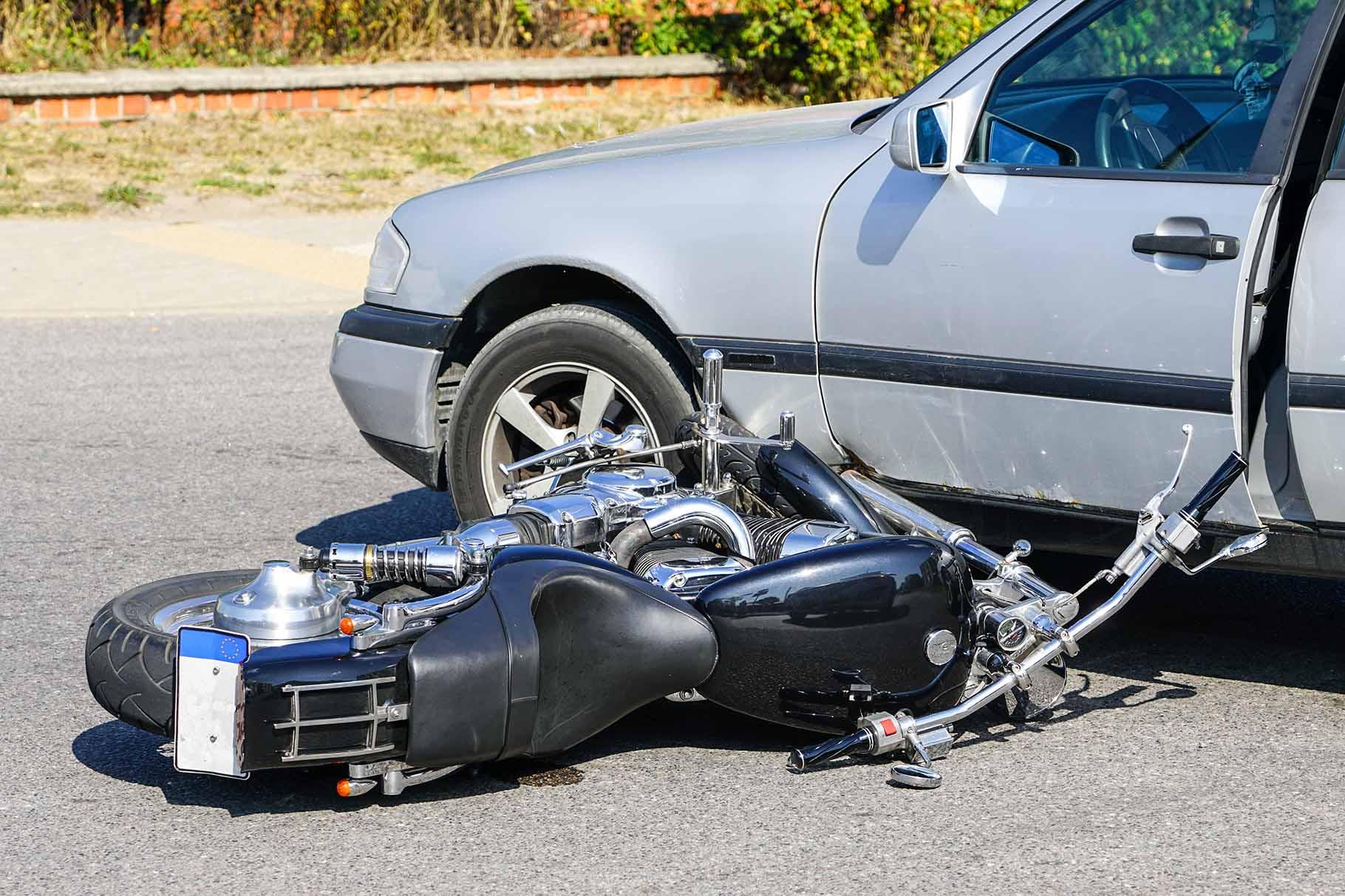
Building a strong case after a motorcycle accident in California starts with asking the right questions and gathering the necessary information to support your legal claim, including following the key steps to take after a motorcycle accident such as documenting the scene and seeking prompt medical care. Here are some essential questions to consider as you work with your legal team and navigate the insurance process:
- What are the policy limits of the other driver’s insurance policy, and how will they impact my claim? Knowing the policy limits helps you understand the maximum amount the insurance company may pay for your injuries and property damage. If your damages exceed these limits, your attorney can advise you on additional options for recovery.
- How will the insurance company determine fault in the motorcycle collision, and what evidence will they consider? Insurance adjusters will review police reports, witness statements, photos from the accident scene, and any available video footage. Understanding how fault is evaluated can help you and your legal team gather the relevant evidence.
- What types of damages can I claim, including medical expenses, lost wages, and pain and suffering? Your claim may include compensation for medical bills, future medical treatment, lost wages due to time off work, and non-economic damages like pain and suffering. Understanding how motorcycle accident settlements are evaluated can provide helpful context. Ask your lawyer to explain all potential categories of compensation.
- How will the insurance adjusters evaluate the severity of my injuries, and what medical evidence will they require? Insurance companies often require detailed medical records, doctors’ notes, and documentation of your treatment. Keeping thorough records and following your doctor’s recommendations can help document your claim.
- Can I seek punitive damages if the other driver was reckless or negligent, and how will this impact my claim? In cases where the other driver’s actions were especially dangerous—such as driving under the influence or excessive speeding—punitive damages may be available. These damages are intended to punish egregious behavior and may affect the damages available in a case.
- How long do I have to file a motorcycle accident claim in California, and what are the consequences of missing this deadline? California law sets strict deadlines for filing personal injury claims, and the California statute of limitations for injury cases is a critical factor. Missing the statute of limitations can prevent you from recovering damages through a lawsuit, so it’s important to consult a lawyer about your legal options.
- What role will the police report play in determining fault and supporting my claim, and how can I obtain a copy of the report? The police report is a key piece of evidence for insurance companies and attorneys. It documents the accident scene, statements from those involved, and any citations issued. Your legal team can help you obtain and review this report.
- How can I ensure that my motorcycle is repaired or replaced fairly, and what are my options if the insurance company disputes the repair estimate? If there’s a disagreement about repair costs or the value of your motorcycle, your attorney discuss options such as negotiation or independent appraisal of the motorcycle’s value.
- Can I still claim compensation if I was partially at fault for the motorcycle accident, and how will this impact my settlement? California follows a comparative fault system, meaning you can still recover damages even if you were partly responsible for the collision. However, your compensation may be reduced by your percentage of fault.
- How will my legal team communicate with the insurance company, and what is their strategy for negotiating a fair settlement? Ask your attorney about their approach to dealing with insurance adjusters, gathering evidence, and negotiating settlements. Clear communication and a proactive strategy can help manage the claims process.
By asking these questions and working closely with an experienced legal team, you can build a strong foundation for your motorcycle accident claim. Remember to seek medical attention immediately after the accident, document the accident scene thoroughly, and contact 1-800-THE-LAW2 to be connected with an independent lawyer who handles motorcycle cases.
Liability & Fault: Questions to Ask About How the Crash Happened
California uses a pure comparative negligence system, meaning fault can be shared between drivers and riders. Even if you are found partially at fault, you may still recover a portion of damages. In California, motorcycle accidents are not always the fault of the rider; liability can also fall on other drivers, passengers, or even the city. Asking focused questions can help clarify what really happened and how liability might be evaluated.
“What did the police officer record about fault?” Review the Traffic Collision Report’s narrative section, diagram, and any cited Vehicle Code violations. Common citations in motorcycle cases include:
- CVC 21801 – Failure to yield on a left turn
- CVC 22350 – Unsafe speed
- CVC 22107 – Unsafe lane change
While the officer’s initial assessment is documented, it is not the final word on civil liability. Liability in motorcycle accidents is ultimately determined by a judge or jury that examines all the facts of the case, and the full set of evidence is considered as much as the overall evidence.
“Were there cameras or additional witnesses?” Look for nearby businesses, homes, or traffic cameras that may have recorded the collision. In cities like San Diego, Fresno, and Oakland, municipal traffic cameras are increasingly common at major intersections. Dashcam or helmet camera footage can be particularly persuasive evidence.
“Did roadway conditions or defects contribute?” Consider whether potholes, loose gravel, oil spills, non-functioning traffic signals, or obscured stop signs played a role. These factors may implicate different liable parties, such as a city, county, or Caltrans for state highway conditions.
“How does lane splitting affect liability in California?” Lane splitting is legal in California, so the mere fact of lane splitting does not bar recovery. However, insurers may scrutinize whether the rider’s specific lane-splitting actions—speed differential, roadway conditions, proximity to large vehicles—were reasonable under the circumstances.
“Was anyone cited or arrested?” Check whether the other driver received a citation for DUI, failure to yield, distracted driving, or other violations. While citations are not dispositive in civil cases, they can support liability arguments.
Discussing these fault-related questions during a consultation with a California motorcycle accident attorney can help you better understand how liability may be evaluated in your specific motorcycle accident case. While gathering evidence at the crash site is important, it is best to leave the detailed investigation to qualified professionals.
Money, Time, and Recovery: Questions to Ask About Possible Damages
This section explains common categories of damages that may be claimed in California personal injury cases. No specific outcome or amount is promised, as results vary based on individual case facts.
“What accident-related medical expenses have I already incurred?” List all expenses since the crash date:
- Emergency room bills
- Ambulance transportation
- Follow-up visits with specialists
- Prescriptions
- Medical devices (braces, crutches)
- Co-pays and out-of-pocket costs
Keep all bills and receipts organized. Be aware that medical providers sometimes place liens on personal injury recoveries, meaning not all recovered amounts may go directly to you.
“What future medical care might I need?” Ask doctors whether ongoing physical therapy, pain management, surgeries, or other treatment may be reasonably anticipated. Future care needs can be part of a damages claim when supported by medical testimony. Some people choose to wait until their medical condition is better understood before resolving a claim.
“Have I missed work or lost income?” Gather documentation of lost wages:
- Pay stubs from before and after the accident
- 1099 forms (for self-employed riders)
- Employer letters confirming missed hours or schedule changes
If you are a gig worker or independent contractor, demonstrating lost income may be more complex but is possible with business records.
“How has the accident affected my daily life?” Think about the non-economic impact:
- Sleep disruption
- Inability to care for children or dependents
- Limits on hobbies (like weekend rides on Highway 1)
- Physical pain and discomfort
- Emotional distress, anxiety, or fear of riding
- Loss of enjoyment of life
California allows recovery for these non-economic damages, though they are harder to quantify than medical bills. The full impact of injuries may not always be immediately known.
“What about my damaged motorcycle and gear?” Document repair estimates or receipts for:
- Motorcycle repairs or replacement
- Helmet damage
- Riding jacket, gloves, boots
- Other protective equipment
Damaged protective gear should be preserved as physical evidence, and replacement costs may be included as property damage in a claim.
Write these answers down and bring them to any legal consultation. This helps an attorney understand the full value of the crash’s impact on your life. In some cases, compensation may include medical expenses, lost wages, and non-economic damages such as pain and suffering.
Questions to Ask a California Motorcycle Accident Attorney During a Free Consultation

Many California personal injury attorneys, including dedicated firms and law offices, offer free consultations and work on a contingency-fee basis, where attorney fees are a percentage of any recovery; services like a free service available 24/7 to connect callers with independent attorneys quickly after a crash. Clients may still be responsible for certain costs, such as records requests, filing fees, or expert witness fees, so it is important to clarify fee arrangements before hiring anyone.
“Do you regularly handle motorcycle accident cases in California?” Ask whether the attorney or their firm is familiar with local courts and common motorcycle issues like lane-splitting legality, helmet compliance requirements, and potential juror bias against motorcycle riders. Attorneys who focus on motorcycle claims may have deeper familiarity with these specific issues.
“What are the main strengths and challenges you see in my case?” Encourage specific discussion of factors such as:
- Clear liability (strong dashcam video or independent witnesses)
- Disputed fault or conflicting accounts
- Pre-existing conditions the defense may raise
- Limited insurance coverage from the other driver
Also, ask about the strength of the evidence supporting your case before accepting any settlement.
An honest attorney provides a realistic assessment rather than making promises.
“What deadlines apply to my situation?” California’s general personal injury statute of limitations is typically two years from the date of the accident. Different deadlines apply for claims involving government entities. An attorney should confirm the exact deadline for your specific situation.
“How do your fees and costs work?” Clarify the contingency fee percentage, whether any hourly fees apply, and who pays for case costs like medical records, filing fees, or expert witnesses. Ask whether costs are deducted before or after the attorney’s contingency fee is calculated.
“Should I accept the insurance company’s settlement offer?” Ask your attorney for their perspective on whether the settlement offer is fair or if you should negotiate for more.
“Should I wait to settle my case until I have completed my medical treatment?” It’s important to ask if settling early could leave you without compensation for future medical expenses.
“How much insurance coverage is available from the at-fault driver?” Confirm with your attorney or firm how much insurance coverage is available before agreeing to any settlement.
“How will communication work if I decide to move forward?” Ask who will be your main point of contact (the attorney or a paralegal), how often you will receive updates, and whether you will have access to your case file.
1-800-THE-LAW2 can help connect injured California motorcyclists with independent attorneys for a free consultation by phone or online, 24 hours a day.
Choosing Help and Next Steps: Questions About Working With 1-800-THE-LAW2
If you are a motorcycle injury victim trying to navigate the aftermath of a crash, understanding how 1-800-THE-LAW2, a legal advertising service, works and how it helps connect riders with independent California personal injury attorneys can clarify your next steps.
“How does 1-800-THE-LAW2 connect me with an attorney?” The process is straightforward:
- Call 1-800-THE-LAW2 or submit an online form
- A representative gathers basic details about your accident
- You are connected with an independent attorney in the network for a free consultation
“Is there a cost to contact 1-800-THE-LAW2?” Contacting the service and speaking with an independent attorney for an initial consultation is free. Any attorney-client agreement and fee structure is between you and the independent attorney you choose to work with.
“When can I reach out?” 1-800-THE-LAW2 operates 24/7, every day of the year. This is helpful if your accident happened on a weekend, late at night, or during a holiday.
“What types of cases do the independent participating attorneys handle?” Network attorneys handle:
- Motorcycle accidents
- Other motor vehicle collisions
- Workplace injuries
- Some employment matters in California
If you were injured in a motorcycle accident anywhere in California, you may contact 1-800-THE-LAW2 to request a free consultation with an independent attorney about your options. There is no obligation, and speaking with a lawyer can help clarify what steps to take next.
Conclusion
Asking focused questions about health, insurance, fault, damages, and legal options can help riders navigate the difficult weeks after a California motorcycle accident. From gathering evidence at the accident scene to understanding your insurance policy limits, each question you ask moves you closer to clarity during an uncertain time.
Write down your questions before any call with an insurer or attorney. Prioritize ongoing medical care and safety while you consider your options.
Disclaimer and Responsible Attorney Disclosure
Paid attorney advertising by attorneys participating in a joint advertising program, including David F. Makkabi of Beverly Hills, licensed in California. This is a group ad for independent law firms. 1-800-THE-LAW2 is not a law firm nor a lawyer referral service. Contacting 1-800-THE-LAW2 helps connect consumers with independent participating attorneys. This article is for general informational purposes only, is not legal advice, and does not create an attorney-client relationship. Medical lien laws can change, and outcomes vary based on individual facts, insurance policies, and evolving California and federal law. Results vary based on the specific facts and law applicable to each case. This content was created with AI assistance and reviewed for accuracy. Hiring a lawyer is an important decision and should not be based solely on ads. No claim is made that participating attorneys are better than others.