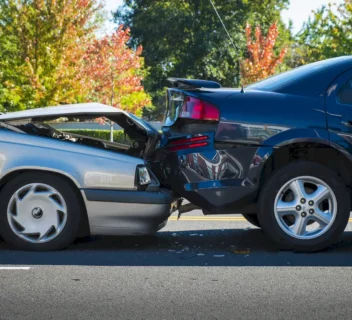
What happens after a car accident that is your fault?

So you’ve been in a serious car accident — but after a car accident that is your fault, or not your fault, what happens? There’s a lot of complexity to a car accident dispute that many first-time plaintiffs are not aware of. Seemingly small issues can become significant legal challenges if you’re not prepared.

That being said, if you’ve been in a car accident and you’re partially at-fault, then in many cases you can still sue and recover compensation — though your compensation total might be somewhat affected.

Let’s take a closer look.

How partial fault works in an accident dispute

After a car accident that is your fault — well, partially your fault — you might be wondering whether you can still secure compensation. For plaintiffs who are partially at-fault, compensation is often possible, but it depends on your jurisdiction. States are divided into three legal systems when it comes to fault:

  • Pure comparative fault: you can sue and recover damages even if you’re 99 percent responsible (i.e., at-fault) for the accident.
  • Modified comparative fault: you can sue and recover damages, so long as you’re less than 51 percent responsible for the accident.
  • Strict contributory fault: you cannot sue and recover damages if you’re partially at-fault.

So, if you’re in a pure or modified comparative fault state, chances are that you’d still be entitled to sue and recover. That being said, your total compensation is likely to be reduced by the percentage fault that you’ve contributed. For example, if a court finds that you’re 40 percent at-fault for your own injuries (due to not wearing a seatbelt), then your $100,000 damages claim could be reduced to a $60,000 recovery. Not bad, but just bear in mind that this percentage reduction could impact your recovery.

What to do after an accident that is not your fault?

After a car accident that is your fault (or not your fault), there are certain steps you should take to preserve your claims and to avoid undermining your ability to sue and recover the maximum amount of compensation. Here are some considerations to keep in mind in the wake of a car accident:

  • Secure emergency medical assistance. Depending on the nature of your injuries, emergency medical care could be necessary to ensure your own safety. Your #1 priority should be to manage your health and safety.
  • If possible, take pictures and videos of the accident scene. If you do not have an immediate medical need that forces you away from the accident scene, then you should take some time to obtain photos and videos of the accident and the surroundings. This can serve as valuable evidence.
  • Contact law enforcement. Law enforcement officers will survey the scene and ask comprehensive questions, which will all be used to build out a police report that can later be brought in as evidence.
  • Gather the contact information of eyewitnesses. Eyewitness testimony can be extremely useful for supporting your factual narrative during the car accident dispute.
  • Avoid speaking extensively to insurers, defendants, and others. Your discussions could lead to disclosures that undermine liability and harm your ability to secure compensation in an eventual lawsuit.
  • Obtain the assistance of an attorney as soon as possible. Your attorney will be able to communicate on your behalf, guide you along the early evidence-gathering and negotiation processes, and more.

For example, suppose you’ve been in an accident. After a car accident that is your fault (or not your fault), you may feel pressured to talk about the details with your insurance company. Don’t make that mistake! First, get in touch with an attorney who can provide guidance on how to speak with the insurance company — or who can speak on your behalf, thus preventing any sensitive disclosures.

Compensation in an accident dispute

In an accident dispute, there may be a variety of losses that you — the injured plaintiff — have sustained as a result of the defendant’s actions. These losses can be tallied up and claimed as damages, and if the court agrees, you will be entitled to compensation that covers the claimed losses.

Damages may include the following:

  • Lost wages
  • Loss of earning capacity
  • Medical expenses
  • Property loss
  • Pain and suffering
  • Loss of enjoyment of life
  • And more

For example, suppose that you’re injured in a car accident, and you have medical bills that tally up to $100,000. Your injuries are also severe enough that you can’t return to work for six months. With a salary of $80,000, you therefore lose out on $40,000 in wages. That’s $140,000 in damages, not accounting for further pain and suffering damages — which could be $100,000 or more, even.

Losses can quickly add up, but you’ll have to be comprehensive in accounting for all of your post-accident losses!

Why you should get an attorney

Attorneys aren’t just advocates in a trial setting. They have a variety of different responsibilities and tasks to take care of over the course of litigation, from start-to-finish. These include (but are not limited to) the following:

  • Identifying, gathering, and preserving evidence
  • Managing eyewitness statements
  • Working with experts on supportive testimony
  • Communicating to others on behalf of the client
  • Navigating legal procedural requirements
  • Developing and executing a cohesive case strategy
  • Negotiating a potential settlement compromise
  • Handling court hearings and other processes
  • Pushing forward to trial if settlement talks fall through
  • Securing the final compensation amount for the client
  • And more

Given the various responsibilities that an attorney can handle on your behalf — at a professional level — it’s worth consulting one as early as you can after an accident so that they can help you overcome the many challenges that you’re likely to face.

If you’ve been injured in a car accident, and it was partially your fault, then it’s important not to assume anything about your ability to sue — in many cases, you could be entitled to sue and obtain damages. Fault issues can be strategically managed by an experienced attorney, and your legal opportunities can change based on the jurisdiction in which your case is being litigated.

Contact 1-800-THE-LAW2 for a free legal consultation with an attorney in our network. During this initial consultation, you’ll have an opportunity to discuss your case in detail and learn more about the various strategic options. If you decide against moving forward, that’s ok — there’s no obligation to continue. So call in and get started!

We look forward to assisting you.

Navigating a “Hit By A Company Vehicle” Settlement

If you’ve been hit by a company vehicle and thereby suffered injuries, you may be wondering about what you’re entitled to under the law — and how to go about securing a settlement, if possible. Though accident disputes are common, they aren’t always straightforward. The company vehicle aspect can further complicate your dispute, in fact, though it’s worth noting that it can also give you access to a better pathway for compensation.

Ready to learn more? Read on.

What happens if someone hits you in a company vehicle?

If you’re hit by a company vehicle, and you sustain injuries as a result, then you could potentially sue them AND their employer. There are two different strategic possibilities for recovering compensation from the employer in such a situation:

  1. Vicarious liability: under vicarious liability, you can impose liability on the employer for the negligence of their employee. The employee has to have been acting within the course and scope of their employment at the time of the accident, however (i.e., performing job duties). This is valuable, as it can give you access to the employer’s potentially significant insurance coverage.
  2. Independent liability: if the employee was not negligent, then you can’t utilize vicarious liability to sue the employer. However, you CAN sue the employer if you can show that they negligently hired or supervised the employee who injured you. So, for example, suppose that a delivery driver hits you and injures you. It turns out that the driver was intoxicated at the time of the accident. You discover, further, that their employer knowingly hired them as a delivery driver despite them having a long history of alcoholism and license suspensions. Under these circumstances, you very likely sue the employer for negligently hiring the driver.

How do I request a settlement?

In an accident where you were hit by a company vehicle, your attorney will — as part of their various responsibilities — begin the process of negotiating a settlement with the defendant (and various others, as necessary, such as insurance companies). You don’t have to go out of your way to request a settlement, though it’s worth discussing the process with your attorney so that you can keep apprised of developments. Experienced attorneys will generally communicate with you throughout the settlement negotiation process, however, to ensure that your needs are not ignored.

What damages am I entitled to recover in a settlement?

In an accident dispute where you were hit by a company vehicle, you can claim the following losses as compensatory damages:

  • Lost wages
  • Loss of earning capacity
  • Medical expenses
  • Loss of property
  • Pain and suffering
  • Loss of enjoyment of life
  • And more

For example, suppose that you’re an office worker with an annual salary of $70,000. You get into a car accident that injures your back quite severely. As a result of the accident, you cannot return to work for a year, and you have significant medical expenses (perhaps tallying up to $100,000, which includes rehab and a surgical intervention). You would have $170,000 in lost wages and medical expenses alone, not counting the property loss (damage to your vehicle) or pain and suffering, which can add up to several hundreds of thousands of dollars as well.

In addition to these damages, courts in some cases award “punitive damages,” which are bonus damages intended to punish particularly egregious defendants and discourage others in society from engaging in similar behavior (i.e., drunk driving). If the court awards bonus punitive damages, you could see your take-home award increase significantly, so it’s worth exploring this strategic possibility with your attorney.

How do settlements work, exactly?

The large majority of disputes are resolved through a negotiated settlement. In fact, industry data indicates that settlement agreements may resolve as much as 95 percent of accident disputes!

Settlement is so common (and so favored) because trial litigation is uncertain, public, expensive, and exhausting to all involved. No matter how confident you are about your dispute, there’s always a chance that the court will find in favor of the other party (except in cases where the other party concedes the issue). Even if the court finds in your favor, they might lowball your damages and leave you with less than you would have ideally recovered for the accident.

Settlement avoids that uncertainty, as the parties agree upon an amount that is fair and reasonable — in other words, an amount that they’ll both be satisfied with. This is beneficial in other ways, too, as there’s no need for a public dispute, nor the frustrating demands of court hearings and trial processes.

That being said, not all settlements are made equal. You can secure better settlement offers the more that you can prove it’s “likely” that you’ll win your case if it were to go all the way through to trial (and the more likely it is that you’ll be awarded the damages that you’re claiming). You can do this by introducing strong supportive evidence for your claims, and by developing persuasive legal arguments.

How an Attorney Can Help

Motor vehicle accident attorneys have a wide range of responsibilities, and they can help you in myriad ways from the very beginning of a dispute. As such, there is real value to connecting with an attorney as soon as possible after an accident has occurred. Attorney assistance includes (but is not limited to) the following:

  • Gathering and preserving evidence
  • Investigating the accident scene
  • Working with experts to develop the case
  • Identifying and working with witnesses
  • Handling communications with third-parties
  • Negotiating a potential settlement
  • Navigating court hearings and other processes
  • Pushing forward to trial if necessary
  • Securing compensation on the client’s behalf
  • And more

If you’ve been injured in an accident where you were hit by a company vehicle, then you could be entitled to significant compensation. Navigating the settlement (and potentially even trial litigation if the settlement falls through) isn’t always straightforward, however. You’ll want to work with a qualified attorney who can help you secure the maximum possible recovery.

Contact 1-800-THE-LAW2 to connect to one of our agents. After a brief set of questions — in just 10 minutes or less — they’ll put you through to one of the attorneys in our legal network, who will provide a free consultation. During this initial consultation, you’ll have an opportunity to discuss your case in detail and gain insight into what options you have.

There’s no obligation to continue if you decide against it, so there’s no downside! Call in and get started.

We look forward to assisting you.

Unlicensed Driver Crash Injuries: Navigating Legal Solutions

If you were injured in an unlicensed driver crash, then you may be confused about whether you have an actionable legal claim — and even if you do, how to go about securing compensation given the additional complexity. There are many considerations to keep in mind if you move forward with a claim in an unlicensed driver crash. Let’s explore.

Suing for damages without a license: understanding your rights

Imagine you don’t have a license, but you got into an accident. Can you still sue for damages?

If you don’t have a license, you may still be able to sue for damages, depending on the state and how at-fault you are for the accident. In most situations, the defendant will argue that you contributed significantly to the accident yourself, as you were unlicensed and therefore lacked the knowledge, training, and experience.

That being said, most states allow you to sue for damages even if the court finds that you are at-fault, but your compensation will reduce by a percentage. A few states will prevent you from recovering compensation entirely.

Let’s suppose the defendant doesn’t have a license, and they caused an accident in which you sustained injuries. How does that affect your case?

In an unlicensed driver crash, the legal strategy is going to shift due to various issues linked to the lack of a license. Some are helpful to you, some make the dispute a little bit more complex. Let’s take a look.

Liability is easier to prove

In a standard car accident dispute where you are trying to prove that the defendant-driver’s negligence caused your injuries, you will have to show that the defendant violated the applicable “standard of care.” In other words, there are certain standards we expect from drivers in similar circumstances — by violating these safety norms, the driver may be found negligent and therefore liable (if they caused you injuries as a result).

If the driver is unlicensed, their negligence is easier to prove, as you may be able to show that they didn’t have the knowledge, training, or experience necessary to safely operate the vehicle on the roadway — and this caused you to sustain injuries.

Lack of insurance coverage

Unlicensed drivers are also likely to be uninsured, as insurers do not insure drivers who have no license. Even if the license is expired (and they had insurance otherwise), their insurer would decline to handle their case, as the unlicensed driver would have violated some requirement of the insurance contract — thus removing them from coverage. Suing an uninsured driver presents a number of additional challenges.

Suing other defendants

One effective strategy if you’re dealing with an unlicensed, uninsured driver is to find other insured defendants that you can sue. Car accidents are not always “single defendant” disputes. They can be rather complex when further investigated.

For example, a simple rear-end collision may have occurred (in part) because the road was poorly designed and there was terrible visibility at night. Under these circumstances, you could ostensibly sue the City for the dangerous condition of the road (which contributed to the accident).

What happens if you’re at fault in a car accident?

If you’re at-fault in a car accident, then you may still be able to recover damages as compensation — depending on the circumstances of your case. Texas, for example, incorporates the doctrine of “modified comparative fault.” What this means is that, as the injured plaintiff, you are entitled to sue and recover damages so long as you are not more than 50 percent at-fault for the accident.

Consider the following example.

Suppose that you are injured in a car accident in Texas. You sustain injuries with damages totaling $100,000. The court finds that you are 40 percent at-fault, however. Under these circumstances, you would be entitled to recover the remaining 60 percent (i.e., $60,000) in a lawsuit against the defendant. Your partial fault would not prevent you from recovery, it would just reduce your recoverable compensation by a percentage.

What happens if an uninsured driver hits you?

If an uninsured driver hits you, then you may have a few different options. In California, for example, you can sue the defendant, though it will likely be difficult to collect the damages you’re owed if they don’t have insurance coverage. You can submit a claim with your own insurance — this is potentially the simplest and easiest way to obtain compensation. And finally, you can look into suing other defendants who may have been partially responsible for your injuries. For example, if the defendant’s brakes stopped working, then you could potentially sue the auto manufacturer directly — and their coverage is likely to be significant, enough to cover any losses you may have sustained.

Attorneys can Help Navigate Complex Disputes

Disputes can be complex, and even when they aren’t, having an attorney by your side can help you establish liability and maximize your damages. That being said, the general public may not realize just how many “hats” an attorney wears. Representation is multi-faceted, and an attorney has several different responsibilities. These include:

  • Identifying, gathering, and preserving evidence
  • Handling eyewitness and expert witness testimony
  • Submitting an initial legal demand
  • Navigating the settlement negotiation process
  • Ensuring that all procedural requirements are met
  • Developing and executing a cohesive legal strategy
  • Communicating to third parties (insurers, defendants, etc.) on behalf of the client
  • Strategically managing various legal hearings so as to maximize results for the client
  • Pushing the case to trial, if necessary
  • Securing compensation after it has been awarded
  • And more

If you’ve been injured in an unlicensed driver crash, then you may be feeling overwhelmed by the prospect of litigation. Moving through the legal dispute process doesn’t have to be frustrating or confusing, however. With a qualified attorney by your side, you’ll have the assistance you need to navigate this process and potentially secure compensation to cover your injuries and other losses.

Contact 1-800-THE-LAW2 to get connected to one of the experienced car accident attorneys in our network in just 10 minutes or less. They’ll be able to offer you a free consultation, during which you can discuss your case and receive guidance on next steps. There’s no obligation to continue if you decide against it, so there’s really no downside to picking up the phone and calling in to get started.

We look forward to assisting you.

Lawsuit Timelines: How Long Should A Personal Injury Case Take To Settle?

Lawsuits can be complex, nerve-wracking things. In many cases, the parties simply want to resolve the situation through a settlement, and avoid the hassle of trial litigation (and all the other court-related processes that accompany such litigation). But as the injured plaintiff, you are probably wondering: even if you are interested in settlement, how long should a personal injury case take to settle?

Let’s take a closer look.

How often do people settle out of court?

Estimates vary, but most industry observers believe that more than 95 percent of disputes are resolved through a negotiated settlement. That’s significant — and it surprises much of the general public, who have been sold the idea (through movies, books, and other media) that disputes are normally resolved through aggressive trial litigation.

Why is settlement better than trial?

Settlements are often considered to be “better” than trials because they avoid the uncertainty, cost, potential frustration, and negative publicity of trial litigation. That being said, that doesn’t mean that trial litigation should be avoided at all times. There are cases in which the only way to secure a fair outcome is to pursue the dispute all the way to trial — but these cases are not common, and in fact, the large majority of cases are settled.

To understand why most parties prefer settlement over trial, one must understand that trial entails many negatives, even if you are “sure” that you’re going to have an advantage with respect to your legal arguments. For one thing, it’s not always clear that you will win. There’s always the risk that the court will find in the other party’s favor. And even if you do win, the court might award you lower damages than you anticipated.

Beyond that, do bear in mind that the trial is public. The case can be reported on, and the details will be a matter of public record. Anyone can search it up and discuss it. As such, you might want to avoid the damage to your reputation — and certainly, many businesses prefer to avoid such damage, and will push for an early settlement (which keeps the dispute private).

How do you calculate personal injury damages?

Personal injury damages are calculated by tallying up all the relevant losses you sustained due to the defendant’s accident-related actions. These losses can be quite varied, so it’s important that you consider all the different possibilities.

Losses that could potentially count towards your damages claim include:

  • Lost wages
  • Loss of earning capacity
  • Medical expenses
  • Property loss
  • Pain and suffering
  • Loss of enjoyment of life
  • And more

For example, suppose that you are injured in a car accident. You sustain $50,000 in medical expenses. You’re forced to take time off from work, which leads to lost wages of another $50,000. Your car is totaled, leading to a $30,000 property loss. The pain of the injury, the emotional distress you felt and feel now, and the various other lifestyle-related losses are estimated (by experts) to be equivalent to another $50,000 loss.

You could claim about $180,000 in damages, given these figures.

What is a good settlement figure?

What constitutes a “good” settlement figure will vary from case-to-case. For example, if your case involves minimal losses, the damages themselves are going to be minimal, and a “good” settlement offer might still be rather low. So bear in mind that the circumstances and context of the case have to be considered.

Ultimately, the settlement offer will change based on whether a) you can establish liability if the case were to go to trial, and b) you can secure the damages that you’re claiming if you were to win the case.

The higher the likelihood (of you proving liability, and damages), the higher the settlement offer is likely to be. It’s a rather simple calculation. Let’s use an example to clarify.

Suppose that you are injured in a car accident, and your damages claim is $50,000. The defendant concedes that your damages are, in fact, that much, and you have strong evidence to support the claimed amount. However, liability is more complex — and it seems you have a 50% chance of proving liability if the case were to go to trial. So at trial, your estimated return would be $25,000, accounting for the uncertainty. A fair settlement offer might be somewhere in the middle, then, at about $37,500.

How long should a personal injury case take to settle?

Settlement negotiations vary from case-to-case, and there is no one-size-fits-all solution. As such, there is no default expectation that you should have when it comes to resolving the dispute. Moving through the litigation process — and communicating regularly with your attorney — should give you a sense of the dynamics of your case.

So, how long should a personal injury case take to settle? It depends.

That being said, here are some factors that can influence how long it takes for your personal injury case to settle:

  • The hostility of the defendant
  • The defendant’s unwillingness to have the dispute be made public
  • The likelihood of liability being found if the case were to go to trial
  • The likelihood of the court finding that the damages claim is accurate
  • The likeability of the plaintiff
  • The resources of the defendant to litigate the case
  • And more

For example, if a defendant is hostile, is willing to have the dispute be public, and has the financial resources to litigate the case for a lengthy period of time, then it may result in a longer timeline for a settlement (or settlement might not even be a possibility at all). By contrast, a defendant who is amicable and willing to settle the case quickly could have the dispute resolved in just a few weeks.

If you’ve been injured in an accident, then you may be wondering: how long should a personal injury case take to settle? After all, settlement is the most common way that disputes are resolved, so it’s important to know the dynamics of settlement if you’re going to understand how your dispute is likely to proceed. That being said, disputes are not always straightforward, and neither is settlement. We encourage you to work with an attorney who can guide you along throughout the process.

Contact 1-800-THE-LAW2 to connect to an experienced personal injury attorney in our legal network. The attorneys in our network offer free consultations, and there’s no obligation to continue if you decide against it, so there’s really no downside to calling in and getting started by talking about your case — at the very least, you’ll be able to get your case evaluated, so that you have an idea of how best to move forward.

We look forward to assisting you.

What To Do After a Bike Accident

Bicycle accidents can be stressful situations, and the injuries may be severe making it difficult for you to remain calm and think clearly. Knowing what to do before a bicycle accident happens is the key to handling the accident correctly and ensuring fair compensation for your injuries and damaged property.

Many cities across the U.S. are starting to create bike lanes and cycling-friendly areas. While riding a bike is great exercise, it comes with risks – just like any other mode of transportation. If you are involved in a bike accident, your immediate actions may impact your recovery and future lawsuits. Here are some tips on what to do after a bike accident:

  1. Before assuming you are fine, take a few moments to slow down, catch your breath, and make sure you can feel all parts of your body. Many cyclists assume they are okay, and stand up, only to bend over again in pain. Take your time getting up, stretching, and assessing any damage before getting back on the seat and pedaling away. Some quick tests include walking back and forth a few times, moving your arms in all directions, and looking up, down, left, and right to evaluate whether you have any pain. If you do, call for help.
  2. If you feel nauseous, dizzy, or see any blood, don’t move around too much. Wait for medical assistance. A quick way to check on whether you hurt your head is to look at your helmet. If it is cracked or bent, consider a checkup with a medical professional as soon as possible since some injuries take a day or more to show up. Confusion or disorientation are signs of a concussion so if you don’t know where you are right away, there’s a chance you have one.
  3. Once you have checked yourself out and concluded you don’t have any serious injuries, check the condition of your bike. Wheels tend to take most of the beating in bike accidents, but make sure your tires are holding air, that the wheels are true, and that there aren’t any broken spokes sticking out. Test out the brakes in case they have jammed up.
  4. Next, look at the position of the brake levers and shifters. It’s usually easy to push them back into place, but riding away without checking may cause you more problems! Assess any damage or misplacement of the chain, and ensure the saddle is firmly attached to the seat post. Finally, inspect the frame for scratches and cracks that may have occurred due to your fall because even minor cracks can cause more damage as you pedal away.
  5. To minimize the injuries sustained with bike accidents, prepare a basic bike kit – especially if you are riding in remote areas, or for an extended period. It should include a multitool, chain link, spare tube, and mini-pump. A few basic first aid supplies are also recommended – bandages and wrappings, for example.

At the Scene of a Bicycle Accident

The best time to gather evidence is at the scene of the accident. Insurance companies need convincing evidence to get an idea of what happened. When gathering evidence, it is best to get as much information as possible and follow these helpful tips:

  • Remain calm
  • Check for injuries: keep in mind some injuries may not be apparent right away
  • Call the police
  • Gather information: insurance information, names of anyone involved in the accident, addresses, phone numbers, car details, license plate numbers, witness information, accident details
  • Take photos: bicycle damage, car damage, accident layout

If your bike crashes into a car, or gets hit by a car, you should go through the steps of a vehicle-to-vehicle accident:

  1. Call the police so they can take an official report. Do not attempt to negotiate with the car driver or entertain the idea of accepting money they may offer to fix your bike. You may not know for several days whether you have actually sustained injuries that cause sprains, whiplash, or joint pain.
  2. Give the police an accurate account of what happened, get the contact information for any witnesses, and swap contact information with the driver. If your accident is serious enough, consider consulting with an attorney to understand what your options are for recovering damages for your property, as well as any medical expenses.

What to Do After a Bicycle Accident

The accident does not end at the scene, what you do after the bicycle accident is just as important as what you do at the scene.

  • Seek medical attention
  • Document the accident in detail
  • Pick up your copy of the police report
  • Get your bicycle inspected and repaired
  • Note all expenses
  • Notify your insurance company of the accident
  • Speak with a lawyer

What to Do if Hit by a Car on Bike?

Being involved in an accident while on your bicycle can be a jarring experience. With cars weighing significantly more than bikes and moving at faster speeds, bike riders are at an increased risk for personal injuries when bicycle crashes with cars occur. Here’s a straightforward guide on what to do if you’re a bike rider hit by a car.

Stay Calm and Prioritize Safety:

  • First and foremost, try to remain calm. It’s natural to feel a surge of emotions, but panicking can cloud your judgment.
  • If possible, move out of the roadway to avoid any further danger.

Check for Personal Injuries:

  • Before doing anything else, assess yourself for any injuries. Not all injuries show immediate symptoms, especially in the adrenaline-filled moments right after an accident.

Contact the Police:

  • Always report the accident. They can help document the scene, which might be crucial if you decide to pursue any legal action later.

Gather Evidence and Information:

  • This includes the driver’s contact and insurance information, details of the car (like make, model, and license plate number), and the contact information of any witnesses.
  • If possible, take photos of your bike, the car, your injuries, and the accident scene.

Seek Medical Attention:

  • Always see a doctor after a bicycle crash, even if you feel okay. Some personal injuries might not become apparent until later, and having medical records detailing your injuries can be essential.

Notify Your Insurance Company:

  • Even though you were on a bike, some insurance policies might cover accident injury from car accidents.

Consult a Bike Accident Attorney:

  • Navigating the legal landscape after being hit by a car can be complex. A bicycle accident law firm specializes in these types of cases and can provide guidance on the best steps to take next.

Remember, while biking offers many benefits, safety should always be a priority. If you ever find yourself involved in a bike accident with a car, know that there are resources and experts, like a bike accident attorney, ready to help you through every step of the process. Riding a bike should be an enjoyable experience, so always be cautious, stay safe, and know your rights.

Common Causes of Bicycle Accidents

Bicycle accidents are on the rise, making it important to be aware of actions that are common factors of bicycle accidents. According to the California Highway Patrol, these are the most common causes of bicycle accidents:

  • Bicycle rider using the wrong side of the road
  • Driver making unsafe left or right turn
  • Bicyclist riding from driveway or sidewalk into path of car
  • Driver opening door as bicycle passes
  • Bicycle rider weaving, leaving edge of road or bike lane
  • Bicyclist making unsafe left turn
  • Bicycle without headlight or reflectors

Securing Justice After a Bicycle Accident: Why a Specialized Lawyer is Essential

If you’ve been injured in a bicycle car accident while riding, the aftermath can be both physically and emotionally overwhelming. In such traumatic times, it’s crucial to have someone by your side who understands the intricacies of such incidents. That’s where bicycle accident lawyers come into play. They have the expertise to ensure you receive the compensation you rightfully deserve. The potential compensation covers a range of needs, including expense reimbursement for medical treatments, repairs for any property damage, and benefits that assist in your rehabilitation process.

Often, bicycle accidents can occur due to reasons beyond the cyclist’s control – maybe a driver was on their cell phone, or perhaps they ran a red light. Regardless of the cause, the consequences for the cyclist can be severe. A specialized lawyer can assist in these complicated situations, navigating the legal maze on your behalf.

Worried about costs? With our network of lawyers, you won’t have to! If you’re unsure about the next steps or with queries about their specific situation, we offer a free consultation.

Don’t be left feeling alone and unsure of where to turn after such a distressing event. Remember, in the immediate aftermath, it’s essential to call 911 and ensure everyone’s safety. And once you’re ready, give us a call.

Our representatives are at your service 24 hours a day, 7 days a week, ready to assist and guide. Let our network of bicycle accident lawyers help put your life back on its rightful track.

SOURCES:

  1. California Highway Patrol. Bicycle Riding. Retrieved December 23, 2014.
  2. Washington Area Bicyclist Association. What to do after a crash. Retrieved December 23, 2014.
  3. Washington Area Bicyclist Association. What to do in the event of a crash. Retrieved December 23, 2014.

Our offices are open 24 hours a day, 7 days a week, so we can assist you no matter when your accident occurs.

SCHEDULE A CONSULTATION

Can You Claim a Car Accident Without a Police Report?

Okay — you’ve been injured in a car accident, but you’re concerned that you can’t claim a car accident without a police report. We understand that the legal dispute process can be confusing and frustrating. So let’s take a closer look at some of these concerns and clarify the process for you!

Claim a car accident without a police report: is it possible?

Yes, it is possible to claim a car accident without a police report — but it isn’t necessarily recommended.

Most insurers don’t require that you have a police report in order to submit a claim, and in a legal dispute with the defendant, you won’t need one to sue. That being said, a police report provides “clear and credible” evidence that can be used to support your injury claims, so it’s a good idea to move forward with one as opposed to without one.

If — for whatever reason — there is no police report, you may be able to construct a strong legal case on the basis of an accident reconstruction analysis, video/photo evidence, and eyewitness testimony. So don’t despair, all is not lost without a police report! Police reports make it “easier” to prove certain facts. They are not the only way to prove those same facts, however.

How do I get a police report after a car accident?

You don’t have to “do” much — so long as there is a law enforcement officer present at the scene of the accident, a police report will be filed. That’s why it’s a good idea to call the police after an accident if they are not already headed your way. Let them know about the accident and — if you don’t have a medical emergency — wait for them to arrive.

Later on, you and your attorney will be able to request the official police report. Given how simple it is to ensure that a police report is completed, it’s worth avoiding any situation in which you’re attempting to claim a car accident without a police report.

How long after an accident can you file a claim?

How long you have to file a claim varies from state-to-state, and based on the type of claim that you’re attempting to file. Claim deadlines are referred to as “statutes of limitation,” and they are a critical piece of the injury dispute puzzle.

Be aware that deadlines are quite variable. In California, for example, you generally have a deadline period of two years (from the date of the accident). In Florida, by contrast, you generally have a deadline period of four years (from the date of the accident). Of course, if you have a claim against a government entity, you may be hit with a number of shorter-term procedural deadlines, so keep that in mind!

If you “miss” a statute of limitation deadline, then the claim will be deemed abandoned and you won’t be able to pursue legal compensation in court. This is a severe outcome, so it’s important that you consult with an attorney early on and file your claims in a timely manner.

That being said, if you have missed a deadline, it’s worth noting that some exceptions do exist that allow the deadline to be extended. These can be quite complicated, and fact-based, so we encourage you to speak to an attorney about this possibility before making a decision on whether to pursue or give up on your claims.

Compensation for car accident injuries

How much compensation are you potentially entitled to recover? This can vary substantially from case-to-case, as damages compensation is meant to cover “losses” — and not every injury victim suffers the same amount of loss. For example, a highly-paid employee who can’t work for a year will be able to claim a greater amount of wage loss than an unemployed individual.

Damages that you can potentially claim include:

  • Lost wages
  • Loss of earning capacity
  • Medical expenses
  • Property loss
  • Pain and suffering
  • Loss of enjoyment of life
  • Loss of companionship
  • And more

On rare occasions, where the defendant acted egregiously, intentionally, and/or maliciously, the court may choose to award bonus “punitive damages.” These act as a multiplier on your standard damages total. So if your damages total $100,000, then you could be awarded as much as $700,000 in punitive damages. That’s a substantial increase, so it’s worth exploring this option with your attorney.

What is compensation for pain and suffering?

Pain and suffering is a damages subcategory that may comprise a significant percentage of the damages total in many cases. It is meant to account for the many negative physical and psychological experiences that an injury victim goes through — for example, the pain felt when their bones were fractured in the collision, as well as the emotional suffering they experienced when unable to engage in the lifestyle activities that once brought them joy.

As pain and suffering can be difficult to measure, attorneys rely on expert witnesses who can testify as to the impact of the injuries on the victim. Skilled attorneys know how important this part of the process is. They gather persuasive experts and work with them to develop a cohesive strategy. This makes for effective attorney advocacy.

Hiring an injury attorney: the basics

Learning about how to proceed with your dispute — and the things to avoid, like attempting to claim a car accident without a police report — can feel overwhelming. There’s so much to keep track of, from deadlines to strategic considerations! That’s one reason why it’s so helpful to work with an attorney early on in the dispute process. They’ll not only provide ample guidance throughout every stage of the case, but will ensure that all the procedural and strategic aspects are taken care of in a timely manner.

Attorneys are more than just persuasive advocates. They take on a variety of responsibilities over the course of a dispute, including:

  • Investigating the accident scene
  • Reporting the accident to the relevant authorities
  • Identifying potential eyewitnesses
  • Gathering and preserving evidence
  • Submitting an initial demand
  • Handling sensitive communications on behalf of the client (insurer, defendant, etc.)
  • Negotiating a potential settlement
  • Filing claims in a timely manner
  • Navigating procedural issues as they arise
  • Strategically handling hearings and other legal proceedings
  • Pushing the case to trial, if necessary
  • Collecting compensation for the client
  • And more

Phew! That’s a lot.

What many people don’t realize, however, is that most injury attorneys operate on a contingency basis. This means that they only get paid if you do. If they successfully obtain compensation on your behalf, then they’ll take a percentage cut of that recovery. Otherwise, they won’t take anything. That’s zero upfront cost for skilled legal representation. It’s a win-win dynamic!

If you’ve been injured in a car accident, then you may be entitled to sue for compensation. It’s important that you explore all your options, as the potential payout can help cover many of your losses, from medical expenses to lost wages, and more. That being said, we understand just how overwhelming it can be for a first-time plaintiff. It can be even more nerve-wracking if you haven’t done everything “perfectly,” like if you’re attempting to claim a car accident without a police report.

Here at 1-800-THE-LAW2, we operate an extensive legal network with experienced attorneys who are standing by to provide a free case evaluation. Contact us today to connect to one of our agents, who will ask a few questions before routing you to a car accident attorney who can potentially handle your case. During the initial consultation, you’ll get an opportunity to talk about your situation and get guidance on how best to proceed.

We look forward to assisting you!

How Much To Expect From A Car Accident Settlement in California

If you’ve been injured, then you could be entitled to sue and potentially obtain a recovery through a car accident settlement in California. Settlements are extremely common, but are not well understood by the public. Let’s take a look at how settlements work, and what you can expect to encounter as you explore the possibility of a settlement to resolve your car accident dispute.

Interested in speaking to experienced car accident attorneys about your case? Contact us at 1-800-THE-LAW2 to get connected to an attorney in our network who can offer you a free consultation. During this consultation, they’ll evaluate your case and give you an idea of what you can do to move forward with your car accident settlement in California.

Why are settlements so common?

Popular entertainment (books, TV, movies) has created a public perception that most cases are litigated all the way through to trial. But that’s not true to reality. The vast majority of disputes are resolved through a negotiated settlement, and these settled disputes never actually advance to trial.

Industry observers estimate that more than 95 percent of legal disputes result in a settlement outcome. So why are settlements so common?

Settlements are considered to be a solution to the inherent uncertainty that is associated with a legal dispute. Yes, even strong cases can lead to unfavorable outcomes at trial. For example, you could win your case, but the court might find that your damages claim is excessive. They might award you a much lower damages amount than expected. That is still an unfavorable outcome, and the risk may be more than you’re willing to deal with.

The risk and uncertainty of trial is particularly troublesome given that trial requires additional time, resources, and energy. It is also very public, and could lead to negative publicity.

Parties often decide to negotiate a settlement. This accounts for “likely” trial outcomes, and minimizes the risk, uncertainty, and cost of trial. For example, if you can convince the defendant that you have a 100 percent likelihood of proving liability at trial, but only a 50 percent likelihood of establishing damages of $100,000, then a settlement of $50,000 would be reasonable — and it would avoid the hassle of continuing with litigation.

Factors influencing the settlement amount

Settlement offers will increase if you can persuade the defendant(s) that liability is certain, and that the damages are accurate. Factors that influence the settlement amount include:

  • Strength of evidence in support of claims
  • Hostility of the defendants
  • Obviousness of liability
  • Severity of injury
  • Negative publicity associated with the dispute
  • Financial resources available to the defendants
  • And more

How long does it take to settle a personal injury case in California?

Settlements vary in terms of how quickly they resolve. Some can take as little as a few days, and others can take a few years. There is no default timeline for a case settlement. That being said, a number of factors can influence the settlement timeline:

  • Hostility of the defendants
  • Obviousness of liability
  • Severity of injury
  • Negative publicity associated with the dispute
  • Financial resources available to the defendants
  • And more

For example, a hostile defendant may drag a case all the way to trial. They’ll do this to avoid giving you an “easy win” through a settlement. By contrast, a small business defendant who wants to avoid the negative publicity of a lawsuit might offer an early settlement so that the situation doesn’t get widely reported and affect their business.

How much do accident lawyers charge in California?

Most plaintiffs’ accident lawyers work on a contingency basis. Contingency fees don’t have to be paid out in every case. These fees only have to be paid out if (and when) you receive compensation for your claims. It doesn’t matter whether you’ve secured compensation through a settlement, insurance payout, trial award, etc.

Contingency fees are charged as a percentage “cut” of the total payout you receive. This percentage cut can vary from attorney to attorney. For example, if you receive a $100,000 settlement, your attorney might take a 30 percent cut of that as a contingency fee. By contrast, you’d pay zero if a settlement was not reached. There’s no risk of “losing money” for pursuing a case.

Contingency fees create a win-win dynamic. Attorneys are incentivized to not only obtain compensation on your behalf, but also to do so efficiently. They also have a reason to maximize the amount they are able to secure, as this helps them get a larger payout for themselves. Improving the outcome of your car accident settlement in California is critical to securing the compensation you deserve.

How long do I have to file a lawsuit after a car accident in California?

The statute of limitations deadline for negligence-based injury claims (typical of a standard car accident dispute) in California is two years from the date-of-injury. Of course, unique circumstances can make for different types of claims that have different deadline periods.

If you do not file a lawsuit within the applicable deadline period, then California courts will automatically dismiss the claims and you will be unable to secure a legal recovery. These consequences are severe, so pursue your claims in a timely manner, and seek the assistance of a qualified attorney as soon as possible after a car accident.

Can I claim for personal injury if the accident was my fault in California?

Yes, you can. California imposes a doctrine known as pure comparative fault. Under this doctrine, the injured plaintiff can make a claim for damages, even if you are partially at-fault. In fact, you are entitled to do so even if you are 99 percent at-fault! However, do bear in mind that your compensation will be reduced by the percentage fault that you have contributed in the accident. So, for example, if you have a total damages claim of $100,000, but you are 60 percent at-fault, you’d only be able to recover a maximum of $40,000.

How do you calculate damages?

Damages vary from case-to-case. They are measured by tallying up all the relevant losses that you suffered due to the car accident. Losses include, but are not limited to the following:

  • Lost wages
  • Loss of earning capacity
  • Medical expenses
  • Property loss
  • Pain and suffering
  • Loss of enjoyment of life
  • And more

Let’s use an example to clarify how it all works.

Suppose that you suffer a serious back injury in a car accident. This causes you to miss a year of work. Your salary is $50,000 annually. The wage loss claim alone is $50,000, and this doesn’t account for thousands of dollars that would be attributable to medical expenses, pain and suffering, and other losses. By contrast, an unemployed person would not have a wage loss claim at all, resulting in a lower damages claim.

If you’ve been injured in a car accident in California, then you could be entitled to sue for compensation under the law. Pursuing a legal recovery can be rather complex, however, as there are many strategic challenges that can develop over the course of the lawsuit and settlement process. We encourage you to work with experienced car accident attorneys who can help you navigate these issues and potentially secure compensation on your behalf.

Contact 1-800-THE-LAW2 today to get connected to a qualified local attorney in our legal network. They’ll be able to provide you a free initial consultation, during which you can have your case evaluated. The attorney will also provide guidance on next steps so that you know what your options are.

There’s no obligation to continue if you decide against it, so don’t delay! Get in touch as soon as possible to get started with securing a car accident settlement in California.

Restaurant Slip and Fall Lawsuits: What to Expect and How to Prepare

If you’ve been in a slip and fall injury, then chances are that you’re considering a slip and fall restaurant lawsuit. This can be a confusing area of law for many first-time plaintiffs, as the strategic aspects of the injury claim can be quite different from other injury disputes, such as car accidents. Slip and fall injury lawsuits tend to involve a number of complex factors, such as employer-employee relationships, industry expectations, and plaintiff-related responsibilities.

Given the unique nature of slip and fall restaurant lawsuits, it’s important to seek the assistance of an experienced attorney. An attorney can help you navigate the dispute process after you’ve had a slip and fall in a restaurant. Contact 1-800-THE-LAW2 to get connected to a qualified attorney in your area for a free consultation.

How Liability Works In a Slip and Fall Lawsuit: The Basics

If you’ve had a slip and fall in a restaurant, then you’ll need to establish the defendant’s (i.e., the business owner/operator) liability to make a claim for compensation. To do so, you’ll have to show that they were negligent in creating or failing to correct a dangerous condition of property (otherwise known as a hazard) that caused you to be injured. In the restaurant context, this could be a liquid spill, or even a serious lack of lighting in the parking lot of the restaurant at night.

However, restaurant owners do not have an unlimited responsibility for all hazards. They can only be held liable if they knew or should have known about the hazard’s existence. Further, the injured plaintiff may have had their own responsibilities, such as avoiding an obvious hazard.

Let’s take a closer look.

Obvious Hazards

If you enter onto a property, you have a responsibility to avoid “obvious” hazards. For example, imagine that there’s a massive electricity hazard with blinking lights and bright colors. If a reasonable person would notice it and step around it to avoid the hazard, then you can’t step on it and claim that the property owner is liable for the resulting injuries.

Length of Time Hazard Was Left “Unfixed”

In slip and fall lawsuits, the defendant may argue that they should not have been expected to “cleanup” or “fix” the hazard that caused the accident — as perhaps the hazard was only in existence for a brief period of time, before they had an opportunity to identify and fix it. This can be an effective defense to a slip and fall restaurant lawsuit.

That being said, courts will evaluate whether it was reasonable for the hazard to exist “uncorrected” by determining what the norm is in the defendant’s industry. This can be a little difficult to digest, so let’s use an example to clarify.

Suppose that you’re injured in a slip and fall at a fast food restaurant, due to a puddle of liquid on the ground. It turns out that someone had dropped their coke soda, spilling it all over the floor of the restaurant. Instead of putting up a hazard sign and/or cleaning it up, though, the employees allowed the spilled soda to stay on the floor for an hour. This led to you slipping and falling.

Now, a court would consider whether, for a fast food restaurant, a one hour delay inspecting the floor and clearing the hazard is enough. Very likely, however, they would consider it to be too-long of a delay. Most fast food restaurants have more frequent floor inspections, and you could potentially use that to counter the defendant’s argument, thereby imposing liability on them.

How Much Injury Compensation Will I Get?

There’s no “default” expectation for how much injury compensation you’ll get in your slip and fall restaurant lawsuit.  Every case is different, and the amount you’re entitled to recover will depend on a number of factors. Damage claims tend to be higher when the injuries are more severe (and therefore more impactful on one’s lifestyle).

For example, suppose that you have a severe back injury after a slip and fall, and it prevents you from working for a year.  Your job pays $70,000 annually.  The wage loss claim is going to be rather significant, likely hovering around $70,000.  By contrast, if you’re unemployed, then your wage loss claims would be nonexistent.

Damages fall into a number of different categories.  Losses that count towards your damages claim total include, but are not limited to:

  • Medical expenses
  • Wage loss
  • Loss of earning potential
  • Property loss
  • Pain and suffering
  • Loss of quality of life
  • And more

How Long Does It Take To Negotiate A Settlement?

Most legal disputes end in a negotiated settlement — in fact, some industry observers have estimated that over 95 percent of disputes end in a settlement. But settlements are as varied as the cases they’re linked to. Depending on a number of different factors, settlements can be resolved quickly or can be delayed. It’s not uncommon for a settlement to be negotiated within a month of contacting an attorney, but it’s also entirely possible for a settlement to take a year (or more)!

Sometimes these factors are within your control, but in many cases, they aren’t. So don’t assume too much about how long it will take for a settlement to be negotiated. Just be open and engaged with the process.

For example, a “delayed” settlement may occur if liability is questionable, the damages are high, and the defendant is acting hostile and aggressive. All these factors together can lead to a lengthened negotiation period, especially if the defendant is not putting forth any reasonable settlement offers.

How Long Do You Have To Make A Claim For A Fall?

The length of time that you have to “file a lawsuit” for a slip and fall varies from jurisdiction to jurisdiction. Every state has different laws that apply. These laws are known as statutes of limitation, and they establish a deadline by which you must file the claims associated with your lawsuit. If you do not do so before the deadline passes, then the courts will automatically dismiss your claims — you won’t have legal recourse to compensation.

Deadlines can be as short as two years (from the date of injury). Given how severe the consequences are, it’s critical that you file your claims within the applicable period. An attorney can help you with that, as it’s one of their core responsibilities to help you navigate your case in a timely manner.

That being said, if you do miss the deadline, all is not necessarily lost. Exceptions do apply in some cases. You’ll want to speak to an attorney about whether you might still have an actionable claim.

If you’ve been injured in an accident that was not your fault, then you could be entitled to monetary compensation. Bringing a legal claim against the defendant can feel overwhelming for those who aren’t familiar with the dispute process, and who may have anxiety about whether there will be a positive outcome. That’s why it’s important to work with an attorney who can provide detailed, professional guidance from start-to-finish.

Contact us at 1-800-THE-LAW2 to get connected to a qualified attorney in your area in just 10 minutes or less. We operate an extensive legal network of skilled attorneys who can provide a free legal consultation regarding your accident case. Best of all, the attorneys in our legal network offer their legal services on contingency — so you don’t pay until and unless you win compensation.

What Are Potential Hit and Run Consequences? | Attorneys for Car Accidents

This article can help to answer these questions about hit and run consequences: What is a hit and run? | What are the charges for a hit and run? | Is a hit-and-run a felony or misdemeanor? | How many points for leaving the scene of an accident? | What evidence is needed to convict a hit and run?

Hit and run car accidents are a concerning and serious issue that can lead to both minor and major legal consequences. From minor hit and run charges to potential felony offenses, understanding the evidence needed to prove hit and run, along with the associated penalties, is crucial for both the driver of a vehicle and the victims involved.

In California, hit and run consequences can range from misdemeanor hit and run charges, leading to fines and county jail time, to more severe punishments depending on the circumstances of the auto accident. 

How serious is a hit and run? The penalties can affect everything from car insurance rates to legal standing, making it essential to call the police and law enforcement at the scene and cooperate fully with the insurance company. 

In this article, we will explore the various facets of what is the penalty for hit and run, looking into the legal ramifications and the importance of understanding your auto insurance policy and legal responsibilities.

If you are a victim of a hit-and-run accident, consult with a qualified hit and run lawyer for guidance. Contact 1-800-THE-LAW2 today to schedule your free consultation.

What Is a Hit and Run?

A hit and run is generally defined as being involved in a car accident, either with another vehicle, a motorbike, or even pedestrians. Then, leaving the scene of the accident without stopping to identify oneself, or to provide aid to anyone who might need assistance.

Common hit and run circumstances include:

  • Drivers causing serious injury to a pedestrian and fleeing the scene because he or she was driving with a suspended license from a previous DUI charge and did not want to be charged for another offense
  • Drivers hitting a parked car and leaving the scene to avoid paying for property damage
  • Drivers hitting police cars that have been set up as part of a roadblock to avoid getting in trouble

Fleeing the scene of an accident has serious consequences. All drivers should think twice before leaving the scene of any accident they have been involved in.

Hit and Run Charges

What Is the Penalty for Leaving the Scene of an Accident?

In most states, including California, the act of leaving the scene of an accident—whether the driver of a vehicle caused the hit and run car accident or not—can lead to serious legal consequences. The fact that a party left the scene is usually enough to face hit and run consequences, ranging from misdemeanor hit and run charges to felony offenses, depending on the severity of the damage and injuries involved.

An exception to this might occur if someone left the scene to get help, provided that he or she returns immediately. This underscores the importance of understanding how serious a hit and run can be, and why it is essential to call the police or other law enforcement immediately after an auto accident. Failing to do so can lead to difficulties with both the legal system and insurance companies. The evidence needed to prove a hit and run might involve witness testimony, surveillance footage, or physical evidence at the scene.

In California, the hit and run consequences can be particularly stringent, affecting everything from car insurance premiums to one’s criminal record. Penalties might include fines, county jail time, increases in auto insurance rates, or the suspension of a driver’s license. Cooperation with law enforcement and your insurance company, along with a clear understanding of your rights and responsibilities, can be crucial in navigating the complex landscape of hit and run charges.

Major vs. Minor Penalties

Is a Hit and Run a Felony or Misdemeanor?

Hit and run consequences vary from state to state. Many states classify the charge as either a felony or misdemeanor depending on specific circumstances. Felony charges tend to be imposed in instances where a person has suffered any kind of injury, whether the injured person was a pedestrian or occupant in another vehicle. 

Guilty persons may be fined anywhere from $5,000 to $20,000. In addition, they may face the possibility of jail time of up to 15 years. A misdemeanor offense, while less severe than a felony, is punishable by a fine of up to $5,000 and also up to one year in jail.

License Points

How Many Points for Leaving the Scene of an Accident?

In addition to criminal consequences of a hit and run, almost every state imposes administrative penalties related to the person’s license. Any conviction will usually result in automatic suspension, or even revocation of the driver’s license for about six months. Some states impose the suspension for as long as three years. Other states impose the suspension for a lifetime, depending on the circumstances of the accident.

At-fault drivers may also be subject to civil cases. An injured party can file an injury claim for damages to their property. They may also be able to file for compensation for medical treatment and lost wages.

What Evidence is Needed to Convict a Hit and Run?

In a criminal trial, a prosecutor must usually prove the following facts to find someone guilty of a hit and run:

  • While driving, the defendant was involved in the vehicle accident
  • The accident caused serious injury, permanent injury, or death to someone else
  • The defendant knew he or she was involved in the accident that caused injury to someone else, or knew that injury was probable given the circumstances of the accident, AND he or she willfully failed to perform one or more of the following duties:
    • To stop immediately at the scene
    • To provide reasonable assistance to any injured persons
    • To give involved parties or authorities their contact and vehicle information; if not their vehicle, to provide the details for the owner of the vehicle; to provide the name and details of injured individuals in his or her vehicle; to show a driver’s license upon request at the scene; to notify authorities without unnecessary delay to fatalities as a result of the accident.

The Bottom Line

The hit and run consequences in states across the United States, and especially in California, are severe and multifaceted. Whether it’s a minor hit and run charge or a felony offense, the legal system treats these incidents seriously. Drivers involved in an auto accident must understand the importance of remaining at the scene, calling the police or other law enforcement, and cooperating fully with their insurance company.

Leaving the scene of an accident, regardless of who is at fault, can lead to substantial penalties, including fines, county jail time, increases in car and auto insurance rates, or the suspension or revocation of a driver’s license.

The evidence needed to prove a hit and run includes not only physical evidence but also witness testimony and surveillance footage, reflecting the complexity and gravity of these charges. Civil liabilities may also arise, including injury claims for property damage, medical treatment, and lost wages.

If you’re involved in a hit and run car accident, whether as a victim or a driver, understanding these consequences and your legal responsibilities is vital. Legal advice from qualified attorneys specializing in hit and run cases can be an invaluable resource in navigating this complex legal landscape. 

Call 1-800-THE-LAW2 to Find a Hit and Run Lawyer Near You

After a hit and run accident, you may still be eligible for accident compensation. Let our personal injury attorneys make the litigation process easier for you. Contact us today to schedule your free consultation.

From Wreck to Check: Car Accident Case Timeline

Car accidents are a common occurrence on California roads, and accident claims can be stressful and overwhelming, especially if you’ve been injured. If you’ve been involved in a car accident, it’s important to know what steps to take to protect your legal rights and ensure that you receive the compensation you deserve. In this blog post, we’ll walk you through the car accident timeline and provide tips on how to navigate the process.

Immediately After an Auto Accident

The first thing you should do after an auto accident is to make sure you and everyone involved are safe. If anyone is injured, call 911 or head to a healthcare facility as soon as possible. You should also call the police to report the accident and have them come to the scene of the accident to make a report. The police report will be an important piece of evidence in your case.

Exchange Information

Make sure to exchange information with the other driver involved in the accident, including their name, contact information, insurance information, and badge number if they are a police officer. Also, try to get the contact information of any witnesses who saw the accident happen.

Assess the Extent of Your Injuries

Even if you don’t think you’re injured, it’s important to get checked out by a medical professional. Some injuries may not show up immediately, and getting prompt medical attention can also help your case if you decide to file a claim. For example, if you don’t follow through by securing medical attention, then the defense may argue that you weren’t “really” injured – had the accident been serious, you would have gone to a doctor, right? Avoid this argument by making sure you see a medical professional and follow their advice closely.

Timeline to Report a Car Accident

In California, you must report a car accident to the DMV within 10 days if there was property damage of $1,000 or more or if anyone was injured or killed. Failure to report the accident can result in fines and other penalties.

File a Claim with Your Insurance Company

After the accident, you should file a claim with your insurance company as soon as possible, but we encourage you to consult an attorney BEFORE any communications with your insurer. Why?  Insurers will do everything they can to gather information that they can use to deny your claim or underpay you for your claim. Attorneys can handle communications on your behalf, preventing you from disclosing sensitive information that could reduce your payout. Your attorney will provide the insurer with all of the information gathered at the scene of the accident, including the police report, contact information for the other driver, and any witness statements.

Car Accident Lawsuit Timeline

If your insurance company is unable to provide you with a satisfactory settlement, you may need to file a car accident lawsuit. The timeline for a car accident lawsuit can vary depending on the complexity of your case, but in general, it can take anywhere from several months to a few years to reach a settlement or resolve the dispute at trial.

Demand Letter

Before filing a lawsuit, your attorney will send the defendant a demand letter. A demand letter is a formal letter that outlines the damages you suffered as a result of the accident and the compensation you are seeking. This sets the expectations for a potential settlement and is a critical part of the process for securing compensation.

Car Accident Settlement Timeline

If the defendant agrees to a fair settlement, the timeline for receiving your settlement check can vary. It may take several weeks or even months to receive your settlement check, depending on the circumstances of your case.

Contact Information

If you’ve been involved in a car accident and need help navigating the legal process, it’s important to contact an experienced car accident lawyer. A lawyer can help you understand your legal rights and work with you to build a strong case. Lawyers don’t just argue in court like on television – they are comprehensive advocates, who investigate the accident, gather evidence, coordinate with medical and accident experts, and negotiate settlements. All this is in addition to their ability to take the case to trial, if necessary.

Takeaways

Car accidents can be traumatic and overwhelming, but understanding the car accident timeline is something you can do to take control. This basic understanding will help you protect your legal rights and improve the likelihood that you’ll take the steps necessary to obtain proper compensation.

If you’ve been involved in a car accident, be sure to take the necessary steps, including reporting the accident to the police, exchanging information with the other driver, and filing a claim with your insurance company. And if you need legal help, don’t hesitate to contact an experienced car accident lawyer.
If you are ready to take the next step in pursuing a car accident case, request a free consultation with a car accident lawyer in our network today!

Bodily Injury Claim | 4 Ways a Personal Injury Lawyer Can Ensure You Get Full Value

Topics and Questions this article covers: What factors affect a personal injury settlement? | How is settlement value calculated for bodily injury claims? | Why it is good to have a lawyer for a bodily injury claim? | How do I maximize my personal injury claim? | Get a free consultation with a personal injury lawyer near you

When a motor vehicle accident occurs, the injury victim may have a complex damage claim that involves both property losses and bodily injury-related losses.  Getting fully compensated therefore requires a high-level of skill and experience. 

Maximizing your compensation is extremely important — especially in cases where you’ve suffered severe injuries.  Why?  Severe injuries can impact everything from work, to lifestyle, and more.  This can disrupt your life heavily.  The ongoing burdens can be too much to bear.  Obtaining a “small” compensation in return may not be enough to help. 

That’s where a personal injury attorney comes in.  Experienced attorneys are relentless advocates who will stop at nothing to secure the maximum possible compensation on your behalf. 

Let’s take a look at what they do, and how. 

Factors of a Personal Injury Settlement

What Factors Impact Injury Compensation? 

In the vast majority of cases, injury victims receive significantly more compensation when they hire an experienced personal injury lawyer. 

Other factors that can impact how much a victim can receive for their claim include: 

  • The type and severity of their injuries 
  • The pain and suffering they experience 
  • The value of their property damages 
  • Their medical bills and expenses 
  • The insurance policy limits of any applicable insurance policies 
  • If more than one party was at fault for the accident 
  • The jurisdiction where the lawsuit is or would be filed 

How is Settlement Value Calculated? 

How much compensation injury victims receive depends on a combination of their claimed economic and non-economic damages. 

Economic damages reflect purely financial losses, such as lost wages, property loss, and medical expenses. Economic damages are somewhat “easy” to measure, though they do require extensive documentation to support the claim. 

Noneconomic damages reflect non-financial losses, such as pain and suffering, mental anguish, and quality of life degradation.  These can be significantly more difficult to measure, and skilled attorneys know how to persuade the court as to the “accuracy” of their calculation. 

Now, how do you know what you’ll get in a settlement?  Essentially, settlement is a reflection of the “risk” in litigating the claim all the way through to trial. 

The more likely it is that you’ll “win” your claim if it were to go to trial, and secure the damages that you’re claiming, the higher the settlement amount is likely to be. 

For example, suppose that you’re claiming $100,000 in damages in a car accident dispute.  The defendant acknowledges early on that they were at fault (so there’s a 100 percent chance that they will be found liable in court).  But they disagree that you suffered $100,000 in damages, instead saying that you suffered only $50,000 – and it seems like there’s a 50 percent chance that your damages claim will accepted by the court. 

Given these factors, a settlement splitting the difference ($75,000) would be fair to both sides, as it avoids exhausting and uncertain litigation while reaching a reasonable compromise based off expectations. 

The Importance of Having a Lawyer for Your Bodily Injury Claim

Why Hire a Personal Injury Lawyer?

Personal injury lawyers take many steps and have many ways to ensure you get the full value of your injury claim. Four of the most essential ways a personal injury lawyer can help are: 

  1. Knowledge and experience in personal injury law and bodily injury claims
  2. Highlighting the strengths of your injury case
  3. Negotiation skills
  4. Protecting their client from insurance companies

Knowledge and Experience 

Personal injury attorneys bring invaluable knowledge and experience to the table. Based on their experiences and recent cases in your area, they have a good idea of how much your claim is worth. With this knowledge, they can hold out for a reasonable settlement offer from the insurance company. However, you likely don’t have the background to know what your claim is worth and therefore run the risk of settling for much less than you deserve. Discussing your case with an attorney first is always a priority before speaking with an insurance claims adjuster.  

Highlighting the Strengths in Your Personal Injury Case 

Your lawyer will look for the strengths in your case and highlight them to the insurance company. For instance, if you were in a car accident and the driver who hit you was driving on a revoked license or had several accidents in the past, and you have a clean driving record, your attorney can use this to your advantage. At the same time, they can point out the weaknesses in the at-fault party’s claim, which can also give you more leverage for a higher settlement.  

Negotiation Skills 

Experienced attorneys know how to negotiate. They know the strengths and weaknesses in both sides of the case and point out the ones they can use to your benefit when working on negotiating a fair settlement. They anticipate the insurance company’s moves and know how to refute their arguments. A good attorney isn’t afraid to stand up for their client’s rights and advocate for them.  

Protecting You from the Insurance Company 

Insurance companies use many tricks and tactics to attempt to pay less than the full value of a claim or to shirk their responsibility to pay it all. For example, they can ask you for a recorded statement about your accident and injuries. Even though you are under no obligation to provide such a statement, they can make it seem necessary to process or expedite your claim. If you agree to one, they can ask you questions and manipulate your answers or ask you leading questions that are designed to get you to say things that justify a lower settlement offer or a complete denial of your claim. 

How Do I Maximize My Settlement? 

Injured parties can take many actions to help maximize their settlement. 

First, they should seek medical care as soon as possible. They want to get all injuries documented on the medical record. Then, they need to hire a reputable personal injury attorney. Cooperating with their attorney and getting them any necessary information when they ask for it will help maximize and expedite your claim. Other actions you can take to help maximize your personal injury settlement include: 

  • Following your doctor’s medical advice 
  • Collecting evidence 
  • Keeping records, bills, and receipts to submit to your attorney 
  • Avoid speaking to the insurance adjustor without your attorney present 
  • Don’t accept a settlement without first speaking to an attorney 

Maximize Your Settlement by Getting Legal Help Today 

Call us at 1-800-THE-LAW2 or complete the form here to get connected to an experienced personal injury attorney in just 10 minutes or less. They will assess your bodily injury claim and discuss your next steps to get you on the road to obtaining the accident compensation you are entitled to receive for your personal injuries. Consultation is free, so don’t delay! 

How Do Contingency Fee Arrangements Work in Personal Injury Cases? | Personal Injury Lawyer Near Me

Concerns over the “affordability” of a lawyer often deter many people who need legal help. 

The affordability of legal assistance is an especially important issue for those who have sustained physical injuries, as they may have to take unpaid time off work (and are burdened by medical expenses, too). 

Fortunately, this concern isn’t a real one. Most personal injury attorneys work on a contingency fee basis, unlike other attorneys. As such, they don’t cost any money out-of-pocket. They only get paid when you get paid. 

Simply put, most personal injury attorneys are “free” until you get paid, at which point you give them a percentage cut of your compensation (anywhere from 25 to 35 percent, usually). This makes legal assistance extremely accessible to everyone, regardless of income. 

And what happens in the event that your attorney isn’t able to successfully secure compensation for your injuries? Good news. You don’t owe them anything. Not a dime. 

When Do You NOT Need an Attorney After an Accident? 

You ALWAYS need an attorney. No, seriously. You should ALWAYS speak to an attorney after an accident, even if just to have your case evaluated to determine whether you have an actionable legal claim. 

If you don’t, you’re leaving money on the table. And the thing is: it doesn’t cost anything to speak to an attorney and have your case evaluated. So why would you NOT have a brief discussion and see where it leads? 

It’s better to have an experienced attorney review the details of your accident and potential injuries to determine if you have a valid claim than to move forward without a legal opinion, thus leaving money on the table (that you deserve to receive in compensation for your damages). 

Most personal injury attorneys don’t charge an initial lawyer consultation fee, so it costs you nothing to find out if you have a claim for compensation.  

Even if you don’t think you have the money to pay an attorney upfront, with 1-800-the-law2, you don’t pay unless our attorneys secure compensation on your behalf. Contingency fees ensure that you can pursue your claim without any initial costs whatsoever. 

What is an Attorney Retainer? 

Typically, attorneys who will be doing ongoing work or an undetermined amount of work for their client will ask for a retainer agreement, and will charge both a baseline “retainer” fee as well as hourly fees. This type of arrangement is common with business and family law attorneys. However, most personal injury attorneys don’t charge retainer fees or hourly fees. Instead, most personal injury attorneys work on contingency.  

Contingency Fees 101 

Contingency fees require no upfront or out-of-pocket payment. Instead, you sign an agreement that the lawyer will represent you through the resolution of your personal injury claim. In return, you agree to pay them a certain percentage of the compensation you receive when you receive it. Usually, this is between 25 to 40 percent, but it can vary depending on many different factors.  

If the lawyer doesn’t obtain compensation on your behalf, then you don’t pay anything. 

This is quite different from having a lawyer on retainer, where you agree to pay them no matter the outcome. With contingency fees, the risk is 100 percent on the attorney. You don’t take on any of the risk burden. 

How Important is a Good Lawyer? 

Hiring a skilled lawyer to represent your injury claim is imperative. After all, a skilled attorney is more capable of securing a financial recovery on your behalf. Ready to call a car accident lawyer? Here are 4 things to look for.

What Sort of Qualities Define “The Best Car Accident Lawyer” for a Personal Injury? 

You want a lawyer who is highly experienced in personal injury law, particularly in representing clients who have injuries similar to yours or whose injuries were caused by a similar situation, such as a car accident or a slip and fall. You also want an attorney who: 

  • Works on contingency fees 
  • Has a positive reputation 
  • Enjoys good online reviews 
  • Is in good standing with your state bar 
  • Demonstrates compassion and understanding 
  • Is a skilled negotiator 
  • Stands up to big insurance companies  
  • Is willing to take your case to trial if it becomes necessary 
  • Has the time and resources to manage your case now 
  • Will return your calls promptly 

Do You Need to Retain an Attorney for Your Personal Injury? 

Remember that even if you don’t think you have a claim or believe your injuries are minor, it’s always in your best interest to speak with a personal injury attorney to clarify your legal rights and options. You could be owed compensation for your injuries and damages. If you don’t have a qualified attorney review your case, you may never know. 

Call us at 1-800-THE-LAW2, or complete the form on this page, to get connected to one of our skilled attorneys in just 10 minutes or less. Thanks to contingency fees, you won’t have to pay anything out of pocket to get started. 

Frequently Asked Questions About Contingency Fees

What is the standard contingency fee for an attorney?

In most cases, personal injury contingency fee percentages hover around 33 percent. Many contingency fee agreements are based on a sliding scale percentage that may shift depending on: the expected payout, how long it takes to resolve the personal injury claim, and the phase of litigation.

Do contingency fees include expenses?

If you don’t have insurance, or if your providers are refusing to cover the costs, your attorney can possibly get you connected to medical providers who will bill you on a contingency basis. This means that the medical provider agrees to provide care temporarily, at no cost. They will be paid later, if and when you secure compensation in your personal injury case.

How much do attorneys cost?

Hiring an attorney for your accident injury claim does not cost anything up front. First, most personal injury law firms offer a free initial consultation to get started. Using this, you can get a fresh, professional perspective on your legal case. And, know how to best move forward. Secondly, in personal injury disputes, attorneys offer some type of contingency arrangement. This creates a win-win situation for both the injured individual, as well as the civil attorney.

What is a retainer fee for a lawyer?

Attorney retainer fees are not the same as a contingency fee. For more information about the process and meaning for this term and how it differs from contingency fee arrangements, see this article section: Lawyer Retainer Fee.

Chat