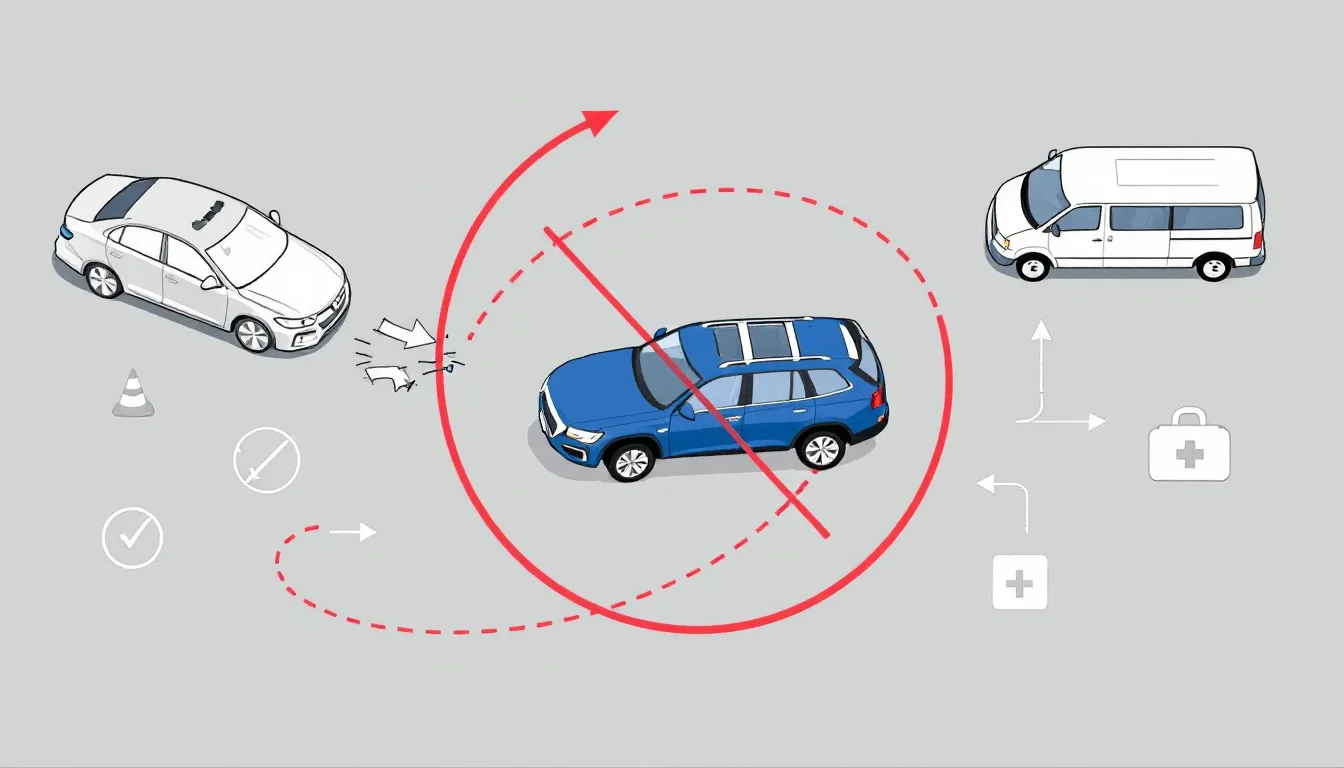
Top Insurance Company Tricks to Watch Out For

Insurance companies sometimes use common tricks to minimize your payout. In this article, we’ll break down 7 common insurance company tricks and how to protect yourself, ensuring you get the compensation you deserve.

Key Takeaways

  • Insurance companies often delay the claims process to push you towards accepting lower settlements. Stay vigilant and seek clarity on your claim.
  • Be cautious of quick, low-ball settlement offers. Always consult a professional to understand the value of your claim before accepting anything.
  • Don’t let insurers twist your words or discourage legal representation. Consulting an attorney can protect your rights and ensure you receive fair compensation.

Delaying the Claims Process

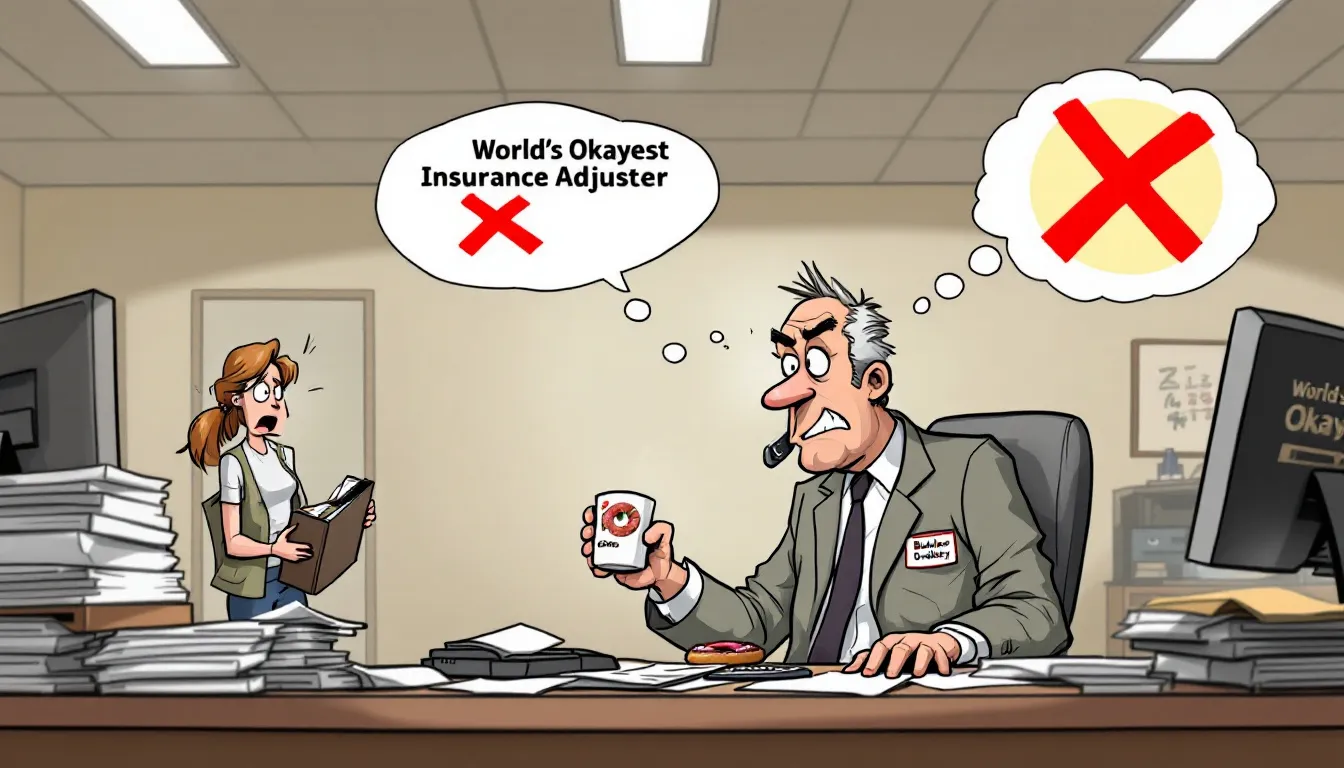
An illustration of an insurance adjuster delaying the claims process.

Insurance companies often engage in tactics that result in prolonged claims processes, utilizing various strategies designed to exhaust claimants and nudge them towards settling for a smaller amount.

When dealing with the repercussions of a motor vehicle incident, you might find these insurers not returning your calls or delaying responses to your inquiries, trapping you in an endless cycle of non-communication.

Insurance firms may deliberately distort the provisions within your insurance policy by incorrectly stating that certain medical treatments are not covered, creating confusion and stalling. They exacerbate this delay by repeatedly demanding unnecessary documentation.

The ultimate objective behind these maneuvers is to wear down claimants so they concede to accepting compensation that’s far less than what their claims are actually valued at. By deferring payments for medical expenses and other elements associated with your claim, they bet on your desperation for closure leading you to agree upon an undervalued settlement offer.

Offering Quick Low-Ball Settlements

A visual representation of low-ball settlement offers from insurance companies.

Offering quick, low-ball settlements, also known as the ‘Swoop and Settle,’ is another one of the common insurance company tricks. This involves making rapid offers to settle claims before victims can consult with an attorney, exploiting your immediate financial pressures and lack of understanding about your claim’s true value. Offering quick, low-ball settlements is one of the common tricks insurance companies use to minimize their payouts.

Adjusters often push for quick settlements before you fully understand your injuries or the long-term implications of the accident. Overwhelmed and desperate for financial relief, you may find yourself accepting less money than your insurance adjuster claim is worth.

Premature settlements can have dire consequences. Accepting an offer usually means waiving your right to additional compensation for future medical needs, leaving you to cover those expenses if your injuries are more severe than initially thought.

Take your time, consult with a professional, and fully understand the value of your claim before accepting any settlement offer.

Twisting Your Words

Insurance companies are adept at manipulating your statements to limit their payout. Agreeing to give a recorded statement post-accident can be deceptive, as adjusters might cherry-pick your comments out of context, suggesting that you were at fault or trivializing the extent of your injuries. Twisting your words is one of the common tricks insurance companies use to limit their payout.

For example, declaring “I felt fine right after the collision” could later serve as grounds for insurance representatives to claim that any sustained injuries aren’t significant. Your words may be misinterpreted. It’s wise to refrain from giving a recorded statement and seek guidance from an attorney who specializes in car accidents first.

Insurers could belittle the severity of your wounds in attempts to lower compensation amounts by misrepresenting them as minor or pre-dating the incident. By sharing only pertinent medical records associated with your current case, you help shield yourself against such strategies. Seeking advice from an expert offers additional protection against these manipulative tactics.

Insurance companies, aware that a seasoned lawyer can significantly increase the chances of securing an equitable settlement, often attempt to dissuade claimants from obtaining legal counsel. They may suggest that engaging an attorney is excessive or financially burdensome by providing deceptive advice about your entitlements in order to discourage you from pursuing professional assistance. Discouraging legal representation is one of the common tricks insurance companies use to minimize their payouts.

These companies might contend that getting a lawyer involved will only make the process more complicated and isn’t worth the expense associated with it. Seeking guidance from an attorney before handing over any medical records guarantees that no superfluous details are revealed.

Having legal representation on your side can help avoid undue delays and contribute to achieving just settlements after car accidents. A knowledgeable car accident attorney has the skills necessary to recognize and challenge underhanded strategies used by insurance firms, ensuring you get appropriate recompense for your losses. It’s crucial not to agree to any settlement proposals until you have had a consultation with a qualified attorney.

Contact 1-800-THE-LAW2 today for a free consultation with a car accident attorney in our professional network.

Requesting Unrelated Medical Records

Obtaining medical records that are not directly related to a claim is a frequent strategy. Insurance companies search through your health history attempting to discover pretexts for reducing their payout on claims, by pointing out unrelated health issues that could undermine the strength of your case. Requesting unrelated medical records is one of the common tricks insurance companies use to reduce their payouts.

Take, for instance, an individual with prior instances of back discomfort who submits a claim for a recent accident-related back injury. The insurance firm may contend that the injuries resulted from an existing condition instead of the incident in question, which would decrease their responsibility and resultantly diminish the compensation they receive.

To protect yourself, it’s advised to restrict access to only those medical records pertinent to your present claim. Seeking legal counsel can ensure that merely relevant details are shared while preserving both your privacy and enhancing the legitimacy of your claim.

Blaming Victims for Their Injuries

Insurance companies frequently attempt to deflect responsibility for accidents and injuries by placing the onus on the individual involved in a car accident. By asserting that you, as someone seeking a claim, have played a role in either causing the accident or exacerbating your own injuries, they seek to minimize their financial obligation. Blaming victims for their injuries is one of the common tricks insurance companies use to minimize their payouts.

These firms might suggest that you share some blame for the incident despite clear fault lying with another motorist. They may also challenge how serious or legitimate your injuries are by suggesting they existed before the crash or aren’t quite as critical as you’ve stated. Such disputes can lead not only to delays but potentially smaller payouts from them.

To combat these strategies employed by insurance companies, it’s crucial to get medical attention promptly after an accident and meticulously document all related injuries. Maintaining comprehensive records of treatments received, relevant medical bills incurred, and any associated receipts is imperative. This will fortify your position against allegations from insurers trying to attribute fault onto you regarding those very same injuries.

Surveillance Tactics

Insurers may employ surveillance strategies to collect evidence that undermines your injury claims. These companies often engage private investigators who keep tabs on your daily movements, searching for actions inconsistent with the injuries you’ve reported. Surveillance tactics are one of the common tricks insurance companies use to undermine your injury claims.

Should you be recorded engaging in physical exertion or heavy lifting despite alleging a severe back injury, this visual proof could serve as leverage for insurance providers to diminish the severity of your condition and consequently reduce any potential compensation.

To safeguard against such intrusions and ensure the validity of your claim remains intact, it’s wise to limit social media activity following an accident. By doing so, you prevent posts or images from being taken out of context and used detrimentally by insurers aware that you’re under their watchful eye.

Denying Insurance Coverage or Downplaying Liability

Insurance companies often resort to denying insurance coverage or downplaying liability to avoid paying out claims. They might argue that the accident isn’t covered under the policy or that the car accident victim shares a significant portion of the blame. For instance, they could claim that the policyholder wasn’t operating the vehicle at the time of the accident, thereby denying coverage.

When discussing the accident with an insurance adjuster, it’s crucial to be cautious. Insurance companies may use various arguments to downplay liability, such as suggesting that the car accident victim was speeding or distracted at the time of the incident. Before speaking with an insurance adjuster, it’s wise to consult a car accident lawyer to ensure your rights are protected and to avoid inadvertently saying something that could be used against you.

Withholding Evidence and Critical Information

Another tactic insurance companies use is withholding evidence and critical information to deny or reduce claims. They might claim that the evidence is privileged or irrelevant to the case, making it difficult for you to prove your claim. This can be particularly frustrating when you’re trying to recover from a car accident and need fair compensation.

Hiring a lawyer can be instrumental in recovering withheld evidence and ensuring that the insurance company isn’t hiding anything. Insurance companies may use various tactics to withhold evidence, such as claiming it is confidential or unavailable. Being aware of these tactics and seeking legal help can ensure that you receive the compensation you deserve.

Building a False Sense of Trust

Insurance companies may try to build a false sense of trust with car accident victims to gain their confidence. They often use friendly and sympathetic language to make you feel comfortable and trusting. However, this is often a tactic to get you to let your guard down and reveal information that can be used against you.

It’s important to be cautious when dealing with insurance companies and not reveal too much information without consulting a lawyer. This tactic can be used to get you to accept a low settlement offer or to deny your claim altogether. Always remember that the insurance company’s primary goal is to minimize their payout, not to look out for your best interests. Consulting with a lawyer can help you navigate these interactions and ensure you receive fair compensation.

Summary

Navigating the insurance claims process can be a minefield, but being aware of these common tricks can help you protect yourself and ensure you receive the compensation you deserve. From delaying the claims process and offering lowball settlements to twisting your words and discouraging legal representation, insurance companies employ a variety of tactics to minimize their payouts. Being aware of these common tricks insurance companies use can help you protect yourself and ensure you receive the compensation you deserve.

Remember, you don’t have to face this battle alone. Consulting with an experienced attorney can help you navigate these challenges and secure a fair settlement. Stay informed, stay vigilant, and don’t let insurance companies take advantage of you.

Frequently Asked Questions

How do insurance companies delay the claims process?

Insurance companies can delay the claims process by not returning calls, keeping you uninformed about your claim status, requesting excessive documentation, and misrepresenting insurance policy details.

Stay persistent and keep pushing for clarity to ensure your claim is processed effectively!

What is the ‘Swoop and Settle’ tactic?

The ‘Swoop and Settle’ tactic is a strategy used to make fast offers to settle claims, often catching victims off guard before they have a chance to seek legal advice.

It’s crucial to be aware of this tactic so you can protect your rights and ensure you make informed decisions.

Why should I avoid providing a recorded statement to an insurance adjuster?

It is essential to steer clear of giving a recorded statement to an insurance adjuster as they may misconstrue or manipulate what you say, which could detrimentally affect your claim.

To safeguard your interests, exercise prudence and consider obtaining expert guidance before engaging in conversation with them.

Why do insurance companies discourage legal representation?

Insurance companies discourage legal representation to minimize payouts and often mislead victims about their rights.

It’s crucial to advocate for yourself and seek the support you deserve!

How can I protect my claim against insurance company tricks?

To effectively protect your claim against insurance company tricks, consult an experienced attorney and carefully document all injuries.

Remember to limit the medical records you share and stay vigilant about potential surveillance.

When Will Workers Comp Offer a Settlement? Key Factors and Timelines Explained

If you’re asking, ‘When will workers comp offer a settlement?’ in your workers’ comp case, the answer typically hinges on your reaching Maximum Medical Improvement (MMI). Factors like injury severity, medical treatment needs, and any legal disputes also play a role. In this article, we break down these factors so you can understand and anticipate when a settlement offer might come.

Key Takeaways

  • Workers’ compensation settlements expedite financial support for injured workers, covering medical expenses and lost wages, either as a lump sum or structured payments.
  • Settlement offers are influenced by factors such as the injury’s severity, the worker’s medical condition, and legal disputes within the workers’ comp claim; they typically arise after maximum medical improvement is reached.
  • Evaluating the fairness of a settlement involves assessing future medical expenses and lost wages, with legal advice crucial to ensure comprehensive compensation.

Understanding Workers’ Compensation Settlements

Workers’ compensation settlements are arrangements made between injured workers and insurance companies to provide financial remuneration for injuries sustained on the job. The workers’ compensation insurance company plays a crucial role in managing these settlements and determining the financial remuneration for injuries sustained on the job. The purpose of these workers comp settlements is to take care of medical bills and compensate for wages lost due to inability to work, among other related expenses. This process aims to circumvent court cases while ensuring that injured employees obtain the necessary monetary aid without having to resort to legal action. Such agreements can come as a one-off lump sum payment given all at once or as structured payouts spread over an agreed period.

Before agreeing to any settlement proposal from the insurance company, it’s critical for affected individuals to assess potential disadvantages such as forfeiting future claims linked with their workplace injury. Insurance firms often opt in favor of offering a settlement because it helps them manage risks better by limiting long-term liabilities thus presenting benefits under certain circumstances.

Awareness about how and when these offers arise empowers employees who have suffered from work-related harm in making well-rounded choices regarding whether they should accept proposed settlement terms.

What is a Workers Comp Settlement?

A workers’ compensation settlement is a lump sum payment offered by the insurance company to resolve a workers’ compensation claim. This settlement amount is typically calculated based on the anticipated costs to the insurance company rather than the injured worker’s actual needs. The primary goal for the insurance company in offering a settlement is to avoid the ongoing costs associated with future medical expenses and lost wages.

When an injured worker accepts a settlement offer, they essentially agree to take responsibility for any future medical expenses and lost wages related to their injury. This means that while the lump sum payment can provide immediate financial relief, it also requires careful consideration of long-term medical and financial needs. Understanding the full implications of accepting a workers’ compensation settlement is crucial for making an informed decision.

Factors Influencing When Will Workers’ Comp Offer a Settlement

Several factors influence when a workers’ compensation settlement offer might be made in a workers comp claim. These include the nature and severity of the work injury, the injured worker’s medical condition, and any legal disputes related to the claim. Often, settlements are more likely in cases involving permanent impairment or disputes over the injury or benefits.

Insurance companies often aim to settle claims before the injured worker reaches maximum medical improvement (MMI) to mitigate future costs. Delays in settlements can occur due to ongoing negotiations, unresolved medical issues, or disputes concerning benefits.

Being aware of these factors can help injured workers anticipate and prepare for a settlement offer.

Reaching Maximum Medical Improvement (MMI)

The attainment of Maximum Medical Improvement (MMI) is a crucial point in the workers’ compensation journey. This phase indicates that an injured worker’s health has reached a level where medical intervention is not expected to produce substantial improvements. At this juncture, individuals may qualify for Impairment Income Benefits (IIB), forming part of their compensatory entitlements. Settlement offers from workers’ compensation insurance adjusters occur post-MMI or amid the appeal proceedings.

Nevertheless, arriving at MMI doesn’t automatically result in a settlement proposal since disputes over injury severity or treatment adequacy can still surface. The gravity of the injuries along with assessments related to long-term disabilities can affect when an offer might be made subsequent to reaching MMI.

Insurance companies often opt to resolve claims prior to claimants achieving MMI as a strategic move to curb prospective future expenses associated with the medical condition and recovery process, a common practice for a workers’ compensation insurance company.

Severity of Injury and Medical Treatment

The gravity of an injury, along with the expected duration of recuperation, are critical factors that influence when a settlement offer may be presented in a workers comp case. Injuries necessitating significant medical treatments and extended periods for recovery can result in escalating medical costs and the need for continuous care. Insurance companies concerned about claim expenses might propose a settlement prior to achieving Maximum Medical Improvement (MMI) due to these financial considerations.

Workers who have sustained serious injuries or require intricate medical procedures may find that there is a delay in receiving settlement offers while insurance companies evaluate the totality of their medical requirements and projected future costs. Understanding how injury severity and requisite medical treatments affect this process can enable injured workers to more accurately predict when they might receive settlement proposals from insurance firms.

Insurance companies frequently reassess their position on settling claims when faced with disputes regarding the degree of injuries or the calculation of benefits in a workers comp claim, often leading to consideration of settlement offers. Insurance company defenses are a typical reason for refusing a workers’ compensation claim.

As trial dates loom, mediation sessions become instrumental in resolving disputes and may result in settlement offers being made. Engaging an experienced lawyer can be vital if you face a denial of your workers’ compensation claim. They can guide you through the appeals process and help secure a fair settlement. It is possible that settlement offers may be presented during an appeal against a rejected claim.

Employee Factors

Several employee factors can significantly influence the likelihood of receiving a workers’ compensation settlement. These include:

  • Severity and Permanence of the Injury: More severe and permanent injuries often lead to higher settlement offers due to the long-term impact on the worker’s life and ability to work.
  • Impact on Job Performance: If the injury affects the worker’s ability to perform their job, this can increase the likelihood of a settlement as it underscores the need for compensation.
  • Cost of Ongoing Medical Care: High medical expenses and the need for continuous treatment can prompt insurance companies to offer a settlement to avoid future costs.
  • Future Medical Expenses and Lost Wages: The potential for ongoing medical expenses and lost wages plays a critical role in settlement negotiations.
  • Worker’s Age and Overall Health: Younger workers or those in good health may receive different settlement considerations compared to older workers or those with pre-existing conditions.

Injured workers who are represented by experienced workers’ compensation attorneys are more likely to receive settlement offers. These attorneys can effectively negotiate on behalf of the worker, ensuring that all future medical needs and lost wages are adequately considered. Additionally, workers who have reached Maximum Medical Improvement (MMI) and have a clear understanding of their future medical needs are in a stronger position to receive and evaluate settlement offers.

Employer Factors

Employer factors can also significantly influence the likelihood of a workers’ compensation settlement. These include:

  • Insurance Company and Settlement Policies: The employer’s insurance company and their specific policies regarding settlements can impact the timing and amount of settlement offers.
  • Employer-Worker Relationship: A positive relationship between the employer and the injured worker can facilitate smoother negotiations and quicker settlements.
  • Desire for Quick Resolution: Employers who wish to resolve claims quickly and efficiently may be more inclined to support settlement offers.
  • Business Impact Concerns: Employers concerned about the impact of the claim on their business operations and insurance premiums may prefer to settle claims to mitigate long-term costs.

Employers who proactively manage their workers’ compensation claims and maintain open communication with their injured workers are more likely to resolve claims through settlement. This approach not only helps in reaching a fair settlement but also fosters a supportive environment for the injured worker’s recovery.

When to Expect a Workers’ Comp Settlement Offer

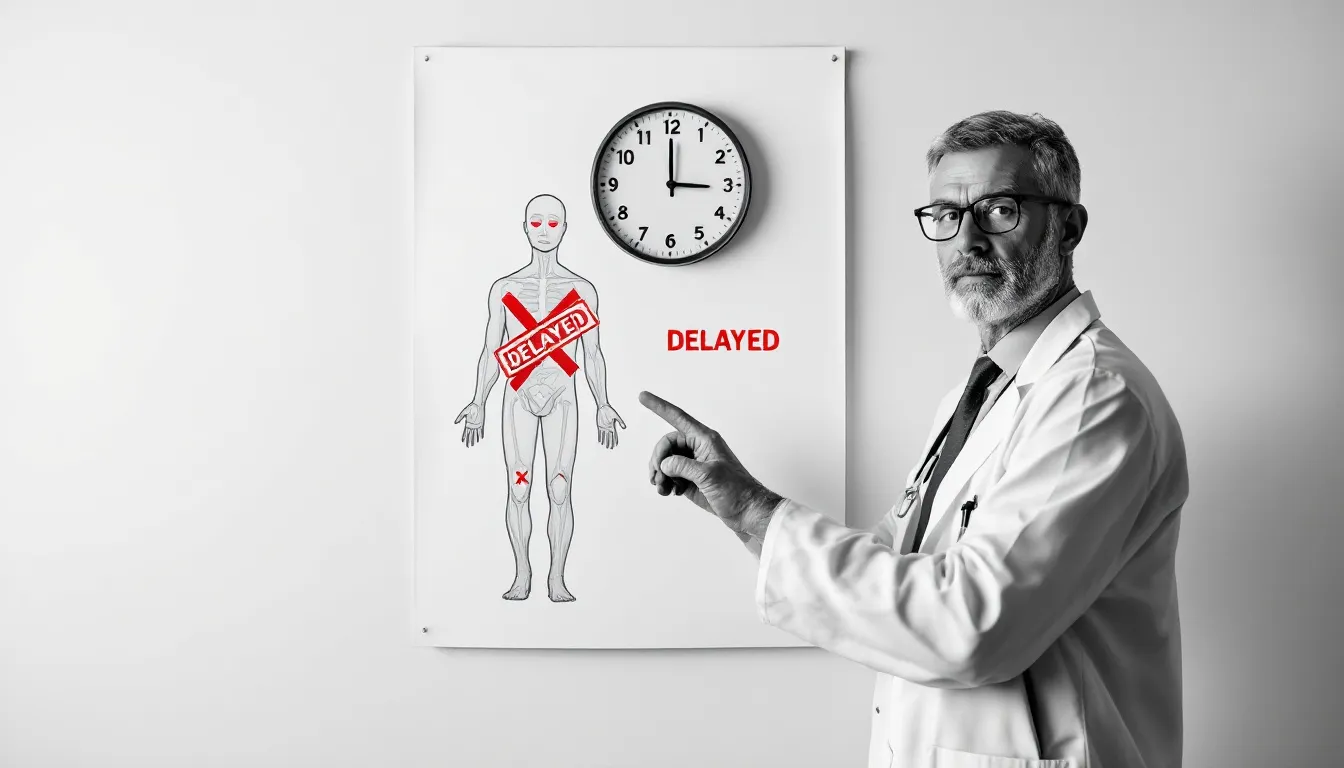
A representation of the process of receiving a workers' comp settlement offer.

Typically, it takes about one to one and a half years from the moment an injured worker files for workers’ compensation to when they receive an offer of settlement. During mediation sessions, a workers’ compensation insurance company often proposes a settlement once the employee has achieved Maximum Medical Improvement (MMI) and prior to the case proceeding to trial. A majority of these claims are settled following the stabilization of the worker’s medical condition.

Offers for settlements are commonly made at pivotal moments within the claims process, as this is when both parties have a clearer understanding of what might result from ongoing proceedings. Understanding when such offers tendentially occur can assist injured employees in better orchestrating their financial plans and healthcare needs moving forward.

After Medical Stabilization

It is essential to reach a point of medical stabilization, where the condition of an injured worker has stabilized before assessing settlement evaluations in a workers comp claim. Typically, settlement offers are extended once medical treatment concludes or when Maximum Medical Improvement (MMI) is attained. To settle claims and circumvent potential future expenses, insurance adjusters frequently put forth a workers’ compensation settlement after the completion of medical care.

Taking a workers’ compensation settlement can bring about certainty and diminish the uncertainties associated with legal proceedings. It enables those who have sustained injuries on the job to concentrate on recuperating without being weighed down by ongoing legal disputes while carefully considering any prospective workers comp offer that might emerge.

During Mediation or Before Trial

As the trial date approaches, a workers’ compensation insurance company often reconsiders its position on claim settlements. Mediation sessions provide an opportunity for both sides to engage in negotiations with the aim of reaching a settlement prior to going to court. This process can not only prevent escalated litigation expenses but also potentially result in a more beneficial resolution.

It is advisable for injured workers to pursue a free consultation with a lawyer who has considerable experience. Doing so will assist them in effectively navigating through mediation and ensuring they receive a fair settlement offer.

Types of Workers Comp Cases That Are Most Likely to End in a Settlement

Certain types of workers’ compensation cases are more likely to end in a settlement. These include:

  • Serious, Permanent, or Catastrophic Injuries: Cases involving severe injuries that result in long-term or permanent disability are often settled to provide the injured worker with financial stability.
  • Occupational Diseases: Conditions developed due to prolonged exposure to harmful substances or environments at work are typically settled to cover ongoing medical treatments.
  • Ongoing Medical Care: Cases requiring continuous medical care and treatment are more likely to be settled to avoid future medical expenses.
  • Inability to Return to Work: If the injury prevents the worker from returning to their previous job, a settlement can provide compensation for lost earning capacity.
  • Maximum Medical Improvement (MMI): Once a worker reaches MMI and has a clear understanding of their future medical needs, settlements become more likely as both parties can better assess the long-term impact of the injury.

Injured workers experiencing any of these scenarios should consult with an experienced workers’ compensation attorney. An attorney can provide valuable guidance on the best course of action for their claim, ensuring that the settlement offer is fair and comprehensive, covering all future medical and financial needs.

Evaluating the Fairness of a Settlement Offer

Evaluating the fairness of a settlement offer in a workers' compensation case.

It is essential to carefully assess a workers’ compensation settlement offer to guarantee that the injured worker gets appropriate compensation for their injuries and future requirements in a workers comp case. Insurance companies usually strive to settle with the lowest possible amount, often presenting initial offers that are insufficient to meet the expenses associated with the injury. Injured workers need to contemplate if the proposed settlement sum will prevent subsequent monetary hardships.

An equitable settlement proposal ought to include payment for prior and forthcoming medical expenditures, missed income due as well as any other costs stemming from the injury. Seeking counsel from an experienced workers’ compensation attorney can provide crucial guidance and assistance in determining whether a workers’ compensation settlement offer is comprehensive and just.

Assessing Future Medical Expenses

Ensuring that the cost of future medical treatment is taken into account is essential, as it prevents injured workers from bearing the brunt of ongoing care costs post-settlement. Many opt to wait to achieve Maximum Medical Improvement (MMI) before fully understanding their needs for future medical care. Once MMI is reached, insurance companies can more precisely evaluate the necessities and associated expenses of medical treatment, leading to settlement offers that reflect a truer valuation.

Settlement proposals tend to be higher in cases involving permanent disabilities since they need to compensate for lasting effects on an employee’s earnings potential. Securing a settlement that sufficiently covers expected future medical expenses not only delivers financial security but also assures peace of mind knowing long-term health-related costs are addressed.

Considering Lost Wages and Permanent Disability

When determining the value of a claim in a workers’ compensation case, it is common for workers’ compensation settlements to take into account any wages lost. Injured employees may experience substantial income reduction during their recovery period, which can strain their financial capacity to manage expenses and provide for their dependents. Workers comp claims often involve intricate details that need meticulous attention to secure just recompense.

Financial assistance through permanent disability benefits is available for those who are unable to return to the job they held prior to sustaining lasting injuries. It’s imperative that an accurate evaluation of how much a permanent disability will affect an individual’s ability to earn in the future be conducted.

In assessing workers’ compensation settlements, incorporating consideration of both missed earnings and possible long-term disability advantages is vital. This ensures that all monetary requirements stemming from the injury are fully understood and addressed.

Consulting with an Experienced Workers’ Compensation Attorney

A skilled attorney can adeptly negotiate to make sure that a settlement addresses all elements of a claim, such as future medical care and potential lost income. Engaging with an attorney who is seasoned in workers’ compensation guarantees that the settlement proposal you receive is equitable and thorough, taking into account every relevant factor to ensure fairness and adequacy.

Typically, having legal representation results in more favorable outcomes for injured workers when it comes to workers’ compensation settlements. It’s advisable for those who have sustained injuries at work to take advantage of a free consultation from an experienced lawyer in order to effectively manage the intricacies involved in their claims.

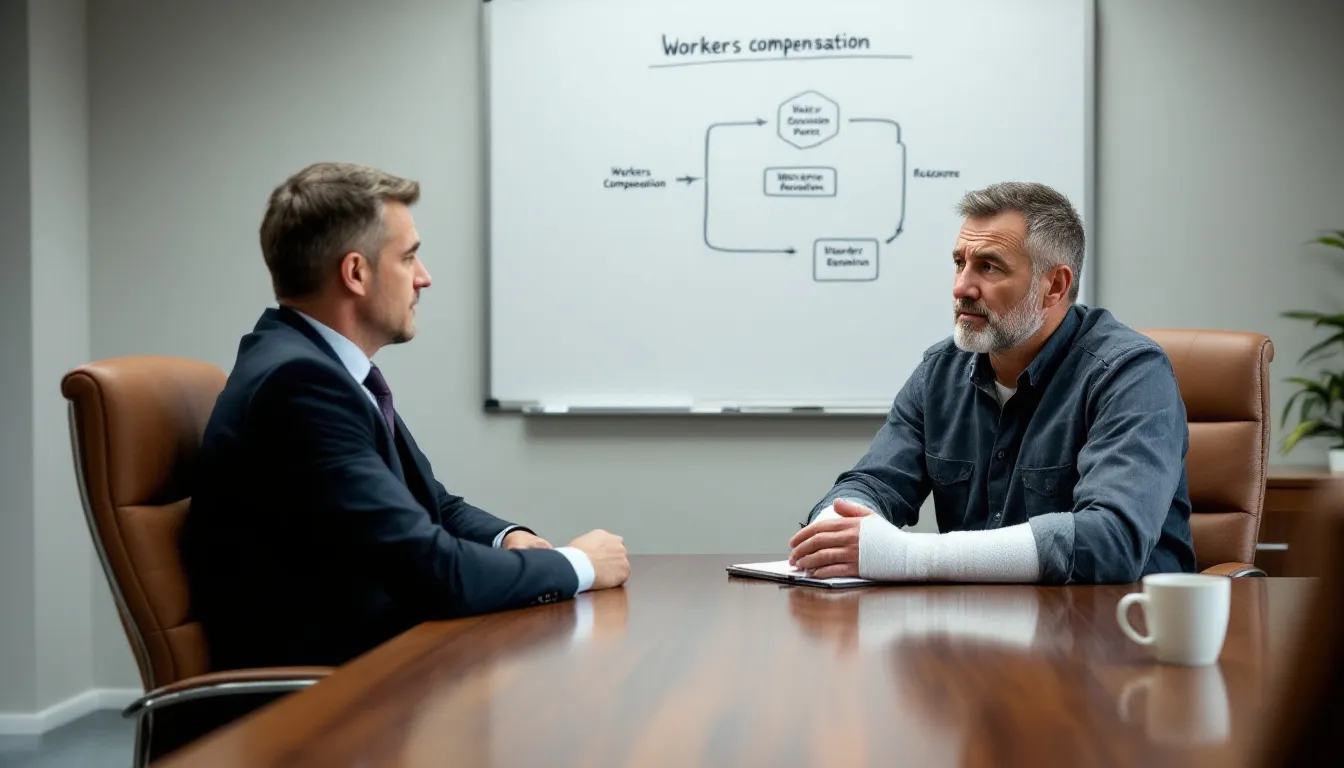
Legal advice being offered to an injured worker regarding their workers' compensation claim.

Engaging a proficient attorney who specializes in workers’ compensation can greatly enhance the results of your claim, as they help ensure adherence to state regulations and handle crucial paperwork. Having legal representation acts as a deterrent against insurance companies that might otherwise attempt to strong-arm you, potentially leading to more favorable settlement offers. These attorneys are adept at negotiating settlements designed both to limit the insurer’s financial exposure and safeguard their client’s rights.

Before agreeing to any settlement offer from an insurance company for workers’ compensation, it’s wise to seek advice from an experienced lawyer. This ensures that the proposed amount adequately accounts for future medical costs and other related losses. An attorney with expertise in this field will assist in scrutinizing these proposals thoroughly, helping prevent expensive issues down the line while providing a thorough grasp of all aspects involved in your claim.

Contact 1-800-THE-LAW2 today for a free consultation with a workers’ compensation attorney in our professional network.

The Process for Receiving a Workers’ Compensation Settlement in California

The process of receiving a workers' compensation settlement in California, with a blurred image of a consultation.

In the state of California, initiating a workers’ compensation claim requires an injured worker to report their injury to their employer within a 30-day period. Following this, it is the duty of the employer to notify the Division of Workers’ Compensation by submitting an injury report.

There are two main categories for workers’ compensation settlements in California: ‘Stipulation and Award’ and ‘Compromise and Release’. The former includes provisions for continuing medical treatment related to the injury, while the latter concludes with a one-time lump sum payment that finalizes the case. Typically, when reaching a Compromise and Release agreement, insurance companies disburse settlement funds within 30 days. Conversely, should the resolution be reached through the Stipulation and Award method? Permanent disability payments are made on a weekly basis to injured employees.

Should there be Development in their condition resulting from original injuries sustained at work? Under ‘Stipulation & Awards,’ affected individuals retain rights allowing them to resubmit claims up until five years post-settlement – though options become limited after accepting ‘Compromise & Releases.’’ Understanding these distinct pathways toward settling claims is vital as they equip injured parties with knowledge essential for making choices regarding how best to proceed regarding personal circumstances surrounding each unique situation involving worker’s compensation cases.

Summary

Understanding the intricacies of the workers’ compensation settlement process is crucial, including knowledge about how settlement timing is affected, the significance of achieving Maximum Medical Improvement (MMI), and the necessity for competent legal counsel. Informed injured workers are better equipped to predict when a settlement offer may come and assess its adequacy. Having legal representation is essential in securing an all-encompassing and equitable workers’ compensation settlement that offers the financial stability needed by injured employees during their recovery and as they progress beyond their injury.

Frequently Asked Questions

When is a workers’ compensation settlement offer typically made?

When will workers’ comp offer a settlement? A workers’ compensation settlement offer is typically made after the injured worker reaches maximum medical improvement (MMI), often during mediation or just before a trial. This timing ensures that the full extent of the injury and its impact are understood.

What factors influence when will workers’ comp offer a settlement?

Primarily, the point at which an offer for a workers’ compensation settlement is made hinges on several key factors: the severity of your injury, how much medical treatment you require, whether or not you have achieved Maximum Medical Improvement (MMI), and if there are any existing disputes or legal issues connected to your claim.

Grasping these elements can greatly enhance your ability to manage the process involved in securing a settlement from workers’ compensation.

How can I ensure that a settlement offer is fair?

To ensure a fair settlement, evaluate all medical expenses, lost wages, and potential future costs.

Consulting with an experienced workers’ compensation attorney can significantly enhance your negotiation outcomes.

What is Maximum Medical Improvement (MMI) and why is it important?

Maximum Medical Improvement (MMI) is the stage when an injured worker’s health has stabilized and further treatment is unlikely to yield significant benefits.

Understanding MMI is essential for accurately evaluating potential settlements in workers’ compensation cases.

What are the different types of workers’ compensation settlements in California?

In California, you can choose between two types of workers’ compensation settlements: ‘Stipulation and Award,’ which ensures ongoing medical care and weekly payments for permanent disability, or ‘Compromise and Release,’ which offers a lump sum payment that finalizes the case.

Each option has distinct implications for your ongoing care and financial support.

What You Need to Know About a Slip and Fall at Work

If you’ve slipped and fallen at work, knowing your next steps is crucial after a slip and fall at work. This article will guide you on immediate actions, documentation, and rights to compensation.

Key Takeaways

  • Slip and fall accidents at work are significant safety concerns, often leading to severe injuries and financial repercussions for both employees and employers.
  • Immediate actions after a slip and fall, such as seeking medical attention, documenting the scene, and reporting the incident, are crucial for successfully filing a claim and protecting rights.
  • Employers can prevent slip and fall incidents by implementing safety protocols, conducting regular inspections, and providing employee training programs to foster a safety-conscious workplace culture.

Understanding Slip and Fall Accidents at Work

An illustration showing a person slipping on a wet floor at work, representing a slip and fall accident.

An individual may experience a slip and fall accident when they lose their footing and tumble due to unsafe conditions on another person’s property.

In work environments, such incidents often result in serious injuries that include:

  • broken wrists
  • broken arms
  • broken hips
  • more extreme outcomes like lasting disabilities

The repercussions of sustaining a slip and fall injury can be extensive, leading to substantial medical expenses and difficulties impacting one’s professional and personal life.

Recognizing the characteristics of these accidents is crucial for both prevention and intervention strategies.

Slip and fall incidents should not be regarded as rare events. Rather, they pose a serious risk within workplace safety protocols. Hazards like wet or slippery surfaces are common culprits behind such misfortunes, thereby highlighting the importance of employers ensuring their premises remain hazard-free.

By becoming familiar with frequent causes and related data concerning these mishaps, both workers and business owners can actively engage in measures aimed at diminishing their frequency.

Common Causes of Workplace Slip and Falls

Accidents involving slips and falls in the workplace can arise from numerous overlooked hazards. Common factors contributing to these incidents include wet floors, irregular surfaces, and inadequate lighting that unexpectedly precipitate a person’s slip, potentially leading to harm. Work areas cluttered with debris or loose cables also pose risks for trips and falls, highlighting the importance of maintaining cleanliness and organization. Highlighting the importance of maintaining cleanliness and organization, it is crucial to address property owner’s negligence to prevent such accidents.

Staircases are particularly prone to being sites of slip-related accidents. Stairs in disrepair with issues such as wobbly steps or damaged handrails may lead to grave injuries if not remedied promptly. It is vital for employers to perform regular safety checks aimed at identifying and correcting these dangers. The use of clear signage warning against wet floors and other potential threats plays an essential role in accident prevention.

By taking preventative actions, employers have the power to lessen many risks associated with slips and falls on their premises. Steps such as immediate spill cleanup, ensuring obstruction-free pathways, and performing consistent safety evaluations are fundamental procedures that should be adhered to rigorously. Crafting an all-encompassing plan specifically designed to prevent slips and falls will markedly diminish the likelihood of workplace mishaps while bolstering overall employee well-being.

Statistics on Workplace Slip and Fall Injuries

The number of fatalities resulting from workplace slip and trip incidents in the United States is strikingly high, with over 17,000 deaths each year attributed to such accidents. The Bureau of Labor Statistics notes that slips, trips, and falls contribute to a significant portion—between 15% and 25%—of all nonfatal injuries on the job, making them some of the most common mishaps employees encounter.

In terms of specific data from 2020, slips, trips, and falls were responsible for approximately 18% of the total reported nonfatal occupational injuries amounting to 1.176 million cases that led to workers taking time off work. These figures serve as a stark reminder of how essential it is for businesses to implement robust safety protocols and educational initiatives aimed at minimizing slip-and-fall-related hazards within workplaces. Recognizing these facts underscores just how vital it is for organizations to take proactive steps toward reducing fall injury risks among their staff.

Steps to Take Immediately After a Slip and Fall Accident

In the event of a slip and fall incident, the actions you take immediately afterward can greatly influence your ability to pursue compensation and safeguard your legal rights. It is essential first to obtain medical attention in order to properly identify any injuries sustained and ensure they are recorded medically. This step not only prioritizes your well-being but also produces important documentation for your fall claim, especially in cases of traumatic brain injury.

It’s equally important to meticulously record details at the scene of the accident. By gathering tangible evidence like photographs, video footage, and accounts from witnesses, you create a solid foundation that can demonstrate what happened during the slip and fall as well as potentially prove negligence on another party’s part.

Lastly, it is imperative that you report this occurrence promptly to your employer. Doing so establishes an official log of events and begins the process for workers’ compensation claims if applicable. Keep in mind that there are deadlines associated with filing a claim after experiencing a slip-and-fall accident. Acting swiftly ensures compliance with these time constraints.

Seek Medical Attention

Immediately after experiencing a slip and fall accident, it is imperative to seek medical attention. Prompt treatment not only helps in managing your injuries but also serves to officially record them. Make sure you let the doctor know that the injury occurred as a result of an incident at work so that this information is accurately captured in your medical records—a crucial detail when submitting a compensation claim.

Typically, within the framework of workers’ compensation, employers have the prerogative to select which physician will attend to your injuries unless it’s an urgent situation. Regardless of whether you perceive your injuries as mild or significant, obtaining immediate medical attention remains essential for both facilitating healing and bolstering any future claims for workers’ compensation benefits.

Document the Accident Scene

To construct a compelling case, it’s imperative to meticulously document the site of the accident. Accumulate substantiating materials like photographs and videos that depict unsafe conditions in order to establish proof of negligence. Compile statements from observers who witnessed the event. These will reinforce your narrative and confirm whether property owners were cognizant of the danger.

Acquiring incident reports prepared by managers or proprietors can yield pertinent insights, encompassing specifics regarding the mishap, testimony from witnesses, and initial responsive measures implemented. Maintenance records that demonstrate the regularity of checks performed and attention to known dangers can bolster your assertion further.

Report the Incident to Your Employer

It is imperative to inform your employer about the slip and fall incident as soon as possible in order to establish an official record. This action is vital for your workers’ compensation claim, and neglecting to report the event promptly could risk compromising your qualifications.

To guarantee an appropriate reaction and safeguard your rights, it’s important that you notify your employer without delay.

Proving Employer Negligence in Slip and Fall Cases

A courtroom scene depicting a slip and fall case being presented, highlighting the importance of proving negligence.

Demonstrating an employer’s failure to fulfill their responsibility is key in a slip and fall case in situations where workers’ compensation benefits may not be available, especially when severe outcomes like spinal cord injuries are involved. It’s essential to establish that the employer was responsible for maintaining safety, failed to do so, and as a result of this failure, you were injured. To effectively navigate through these requirements, detailed record-keeping is vital along with the counsel of an experienced personal injury attorney.

Taking swift measures following your slip and fall incident is imperative. Neglecting to initiate legal action before the expiration of the statute of limitations can lead to your claim being barred. With the assistance of an experienced attorney well-versed in such cases, you’ll be able to compile all necessary proof while they work towards securing a just compensation for your damages.

Gathering Evidence

Gathering evidence is key to proving negligence. Crucial evidence includes photographs, witness statements, incident reports, and medical records. Documenting the scene and securing witness accounts establish the circumstances that led to the fall. Medical documentation is particularly important, as it serves as key evidence supporting your injury claims.

If you couldn’t document the scene immediately, have someone else take pictures. Efficiently gathering and preserving evidence is vital to proving negligence.

Establishing Liability

Establishing liability involves proving the property owner had a duty to maintain a safe environment, breached it, and this breach caused your injuries. This often requires showing the hazardous condition existed for a significant period, implying the property owner’s negligence.

In premises liability claims, you must prove duty of care, breach, causation, and damages. Long-standing hazardous conditions can establish liability even if the owner claims unawareness. Employers may be held liable if they knew or should have known about the hazard.

Filing a Workers’ Compensation Claim

An illustration showing the process of filing a workers' compensation claim after a slip and fall injury.

After experiencing a slip and fall at the workplace, it is essential to file a workers’ compensation claim. This type of insurance offers various benefits such as coverage for medical treatment, rehabilitation services, and partial restitution for lost wages. Typically, employees can apply for these benefits regardless of who was at fault in the incident, allowing them to recover compensation without resorting to legal action against their employer.

The complexity involved in these claims may differ. Some are relatively simple while others might necessitate going through an appeals process. Being well-versed in the eligibility requirements and following the correct procedures when submitting your claim is vital to ensure you secure the benefits you are entitled to.

Eligibility for Workers’ Compensation

To qualify for workers’ compensation, it is crucial to report the injury promptly. The permissible period for reporting a workplace injury can be quite brief, varying from three to four days depending on the state’s regulations. Specifically, in New Jersey, you are required to report a slip and fall injury within 14 days if you want to maintain eligibility for workers’ compensation benefits.

These benefits provided by workers’ compensation include coverage of medical expenses and partial compensation for lost wages. They do not account for the pain and suffering endured by the victim. Consequently, individuals may encounter economic difficulties due to continued medical expenditures and potential income loss resulting from their fall injury.

The Claims Process

Initiating a workers’ compensation claim begins with informing your employer about the incident. You’re required to complete certain documents, and then your employer is obligated to forward the claim within a 10-day period. The deadlines for submitting these claims are not uniform across all states. Take California as an example, where you possess up to one year to lodge your claim.

Depending on the unique details of your situation, navigating through this process may range from being fairly direct to rather complex. Some slip and fall incidents might reach resolution within merely months. Others could extend over a more protracted duration. Grasping each step involved and collaborating with an experienced attorney has the potential not only to expedite proceedings but also enhance prospects for achieving a favorable outcome.

Dealing with Claim Denials

Claim denials can be frustrating, but they are not the end of the road. If your workers’ compensation claim is denied, you can appeal. Note that compensation may be reduced if you are found partially at fault for the accident.

Consulting an experienced attorney can help you navigate the appeals process and seek fair compensation.

Should the benefits of workers’ compensation prove inadequate or your claim be rejected, you have other legal avenues to consider. Occasionally, if a third party’s carelessness contributed to your accident, it could form the basis for securing damages. A slip and fall lawyer can guide you in investigating these alternatives and striving for the fullest possible recompense.

In situations where an injury is inflicted through deliberate or rash behavior by someone else, employees might choose to initiate legal proceedings against this third party. Being aware of both your entitlements and obligations is vital when deciding whether to embark on extra-judicial measures.

Third-Party Liability Claims

If your injury was the result of a third party’s negligence, you could be entitled to extra compensation through third-party liability claims. This is possible even after accepting workers’ compensation benefits for the incident that occurred due to unsafe conditions caused by someone else. To make sure you are justly compensated, it’s crucial to seek advice from an experienced personal injury attorney.

Should an employee suffer injuries because of deliberate or careless acts committed by another, they have the right to initiate legal action against this external party. Aiming for a third-party liability claim might help in obtaining recompense for medical bills, lost income, and various other losses that aren’t typically covered under workers’ compensation provisions.

Personal Injury Lawsuits

In cases where personal injury lawsuits extend beyond the scope of workers’ compensation, engaging an experienced personal injury attorney is beneficial. Such a lawyer plays a crucial role in collecting evidence, negotiating with insurance entities, and formulating a robust legal claim. The potential damages addressed through this process include medical expenses incurred from injuries, loss of income due to inability to work, enduring pain and suffering as well as reduced life quality.

The amount compensated typically hinges on factors like the gravity of injuries sustained, overall medical costs involved and the degree of fault established. Some disputes may reach settlements out of court. Others might necessitate going through trial proceedings to secure just recompense.

Enlisting services from a comprehensive full-service law firm offers vital assistance during every stage of these complex legal endeavors.

The Role of OSHA in Work Safety

The Occupational Safety and Health Administration (OSHA) plays a crucial role in ensuring work safety by setting and enforcing standards, providing training and outreach, and conducting inspections to prevent workplace injuries and illnesses.

Understanding OSHA Standards

OSHA standards are designed to protect workers from hazards in the workplace. These standards cover a wide range of topics, including fall protection, electrical safety, and hazardous materials handling. Employers are required to comply with OSHA standards and regulations to ensure a safe working environment for their employees.

Employer Responsibilities Under OSHA

Employers have a responsibility to provide a safe working environment for their employees. This includes identifying and controlling hazards, providing training and personal protective equipment, and ensuring that employees follow safety procedures. Employers must also report workplace injuries and illnesses to OSHA and maintain accurate records of workplace incidents.

If you have been injured in a slip and fall accident, it is essential to seek legal help from an experienced personal injury attorney. An attorney can help you navigate the complex process of filing a slip and fall claim and ensure that you receive the compensation you deserve.

When to Consult an Attorney

You should consult an attorney as soon as possible after a slip and fall at work accident. An attorney can help you understand your rights and options, gather evidence, and negotiate with insurance companies. It is essential to act quickly, as there may be time limits for filing a claim. Additionally, an attorney can help you determine whether you have a valid slip and fall claim and what damages you may be entitled to.

Some key points to consider when seeking legal help from an experienced personal injury attorney include:

  • Experience: Look for an attorney with experience handling slip and fall cases.
  • Knowledge: Ensure that the attorney has knowledge of OSHA standards and regulations.
  • Communication: Choose an attorney who is responsive and communicative.
  • Reputation: Research the attorney’s reputation and read reviews from previous clients.

By seeking legal help from an experienced personal injury attorney, you can ensure that your rights are protected and that you receive the compensation you deserve for your slip and fall injuries.

If you’ve suffered a slip and fall at work, contact 1-800-THE-LAW2 today for a free consultation with a personal injury attorney in our professional network.

Long-Term Impact of Slip and Fall Injuries

Injuries from slip and fall accidents can cause significant, long-lasting repercussions that influence the well-being of victims on multiple levels. Due to their enduring impact, grave injuries such as traumatic brain damage, fractures, and persistent pain frequently result in greater compensation settlements. Permanent disabilities may stem from these afflictions necessitating continuous medical care and rehabilitative services, including those resulting from traumatic brain injuries.

Back injuries incurred during slip and falls—such as herniated discs—often entail sustained discomfort and difficulties with movement. Injuries to the head might lead to cognitive deficits that disrupt everyday activities. Recognizing the extended effects of these health issues is vital for calculating comprehensive damages and seeking adequate legal redress.

Chronic Pain and Disability

Severe slip and fall injuries frequently result in long-lasting conditions such as chronic pain or even permanent disability. The necessity for extensive medical intervention, which could encompass surgeries and prolonged periods of rehabilitation, is often a consequence of these types of accidents. Such injuries can impose a significant financial strain that may cause lasting economic hardship for both the injured individuals and their families.

Those who suffer from these incidents might face enduring physical restrictions that hinder their work capabilities and daily life routines. Chronic pain from fall injuries can exacerbate emotional distress, making the recovery process more difficult.

To address these complex issues and pursue claims for the long-term effects sustained, it’s advisable to engage with an experienced personal injury attorney proficient in handling cases involving slip and fall injuries.

Emotional and Financial Strain

Slip and fall injuries can lead to substantial emotional and financial stress. Sufferers may experience anxiety, depression, and social withdrawal as a result of their injury, which not only hampers their recovery but also potentially extends legal battles and elevates settlement figures due to these emotional effects.

Individuals who sustain slip and fall injuries might contend with persistent medical costs along with an interruption in income that contributes to considerable economic hardship. When calculating compensation for such incidents, both lost current earnings and the potential impact on future earning power are critical considerations. Non-economic damages like pain, suffering, and emotional distress play a crucial role in determining what constitutes fair reparation for the victim’s losses.

Preventive Measures for Employers

Employers must take proactive steps to create a secure workplace and reduce the likelihood of slip and fall incidents. Establishing safety measures such as consistent inspections and adequate warning signs aids in recognizing potential dangers and taking corrective actions. It is imperative to swiftly deal with spillages and ensure that pathways remain unobstructed to avoid fall accidents.

Equally important is the implementation of employee training programs aimed at hazard awareness and adherence to safety protocols, which play a crucial role in diminishing the frequency of workplace mishaps. Conducting periodic training on safety can emphasize its significance while promoting an environment where prioritizing safety becomes second nature for employees.

Implementing Safety Protocols

Routine examinations of the workplace can reveal risks like damp or irregular flooring that may result in slip and fall incidents. Employing appropriate warning signs is essential to alert employees about such dangers, which helps diminish the likelihood of falls. Swift removal of any spillages is vital to remove slipping hazards and ensure a secure environment for all staff members.

It’s important for employers to implement definitive procedures for managing and communicating about potential dangers. The development of a prevention strategy specifically tailored to prevent slips and falls can notably cut down on accidents at work while improving safety for personnel. It’s also crucial that these measures are reviewed consistently so they continue to be effective in safeguarding against injuries from slips and falls.

Employee Training Programs

Educating workers on how to identify potential risks enables them to be preventive in preventing mishaps. It’s crucial for the development of a workplace environment that prioritizes safety and that staff members are trained specifically on spotting hazards related to slips and falls. Consistent sessions focusing on safety can emphasize adherence to prescribed protocols designed to avoid fall-related incidents.

Convening frequent training geared towards keeping employees abreast with the latest accident-prevention techniques is essential in maintaining workplace safety. Employers who dedicate resources to extensive training initiatives foster an atmosphere of heightened security and consequently diminish the chances of occurrences involving slips and falls.

Summary

It’s essential to grasp the nuances of slip and fall accidents in the workplace, recognize what actions to undertake promptly, and comprehend your legal avenues to ensure that you safeguard your rights and obtain rightful compensation. Proactive steps by both employees and employers are key in fostering a safer work environment. Keep in mind that seeking advice from an experienced personal injury attorney can offer significant assistance during this ordeal. Maintain vigilance, be well-informed, and actively work towards shielding yourself and fellow workers against the perils associated with slip and fall incidents.

Frequently Asked Questions

What should I do immediately after a slip and fall accident at work?

Immediately after a slip and fall accident at work, seek medical attention, document the incident, and report it to your employer to ensure your rights are protected and to initiate the workers’ compensation process.

How can I prove my employer was negligent in a slip and fall case?

To prove your employer was negligent in a slip and fall case, collect evidence including photos, witness statements, incident reports, and medical records, showing the employer’s duty of care, a breach of that duty, and a direct link to your injuries.

This evidence is crucial for substantiating your claim.

What are my options if my workers’ compensation claim is denied?

If your workers’ compensation claim is denied, you can appeal the decision and consider pursuing additional legal options like a third-party liability claim or personal injury lawsuit with the assistance of an experienced attorney.

What long-term impacts can slip and fall injuries have?

Injuries sustained from slips and falls can lead to persistent discomfort, lifelong impairments, psychological suffering, and significant economic hardship due to accumulated medical expenses and earnings that go unearned.

It is essential to tackle these possible enduring consequences for the sake of healing and maintaining future health.

What preventive measures can employers take to reduce slip and fall accidents?

Employers can significantly reduce slip and fall accidents by implementing safety protocols, conducting regular inspections, providing proper signage, promptly cleaning up spills, and offering comprehensive employee training programs.

By prioritizing these measures, workplaces can create a safer environment for all employees.

Houston Vehicle Accident Lawyer

Car accidents can be life-altering events, leading to significant physical, emotional, and financial burdens. If you’ve been injured in an auto accident in Houston, securing legal representation from a personal injury lawyer can be critical to ensuring you receive the compensation you deserve. A Houston vehicle accident lawyer can help you navigate the complexities of Texas law, protect your rights, and advocate for maximum compensation on your behalf.

Texas roads, especially those in and around Houston, are known for high traffic volume and frequent collisions. Whether you’ve been involved in a minor fender bender or a catastrophic accident, having a skilled attorney by your side can make a significant difference in the outcome of your case.

Auto accident lawyers play a crucial role in navigating complex claims, ensuring victims receive fair compensation for various damages, including medical costs and lost wages. From evaluating your claim to negotiating with insurance companies, legal counsel ensures you are not taken advantage of during the claims process.

An attorney will also provide clarity regarding your legal options, ensuring that you understand the potential value of your claim, the strength of your case, and the best path forward to securing fair compensation. The legal process can be daunting, but a Houston vehicle accident lawyer will simplify it for you, handling all aspects of your case while you focus on your recovery.

Moreover, legal representation can prevent costly mistakes. For instance, many accident victims unknowingly accept lowball settlement offers from insurance companies or make recorded statements that negatively impact their claims. A lawyer ensures that you avoid these pitfalls, protecting your ability to recover the full amount of compensation you deserve for car accident injuries.

What to Do After a Car Accident in Houston

If you’ve been involved in a car accident in Houston, it’s essential to take the right steps to protect your rights and ensure you receive fair compensation for your injuries and damages. Seeking legal advice early on can help protect your rights and ensure you take the correct steps following an accident. Here’s a step-by-step guide on what to do after a car accident in Houston:

Steps to Take Immediately After the Accident

  1. Move to a Safe Location: If the accident occurred on a busy road, move your vehicle to a safe location to avoid further accidents or injuries. Ensure that you and your passengers are out of harm’s way. Securing legal representation early can help you navigate these steps more effectively.
  2. Call the Police: Report the accident to the police and provide them with as much information as possible, including the location, time, and details of the accident. A police report will be crucial for your car accident claim.
  3. Exchange Information: Exchange contact and insurance information with the other parties involved in the accident. This includes names, phone numbers, addresses, driver’s license numbers, and insurance policy details.
  4. Take Photos and Videos: Document the accident scene by taking photos and videos. Capture the damage to all vehicles involved, any visible injuries, and the surrounding area. This evidence can be vital for your car accident case.

Gathering Evidence and Information

  1. Get a Police Report: Obtain a copy of the police report, which will provide valuable information about the accident, including the cause and parties involved. This report can be a key piece of evidence in your car accident claim. Legal counsel can assist you in gathering and preserving crucial evidence for your case.
  2. Collect Witness Statements: If there are any witnesses to the accident, collect their contact information and statements. Witnesses can provide an unbiased account of what happened, which can support your case.
  3. Document Your Injuries: Take photos and videos of your injuries and keep a detailed record of your medical treatment. This documentation will help demonstrate the extent of your injuries and the impact on your life.
  4. Keep a Record of Expenses: Maintain a record of all expenses related to the accident, including medical bills, lost wages, and property damage. This will help ensure you receive fair compensation for all your losses.

Seeking Medical Attention

  1. Seek Medical Attention Immediately: If you’ve been injured in the accident, seek medical attention immediately. Even if you feel fine, some injuries may not be immediately apparent. Legal assistance can help ensure that your medical documentation is thorough and supports your claim.
  2. Follow Up with Your Doctor: Continue to follow up with your doctor to ensure you receive proper treatment and care. Adhering to your treatment plan is crucial for your recovery and your car accident case.
  3. Keep a Record of Your Medical Treatment: Keep a detailed record of your medical treatment, including doctor’s appointments, medications, and test results. This information will be important for your car accident attorney to build a strong case.

How Do I Know Whether I Have an Actionable Car Accident Claim?

To have a viable accident claim in Texas, you must establish that another party was responsible for your injuries. A Houston vehicle accident lawyer will evaluate your case based on the following essential elements:

  • Duty of Care – The at-fault party (e.g., another driver, a company, or a government entity) had a legal obligation to act with reasonable caution to prevent harm.
  • Breach of Duty – The at-fault party failed to fulfill this duty through negligent or reckless behavior (e.g., speeding, distracted driving, running a red light).
  • Causation – The breach of duty directly led to the accident and your injuries.
  • Damages – You suffered actual losses, such as medical expenses, lost wages, property damage, and pain and suffering.

Legal support is crucial in gathering the necessary evidence to establish these elements.

For a car accident victim, legal representation is crucial to navigate the challenges posed by insurance companies trying to minimize their payout.

For example, if a distracted driver ran a red light and crashed into your vehicle, causing severe injuries, their failure to obey traffic laws constitutes a breach of duty. A successful claim will need to prove that this negligence directly led to your injuries and subsequent losses.

After a car crash, it is essential to take immediate steps to protect your legal rights and gather evidence. Multiple factors can complicate liability in accident disputes. If there are multiple at-fault parties—such as a commercial vehicle driver and their employer—determining who is responsible can be complex. A Houston vehicle accident lawyer can investigate your case, gather necessary evidence, and establish liability so that you may be able to recover compensation from all responsible parties.

If these conditions apply to your situation, you may have a strong legal claim and be entitled to compensation. However, every case is unique, so speaking with a Houston vehicle accident lawyer can clarify the strength of your claim and the next steps in pursuing justice.

Benefits of Hiring a Houston Car Accident Lawyer

Hiring a Houston car accident lawyer can be a crucial step in ensuring that you receive fair compensation for your injuries and damages. A skilled attorney can help you navigate the complex process of filing a car accident claim and dealing with insurance companies. Here are some benefits of hiring a Houston car accident lawyer:

  • Expertise: A Houston car accident lawyer has extensive knowledge of Texas car accident laws and regulations. They can help you understand your rights and options, and guide you through the claims process. Their expertise ensures that you are well-informed and prepared to make the best decisions for your case.
  • Negotiation Skills: Insurance companies often try to settle claims quickly and for as little as possible. A Houston car accident lawyer can negotiate with the insurance company on your behalf to ensure that you receive a fair settlement. Their experience in dealing with insurance adjusters can prevent you from accepting lowball offers.
  • Investigation: A Houston car accident lawyer can conduct a thorough investigation of the accident to gather evidence and determine liability. This can help to build a strong case and increase the chances of a successful outcome. They will collect police reports, witness statements, and any other relevant information to support your claim.
  • Representation: A Houston car accident lawyer can represent you in court if necessary. They can present your case to a judge and jury, and argue on your behalf to ensure that you receive the compensation you deserve. Having a dedicated accident lawyer by your side can significantly improve your chances of a favorable verdict.

What to Expect from a Car Accident Attorney

When you hire a Houston car accident lawyer, you can expect:

  • A Free Consultation: Most Houston car accident lawyers offer a free consultation to discuss your case and determine the best course of action. This initial meeting allows you to understand your legal options without any financial commitment.
  • A Thorough Investigation: A Houston car accident lawyer will conduct a thorough investigation of the accident to gather evidence and determine liability. They will analyze all aspects of the incident to build a compelling case on your behalf.
  • Aggressive Representation: A Houston car accident lawyer will aggressively represent you in negotiations with the insurance company and in court if necessary. Their goal is to secure the maximum compensation for your injuries and damages.
  • Regular Updates: A Houston car accident lawyer will keep you informed of the progress of your case and provide regular updates on the status of your claim. They will ensure that you are always aware of any developments and next steps.

Types of Car Accidents in Houston

Car accidents can occur in various forms, and it’s essential to understand the different types of accidents to ensure you receive fair compensation for your injuries and damages. Every type of accident presents unique challenges in terms of proving liability, determining fault, and assessing damages.

A Houston vehicle accident lawyer can help analyze the details of your case and build a strong claim based on the type of accident involved. Legal guidance can help you understand the specifics of your accident type and build a strong case.

Understanding how different accidents occur can also help drivers take preventive measures. By recognizing the risks associated with various types of collisions, motorists can make informed decisions to stay safe on the road. Below are some of the most common types of car accidents in Houston.

Rollover Car Accidents

Rollover car accidents occur when a vehicle rolls over onto its side or roof, often resulting in severe injuries and fatalities. These accidents tend to be more violent than other types of crashes, as they often involve multiple points of impact and increased risk of ejection from the vehicle.

Rollovers are commonly associated with SUVs, trucks, and other high-center-of-gravity vehicles. These accidents can be caused by various factors, including:

Legal expertise is essential in navigating the complexities of rollover accident claims.

Speeding

Excessive speeding can cause a vehicle to lose control and rollover. High speeds reduce the driver’s ability to react to sudden changes, increasing the risk of a rollover. In particular, speeding around sharp turns or on curved roadways can be particularly dangerous.

Many rollovers occur on highways and ramps where drivers fail to adjust their speed properly.

Reckless Driving

Reckless driving, such as tailgating, aggressive lane changes, or sudden swerving, can increase the risk of a rollover accident. Drivers who weave in and out of traffic or engage in high-speed maneuvers create dangerous situations that may lead to rollovers. Additionally, reckless behavior such as cutting off larger vehicles like trucks can cause serious multi-vehicle rollovers.

Vehicle Design Flaws

Some vehicles, particularly those with a high center of gravity like SUVs, pickup trucks, and vans, are more prone to rollovers. Poorly designed suspension systems, defective tires, or inadequate stability controls can contribute to rollover risks.

Car manufacturers have a duty to design vehicles with stability in mind, but when they fail to do so, victims of rollovers may have grounds for a product liability lawsuit against the manufacturer.

Tire Blowouts

A sudden tire blowout can cause a vehicle to lose control and rollover. Poorly maintained tires, manufacturing defects, or road hazards can contribute to blowouts. Keeping tires properly inflated and inspecting them regularly can help prevent these accidents.

Drivers should also be mindful of recalls related to tire defects, as some blowouts result from flawed materials.

Road Conditions

Poorly maintained roads, potholes, debris, and sudden drop-offs can contribute to rollover accidents. If a vehicle’s tire catches an obstruction or dips into an uneven road shoulder, it may trigger a loss of control leading to a rollover.

In some cases, government entities responsible for road maintenance may be held liable for failing to provide safe driving conditions.

What to Do If You’re in a Rollover Accident

If you’ve been involved in a rollover car accident in Houston, it’s essential to seek medical attention immediately. These types of accidents often result in severe head trauma, spinal injuries, broken bones, and internal injuries.

Even if you feel fine, internal injuries may not show symptoms right away and could worsen over time. Legal representation can help you navigate the aftermath of a rollover accident and ensure you receive fair compensation.

After seeking medical care, contact a Houston car accident lawyer as soon as possible to ensure you receive fair compensation for your injuries and damages. A skilled accident lawyer can help you navigate the complexities of your case and advocate for your rights. They can gather evidence, obtain expert analysis, and negotiate with insurance companies to ensure you receive the compensation you deserve.

By following these steps and understanding the types of car accidents, you can better protect yourself and ensure you receive the compensation you deserve. Whether dealing with medical bills, lost wages, or emotional trauma, a Houston car accident attorney can provide the support and legal expertise you need.

Additional Types of Car Accidents in Houston

Apart from rollover accidents, there are several other common types of car accidents in Houston that pose significant risks to drivers and passengers:

Seeking legal advice can help you understand the specifics of your accident type and build a strong case.

Rear-End Collisions

A rear-end collision occurs when one vehicle crashes into the back of another. These accidents are typically caused by tailgating, distracted driving, or sudden braking. Even at low speeds, rear-end collisions can cause significant injuries such as whiplash and concussions.

Determining liability in rear-end accidents is often straightforward, as the rear driver is usually at fault. However, if the front driver engaged in reckless braking, liability may be shared. Legal representation can help you establish liability and seek compensation for your injuries.

T-Bone Accidents (Side-Impact Collisions)

T-bone accidents occur when the front of one vehicle strikes the side of another vehicle, forming a “T” shape. These accidents often happen at intersections when a driver runs a red light or fails to yield the right-of-way.

Side-impact crashes can cause devastating injuries, especially to occupants on the struck side of the vehicle. Victims may suffer broken ribs, organ damage, or traumatic brain injuries due to the lack of side impact protection.

Legal support can help you navigate the complexities of T-bone accident claims and seek fair compensation.

Head-On Collisions

Head-on collisions are among the most severe types of car accidents, often resulting in fatal injuries. These crashes occur when two vehicles collide front-to-front, usually due to wrong-way driving, distracted driving, or impairment.

Head-on collisions at high speeds significantly increase the likelihood of catastrophic injuries such as spinal cord damage, paralysis, and internal bleeding.

Legal assistance can help you navigate the complexities of head-on collision claims and seek fair compensation.

Multi-Vehicle Pileups

Multi-vehicle accidents involve three or more vehicles and often occur on highways and freeways. These accidents can be particularly complicated because multiple drivers may share responsibility. Weather conditions, sudden braking, and driver inattention can all contribute to pileups.

Identifying fault in these situations requires detailed accident reconstruction, and a Houston car accident lawyer can help determine liability and seek compensation for multiple parties involved. Legal expertise is essential in navigating the complexities of multi-vehicle pileup claims.

Hit-and-Run Accidents

A hit-and-run accident occurs when a driver leaves the scene of a crash without stopping to provide information or render aid. Victims of hit-and-run accidents often face difficulties in recovering damages, especially if the responsible driver is never identified. In such cases, victims may need to rely on their uninsured motorist (UM) coverage or pursue other legal avenues with the help of an attorney.

Legal representation can help you navigate the complexities of hit-and-run accident claims and seek fair compensation.

Drunk Driving Accidents

Driving under the influence (DUI) is a leading cause of car accidents in Houston. Drunk drivers have impaired judgment, slower reaction times, and reduced coordination, making them a significant hazard on the road.

Texas has strict DUI laws, but despite this, thousands of crashes each year involve impaired drivers.

Victims of drunk driving accidents may be entitled to compensation from both the intoxicated driver and potentially third parties, such as bars or restaurants that overserved the driver under

Texas dram shop laws. Legal support can help you navigate the complexities of drunk driving accident claims and seek fair compensation.

Why Understanding Car Accident Types Matters

Understanding the different types of car accidents helps accident victims and their legal teams determine fault, calculate damages, and build stronger legal claims.

Certain types of accidents have common liability factors, such as rear-end collisions where the rear driver is often at fault, while others require a more thorough investigation, such as multi-vehicle pileups.

Legal guidance can help you understand the specifics of your accident type and build a strong case.

A Houston vehicle accident lawyer can review the specifics of your accident, collect evidence, and hold negligent parties accountable.

If you’ve been in any of these types of accidents, it’s important to seek immediate legal advice to maximize your compensation and ensure your rights are protected.

Common Causes of Car Accidents in Houston

Car accidents can occur for a variety of reasons, including:

  • Distracted Driving: Distracted driving is a leading cause of car accidents in Houston. This can include texting and driving, eating and driving, or talking on the phone while driving. Distractions take your attention away from the road, increasing the risk of a collision.
  • Speeding: Speeding is another common cause of car accidents in Houston. Excessive speed can increase the risk of a collision and make it more difficult to stop in time. Speeding reduces the driver’s reaction time and can lead to more severe accidents.
  • Reckless Driving: Reckless driving, such as tailgating or weaving in and out of lanes, can also cause car accidents in Houston. Aggressive driving behaviors create dangerous situations that can lead to serious crashes.
  • Failure to Yield: Failure to yield to other drivers or pedestrians can cause car accidents in Houston. Ignoring traffic signals and right-of-way rules often results in collisions at intersections and crosswalks.
  • Drunk Driving: Drunk driving is a serious offense that can cause car accidents in Houston. Impaired drivers have reduced reaction times and impaired judgment, making them a significant hazard on the road.

Texting and Driving

Texting and driving is a particularly hazardous behavior that can cause car accidents in Houston. When you text and drive, you take your eyes off the road and your hands off the wheel, increasing the risk of a collision.

According to the National Highway Traffic Safety Administration (NHTSA), texting and driving increases the risk of a car accident by 23 times.

If you have been involved in a car accident in Houston, it is essential to seek the advice of a qualified car accident lawyer.

A Houston car accident lawyer can help you navigate the complex process of filing a car accident claim and ensure that you receive fair compensation for your injuries and damages. They will advocate for your rights and work tirelessly to secure the best possible outcome for your case.

Car Accident Statistics in Houston

Number of Car Accidents in Houston

The number of car accidents in Houston is staggering. On average, there are over 181 car accidents per day in the city, resulting in over 3,000 serious injuries and nearly 300 fatalities each year. These accidents can be caused by a variety of factors, including distracted driving, speeding, and reckless driving.

Common Injuries in Car Accidents

Car accidents can result in a range of injuries, from minor whiplash to severe head trauma. Some of the most common injuries sustained in car accidents include:

  • Whiplash
  • Head injuries
  • Neck and spinal injuries
  • Soft tissue injuries
  • Broken bones
  • Internal injuries

It’s essential to seek medical attention immediately after a car accident, even if you believe your injuries are minor. Serious injuries can have minor symptoms at first, and delaying medical treatment can exacerbate the condition.

Understanding Texas Car Accident Laws

Texas has specific laws governing car accidents, and it’s essential to understand these laws to navigate the claims process effectively.

Is Texas a Fault or No-Fault State for Auto Accidents?

Texas is a fault state for auto accidents, which means that the driver who caused the accident is typically liable for paying damages. This means that if you’re involved in a car accident in Texas, you can file a claim with the at-fault driver’s insurance company to seek compensation for your injuries and damages.

In a fault state, the at-fault driver’s insurance company is responsible for paying damages, including medical expenses, lost wages, and property damage. However, if you’re found to be partially at fault for the accident, your compensation may be reduced accordingly.

It’s essential to consult with a Houston car accident lawyer to understand your rights and options under Texas law. A skilled attorney can help you navigate the claims process and ensure you receive fair compensation for your injuries and damages.

How Much of a Payout Could I Receive When It Comes to Compensation?

The amount of compensation you may receive depends on several factors, including the severity of your personal injuries, the impact on your daily life, and the degree of fault involved. A Houston vehicle accident lawyer will help you determine what damages you may be eligible for, including:

Legal representation is crucial in personal injury claims to ensure you receive fair compensation for medical expenses and other damages.

Economic Damages

  • Medical Expenses – Hospital bills, physical therapy, medications, and future medical treatments.
  • Lost Wages – Compensation for missed work due to injuries and future loss of earning potential.
  • Property Damage – Repairs or replacement of your vehicle and other personal belongings.

A dedicated law firm can help secure compensation for these economic damages, ensuring you receive the financial support you need. Legal assistance can help you secure compensation for these economic damages.

Non-Economic Damages

  • Pain and Suffering – Compensation for physical pain, mental distress, and reduced quality of life.
  • Loss of Consortium – Compensation for spouses affected by the victim’s injuries.
  • Emotional Trauma – PTSD, anxiety, depression, or other psychological effects stemming from the accident.

Experienced law firms play a crucial role in handling these complex non-economic damage claims, ensuring that victims receive the compensation they deserve. Legal expertise is crucial in handling these complex non-economic damage claims.

Punitive Damages

In rare cases where the at-fault party exhibited extreme negligence or recklessness, the court may award punitive damages as a way to punish the wrongdoer and deter similar behavior in the future.

A Houston auto accident attorney can play a crucial role in pursuing punitive damages, ensuring that victims receive fair compensation and that the responsible party is held accountable. Legal representation is crucial in pursuing punitive damages and ensuring fair compensation.

Factors That Can Influence Compensation: Insurance Companies

  • Severity of Injuries – More severe injuries typically lead to higher settlements or verdicts.
  • Long-Term Impact – If the injury results in permanent disability or affects the victim’s ability to work, compensation amounts may be significantly increased.
  • Fault Allocation – If the victim is partially at fault, their compensation will be reduced according to Texas’ comparative negligence laws.
  • Available Insurance Coverage – The amount of insurance coverage available can impact the total compensation a victim can receive.

Having a Houston auto accident lawyer can be crucial in navigating these factors, advocating for victims, dealing with insurance companies, and ensuring proper compensation. Legal support can help you navigate these factors and advocate for proper compensation.

What Can a Houston Car Accident Attorney Do to Help Me in My Dispute?

A Houston car accident lawyer provides comprehensive legal assistance throughout the claims process. Car accident lawyers are essential in assisting clients who have been involved in car accidents. Legal representation is essential in assisting clients who have been involved in car accidents. Their duties include:

  • Gathering Evidence – Collecting police reports, medical records, surveillance footage, and witness testimonies.
  • Managing Experts – Consulting accident reconstruction specialists and medical professionals to strengthen your case.
  • Navigating Court Hearings – Handling legal filings and ensuring all deadlines are met.
  • Negotiating Settlements – Engaging with insurance companies to secure the highest possible compensation.
  • Preparing for Trial – If negotiations fail, representing you in court and aggressively advocating for your rights.
  • Ensuring Full Compensation – Attorneys will work to recover damages beyond what an insurance company initially offers, ensuring all medical, emotional, and financial losses are accounted for.
  • Handling All Communication – Lawyers will protect you from saying anything that may harm your case when dealing with insurance adjusters or opposing attorneys.

A skilled attorney ensures that your case is handled efficiently and maximizes your chances of receiving full compensation. Additionally, working with an attorney can help you navigate complex legal issues such as multi-vehicle accidents, uninsured motorists, or disputes involving commercial trucking companies.

Houston car accident lawyers play a crucial role in securing fair compensation for your losses, including medical bills and lost wages.

Contact 1-800-THE-LAW2 for a Free Consultation

If you’ve been in a crash, don’t go through the legal process alone. A Houston vehicle accident lawyer can protect your rights and fight for maximum compensation.

In the event of auto accidents, it is crucial to seek legal representation to navigate the complexities of claiming damages and understanding financial responsibilities.

Legal support is crucial in navigating the complexities of claiming damages and understanding financial responsibilities.

Why Choose 1-800-THE-LAW2?

  • Experienced Legal Representation – The attorneys in our network handle car accident cases in Texas. We are dedicated to representing car accident victims and holding negligent drivers and companies accountable to secure appropriate compensation for their injuries and losses.
  • No Upfront Costs – We work on a contingency fee basis, meaning you only pay if we win your case.
  • Negotiation Strategies – Insurance companies often offer lowball settlements, but our lawyers negotiate with insurance companies to help accident victims seek fair compensation
  • Help with Medical Treatment – Even if you don’t have health insurance, we can connect you with medical providers who work on a lien basis.

Call 1-800-THE-LAW2 today for a free consultation and take the first step toward securing the justice and financial recovery you need.


Injured at Work: Can I Sue My Employer for Compensation?

If you’re injured at work, you might be wondering: I was ‘Injured at work, can I sue my employer?’ Depending on whether you qualify for benefits under workers’ compensation laws, you could be prevented from directly suing your employer. However, there are important exceptions to this rule. This article will explain your options and the circumstances under which suing your employer might be possible.

Key Takeaways

  • Employees generally cannot sue their employers for workplace injuries due to the workers’ compensation system, except in specific circumstances like intentional harm or lack of insurance.
  • Workers’ compensation provides benefits for medical costs, wage loss, and disability payments, ensuring financial support for employees injured on the job without proving employer fault.
  • After a workplace injury, employees must promptly report the incident, seek medical attention, and document details to support their claims, potentially seeking legal assistance for denied claims or negotiations.

Can You Sue Your Employer for a Workplace Injury?

A blurred image of an injured worker discussing legal options with a lawyer regarding a workplace injury.

In most cases, employees are not able to take legal action against their employer for workplace injuries. This is because workers’ compensation benefits serve as the main avenue for securing compensation following a work-related injury. Workers’ compensation insurance creates an arrangement that shields both parties – employers and employees – through a no-fault system where injured workers can access benefits without demonstrating fault on anyone’s part. By accepting these worker’s compensation benefits, employees usually forfeit the option of filing a personal injury lawsuit against their employing party.

Nevertheless, there are exceptions where it may be possible to sue your employer despite the general rule under workers’ compensation laws. Such instances include situations involving deliberate harm inflicted by the employer, concealed dangers fraudulently hidden by them, claims wherein an employer also has another legal responsibility outside of being just an employer (dual capacity), or if they fail to carry mandatory workers’ compensation insurance coverage. These scenarios reflect that workplace injuries aren’t always cut-and-dried. Sometimes additional legal measures must be pursued beyond what is offered by standard workers’ compensation systems.

Workers’ compensation is typically the go-to method for securing benefits, yet under certain conditions, injured employees may be justified in bringing legal action against their employers. Instances that could warrant such lawsuits include deliberate harm inflicted by the employer, an absence of workers’ compensation insurance coverage, contact with dangerous substances at work, or injuries resulting from malfunctioning equipment—all of which might also give rise to a claim under workers’ comp.

The following situations present valid reasons for an injured employee to consider suing their employer:

  • Deliberate infliction of injury
  • Failure to provide workers’ compensation insurance
  • Encountering hazardous materials in the workplace
  • Operating faulty machinery

In these circumstances, there could be potential for pursuing a case.

For those aiming to attain just recompense beyond what standard workers’ compensation claims offer, grasping these exceptions can prove indispensable.

Intentional Harm by Employer

If your employer intentionally inflicts harm on you, such as through an assault, this constitutes a straightforward justification to pursue legal action against them. In circumstances where intentional harm is involved, the liability of the employer may extend beyond what is typically covered by workers’ compensation.

To successfully bring forward a personal injury lawsuit for intentional harm, it’s essential to demonstrate that the employer was aware of the risk of injury and deliberately intended to cause harm. This aspect can be difficult to prove but remains critical in seeking compensation through an injury lawsuit.

Absence of Workers’ Compensation Insurance

Should an employer neglect to uphold the mandatory workers’ compensation coverage, employees who suffer injuries on the job have the right to initiate legal action in accordance with tort law. This entails bringing forth a civil lawsuit due to workplace injuries and demonstrating that there is no workers’ compensation insurance in place.

Such employers lacking adequate workers’ compensation insurance may face severe legal repercussions, which could extend to restrictions preventing them from employing staff.

Gross Negligence or Safety Violations

When an employer engages in actions that substantially diverge from the expected standard of care, such as deliberately exposing workers to dangerous chemicals or disregarding essential safety measures, they may be guilty of gross negligence. In situations characterized by severe safety infringements or extreme neglect, employees who have sustained injuries have the right to pursue legal action against their employers for remuneration exceeding what is usually available through regular workers’ compensation claims.

Workers’ Compensation Benefits Overview

Employees who sustain injuries related to their employment are provided with a protective buffer through workers’ compensation. This system is designed to cover medical costs, compensate for lost wages, and provide disability payments, thus affording financial protection and assistance to injured workers without the necessity of establishing fault on the part of the employer. It includes benefits under workers comp.

To qualify for these benefits, it’s usually necessary that the injury be incurred in the course of employment and have a direct connection to an individual’s job responsibilities. Typically, businesses with more than just a handful of employees are obligated by law to offer workers’ compensation coverage.

Medical Coverage and Expenses

Workers’ compensation covers the expenses for medical treatment, covering prescribed therapies and hospital stays, along with a broad spectrum of healthcare services like rehabilitation required for recuperation.

To guarantee coverage for these treatments, it is vital to receive medical care from a sanctioned physician. Maintaining meticulous documentation of all medical appointments and correspondence concerning the injury is crucial in substantiating claims.

Wage Loss Benefits

Compensation for injured employees through workers’ compensation includes wage loss benefits, which serve to reimburse them for earnings they miss out on because their injuries prevent them from working. Such benefits amount to approximately two-thirds of the employee’s normal wages.

The exact details surrounding these wage loss benefits—such as the timing of when they start and how long they last—are subject to considerable variation depending on state regulations.

Disability Payments

Workers’ compensation encompasses a range of disability payments, which cover temporary total disability, permanent partial disability, and permanent total disability. The specific nature of the injury, the extent of impairments incurred, and applicable state regulations determine both the amount and kind of these compensatory payments.

Should state-level workers’ compensation fall short of offering sufficient benefits, federal programs can step in to fill this gap. These programs are especially geared towards individuals employed within maritime sectors and harbor operations who might require additional coverage.

Steps to Take After Being Injured at Work

An image depicting an injured employee receiving medical attention after an on-the-job injury.

Understanding the appropriate actions to follow is vital for securing your workers’ compensation benefits after sustaining an injury at work. It’s imperative to promptly inform your employer about the injury so as not to compromise your claim.

Essential actions include filing a report of the injury, obtaining medical care, and keeping records of the event. If you find yourself injured at work, can I sue my employer might be a question on your mind. Knowing the right steps to take can help clarify your options.


Reporting the Injury

Inform your supervisor immediately to initiate the workers’ compensation process. Failing to report within 30 days may result in losing your right to benefits.

Your employer must provide the DWC-1 claim form within one working day of reporting, which you must fill out to start your claim.

Seeking Medical Attention

Prompt medical treatment not only initiates the healing process for injuries sustained but also sets the foundation for recuperation. A comprehensive medical assessment serves to formally record the incident of workplace injury, a critical step for any subsequent claims.

For full rehabilitation, it is essential to persist with ongoing medical care while keeping detailed records of persistent symptoms and treatments administered.

Documenting the Incident

Thoroughly recording the incident will bolster your case and guarantee that you are awarded appropriate compensation. Keep precise accounts of the injury, all medical appointments, and any interactions with your employer.

Enlisting the services of an attorney can aid in amassing proof and fortifying your claim, especially if there is a challenge from the employer regarding whether the injury happened while on duty.

When to Hire a Workers’ Compensation Lawyer

A blurred image of a lawyer consulting with an injured worker about their rights and options after a workplace injury.

Engaging the services of a workers’ compensation attorney is vital for successfully maneuvering through the intricate procedures associated with claims. A lawyer seasoned in this field can ensure you receive the full potential of your claim, challenge unjust rejections, broker favorable settlements, and safeguard your legal rights. Their expert knowledge is essential to discerning optimal strategies to attain maximum compensation.

Denied Claims and Appeals

Should your workers’ compensation claim face rejection, obtaining legal counsel is crucial for guiding you through the appeals procedure. An attorney can assist in handling claims and safeguard against denials, guaranteeing that your efforts to secure fair compensation are upheld.

Negotiating Settlements

A legal representative is pivotal in securing equitable settlements, making sure that workers who have sustained injuries are awarded appropriate compensation. Such professionals guarantee that these employees understand their entitlements and the recompense they’re owed.

Having a lawyer significantly enhances the chances of reaching an agreeable settlement for those involved.

Protecting Employee Rights

Having legal representation is essential for protecting the rights of employees during the claims process, as it guarantees they are treated fairly. This defense plays a vital role in helping individuals successfully navigate the workers’ compensation system to obtain the benefits they rightfully deserve.

Alternatives to Suing Your Employer

For injured workers looking for financial recovery when suing an employer is not practical, alternative avenues such as federal programs and third-party claims are available to secure compensation. If you’re injured at work, can I sue my employer might not always be the only question to consider; exploring these alternatives can provide additional solutions.

Third-Party Liability Claims

Employees who have sustained injuries may initiate claims against any third parties that are accountable for their harm. This avenue of third-party liability claims provides the opportunity to recoup expenses. Not included under workers’ compensation, which extends to pain and suffering.

Professional legal guidance is recommended by experts in the field before agreeing to a settlement, with the intention of confirming that it is both equitable and all-encompassing.

Federal Workers’ Compensation Programs

Benefits from federal workers’ compensation programs are provided to certain groups of employees who fall outside the scope of state regulations. For specific individuals, such as those employed federally and in transportation sectors, these programs provide essential coverage and advantages should they sustain on-the-job injuries.

Usually, to qualify for these benefits, it must be established that the work-related injury took place during the performance of job duties and was not a result of personal negligence on the part of the worker.

What Employers Must Do Following a Workplace Injury

An image showing an employer discussing safety measures with employees after a workplace injury incident.

Following a workplace injury, employers must inform workers about known risks, provide necessary safety equipment, and ensure a safe working environment. Employers are also required to report work-related fatalities to OSHA within 8 hours and serious injuries within 24 hours.

Maintaining records of work-related injuries and illnesses is mandatory, although some small employers may be exempt. Providing employees access to their medical and exposure records is also essential. Lastly, employers must carry workers’ compensation insurance.

Finding a Qualified Workers’ Compensation Lawyer

Securing the services of a skilled lawyer specializing in workers’ compensation is essential to successfully maneuver through the intricacies of filing claims and ensuring just reimbursement under workers’ compensation laws. Begin your search by obtaining recommendations from acquaintances, family members, or legal professionals who can point you toward reputable lawyers with pertinent experience. Should you need to pursue workers’ compensation benefits, take advantage of free initial consultations typically offered by attorneys to evaluate your case without any financial obligation.

It’s important to focus on selecting an attorney with a track record of success in cases similar to yours and who possesses strong communication abilities. It’s equally critical to understand how they charge for their services—be it through contingency fees or hourly billing—from the outset. Fostering a positive relationship with your chosen lawyer will aid in improving dialogue and trustworthiness, which can contribute significantly toward more favorable results for your case.

Investigating online feedback and ratings may yield additional insight into an attorney’s standing as well as levels of satisfaction among past clients when considering who should represent you for fair compensation within worker’s compensation matters.

Contact 1-800-THE-LAW2 today for a free consultation with a workers’ compensation lawyer in our professional network.

Summary

Dealing with the consequences of a workplace injury can be a complex task, but being well-informed about your rights and legal options eases the burden. Workers’ compensation benefits offer critical aid covering medical costs, lost wages, and disability payments after such incidents. It’s important to know under what circumstances you have grounds to sue your employer while also acknowledging how vital it is to report injuries promptly, get immediate medical care, and document everything thoroughly. Engaging an experienced workers’ compensation attorney could greatly influence the outcome of disputed claims or during appeals and settlement discussions. Broadening your search for recompense through third-party lawsuits or federal programs may increase the restitution received. Always consider that acting wisely by getting expert legal counsel plays a significant role in safeguarding your livelihood post-injury.

Frequently Asked Questions

Can I sue my employer for a workplace injury if I accept workers’ compensation benefits?

You generally cannot sue your employer for a workplace injury if you accept workers’ compensation benefits, as doing so typically relinquishes your right to pursue a personal injury lawsuit.

What should I do immediately after being injured at work?

Report the injury immediately to your supervisor, seek medical attention, and document the incident to support your workers’ compensation claim.

This will help ensure that you receive the necessary care and benefits.

When should I hire a workers’ compensation lawyer?

You should hire a workers’ compensation lawyer if your claim is denied, if you need assistance negotiating a settlement, or if you require help in protecting your rights throughout the process.

What are third-party liability claims?

Injured employees have the ability to seek damages from parties responsible for their injuries, such as negligent subcontractors or equipment manufacturers, to receive workers’ compensation benefits through third-party liability claims.

Utilizing this legal option guarantees that entities liable for causing harm participate in assisting with the injured individuals’ recuperation.

What are some federal workers’ compensation programs available?

Federal workers’ compensation programs, such as the Federal Employees’ Compensation Act (FECA) and the Longshore and Harbor Workers’ Compensation Act (LHWCA), offer valuable benefits to designated employee groups not included in state laws.

These programs ensure proper support for federal workers in the event of work-related injuries or illnesses. If you’re injured at work, can I sue might be a question that leads you to explore these federal options for additional support.

How Long Does an Employee Have to Report an Injury? Essential Guidelines for Workers

How long does an employee have to report an injury? Employees need to act quickly because timelines for reporting workplace injuries vary by state – from immediate notification to several days or even months. Employees injured on the job must understand the importance of timely reporting to ensure they receive the necessary medical and wage compensation. This article will explain these deadlines, highlight the importance of timely reporting, and outline what steps you should take after an injury.

Key Takeaways

  • Timely reporting of workplace injuries is essential for securing workers’ compensation and ensuring proper medical treatment.
  • Each state has specific reporting deadlines for workplace injuries, highlighting the importance of understanding local laws to protect employee rights.
  • Employers have critical responsibilities following an injury, including providing immediate medical treatment, maintaining accurate records, and assisting with claims submission. Understanding the details of a workplace accident is crucial for properly pursuing a workers’ compensation claim and navigating the complexities that arise.

Understanding Workplace Injuries

Workplace injuries can have a significant impact on an individual’s life, affecting their physical and emotional well-being, as well as their financial stability. It is essential to understand what constitutes a workplace injury and who is eligible to report one.

What is a Workplace Injury?

A workplace injury is any physical or mental harm that occurs while an employee is performing their job duties or as a result of their work environment. This can include injuries caused by accidents, illnesses, or repetitive strain. Workplace injuries can range from minor cuts and bruises to severe conditions such as traumatic brain injuries or occupational diseases. Recognizing the wide spectrum of potential injuries is crucial for ensuring that all incidents are reported and addressed appropriately.

Who is Eligible to Report a Workplace Injury?

Any employee who suffers a workplace injury is eligible to report it to their employer. This includes full-time, part-time, and temporary workers, as well as those who work for companies with three or more employees. In some states, even employers with fewer than three employees may be required to provide workers’ compensation coverage. Understanding eligibility is vital for ensuring that all injured workers receive the support and benefits they are entitled to under the law.

Reporting Workplace Injuries: The Basics

An employee reporting a workplace injury to their supervisor.

It is essential to report a work-related injury as soon as it happens. Quick reporting sets the stage for initiating a workers’ compensation claim and guarantees that injured workers get swift access to necessary medical treatment, which aids in averting additional health issues and expedites their recovery process. Imagine enduring an injury from using heavy equipment or experiencing a slip and fall incident, only to discover that not reporting it on time has put your eligibility for workers’ compensation benefits at risk.

Neglecting the prompt disclosure of workplace injuries can result in serious legal ramifications and health setbacks for the affected employee. This negligence can compromise occupational safety standards within the work environment. When employers receive precise reports without delay, they are able to pinpoint dangerous conditions swiftly and implement measures to rectify them—thereby fostering a more secure environment for all employees.

Workplace accidents may lead to various types of harm ranging from simple abrasions to severe traumas like head injuries or traumatic brain injuries. Documenting these incidents when an injury occurs through proper reporting procedures ensures that each case is managed adequately while also safeguarding the welfare of those hurt—and helps in preventing similar future occurrences where another worker might sustain an injury under comparable circumstances.

In the United States, every state has distinct deadlines that must be adhered to when reporting injuries sustained in the workplace. Timely reporting is crucial because it helps verify that the injury occurred during work, which is essential for securing workers’ compensation benefits. While some states necessitate immediate notification of such incidents, others may provide a grace period extending up to several months. As these time limits are not uniform across states, it is imperative for workers to acquaint themselves with their own state’s regulations so as not to jeopardize their eligibility for workers’ compensation benefits.

This understanding transcends mere adherence to rules. It’s about safeguarding one’s entitlements following an injury on the job. Being aware of the specific window allowed for reporting can determine whether an employee secures the deserved compensation or encounters obstacles due to a rejected claim. It should also be noted that employers might have internal policies impacting this timeframe, which underscores why it is crucial for employees and injured workers alike to stay informed.

General Reporting Timelines by State

Different states mandate various deadlines for reporting workplace injuries, with some requiring reports within as short as 24 hours and others granting up to 30 days. In places with the most immediate demands, employees might have only one day or a week to submit their report. Understanding how long does an employee have to report an injury in your state is vital to ensure compliance and avoid any potential issues with your claim.

Conversely, several states offer an extended timeframe in which employees can file for workers’ compensation claims—sometimes allowing up to two years after initially reporting the injury. The significant variation across state lines underscores the necessity of understanding your own state’s regulations to secure timely filing and preserve eligibility for any due workers’ compensation benefits.

Occupational Illness Reporting Timelines

The process of reporting timelines for occupational diseases is usually distinct from that of immediate injuries, owing to the fact that symptoms may not emerge immediately. To accommodate this, some states have extended deadlines for reporting such illnesses, recognizing the time it might take for these ailments to present themselves. Claims can often be initiated once there’s a recognition of symptoms, even if years have passed since the first encounter with hazardous elements.

Acknowledging that occupational diseases are different in character from sudden injuries sustained by workers, several states provide up to a two-year period following an illness report within which employees can file a claim. This consideration allows those who suffer from conditions caused by prolonged exposure to harmful substances or environments the opportunity to pursue rightful compensation.

Employer Responsibilities After a Workplace Injury

An employer reviewing safety protocols after a workplace injury.

When an injury occurs in the workplace, it’s imperative for employers to take immediate action. Their primary duty is to secure prompt medical care for the employee who has sustained the injury, making sure that their well-being is given top priority. This could require arranging transport to a hospital or summoning emergency services when necessary.

It’s also mandatory for employers to meticulously document every incident of workplace injuries. They must inform their workers’ compensation insurer and complete all related documentation within established timeframes. Keeping precise records is essential not only for adhering to state regulations but also for streamlining the process by which injured employees file claims.

Employers play a crucial role in ensuring that employees receive their workers comp benefits. They must provide guidance and support through the workers’ compensation claim filing process, assisting in filling out and submitting any required forms and accompanying medical documentation either directly with their insurance provider or appropriate state agency. By upholding these duties, employers contribute significantly toward fostering improved recovery prospects for those injured on the job while simultaneously cultivating a safer work environment overall.

Employees’ Steps to Report a Workplace Injury

Employees discussing steps to report a workplace injury.

Employees who have experienced an injury at work must adhere to certain steps if they wish to qualify for workers’ compensation benefits. It is imperative that they seek medical attention immediately, even for seemingly minor injuries, as this aids in preventing health issues and serves as a vital record for the worker’s compensation claim.

Subsequently, it is essential for employees to inform their employers about the workplace injury without delay. The report should encompass all pertinent details of the incident including any witnesses present, where it occurred, what caused it, along with its date and time. Taking these actions promptly after an injury occurs on the job not only aligns with regulations pertaining to workers’ compensation but also safeguards the legal rights of those injured. Knowing how long does an employee have to report an injury is crucial for ensuring compliance with legal requirements.

To officially initiate a workers’ compensation claim process following an injury at work requires that affected employees fill out and submit specific documentation accurately. An employee must complete an incident report alongside a worker’s comp claim form, which then needs submission according to stipulated protocols or authorities. Obtaining advice from an attorney specializing in worker’s compensation can offer substantial assistance in ensuring the accurate completion of necessary paperwork while adhering strictly to prescribed deadlines.

Seek Medical Attention Immediately

It is imperative to obtain medical attention without delay following an injury at work. This action not only aids in averting additional health issues but also generates vital records required for filing a workers’ compensation claim. These medical documents are key as they substantiate the occurrence and extent of the injury, which are essential elements during the claims procedure.

Securing swift medical treatment is particularly critical for injuries that might initially appear negligible yet have the potential to escalate if left unaddressed. Consulting with a healthcare provider guarantees that any and all injuries receive accurate diagnosis and appropriate care, establishing a solid base on which to build a successful claim for workers’ compensation.

Notify Your Employer as Soon as Possible

It’s imperative to inform your employer about any injury you sustain in the workplace immediately, adhering to state law requirements which may dictate reporting within a 24-hour period. Prompt notification allows for proper recording of the incident and initiates the claims procedure promptly.

Should your employer refuse to accept your report of injury, make sure to keep a record of all efforts made to notify them. In such instances, it is advisable to contact your state’s workers’ compensation agency for assistance. Keeping detailed documentation is essential as it plays an important role in safeguarding your rights and facilitating the processing of your claim.

Complete and Submit Necessary Forms

Filling out and submitting the appropriate forms is a vital part of initiating a workers’ compensation claim. Once you have informed your employer about the injury, you will likely need to complete both an incident report and a claim form for workers’ compensation. It’s important that these documents contain precise details regarding the injury in order to commence the claims procedure effectively.

It’s advisable to seek guidance from an attorney who specializes in workers’ compensation law, as they can assist with ensuring all required paperwork is filled out correctly and submitted within necessary deadlines. By meticulously preparing your documentation, you minimize potential delays in processing your claim and improve your chances of securing adequate compensation for your injury.

What to Expect from Medical Treatment

If you have suffered a workplace injury, it is essential to seek medical treatment as soon as possible. This will not only help to prevent further injury but also provide documentation of your condition, which can be crucial in filing a workers’ compensation claim.

Medical treatment for workplace injuries can vary depending on the severity and nature of the injury. In some cases, employees may require prompt medical treatment, such as emergency surgery or hospitalization. In other cases, treatment may involve physical therapy, medication, or other forms of rehabilitation. Regardless of the type of treatment, it is essential to follow through with all recommended medical care to ensure a full recovery.

It is essential to keep detailed records of your medical treatment, including dates, times, and descriptions of your injuries, as well as any medical bills or expenses related to your treatment. This information will be necessary when filing a workers’ compensation claim. Accurate medical records serve as critical evidence to substantiate your claim and ensure you receive the appropriate compensation for your injuries.

Filing a Workers’ Compensation Claim

If you have suffered a workplace injury, you may be eligible to file a workers’ compensation claim. This can provide you with financial support to cover medical bills, lost wages, and other expenses related to your injury.

How to File a Claim

To file a workers’ compensation claim, you will need to follow these steps:

  1. Report your injury to your employer as soon as possible.
  2. Seek medical treatment and keep detailed records of your condition and treatment.
  3. Complete a workers’ compensation claim form, which can usually be obtained from your employer or state workers’ compensation agency.
  4. Submit your claim form and supporting documentation, such as medical records and bills, to your employer or state agency.
  5. Wait for your claim to be processed and a determination to be made regarding your eligibility for benefits.

It is essential to note that the process for filing a workers’ compensation claim can vary depending on your state and employer. It is recommended that you consult with a qualified attorney or workers’ compensation expert to ensure that you follow the correct procedures and receive the benefits you are entitled to. An attorney can provide valuable guidance and support, helping you navigate the complexities of the claims process and maximize your compensation.

Consequences of Delayed Injury Reporting

A visual representation of the consequences of delayed injury reporting.

If an injured worker delays in reporting a workplace injury, they might face significant challenges. Promptly communicating the incident is critical for reinforcing workers’ compensation claims and circumventing the risk of benefits being declined. When workplace injuries happen, it’s important to report them within the necessary timeframe to support a workers’ compensation claim effectively and prevent any loss of entitlements. Neglecting this can jeopardize legal rights to workers’ compensation benefits and make substantiating the injury more difficult.

Should there be a delay in notifying about an injury, insurance companies and employers may cast doubt on its legitimacy, which could lead to either refusal or reduction of compensatory payouts. Postponement in declaring an injury can result in allegations of deceit or assertions that conditions existed before employment began—this adds complexity when pursuing claims.

When filing for workers’ compensation exceeds the allowed time periods stipulated by law—the statute of limitations—an injured individual risks losing their chance at financial assistance crucial for recovery times post-injury. It’s imperative that workplace injuries are reported without hesitation so as not only to safeguard but also to maximize potential outcomes from such events.

An injured worker receiving legal advice regarding their rights.

Employees who suffer injuries on the job are entitled to particular legal entitlements and compensation through workers’ compensation. This system ensures they receive medical care, compensation for lost wages, and other benefits as long as the injury is reported in a timely manner. Workers’ comp simplifies obtaining support by eliminating fault determination from the equation.

It is an employer’s responsibility to educate their employees about their rights under workers’ compensation and guide them through the process after sustaining an injury. Injured workers have recourse to challenge any denial of their workers’ compensation claims so that they can secure essential aid throughout their convalescence period.

Benefits of Consulting a Workers’ Compensation Attorney

Seeking the expertise of a workers’ compensation lawyer can be crucial for effectively handling the intricacies involved in filing claims. Such attorneys are well-versed in relevant laws and protocols, which could greatly influence the resolution of your case. They offer valuable assistance when challenging rejected claims by introducing new evidence and persuasive arguments to ensure that injured employees obtain rightful benefits.

An attorney also plays a pivotal role during independent medical examinations by monitoring them to confirm fair and precise assessments of an injury’s severity. Given that most workers’ compensation lawyers only charge fees if they win your case, their services become accessible even to those who might otherwise struggle with upfront legal costs.

Employing a lawyer specializing in workers’ compensation is advantageous for understanding one’s legal entitlements, optimizing potential compensatory awards, and fostering peace of mind throughout rehabilitation.

Contact 1-800-THE-LAW2 today for a free consultation with a workers’ compensation attorney in our professional network.

Summary

Timely reporting of workplace injuries is crucial for ensuring access to workers’ compensation benefits and proper medical treatment. Understanding state-specific deadlines and following the appropriate steps can significantly impact the outcome of a workers’ compensation claim. Both employers and employees have important roles to play in this process to maintain a safe and supportive work environment.

Consulting a workers’ compensation attorney can further help navigate the complexities of the claims process and maximize compensation. By being informed and proactive, injured workers can better protect their rights and secure the support they need during their recovery.

Frequently Asked Questions

How soon should I report a workplace injury to my employer?

You should report a workplace injury to your employer as soon as possible, preferably within 24 hours, to ensure compliance with state laws and facilitate the claims process.

Prompt reporting helps safeguard your rights and access to necessary benefits.

What happens if I don’t report my workplace injury on time?

If you delay in reporting an injury that occurred at your workplace, it may lead to a rejection of your workers’ compensation claim, make verifying your injury more challenging, and put at risk your entitlement to legal recompense. Understanding how long does an employee have to report an injury can prevent such issues.

To safeguard your rights, it is essential that you report any workplace incident promptly.

What are the legal rights of injured workers under workers’ compensation?

Injured workers have a clear right to medical treatment, wage replacement, and additional benefits under workers’ compensation, without the need to prove fault.

Furthermore, they can appeal any denial of their benefits, ensuring their rights are protected.

Why is it important to consult a workers’ compensation attorney?

Seeking the assistance of an attorney who specializes in workers’ compensation is essential for properly managing your workplace injury case. Contact 1-800-THE-LAW2 today for a free consultation with an attorney in our professional network.

What to Expect When You Reject an Insurance Settlement Offer

If an initial settlement offer from an insurance company is too low, rejecting an insurance settlement offer might be your best option. This article will explain why you should reject insufficient offers, how to handle the process, and what steps to take for better negotiation outcomes.

Key Takeaways

  • Rejecting the insurance company’s first offer is a potentially useful strategy, as initial insurance settlement offers are often low and may not reflect the total damages sustained, leading to potential losses for claimants.
  • Rejecting a low settlement offer allows for the possibility of countering with a more accurate proposal that better represents actual losses and impacts.
  • Engaging a personal injury lawyer can enhance negotiation outcomes and provide crucial legal support throughout the claims process.

Understanding Insurance Settlement Offers

An overview of insurance settlement offers and their implications.

Settlement offers are an essential component of the claims process, signifying the amount suggested by an insurance company to settle a claim. These proposals aim to compensate for the harm and losses experienced by those filing claims while also absolving the insurer of additional liability. Regrettably, these initial settlement offers frequently fall short of expectations because insurance companies prioritize protecting their financial interests.

Understanding the nuances behind these often insufficient initial offers is crucial when navigating your response. The insurance company’s initial offer often reflects its intent to minimize payouts, so it is important to advocate for a fair settlement. The negotiation process doesn’t simply end with taking or leaving an offer. It involves actively seeking a more accurate representation of your true damages and losses through persistent advocacy.

Definition of an Insurance Settlement Offer

An insurance company extends an insurance settlement offer as a formal bid to settle a damages claim. This proposal presents a precise sum of money designed to compensate for the claimant’s losses while absolving the insurer of any additional responsibility. The primary goal is to amicably resolve the insurance claim, while simultaneously limiting the financial outlay of the insurer.

When dealing with a personal injury claim, a settlement offer should be deemed fair if it covers several aspects including medical bills, lost income due to inability to work, expenses incurred directly by the individual (out-of-pocket costs), and recompense for intangible harm such as pain and suffering endured. Regrettably, initial settlement offers often do not meet these comprehensive requirements and may inadequately address crucial expenditures like healthcare fees and forgone earnings.

There exists a common situation where claimants might lack full comprehension regarding their total entitled recoveries at the time they receive an initial offer. Consequently, this can lead them to agree on settlements that are less than what they justifiably deserve.

Purpose of an Insurance Settlement Offer

The primary purpose of an insurance settlement offer is to resolve a claim for losses or damages. Insurance companies aim to minimize their financial liability by offering a settlement that is often lower than what the claimant might be entitled to. Typically, the settlement offer is made after the insurance company has conducted an investigation to determine the extent of the damages. Understanding the nature of an insurance settlement offer is crucial for the negotiation process, as it sets the stage for the negotiation process and helps the claimant gauge whether the offer is fair and adequate.

Insurance companies are in the business of protecting their financial interests, which often means that their initial settlement offers are conservative. These offers are designed to close the claim quickly and at the lowest possible cost to the insurer. For claimants, this means that the first offer they receive is likely not reflective of the full extent of their damages, including medical bills, lost income, and other expenses. By understanding this, claimants can better prepare themselves to negotiate for a more accurate and fair settlement.

Importance of Carefully Reviewing the Offer

It is essential to carefully review an insurance settlement offer to ensure it adequately covers all losses and damages. Claimants should be cautious when receiving a settlement offer, as the initial offer might not reflect the true value of the claim. An experienced personal injury lawyer can help assess the fairness of the offer and negotiate for a higher payout. Accepting a low offer can leave the claimant without sufficient funds to cover ongoing medical expenses, lost income, and other damages. Carefully reviewing the offer can help the claimant maximize their compensation.

When you receive a settlement offer, take the time to scrutinize every detail. Look beyond the immediate financial relief and consider long-term implications, such as future medical treatments and rehabilitation costs. An experienced personal injury lawyer can provide invaluable assistance in this process, ensuring that all aspects of your damages are accounted for. They can also help you understand the legal jargon and fine print that often accompanies settlement offers, preventing you from inadvertently waiving your rights to further compensation.

Why Initial Settlement Offers Are Low

Insurance companies commonly employ the tactic of presenting a low initial settlement offer as part of their routine methodology designed to enhance their profits. The main objective behind this approach is to reduce the amount they disburse on claims, thereby safeguarding their financial reserves. These preliminary offers may not adequately cover all the expenses that have been incurred and often diminish the value of the claim.

These companies tend to ignore non-economic damages like emotional distress and suffering in these proposals. They are prone to downplay the severity of injuries sustained, advocating for an accelerated return to work which has the effect of diminishing the value proposed in their offer.

By adopting this strategy, insurance firms capitalize on individuals who may be experiencing economic hardships and feel compelled by necessity to accept an expedited settlement.

Reasons to Reject an Insurance Settlement Offer

Turning down an insurance settlement offer is a serious choice that warrants careful consideration. Often, such offers may not provide enough funds to cover all your losses, prompting you to decline them. It’s vital to negotiate after receiving an initial proposal because they typically do not meet the claimant’s full financial needs. By accepting a subpar offer prematurely, you risk missing out on the complete compensation that accurately reflects the extent of your claim.

Agreeing to a settlement means relinquishing any future legal claims regarding the incident. This becomes particularly concerning when the proposed sum falls drastically short of what’s necessary for addressing your costs and damages—many individuals make hasty decisions in favor of these early proposals without thoroughly scrutinizing their sufficiency.

Remember that there is no obligation for you to accept an insurance company’s first proposition. Should this preliminary settlement figure seem exceedingly low compared with your requirements, it would be wise to refuse it and continue bargaining for better terms. If the insurance company refuses to cooperate during settlement talks, you may need to consider legal action to safeguard your rights.

Insufficient Coverage of Losses

One frequently cited reason for turning down an insurance settlement offer is that it doesn’t adequately compensate for all losses sustained in the incident. Victims typically discover that the initial proposals are lacking, not completely covering their medical bills, income loss, and property damages.

To diminish the value of a claim, insurance adjusters might attempt strategies like disputing the intensity of injuries or implying that some treatments weren’t necessary. By agreeing to a reduced offer, victims risk being left without enough funds to cover future costs.

By rejecting an unsatisfactory settlement proposal, you send a clear message to the insurance company indicating your knowledge of your entitlements and acknowledging the full value of your claim.

Serious Injuries and Long-Term Impact

Typically, the gravity of injuries sustained is directly proportional to the amount of compensation offered because more serious injuries require extensive medical treatment and can lead to lasting consequences. It’s Inadvisable for individuals who have suffered significant harm and have not yet reached maximum medical improvement to agree quickly to settlement offers.

Greater severity in injuries tends to attract larger settlement proposals reflecting the increased expenses and damages incurred. Settlements that fail to consider non-economic harms, including pain and suffering, may fall short of a fair resolution. It is vital that all categories of damage are fully considered when evaluating an offer.

Immediate Steps After Rejecting an Offer

Upon opting to refuse an insurance settlement offer, it’s imperative to consult with an experienced personal injury attorney to be aware of the next actions to take. Initially, formulate and deliver a counteroffer that accurately reflects your damages after a thorough assessment. This process entails gathering exhaustive evidence of your financial losses such as medical bills, earnings missed due to injury or illness, and any additional expenses you have faced.

Subsequently, immerse yourself in ongoing discussions with the insurer. Expect these deliberations to entail several exchanges of offers and counteroffers as both sides aim for an agreement that satisfies everyone involved. Equipping oneself for this negotiation dance is essential in achieving fair compensation from the insurance settlement.

Presenting a Counteroffer

For effective settlement negotiations, presenting a formidable counteroffer is key. This counteroffer should be well-supported by detailed documentation of incurred damages, which encompass medical costs and income lost due to injury. Strengthening your stance with substantial proof, such as statements from witnesses and medical documents, can greatly improve your negotiating position.

In the realm of personal injury claims, attorneys specializing in this field wield their negotiation expertise to rebut inadequate proposals made by insurance companies and strive for equitable settlements. These legal professionals assist in gathering necessary evidence and crafting a counterproposal that truly represents the extent of your financial losses.

The content of your formal demand letter needs to clearly spell out all sustained damages along with the specific amount you are seeking as compensation.

Engaging in Further Negotiations

The process of negotiation involves multiple instances of exchanging proposals and responses. This dialogue is crucial for achieving an equitable settlement. Even as a lawsuit progresses, there might be chances to negotiate and settle the matter. Typically, within several weeks, the insurance company will offer a reply to any counteroffer made.

Handling your own negotiations with an insurance company during intricate cases could put you at a disadvantage. If discussions come to a standstill, it may be prudent to ask for a different insurance adjuster from the firm. Exercise caution because insurance providers sometimes direct claimants towards arbitration firms as a means of resolving disputes.

Handling Pressure Tactics from Insurance Adjusters

Insurance adjusters may use various tactics to pressure claimants into accepting a low settlement offer. It is essential to recognize these tactics and respond accordingly to ensure fair compensation.

Recognizing Pressure Tactics

Insurance adjusters may use high-pressure sales tactics, such as threatening to withdraw the offer or offering a low settlement in exchange for a quick acceptance. They may also use intimidation tactics, such as making the claimant feel guilty or responsible for the accident. Additionally, adjusters may use time-sensitive tactics, such as creating a sense of urgency to accept the offer before it expires. Recognizing these tactics can help the claimant prepare a response and avoid being pressured into accepting an unfair settlement.

Understanding these pressure tactics is the first step in countering them effectively. Insurance adjusters are trained to protect the interests of the insurance company, often at the expense of the claimant. By recognizing these tactics, you can remain vigilant and avoid making hasty decisions that could compromise your ability to receive fair compensation.

Responding to High-Pressure Negotiations

When responding to high-pressure negotiations, it is essential to remain calm and composed. The claimant should take time to review the offer and consider their options before responding. An experienced personal injury lawyer can help the claimant navigate the negotiation process and respond to pressure tactics. The claimant should also document all communication with the insurance adjuster, including dates, times, and details of conversations. This can help the claimant track the negotiation process and ensure that they are not being taken advantage of.

Staying organized and methodical in your approach can make a significant difference. Keep a detailed record of all interactions with the insurance adjuster, as this documentation can serve as evidence if disputes arise. An experienced personal injury lawyer can provide the necessary support and guidance, helping you to counteract high-pressure tactics and negotiate a settlement that truly reflects the extent of your damages.

Risks and Benefits of Rejecting a Settlement Offer

Risks and benefits of rejecting a settlement offer.

Declining a settlement offer allows those who have been harmed to push for recompense that truly reflects the extent of their damages. Making this choice with prudence might lead to an improved financial outcome. Turning down an initial, insufficient proposal paves the way for Negotiations, which hold the promise of yielding substantially increased monetary recovery. Nevertheless, one must be cognizant of certain perils associated with this strategy.

One notable hazard is experiencing delays in obtaining compensation. When you refuse a settlement proposition from an insurance company, it typically results in prolonging the process needed to settle your claim conclusively. There’s also a chance that the insurance company may retract its original offer completely, potentially leaving you without any immediate form of settlement at hand. Despite these potential pitfalls, many find that striving for and possibly achieving a more just settlement is worth navigating through these challenges.

Potential Delays and Financial Strain

Turning down an insurance settlement offer may result in a prolonged negotiation process and postpone the acquisition of compensation. Such postponement could exacerbate financial strain as medical bills continue to accumulate and income is lost. There’s a risk that the insurance company might retract its initial offer.

Despite these potential pitfalls, engaging in negotiations holds the promise of securing a larger amount of compensation which can justify enduring the extended bargaining with the insurance company.

Higher Compensation Potential

Firmly negotiating after declining an initial proposal can greatly increase the chances of obtaining a more substantial settlement. In instances where there is robust evidence and greater injury severity, outcomes for settlements tend to be more beneficial for those who have sustained harm.

Meticulously recording all losses and championing the pursuit of just compensation are key steps claimants can take in securing a settlement that truly corresponds with their requirements.

Legal options available if negotiations fail.

Should settlement negotiations not lead to an agreeable resolution, various legal avenues remain open. Launching a personal injury lawsuit represents one chief route, involving the submission of a formal complaint that outlines your injuries, assigns responsibility to the defendant, and specifies the damages you’re pursuing.

Alternatively, one might consider undertaking alternative dispute resolution techniques like mediation or arbitration. These strategies could curtail time expenditure and diminish legal expenses relative to court proceedings. Retaining the counsel of a personal injury attorney is crucial for navigating these alternatives in pursuit of an optimal result.

Filing a Personal Injury Lawsuit

Turning down a settlement offer doesn’t necessarily lead to immediate court proceedings. Should negotiations stall, the option to sue becomes pertinent as it provides a pathway for legal resolution and demonstrates to the insurance company your commitment to obtaining just compensation.

Should an insurance company resort to bad faith strategies during these processes, it could face substantial punitive damages if the matter is taken into litigation.

Mediation and Arbitration

After turning down a settlement proposal from the insurance company, one might explore different forms of alternative dispute resolution. During mediation, a neutral mediator assists in guiding conversations between the party who has sustained injuries and the insurance company to reach an agreement. Should mediation be unsuccessful, arbitration presents itself as an option prior to engaging in litigation. This process leads to a binding verdict delivered by an impartial arbitrator.

Opting for either mediation or arbitration can expedite the resolution process and diminish legal expenses relative to taking the matter to court.

Role of a Personal Injury Lawyer

An experienced personal injury attorney is vital for effectively negotiating with insurance companies and steering through the legal intricacies of filing claims. Utilizing their deep understanding drawn from comparable cases and familiarity with local jury patterns, they evaluate the fairness of settlement offers presented.

Throughout negotiations and settlements, a personal injury lawyer stands as your advocate to safeguard your rights and best interests. They adeptly handle interactions with insurance firms while shielding you from any coercive strategies that might be employed against you.

Expertise in Negotiation

Engaging an experienced personal injury lawyer can greatly enhance the results of your negotiations, thanks to their proficiency in handling matters with insurance companies. It is crucial to continue discussions with the insurance company in order to achieve a fair settlement that accurately represents the value of your claim.

By employing steadfastness and effective negotiation strategies, there is a possibility of obtaining compensation that exceeds the initial offer substantially. Typical grounds for dismissing inadequate proposals involve them not adequately addressing all incurred losses or considering long-term consequences.

If a case proceeds to court, personal injury lawyers provide essential legal representation, ensuring clients are properly represented during trials. Legal representation is crucial for navigating complex legal procedures and improving the chances of a favorable outcome.

A personal injury lawyer can significantly improve your chances of a favorable outcome in court with the help of an experienced attorney.

Factors Influencing Settlement Negotiations

Factors influencing settlement negotiations.

The outcome of settlement negotiations is impacted by various elements such as the extent of injuries, the robustness of the evidence presented, and the disposition held by the defendant. Typically, during the negotiation process, multiple offers and counteroffers are exchanged between parties in an effort to reach a mutually acceptable agreement.

Opting for a settlement or deciding to go to trial hinges on considerations like how solid one’s case is, how long it may take to resolve matters legally, and their tolerance for not knowing exactly what might happen. Being well-informed about these aspects can lead to more strategic maneuvering throughout the negotiation process.

Severity of Injuries and Evidence

During settlement negotiations, the extent of your injuries and the robustness of your evidence are key factors. New insights that surfaced during the discovery phase may bolster your stance or prompt improved proposals. Conversely, poor documentation of damages can weaken your case in these discussions.

Securing a fair settlement is significantly influenced by both the seriousness of one’s injuries and compelling supporting evidence.

Defendant’s Hostility

A defendant’s willingness to collaborate can significantly influence the length and effectiveness of negotiations for a settlement. If a defendant is amenable, this often results in faster settlements and more favorable terms. Conversely, if they are antagonistic, it can extend talks and make the proceedings more challenging.

It is critical to gauge the disposition of the defendant and tailor your approach to negotiation accordingly for successful outcomes.

Common Mistakes to Avoid

The process of securing a settlement can be full of potential missteps. A frequent error involves giving in to the aggressive tactics employed by insurance adjusters who often instill a sense of urgency to compel hasty decisions. It is important to maintain composure and professionalism, resisting these attempts at rushing you as patience proves vital during negotiations. Deliberate and well-informed choices are pivotal for obtaining an equitable settlement.

It’s also imperative to avoid hastily making choices without adequate reflection. Before agreeing on any insurance settlement offer, it’s essential that you consult with your legal representative. Accepting interim payments from an insurer may inadvertently curtail your entitlements when seeking comprehensive reparation later on. Refrain from impetuous actions. Prematurely settling can result in overlooking significant compensation elements that could have been claimed with more careful deliberation.

Impulsive Decisions

Making hasty choices could jeopardize your ability to obtain just compensation. It is crucial to seek advice from your legal representative before agreeing to any offer of an insurance settlement. Agreeing prematurely to partial payments may restrict your options for seeking complete compensation down the line.

Exercise caution and deliberate carefully before making a decision on a settlement offer, as acting without proper reflection might result in forfeiting essential opportunities for receiving adequate compensation.

Lack of Documentation

Meticulous documentation is essential in fortifying your case. Ensuring that everything is carefully recorded can enhance your stance throughout the negotiation process. Having comprehensive medical records, statements from witnesses, and any other pertinent documents can greatly reinforce your claim, thereby making it more challenging for the insurance company to contest your reported losses.

Summary

In summary, turning down an insurance settlement offer demands thoughtful deliberation and a well-defined approach. It’s essential to grasp the intricacies of these offers and be cognizant that starting proposals are typically on the lower end. Knowing which actions to take immediately after declining is imperative. Being conscious of both risks and advantages, considering legal avenues in case negotiations reach an impasse, and employing the skills of a personal injury lawyer can greatly enhance your ability to steer through this process effectively. Meticulous record-keeping and steering clear of prevalent errors will aid in achieving just compensation that is reasonable. Patience coupled with educated decision-making stands as vital companions throughout this endeavor.

Frequently Asked Questions

Why are initial insurance settlement offers often low?

Initial insurance settlement offers are often low because companies aim to maximize profitability by minimizing payouts, potentially overlooking the full extent of incurred expenses.

It’s crucial to thoroughly assess your claim before accepting any offer.

What should I do immediately after rejecting an insurance settlement offer?

Immediately after rejecting an insurance settlement offer, you should prepare a counteroffer that reflects a thorough assessment of your damages and engage in further negotiations to achieve fair compensation.

What are the risks of rejecting an insurance settlement offer?

Turning down an offer of settlement from an insurance company may lead to extended discussions and could postpone the receipt of any financial compensation, along with the risk that the insurer might retract their initial proposal.

Considering these potential consequences is crucial when deciding whether or not to accept an insurance settlement offer.

How can a personal injury lawyer help in settlement negotiations?

By utilizing their specialized knowledge, a personal injury attorney can improve the outcomes of your settlement talks. They do this by expertly assessing the adequacy of proposals and adeptly handling dialogue with insurance companies to secure a fair resolution for you.

What are alternative dispute resolution methods if negotiations fail?

If negotiations fail, consider mediation or arbitration as alternative dispute resolution methods.

These approaches can be more efficient and cost-effective than traditional litigation.

What State Has the Most Car Accidents in 2025?

Mississippi has the most car accidents in 2025. This article looks at the key factors behind this statistic and highlights other states, including which state has the highest percentage of car accidents, with high accident rates.

Key Takeaways

  • Mississippi has the highest car accident death rate in 2025 at 25.4 deaths per 100,000 people, driven by factors such as rural road conditions and high DUI occurrences.
  • Driver behavior, poor road conditions, and adverse weather are key risk factors contributing to the high rates of car accidents across various states.
  • Improving road safety requires a comprehensive approach, including stricter traffic laws, investment in infrastructure, and heightened public awareness campaigns.

States with the Most Car Accidents in 2025

The 2025 data indicates that numerous states have become notable for their high incidences of car accidents, facing distinct issues that exacerbate their accident frequency. The challenges vary from the secluded rural roads in Mississippi to the bustling thoroughfares of South Carolina, demonstrating the variety of elements affecting car accident figures.

Our analysis will focus on identifying and understanding the factors contributing to these disturbing statistics by scrutinizing the five states with the most significant numbers of car accidents.

Mississippi: Leading in Car Accident Death Rates

With a death rate of 25.4 deaths per 100,000 people due to car accidents, Mississippi has the unfortunate distinction of leading the nation in this grim statistic. A combination of factors contributes to this high incidence, such as a significant proportion of fatalities among vehicle occupants and insufficient data collection on blood alcohol levels in drivers who have been killed. The state’s predominantly rural road conditions and difficulties faced by emergency services compound these issues, underlining an urgent need for enhancements in road safety.

Ranking as one of the most dangerous states for drivers with 697 reported fatal accidents, Mississippi’s roads are recognized for their inherent dangers.

Wyoming: High Fatality Rates

Wyoming confronts substantial issues regarding the rate of deaths due to car accidents, with a striking figure of 22 fatalities per 100,000 individuals, ranking it as the second-highest in America. The predominance of these fatal incidents is closely linked to instances of drunk driving and disproportionately take place on rural roadways — accounting for an astonishing 85% of traffic-related deaths. Additional elements such as insufficient infrastructure, driver conduct, and frequent wildlife crossings exacerbate Wyoming’s perilous conditions for drivers.

In 2025 alone, Wyoming witnessed the grim tally of 102 deadly car crashes. This alarming statistic highlights an urgent necessity for focused initiatives aimed at enhancing road safety within the state.

Arkansas: Significant Increase in Fatal Crashes

Arkansas has seen a troubling increase in fatal car crashes, with a death rate of 21.2 deaths per 100,000 people, ranking third in the nation. The state experienced a significant 24.9% increase in fatal crashes from 2019 to 2020, driven by factors such as speeding and intoxicated driving.

Arkansas’ roads, with 21.2 deaths per 100,000 people, have become increasingly dangerous, necessitating urgent road safety measures.

South Carolina: Dangerous Roads

South Carolina’s roads are notoriously dangerous, with a car accident death rate of 20.7 deaths per 100,000 people, ranking fourth in the nation. The state leads the nation in deaths per 100 million miles traveled by vehicle, reflecting severe traffic conditions and dangerous roadways.

Rural roadways, traffic congestion, and distracted driving make South Carolina a critical area for road safety efforts.

With a rate of 19.6 fatalities per 100,000 people resulting from car accidents, Montana is the fifth most dangerous state in this regard. A substantial number of these deaths, amounting to two-thirds or 66%, are connected with drunk driving incidents, underscoring the critical threat that alcohol impairment poses to road safety.

The extensive rural regions within the state present unique challenges due to insufficient infrastructure and frequent wildlife interactions on roads. These factors combine to elevate Montana’s reputation as one of the more hazardous states for drivers regarding vehicle accidents and consequent fatalities.

Risk Factors for Car Accidents in the United States

Recognizing the contributing risk elements in car accidents is essential for creating successful preventative measures. Driver behavior, road conditions, and weather conditions are pivotal factors that greatly impact both the occurrence and gravity of these incidents.

We will investigate these risk determinants to assess how they affect the rate of car accidents and look into possible approaches to reduce their impact.

Driver Behavior

Driver behavior is a critical factor in car accidents, with the lowest rates for common risky behaviors including distracted driving, speeding, DUI, and reckless driving. In states like Mississippi, Wyoming, and South Carolina, these behaviors significantly contribute to high accident rates.

Raising awareness and promoting safe driving practices are key steps to reducing accident rates and improving road safety.

Road Conditions and Infrastructure

Inadequate infrastructure and subpar road conditions play a significant role in causing car accidents. In places such as Mississippi, it is reported that around 30% of the roads are in a deteriorated state, which increases the likelihood of accidents occurring.

Enhancements to road maintenance and surface upgrades, coupled with better signage, have the potential to markedly decrease the number of accidents and boost safety on a broad scale.

Weather Conditions

Inclement weather conditions, including snow, rain, and fog, are major factors contributing to car accidents. The presence of snow can lead to slick road surfaces that increase the chances of a vehicle skidding out of control. Rainfall impairs visibility and diminishes the grip between tires and pavement.

Reduced visibility due to fog is another critical challenge for drivers on the road, often leading to numerous accidents. By adequately preparing for such adverse conditions and gaining a thorough understanding of their effects, individuals can lessen their influence on overall road safety.

Securing Compensation from Uninsured Drivers

Obtaining financial restitution from drivers who lack insurance is a significant concern for numerous vehicle operators. Uninsured motorist coverage plays an essential role by offering vital fiscal safeguarding in incidents where the responsible driver is uninsured.

Understanding the legal procedures and recognizing how personal injury attorneys can assist is imperative for those affected to effectively manage the intricacies involved with claiming compensation.

Understanding Uninsured Motorist Coverage

It is crucial for drivers to have uninsured motorist coverage as a safeguard in collisions with uninsured individuals. Such insurance can cover the costs of damages, encompassing medical bills and missed earnings when the responsible party does not possess any insurance.

Considering that during the first half of 2023, there has been an escalation in the proportion of households without insurance in America to 5.7%, securing this type of protection is exceedingly important now more than ever before.

Navigating the process of obtaining compensation from an uninsured driver involves comprehending the essential legal actions one must take. This could involve initiating a lawsuit against the driver without insurance or exploring options to obtain compensation from other entities, such as owners of the vehicle or employers.

Being aware of these legal options is crucial for those affected to recover losses and ensure that justice is served.

Role of Personal Injury Lawyers

Victory is paramount for victims of car accidents, and personal injury attorneys play a crucial role in securing the compensation they deserve. These legal experts not only provide guidance but also engage with insurance firms and compile the necessary evidence to bolster their client’s claims.

These lawyers champion the cause of accident victims by operating on a contingency fee basis, thus enabling their clients to pursue rightful compensation without bearing any initial expenses.

Contact 1-800-THE-LAW2 today for a free legal consultation with a personal injury attorney in our professional network.

Most Dangerous Cities for Car Accidents in the U.S.

Some U.S. cities are notably hazardous regarding car accidents, presenting a strong probability of collisions and several significant factors that contribute to these incidents. Recognizing these city-specific danger zones is crucial for pinpointing locations where safety measures should be intensively applied.

The exploration will include Baltimore, Maryland, among other cities with high accident rates, in an effort to comprehend the distinct difficulties they face.

Baltimore, Maryland: Highest Collision Likelihood

Baltimore, Maryland, is notably recognized for its elevated probability of vehicle collisions in the United States—a startling 153% above the national average. This high incidence rate can be attributed to various factors such as driving at excessive speeds, operating vehicles while impaired by substances, and engaging in distracted driving behaviors.

The frequency with which drivers in Baltimore experience accidents—on average once every 4.2 years—underscores a critical demand for enhancements in road safety protocols within the city.

Other High-Risk Cities

Cities such as Detroit, Albuquerque, Jacksonville, Kansas City, and Tucson are among the urban areas with high risk for drivers due to their higher speeds and their notable fatality rates from vehicle accidents. With Detroit being second in the rank for fatal vehicular incidents and Albuquerque exhibiting an alarming rate of 18.11 fatalities per 100,000 inhabitants, both Jacksonville and Kansas City also contribute to this grave scenario by registering elevated numbers of road deaths.

This data emphasizes the critical necessity for implementing specific interventions aimed at enhancing road safety within these city environments to mitigate accident-related fatalities.

Improving Road Safety in High-Risk Areas

Enhancing road safety in areas prone to accidents necessitates a comprehensive strategy that encompasses the strengthening of traffic laws, investment in improving road infrastructure, and running campaigns to raise public awareness. Through the adoption of these tactics, urban centers and states have the potential to markedly decrease the occurrences of traffic-related fatalities and injuries.

The upcoming sections will delve deeper into these strategies, examining each one more thoroughly.

Enhancing Traffic Laws and Enforcement

Stricter traffic laws and effective enforcement are essential for addressing high accident rates. Key behavioral factors, such as distracted driving, speeding, and driving under the influence, must be targeted to improve road safety.

Public awareness campaigns are pivotal in educating drivers about safe driving practices and reducing accidents.

Investing in Road Infrastructure

Enhancing traffic safety is essential, and a key factor in this effort involves investing in road infrastructure. High accident rates are often due to the poor condition of rural roads, such as potholes and limited visibility. State and local governments can promote safer driving environments and decrease car accidents by making improvements to road infrastructure a priority.

Public Awareness Campaigns

Promoting road safety and cutting down on accident occurrences are essential, and public awareness campaigns play a crucial role in this effort. They serve to educate drivers about the hazards that stem from reckless driving habits, including speeding or operating a vehicle while impaired. Through the use of authentic stories and hard data, these initiatives successfully underscore the significance of adhering to safe driving protocols.

Summary

To summarize, states like Mississippi, Wyoming, Arkansas, South Carolina, and Montana are experiencing a high incidence of car accidents in 2025. Each state is grappling with distinct challenges that demand specific solutions. Crucial factors such as the behavior of drivers on the road, varying road conditions, and climatic influences play an instrumental role in escalating accident rates. For individuals seeking reparation from uninsured motorists involved in accidents, it’s essential to comprehend the intricacies of uninsured motorist coverage and pursue appropriate legal channels often facilitated by personal injury attorneys. By concentrating efforts on cities particularly prone to accidents like Baltimore and supporting initiatives aimed at bolstering road safety—ranging from implementing more stringent traffic regulations to increasing investment in infrastructure enhancement as well as intensifying awareness efforts—we can strive for heightened security on our roads for all users. It behooves us collectively to endorse safe driving practices while championing enhancements in roadway conditions with the ultimate goal of diminishing the prevalence of traffic mishaps within our neighborhoods.

Frequently Asked Questions

Which state has the highest car accident death rate in 2025?

Mississippi has the highest car accident death rate in 2025, with a rate of 25.4 deaths per 100,000 people. This highlights a significant concern for road safety in the state.

What are the main factors contributing to high car accident rates in Wyoming?

High car accident rates in Wyoming are primarily driven by drunk driving, poor rural road conditions, inadequate infrastructure, risky driver behavior, and wildlife interactions.

Addressing these factors could significantly enhance road safety in the state.

How can uninsured motorist coverage help in accidents involving uninsured drivers?

Uninsured motorist coverage is crucial as it offers financial protection for medical expenses and lost income when an accident is caused by a driver without insurance.

This ensures that you are not left with the costs of an accident due to another’s lack of insurance.

Why is Baltimore considered one of the most dangerous cities for car accidents?

Baltimore is deemed one of the most dangerous cities for car accidents due to its significantly more population density and higher collision likelihood, with a 153% increased chance of accidents driven by factors such as speeding, impaired driving, and distractions.

Consequently, these conditions create a dangerous driving environment for residents and visitors alike.

What are some strategies to improve road safety in high-risk areas?

To improve road safety in high-risk areas, it is crucial to enhance traffic laws and enforcement, invest in road infrastructure, and conduct public awareness campaigns.

Implementing these strategies can significantly reduce accidents and protect lives.

What state has the most car accidents?

Mississippi, with its high car accident death rate and numerous contributing factors, is a prominent answer to the question of what state has the most car accidents. This highlights the urgent need for improved road safety measures in the state.

How does South Carolina compare in terms of car accidents?

South Carolina, known for its dangerous roads and high accident rates, also figures prominently when considering what state has the most car accidents. Its rural roadways and traffic congestion contribute to its high ranking.

Are there other states notable for car accidents?

Yes, states like Arkansas and Wyoming are also notable when pondering what state has the most car accidents. Each faces unique challenges that contribute to their accident rates, making them areas of concern for road safety advocates.

What Is a No-Fault Accident and Who Pays?

A no-fault accident is a type of car accident where each driver’s car insurance covers their own medical costs and lost wages, regardless of fault. In this article, we will explain what is a no-fault accident, how no-fault insurance works, its benefits, exceptions, and the steps to take if you are involved in such an accident.

Key Takeaways

  • A no-fault accident ensures that each party’s insurance covers their own medical expenses and lost wages, eliminating the need to determine fault.
  • No-fault states require drivers to maintain Personal Injury Protection (PIP) coverage, facilitating quicker access to necessary medical treatment and financial support.
  • While no-fault systems simplify claims processing, they allow lawsuits for serious injuries beyond standard coverage, highlighting the importance of understanding state-specific regulations and seeking legal guidance.
  • No-fault auto insurance is mandatory in certain U.S. states and Puerto Rico, ensuring that drivers have coverage for medical expenses and lost wages regardless of fault.

Understanding No-Fault Accidents

An illustration depicting a no fault accident scenario with vehicles involved.

In the event of a no-fault car accident, liability for damages is not contingent on identifying the responsible party. The essence of the no-fault system differs from traditional systems where only the insurance of the at-fault driver is accountable for paying out damages. Under no-fault, each involved individual’s own insurance policy provides coverage for their medical costs and missed income regardless of who caused the mishap. This method aims to streamline and accelerate claim settlements while reducing conflict between parties.

In no-fault insurance states, it is important to follow specific procedures after an accident to ensure proper compensation.

States that operate under this system, like Michigan, require drivers’ insurance policies to include Personal Injury Protection (PIP). PIP encompasses expenses such as:

  • Healthcare fees
  • Lost earnings
  • Funeral costs
  • Substitute services

Subsequently, if an accident occurs, you submit a claim with your own insurer to pay these charges without considering whether you are liable or not.

Notwithstanding its intention to simplify claims processing, there are those critical of how it restrains one’s ability to pursue legal action over pain and suffering unless severe injuries have occurred. Yet, its primary benefit is still acknowledged: individuals acquire prompt compensation without needing proof of blame, which can facilitate quicker recuperation from their misfortune.

No-Fault Insurance Explained

No-fault insurance, also known as Personal Injury Protection (PIP), is an auto insurance policy feature that covers medical expenses and lost income in the event of a car accident, irrespective of who is at fault. No-fault auto insurance is mandatory in certain U.S. states and Puerto Rico, ensuring that drivers have coverage for medical expenses and lost wages regardless of fault. Drivers in no-fault states are mandated to carry a basic amount of PIP coverage to ensure everyone involved in an accident receives prompt protection.

The main advantages of having no-fault coverage include swift payment for your medical bills, reimbursement for missed wages due to injury from the accident, travel expenditures associated with doctor appointments, and compensation for necessary personal care services. This form of coverage helps avoid the time-consuming disputes often seen when determining fault in traditional insurance claims. It guarantees quick access to needed healthcare services and financial support essential during recovery periods.

Nevertheless, it’s critical to understand that no-fault policies usually provide limited benefits which may not suffice all out-of-pocket costs stemming from an incident. Thus scrutinizing your auto insurance plan thoroughly and contemplating additional optional coverages could be key strategies for achieving full-scale protection against various losses experienced after accidents occur. Being well-versed in the details of your PIP scheme along with understanding how you should proceed with lodging a claim under this type of no-fault system can offer significant assistance while handling situations following mishaps on roads.

List of No-Fault States

Presently, there are ten no-fault insurance states within the United States that adhere to the no-fault insurance system. These states include Florida, Hawaii, Kansas, Kentucky, Massachusetts, Michigan, Minnesota, New York, North Dakota and Utah.

In such no-fault states – irrespective of who is deemed at fault for an accident – individual drivers’ insurance policies cover their own medical costs and any income they may lose as a result of the incident.

Noteworthy is that both New Jersey and Pennsylvania offer distinct options pertaining to no-fault insurance, which can affect coverage decisions for those driving from other areas. Being aware that your home state operates under a no-fault system or whether you’re passing through one is essential in ensuring adequate coverage while also preparing oneself for procedures following potential accidents.

How No-Fault Insurance Works

In states that operate under no-fault insurance, when a car accident occurs, drivers file claims with their respective insurance companies for coverage of medical bills and income lost due to the accident. In no-fault states, individuals must use their own car insurance for compensation regardless of fault. This happens regardless of who is at fault. The intent behind this system is to simplify how people are compensated and relieve the legal system from excessive caseloads.

It’s crucial for individuals in these no-fault jurisdictions to abide by the guidelines set forth by their insurance provider during a claim submission process. Insurance firms may demand an official statement recounting details of the collision or insist on conducting a medical assessment through an approved doctor. Not following these stipulations can lead to your claim being rejected.

As such, within no-fault states, it’s your own vehicle insurer who will take up the responsibility for covering costs associated with medical care and compensation for any wages you’ve missed out on as a result of your involvement in an auto accident. This arrangement ensures expedited financial relief without becoming entangled in extensive legal battles so you can concentrate on recuperating.

Insurance Coverage and Limits

In a no-fault state, insurance coverage and limits play a crucial role in determining the compensation for accident victims. No-fault insurance policies typically cover medical expenses, lost wages, and other related costs, regardless of who was at fault in the accident. The coverage limits vary from state to state, but most no-fault states require drivers to carry a minimum amount of Personal Injury Protection (PIP) insurance.

For instance, in Michigan, drivers can choose from different levels of PIP coverage, including unlimited, $500,000, $250,000, or $50,000. The level of coverage selected will determine the amount of compensation available for medical expenses and lost wages. It’s essential to review your auto insurance policy to understand the coverage limits and ensure you have adequate protection in case of an accident. By doing so, you can safeguard yourself against unexpected financial burdens and ensure that you receive the necessary support during your recovery.

At-Fault vs. No-Fault Insurance Systems

At-fault and no-fault insurance systems are two different approaches to handling car accidents and providing compensation to victims. In an at-fault system, the driver who is determined to be at fault in the accident is responsible for paying for damages, including medical expenses and property damage. This often involves a lengthy process of determining fault and negotiating with the at-fault driver’s insurance company.

By contrast, a no-fault system simplifies the process by allowing each driver’s insurance company to pay for their own losses under their policy, regardless of who was at fault. This means that in no-fault states, drivers can quickly access compensation for medical expenses and lost wages without the need to prove fault. However, no-fault systems often have limitations on the amount of compensation available and may not provide adequate coverage for serious injuries or significant property damage. Understanding the differences between these systems can help you make informed decisions about your insurance coverage and how to proceed after an accident.

Exceptions to No-Fault Rules

In no-fault insurance systems, the process for making claims is meant to be straightforward. Under specific conditions, legal action can still be taken. In jurisdictions that adhere to no-fault regulations, individuals are permitted to pursue litigation against the driver responsible for an accident when dealing with severe injuries or suffering considerable economic loss beyond what is covered by their insurance.

The definition of a serious injury that justifies such lawsuits differs from state to state but often encompasses major disfigurement, bone fractures, or irreversible impairment of bodily functions. To substantiate your claim in these instances, it’s imperative you gather concrete proof including healthcare documentation and accounts from witnesses.

Grasping these exemptions holds significant importance if you’re faced with inadequacies in your no-fault coverage following an incident. Seeking advice from a legal professional can illuminate whether pursuing compensation through court proceedings applies to your situation and advise you on the next steps.

Steps to Take After a No-Fault Accident

Directly after an incident involving no-fault insurance, it’s imperative to evaluate the surroundings and ascertain whether anyone is injured. It’s vital to get medical attention even if you initially feel unscathed because certain injuries might not manifest right away. Swift documentation of any harm sustained is critical for your no-fault insurance claim, as this data can be decisive.

At the accident scene, compiling evidence should also take precedence. Exchange contact information and relevant insurance details with the other party involved in the collision and secure testimony from onlookers if possible. Such proof will prove indispensable when submitting your claim and can aid in achieving a fair settlement.

It’s equally important to alert law enforcement about the occurrence of an accident. The official account detailed within a police report can serve as substantial support during dealings with insurers.

After returning home, promptly jot down every aspect pertaining to the car accident while they remain vivid in memory. Engaging with a legal professional who specializes in car accidents soon can provide valuable insights into navigating through claims procedures while safeguarding your entitlements.

Filing a No-Fault Insurance Claim

When filing a no-fault insurance claim, it’s essential to follow the correct procedures to ensure timely and adequate compensation. For example, in Michigan, drivers must file an application for no-fault benefits with their insurance company within one year of the accident. This application should include documentation of medical expenses, lost wages, and other related costs.

To ensure a smooth claims process, keep detailed records of all correspondence with the insurance company, including dates, times, and details of conversations. If the insurance company denies your claim or offers inadequate compensation, you may need to seek the assistance of a personal injury attorney to negotiate a fair settlement or file a lawsuit. In fact, we encourage you to consult an attorney prior to submitting a claim, as it will help you to submit a comprehensive, well-supported claim (and give your attorney the opportunity to advocate on your behalf). By understanding the steps involved in filing a no-fault insurance claim, you can better navigate the process and secure the compensation you deserve.

Consequences of a No-Fault Accident

A no-fault accident can have significant consequences, both financially and emotionally. In addition to medical expenses and lost wages, accident victims may experience pain and suffering, emotional distress, and long-term disability. These impacts can affect your ability to return to work or engage in activities you enjoyed before the accident.

In Michigan, no-fault accident victims may be entitled to compensation for excess economic losses, including medical expenses and lost wages, above the limits of their PIP coverage. They may also be able to sue the at-fault driver for pain and suffering if they can prove that the other driver’s negligence caused the accident and resulted in serious injuries. It’s essential to seek the advice of a personal injury attorney to understand your rights and options after a no-fault accident. By doing so, you can ensure that you receive the full compensation you deserve and navigate the recovery process more effectively.

Traveling in a No-Fault State

Should you be involved in an accident within the confines of a no-fault state, it is imperative to understand that the no-fault system dictates you file a claim with your own insurance company. This holds true regardless of your home state and aims to address any medical bills or compensation for lost wages incurred due to the accident.

It is critical to recognize that your coverage under no-fault insurance remains valid across state lines, provided it aligns with the legal minimum requirements for insurance. Bear in mind, that certain states such as New Jersey and Pennsylvania offer distinct variations of no-fault insurance which could potentially influence how coverage applies if you are not a resident driver. Having knowledge about these specific stipulations can significantly aid in managing an accident’s consequences more efficiently.

Impact on Driving Record

The impact of a no-fault accident on one’s driving record is not always immediately apparent. Despite being labeled “no-fault,” claims resulting from these accidents can linger on a driver’s record for a duration ranging between three to five years, which has the potential to influence insurance premiums within that period. While no-fault systems are designed with the intention of protecting drivers against premium increases following an accident, there are particular instances and varying policies among insurers that may nevertheless result in unexpected rate escalations.

Various factors play into how insurance rates might be affected after such incidents. These include the individual’s prior driving history, how often they’ve filed claims, as well as the gravity of the no-fault accident itself. As such, it is crucial for drivers to grasp how their involvement in no-fault claims could bear consequences on both their driving records and subsequent insurance costs over time.

Who Pays for Car Damage?

In states that operate under no-fault insurance, the driver responsible for an accident is liable for any vehicular damage incurred. No-fault insurance policies provide coverage for medical costs and lost income. They do not extend to cover property damage. For such cases, car owners rely on their car insurance’s property damage liability protection to secure reimbursement for damages inflicted upon another person’s vehicle during a collision.

When seeking remuneration for vehicular harm, one must initiate a claim with the at-fault driver’s insurer. This process tends to be more complex than submitting a no-fault claim since it necessitates establishing the culpability of the other motorist. A solid grasp of your own insurance particulars and adeptness in navigating claims can greatly alleviate potential stress and financial strain following an accident.

Dealing with the intricacies of no-fault insurance claims can be quite complex, and legal assistance can prove to be essential. Acquiring legal advice following a no-fault accident is crucial for understanding your entitlements and securing just compensation. A lawyer well-versed in these matters can shed light on your insurance policy specifics and guide you through the process of filing claims.

Numerous lawyers provide free initial meetings, giving you an opportunity to discuss your situation without any financial obligation. Engaging with an attorney knowledgeable about no-fault accidents increases the likelihood of achieving a positive resolution to your case.

Reaching out to organizations such as 1-800-THE-LAW2 is beneficial for locating an attorney who offers a free consultation service.

Summary

In summary, it is essential for drivers to have a clear grasp of no-fault accidents and related insurance coverage. These systems are designed to streamline the claims procedure, allowing for quick access to funds covering medical costs and compensation for any earnings lost without the need to establish who was at fault in an accident. Being familiar with specific details, exceptions, and actions required post-accident can greatly influence your path toward recovery as well as your financial stability.

It’s important that you take active steps toward understanding your own insurance policy and not hesitate to seek legal advice when necessary. Armed with appropriate information and professional support, tackling the consequences of a no-fault accident becomes manageable, ensuring you retain control over your situation while maintaining tranquility.

Frequently Asked Questions

What is a no-fault accident?

A no-fault accident allows each party involved to receive compensation for medical expenses and lost wages through their own insurance, irrespective of fault.

This approach simplifies the claims process and reduces legal disputes.

What does no-fault insurance cover?

No-fault insurance primarily covers medical expenses, lost wages, travel costs for doctor visits, and attendant care through Personal Injury Protection (PIP). It ensures that you receive these benefits regardless of who is at fault in an accident.

Which states are no-fault states?

The no-fault states in the U.S. are Florida, Hawaii, Kansas, Kentucky, Massachusetts, Michigan, Minnesota, New York, North Dakota, and Utah.

This means that in these states, drivers can file claims with their own insurance regardless of who is at fault in an accident.

Can you sue for pain and suffering in a no-fault state?

Yes, in no-fault states, you can sue for pain and suffering if your injuries are deemed serious and meet specific legal criteria.

Who pays for car damage in a no-fault state?

In a no-fault state, each driver’s insurance covers their own car damage, regardless of who is at fault.

Therefore, you would seek compensation through your own insurance policy.

Need a Vegas Car Accident Lawyer? Get Trusted Legal Representation

Car accidents can be devastating, resulting in serious injuries, financial burdens, and emotional distress. If you’ve been involved in an auto accident in Las Vegas, having legal representation and experienced lawyers in Las Vegas by your side can make all the difference in your case.

It is crucial not to delay in seeking legal assistance to ensure your rights are protected. Delays in seeking medical attention and legal representation can cause significant harm to your ability to recover fair damages.

Various aspects, such as the age and physical condition of the victim, the type of crash, and the severity of injuries, influence the evaluation and worth of a car accident injury claim. Different types of car accidents, such as head-on collisions, sideswipe accidents, and rear-end collisions, can significantly affect the legal recourse and compensation a victim may pursue.

Hiring experienced attorneys to navigate an auto accident case is crucial to ensure victims receive the compensation they deserve for medical bills, lost wages, and other damages.

Whether you’ve suffered minor injuries or significant losses, a skilled attorney can evaluate your claim, gather critical evidence, and advocate on your behalf.

If you’re unsure about your legal options, don’t worry—help is available. Understanding how an attorney can assist you will provide clarity as you navigate your next steps.

Understanding Your Rights After a Car Accident

If you’ve been involved in a car accident in Las Vegas, it’s essential to understand your rights and the steps you can take to protect them. Hiring a lawyer in Las Vegas is crucial to navigating the complexities of car accident claims and ensuring your rights are protected. As a victim of a car accident, you have the right to seek compensation for your injuries, property damage, and other related expenses.

In Nevada, you have the right to file a personal injury claim against the at-fault driver or their insurance company. An experienced attorney can help you understand the worth of your claim by evaluating the severity of your injuries, property damage, and other related expenses.

Note: In Nevada, you can recover damages from an at-fault driver or their insurer. If the at-fault driver lacks insurance or has insufficient coverage, you can often file a claim under your own uninsured/underinsured motorist (UM/UIM) policy—if you carry that coverage.

It’s crucial to note that Nevada is a fault state, which means that the at-fault driver is responsible for paying for the damages caused by the accident. This includes covering medical expenses, lost wages, and property damage.

However, if the at-fault driver is uninsured or underinsured, you may need to file a claim with your own insurance company to cover the remaining costs. Understanding these rights can help you navigate the aftermath of an accident more effectively and ensure you receive the compensation you deserve.

Comparative Negligence in Nevada

Nevada follows a modified comparative negligence doctrine with a 51% bar. This means:

  • You can recover compensation if you are found to be 50% or less at fault for the accident.
  • If you are 51% or more at fault, you cannot recover damages.

Not mentioning this doesn’t make the text inaccurate, but it’s a key point in Nevada law that can impact how much compensation a victim ultimately receives.

Nevada Car Accident Laws and Regulations

Navigating the aftermath of a car accident in Nevada requires a solid understanding of the state’s specific laws and regulations. These rules can significantly impact your personal injury claim and the compensation you may receive. Understanding these laws and regulations is crucial as they can significantly impact the worth of your personal injury claim.

Why You Need a Car Accident Attorney

If you’ve been involved in a car accident in Las Vegas, it’s essential to seek the help of a qualified car accident attorney. Navigating the complex process of filing a personal injury claim can be overwhelming, especially when dealing with injuries and property damage. A skilled Vegas car accident lawyer can potentially make a significant difference in the outcome of your case.

With years of experience handling car accident cases, the experienced attorneys in our network possess the knowledge and skills necessary to handle challenging situations. We understand the importance of quality representation, and attorneys in our network will work tirelessly to help protect your rights.

The attorneys in our network are committed to providing personalized attention to each client. They will help you gather evidence, negotiate with insurance companies, and advocate for your best interests in court.

Don’t wait to seek the help of a car accident attorney. The sooner you contact us, the sooner we can begin working on your case. Our attorneys are available to review the facts of your case and advise you on the best course of action. Remember, time is of the essence, and delaying could impact the success of your personal injury claim.

What Can a Lawyer in Las Vegas Do to Help Me?

A lawyer in Las Vegas can handle every aspect of your claim, providing you with the necessary legal recourse. With a long-standing career in personal injury law, our attorneys have gained extensive expertise and accomplishments, reassuring clients of their competence and commitment to obtaining favorable outcomes. The attorneys in our network are dedicated to pursuing the maximum possible compensation for your claim.

Investigate the Accident

Gather evidence, review police reports, interview witnesses, and reconstruct the crash if necessary. When investigating driver impairments such as fatigue and speeding, it is crucial to consider other vehicles on the road. Having a thorough investigation is essential for establishing fault and building a strong case.

Determine Liability

Identify all potentially liable parties, including other drivers, government entities, or manufacturers. Determining liability is key to ensuring that the responsible party is held accountable for damages.

Handle Insurance Communications

Protect you from aggressive insurance adjusters and negotiate fair settlements on your behalf. Insurance companies often try to minimize payouts, so having a lawyer prevents them from taking advantage of you.

Ensure all necessary documents are submitted correctly and on time. Filing incorrect or late paperwork could jeopardize your claim.

Calculate Your Damages

Assess both economic (medical bills, lost wages) and non-economic (pain and suffering) damages. A lawyer will ensure that you account for all potential compensation.

Negotiate Settlements

Work toward securing the highest possible compensation without going to trial when possible. Many cases are resolved through settlements, saving victims time and stress.

Represent You in Court

If a fair settlement cannot be reached, your attorney can take your case to trial and fight for your rights. Courtroom experience is crucial in complex litigation.

Explain your options and the best course of action depending on the circumstances of your case. Having legal guidance helps prevent mistakes that could hurt your case.

Having a Vegas car accident lawyer by your side ensures that your rights are protected and that you receive the compensation you deserve. With a contingency fee arrangement, clients do not have to pay attorney fees unless their case is successful.

This contingency fee basis alleviates the financial burden on clients, allowing them to pursue legal action without the risk of incurring costs if they do not win their case. Without legal representation, you may not be aware of all the damages you’re entitled to claim.

Common Causes of Car Accidents in Las Vegas

Car accidents can occur due to various reasons, and some of the most common causes of car accidents in Las Vegas include:

Distracted Driving

This is one of the leading causes of car accidents in Las Vegas. Distracted driving can include texting, talking on the phone, eating, or engaging in any other activity that takes your attention away from the road. Even a momentary lapse in attention can lead to devastating consequences.

Speeding

Excessive speeding is a significant contributor to car accidents in Las Vegas. Speeding can reduce your reaction time and increase your stopping distance, making it more challenging to avoid an accident. It also increases the severity of collisions, leading to more serious injuries and damage.

Drunk Driving

Drunk driving is a serious offense in Nevada, and it can lead to severe consequences, including car accidents. Drunk driving can impair your judgment, reaction time, and coordination, making it more likely to cause an accident. The legal and personal repercussions of drunk driving are severe, emphasizing the importance of sober driving.

Reckless Driving

Reckless driving can include behaviors such as tailgating, weaving in and out of lanes, and running red lights. These behaviors can increase your risk of being involved in a car accident. Reckless drivers not only endanger themselves but also everyone else on the road.

Fatigue

Driver impairments such as fatigue are a common cause of car accidents in Las Vegas. Fatigue can impair your reaction time, judgment, and coordination, making it more challenging to drive safely. Long hours on the road without adequate rest can lead to dangerous driving conditions.

Understanding these common causes can help you stay vigilant and take preventive measures to avoid accidents.

If you find yourself in an accident, knowing these factors can also aid in determining fault and building a strong case for your personal injury claim.

Understanding these factors can also aid in determining the worth of your personal injury claim.

What Should I Do After I’ve Gotten Into an Auto Accident in Las Vegas

Taking the right steps after an accident can impact your ability to recover compensation, so do not delay in taking action. Delays in seeking medical attention and legal representation can cause significant harm to your case and your health. Here’s what you should do:

  • Gather information about the other driver, including their name, contact information, and insurance details. This is crucial for establishing liability and seeking compensation for any injuries caused by their negligence.
  • Evidence collection can be helpful in building a strong case. This includes taking photos of the accident scene, obtaining witness statements, and keeping records of medical treatments.

Taking these steps can help you preserve evidence and accurately assess the worth of your claim.

Immediate Actions:

  • Check for Injuries – Prioritize your health and safety; seek medical attention immediately if needed.
  • Call 911 – Report the accident to law enforcement, who will document the crash and create an official accident report. This report is crucial for your claim.
  • Move to a Safe Location – If possible, move your vehicle out of traffic to prevent further collisions. If it’s unsafe to move, stay inside your car until help arrives.

Gathering Evidence:

  • Take Photos and Videos – Document vehicle damage, skid marks, traffic signals, road conditions, and visible injuries. The more evidence you have, the better your case.
  • Exchange Information – Collect names, phone numbers, driver’s license numbers, and insurance details from all parties involved. Missing this step can make it difficult to file a claim.
  • Speak to Witnesses – Obtain contact information from anyone who saw the accident occur. Witness testimony can be crucial if there are disputes about what happened.

Avoid These Mistakes:

  • Do Not Admit Fault – Even if you believe you contributed to the accident, investigators determine liability. Saying “sorry” can be used against you later.
  • Do Not Provide Recorded Statements – Avoid speaking to insurance adjusters until consulting with an attorney. They may try to twist your words to reduce liability.
  • Do Not Accept Early Settlement Offers – Insurance companies often offer low settlements to close cases quickly. Consult with a lawyer before accepting any offer.

Following these steps will help preserve crucial evidence and protect your legal rights. If you make mistakes, it could weaken your case and reduce your compensation.

Building a Strong Case for Compensation

When it comes to building a strong case for compensation, employing effective legal strategies is crucial. One of the most important is the collection of evidence. This can include everything from police reports and witness statements to medical records and photographs of the accident scene.

Building a strong case for compensation is essential to accurately determine the worth of your claim.

Importance of Evidence Collection

Evidence collection is a critical aspect of building a strong case for compensation. Without sufficient evidence, it can be difficult to prove the extent of your injuries and the impact they have had on your life. This is why it’s essential to gather as much evidence as possible in the aftermath of an accident.

Some examples of evidence that may be helpful in building a strong case for compensation include:

Police Reports and Accident Reports

These documents provide an official account of the incident and can be crucial in establishing fault.

Witness Statements and Testimony

Eyewitness accounts can offer valuable perspectives on how the accident occurred and who was responsible.

Medical Records and Bills

Detailed medical documentation is essential for proving the extent of your injuries and the associated costs.

Photographs and Videos of the Accident Scene

Visual evidence can help illustrate the severity of the accident and the resulting damage.

Repair Estimates and Receipts for Damaged Property

These documents can help quantify the property damage and support your compensation claim.

Presenting a Compelling Case

Once you have gathered all of the necessary evidence, it’s time to present a compelling case for compensation. This involves using the evidence you have collected to tell a clear and convincing story about the accident and its impact on your life.

Some tips for presenting a compelling case include:

  • Be Clear and Concise in Your Communication: Ensure that your narrative is straightforward and easy to understand.
  • Use Visual Aids: Photographs, diagrams, and videos can help illustrate your points and make your case more compelling.
  • Emphasize the Impact on Your Daily Life: Highlight how the accident has affected your well-being, daily activities, and overall quality of life.
  • Be Prepared to Answer Questions: Anticipate any concerns or doubts that the other party may have and be ready to address them with evidence.

By following these tips and presenting a strong case for compensation, you can increase your chances of receiving the fair and just compensation you deserve.

How Much Compensation Can I Receive for My Accident?

Compensation in a car accident claim varies based on the severity of injuries, damages, and fault. Financial recovery in car accident cases is influenced by various factors, including the type of crash, the victim’s physical condition, and the extent of injuries. Victims may be entitled to recover: An experienced attorney can help you understand the worth of your claim by evaluating all relevant factors.

Understanding the Statute of Limitations is crucial for filing personal injury claims in Nevada, as it ensures victims file their claims within the designated time frame to secure their right to recover damages after a car accident.

In Nevada, the general statute of limitations for car accident injury claims is two years from the date of the accident (NRS 11.190(4)(e)).

Economic Damages: Property Damage

  • Medical Expenses – Emergency room visits, surgeries, physical therapy, prescription medications, and rehabilitation costs. Medical bills can add up quickly, so it’s important to document them.
  • Lost Wages – Compensation for time missed at work due to injuries and future lost earnings if you’re unable to return to work.
  • Property Damage – Costs to repair or replace your vehicle and personal belongings damaged in the accident.

Non-Economic Damages:

  • Pain and Suffering – Compensation for physical pain and emotional distress.
  • Loss of Enjoyment of Life – If injuries prevent you from engaging in hobbies and daily activities.
  • Disability and Disfigurement – Additional compensation for permanent injuries and scarring.

A Vegas car accident lawyer can calculate your damages accurately to maximize your settlement or verdict. Each case is different, and the compensation amount will depend on the specifics of your accident.

Contact 1-800-THE-LAW2 for a Free Consultation

If you’ve been injured in a car accident, don’t navigate the legal process alone—seek legal assistance from a lawyer in Las Vegas. A dedicated Vegas car accident lawyer can help you recover the compensation you deserve and protect your rights. During your free consultation, our network of attorneys can help you understand the worth of your claim and the best steps to take moving forward.

Why Choose 1-800-THE-LAW2?

Free Consultation – Get Your Questions Answered

We understand that after a car accident, you may have numerous questions and concerns about your case. Our free consultation connects you with an experienced car accident lawyer from our network in Las Vegas who can evaluate your situation and explain your legal options.

After a car accident, getting medical treatment should be your top priority. However, medical bills can quickly become overwhelming, especially if you don’t have health insurance. An attorney from our network may be able to connect you with medical providers who offer treatment on a lien basis, meaning payment isn’t required until your case is resolved.

Seeking Fair Compensation

Insurance companies often aim to settle car accident claims for the lowest possible amount, and you might receive an initial offer that does not fully reflect the extent of your damages. An experienced attorney from our network can help you pursue fair compensation by evaluating your case thoroughly and negotiating with insurers on your behalf. They can advocate for your best interests and potentially increase your chances of obtaining compensation for medical bills, lost wages, and other damages related to your injuries.

Our team is dedicated to making the process of connecting with legal help as smooth and stress-free as possible, allowing you to focus on healing and moving forward with your life.

Steps to Take When a Vehicle Damages Your Property

A vehicle damages your property – now what? This article explains the immediate actions you should take, how to handle insurance claims, and what to do if disputes arise. Learn about property damage liability, the role of the at-fault driver’s insurance, and when to seek legal help.

Key Takeaways

  • After a vehicle damages your property, prioritize safety and document the incident thoroughly, including photos, witness information, and police reports.
  • Property damage liability coverage is essential for compensating another person’s property damage, but does not cover your own vehicle; checking your insurance policy and understanding the claims process with your own insurer is crucial.
  • Understanding the statute of limitations and seeking legal assistance are vital steps to ensure the timely filing of claims and maximizing compensation for damages.

Immediate Actions After a Vehicle Damages Your Property

A damaged property caused by a vehicle accident, showcasing vehicle damages your property.

Following a motor vehicle accident resulting in property damage, ensure the safety of all parties by moving to a safe location and minimizing Hazards. Then promptly notify law enforcement to receive assistance and secure an official record of the auto accident and car crash.

It’s crucial to meticulously document everything. Take detailed photographs that clearly show all vehicles involved, the environment where the accident occurred, and any tangible evidence at the scene. If the accident involves a parked car, make sure to document the position of the vehicle and any damages thoroughly. These photos will be critical when you submit your property damage claim. Also, gather contact details from every driver present as well as any witnesses. Their testimony may validate your account of events, thereby reinforcing your claim.

Seek out security cameras in proximity that might have recorded what transpired during your incident. Securing this video material can significantly aid in demonstrating how events unfolded on-site. Exercise discretion when communicating with others—be mindful not to assign blame or make comments that could imply responsibility for what happened.

Taking these measures constitutes vital preparation for presenting a robust property damage claim by amassing ample evidence required to substantiate your argument regarding fault after an automobile collision has impacted your vehicle or other properties involved.

Documenting Vehicle Damages and Gathering Evidence

Documenting vehicle damages and gathering evidence is a crucial step in the claims process. After a motor vehicle accident, it’s essential to take photos and videos of the damage to your vehicle and any other property that was damaged. This visual evidence can help support your property damage claim and ensure that you receive a fair settlement.

In addition to visual evidence, it’s also important to gather witness statements and police reports. Witness statements can provide valuable information about the accident, including the events leading up to the crash and the actions of the at-fault driver. Police reports can also provide important details about the accident, including the location, time, and cause of the crash.

When documenting vehicle damages, be sure to include the following information:

  • Photos and videos of the damage to your vehicle and any other property that was damaged
  • Witness statements, including contact information and a detailed account of what they saw
  • Police reports, including the incident number and a copy of the report
  • Repair estimates and invoices from a reputable repair shop
  • Any other relevant documentation, such as medical records or lost wage statements

By gathering and documenting this evidence, you can build a strong property damage claim and increase your chances of receiving a fair settlement from the insurance company.

Understanding Property Damage Liability Coverage

Property damage liability coverage is a vital component of car insurance that covers the cost of repairing another person’s property, such as their vehicle and any personal property inside it, if you are at fault in an accident. Each state mandates this type of coverage with varying minimum requirements for how much one must carry.

Should your own vehicle sustain damage in a motor vehicle accident, it’s important to note that property damage liability will not cover its repairs. Instead, collision coverage would be necessary. It’s essential to review your insurance policy to determine whether it includes provisions for damages you may cause and inform your insurer immediately after an accident occurs so you adhere to any deadlines regarding claims submissions.

Bear in mind that should the expense of repairs exceed the limits of your coverage, you’ll need to pay the difference out-of-pocket. Opting for higher than required limits on your property damage liability can afford additional peace of mind but might result in elevated premium costs. A clear understanding of this aspect within car insurance policies ensures better preparedness when dealing with possible expenses arising from vehicular incidents.

Common Types of Motor Vehicle Accidents that Result in Property Damage

Motor vehicle accidents can result in a wide range of property damage, from minor scratches and dents to major repairs and even total losses. Some common types of motor vehicle accidents that can result in property damage include:

  • Rear-end collisions: These accidents occur when one vehicle strikes another from behind, often causing damage to the rear bumper and trunk of the vehicle.
  • Side-swipe collisions: These accidents occur when one vehicle strikes another from the side, often causing damage to the doors and side panels of the vehicle.
  • Head-on collisions: These accidents occur when two vehicles strike each other head-on, often causing significant damage to the front of both vehicles.
  • T-bone collisions: These accidents occur when one vehicle strikes another at a 90-degree angle, often causing damage to the side of one vehicle and the front of the other.
  • Single-vehicle accidents: These accidents occur when a vehicle strikes an object, such as a tree or a pole, or rolls over, often causing damage to the vehicle.

Regardless of the type of accident, it’s essential to document the damage and gather evidence to support your property damage claim.

Filing a Police Report and Insurance Claim

After experiencing a car accident that leads to property damage, it’s critical to file a police report. This official document will outline the incident’s specifics like the date, time, location, involved individuals, any witnesses’ accounts as well as observations by officers at the scene. An objective record such as this can serve as convincing evidence and significantly bolster your property damage claim.

To acquire your police report, get in touch with the law enforcement agency present at the accident site. You may need to request it either online or through an in-person visit depending on their procedures. Once you’ve received the report, promptly notify your insurance company about it—typically handling claims via one’s own car insurance is advisable when contending with at-fault driver’s insurance policies.

Prior to making contact:

It is imperative that documentation supports your claim for damages sustained during a vehicular mishap—a comprehensive package of information enhances its credibility considerably before submitting anything.

  • Police reports
  • Visual records (videos/photos) showing various angles and extents of property damage
  • Statements from any eyewitnesses

Such meticulously compiled details fortify not just your position, but also streamline the processing of said claims when dealing with insurers, ensuring swift resolution where fault might be disputed amongst those involved or aspects concerning coverage under relevant laws must be considered for due recompense according thereto.

Determining Fault and Liability

Fault and liability in a property damage case involve more than just identifying the at-fault driver. In some cases, it may be more efficient to file a claim with your own insurer to expedite the process and ensure timely compensation. Liability can extend to vehicle owners and employers if the accident occurred during the course of employment. Proving negligence requires demonstrating a breach of duty that caused the damages.

Sometimes, suing for property damage may be necessary, including loss of property, repair costs, and other relevant expenses. Comparative negligence laws may apply, meaning fault can be shared between parties, impacting the compensation amount. Suspending multiple parties involved in a property damage case can maximize your recovery options.

Understanding who is responsible and to what extent is crucial for ensuring you receive the compensation you deserve. Consulting a legal professional can help navigate these complexities and determine the best course of action for your situation.

Calculating the Total Dollar Value of Property Damage

Calculating the total dollar value of property damage after a vehicle incident.

There are multiple steps to follow to ascertain the complete worth of property damage. Engaging a professional appraiser is one approach to take. Their role would be to assess the pre-accident market value of your asset, offering an accurate appraisal of the extent of harm incurred. Collating records of losses and scrutinizing the damaged site contribute towards establishing the aggregate cost entailed by such damages.

The pursuit of recompense for wrecked personal property typically hinges on their fair market valuation both prior to and subsequent to incurring damage. Should properties become lost or totally demolished, reimbursement reflects their immediate pre-loss fair market price. Proprietors can press claims reflecting special values tied to items holding unique economic significance exclusive from conventional marketplace valuations.

In instances where loss of use is applicable, calculations might derive from estimating reasonable leasing expenses applicable for comparable assets while repairs are underway. Typical forms encompassing injury within a property damage claim span charges associated with rectifications as well as resultant ongoing harm documentation and thorough evaluation pertaining to sustained destruction that play pivotal roles in securing just compensation proportionate with your experienced losses.

Navigating Disputes with Insurance Companies

Engaging with an insurance company can often be uncomplicated, yet it has the potential to get complicated when a claim is contested. Obtaining a police report can considerably bolster your claim and expedite its resolution. Should you find yourself in contention with your insurer, make sure to request that they conduct an internal appeal to reassess their initial judgment, especially when dealing with at-fault driver’s insurance.

In instances where the internal appeal fails to produce acceptable results, consider requesting an external evaluation from a neutral third party. It’s important to lodge a complaint with the regulatory body for insurance in your state if there’s reason to suspect that the insurer is not acting justly.

Persistence and comprehensive knowledge of your insurance policy are essential when navigating through these disputes. Being aware of both your entitlements and appropriate actions empowers you with confidence as you advocate for equitable treatment regarding your claim.

What if the Insurance Company Declares Your Property a Total Loss?

If the insurance company declares your property a total loss, it means that the cost of repairs exceeds the value of the vehicle. In this case, the insurance company will typically offer you a settlement based on the actual cash value (ACV) of the vehicle.

The ACV is the vehicle’s market value at the time of the accident, minus any depreciation. The insurance company will use a variety of factors to determine the ACV, including the vehicle’s make, model, year, and condition, as well as its mileage and any custom features or upgrades.

If you disagree with the insurance company’s assessment of your vehicle’s value, you may be able to negotiate a higher settlement. It’s essential to have a clear understanding of your vehicle’s value and to gather evidence to support your claim.

In addition to the ACV, you may also be entitled to additional compensation, such as:

  • Sales tax: You may be entitled to reimbursement for sales tax on the purchase of a new vehicle.
  • Registration fees: You may be entitled to reimbursement for registration fees on the purchase of a new vehicle.
  • Rental car expenses: You may be entitled to reimbursement for rental car expenses while your vehicle is being repaired or replaced.

It’s essential to review your insurance policy and understand your rights and options if your vehicle is declared a total loss.

Importance of the Statute of Limitations

It’s essential to be mindful of the statute of limitations when filing claims for property damage, as it plays a pivotal role. Different states set varying deadlines for these claims depending on the type and circumstances surrounding the damage. Overlooking to file within this period can forfeit your opportunity to claim damages.

Once the statute of limitations has elapsed, any legal action taken may be instantly rejected, thereby restricting options available to claimants. There are instances where extensions or deviations from these time constraints might apply. An example is if those injured were incapable at that time. The rationale behind statutes of limitations is to shield defendants from lawsuits after considerable periods have passed, which could result in evidence deteriorating in quality.

To avoid forfeiting your right to seek financial restitution for losses incurred, one must act promptly and with knowledge regarding applicable deadlines specific to their situation. Ensure you adhere strictly to these limits so as not to miss out on potential compensation.

Legal assistance being sought for property damage claims.

Enlisting the aid of a personal injury attorney can greatly enhance your property damage claim efforts. Such lawyers are adept at collecting evidence, including photographs and professional evaluations, to bolster your case. Their expertise in negotiating with insurance companies often leads to more substantial settlement offers. Contact 1-800-THE-LAW2 today for a free consultation with a personal injury attorney in our professional network.

If you encounter resistance from an insurer—such as a rejection or delay of your property damage claim, or if the proposed settlement seems insufficient—it’s wise to consult with an attorney. Many legal practices offer free initial consultations so that you can explore your options without any financial pressure. Engaging a lawyer early on is beneficial for effectively navigating through the legal procedures and securing just compensation for your losses.

An experienced lawyer is well-equipped to manage disputes related to claims efficiently, ensuring that you receive appropriate compensation for damages incurred. Acquiring legal support can be crucial in influencing the resolution of your property damage claim and providing essential assistance as you recover from these incidents.

Summary

In essence, addressing property damage resulting from a vehicle accident necessitates immediate and knowledgeable actions. It is important to prioritize safety, record the incident thoroughly, comprehend your coverage for property damage liability, and proceed with filing an insurance claim, whether through your own insurer or the at-fault driver’s insurance. Accurate determination of who is at fault and careful assessment of the total value of damages are key factors in ensuring you obtain just compensation.

Understanding how to maneuver through disputes with insurers as well as being aware of time restrictions imposed by statutes can be critical in safeguarding your legal rights. Enlisting legal help offers significant advantages under these circumstances by aiding you in obtaining a fair settlement agreement. By adhering to these guidelines, one can confidently manage the consequences when their property has been damaged by a vehicle and secure rightful compensation.

Frequently Asked Questions

What should I do immediately after a vehicle damages my property?

Immediately ensure everyone’s safety, document the damage with photos, collect contact information from all involved parties and witnesses, and refrain from admitting fault. If the accident involves a parked car, make sure to document the position of the vehicle and any damages thoroughly.

Taking these steps will help protect your interests moving forward.

What does property damage liability coverage include?

Property damage liability coverage includes repairs to another person’s property, such as vehicles and personal property, that you damage in an accident. This coverage ensures that you are financially responsible for the damage caused to others.

How do I file a police report after a car accident?

Contact the law enforcement agency that responded to your car accident to obtain a police report. This document will include critical information including the date, time, location of the accident, and witness statements which are necessary for filing with the appropriate authorities under law.

How is fault determined in property damage cases?

Fault in property damage cases is determined by establishing negligence, which requires proving a breach of duty that directly caused the damages.

This assessment can encompass various parties, including vehicle owners and employers.

Why is the statute of limitations important in property damage claims?

The statute of limitations is essential in property damage claims because it sets a deadline for filing, and failing to meet this deadline can forfeit your right to seek damages.

Therefore, timely action is critical.

How Many Deaths Are Caused by Texting and Driving? Statistics & Facts

Each year, texting while driving claims hundreds of lives, significantly contributing to car accident deaths. Fatal accidents are often the result of this dangerous behavior, with a substantial percentage involving distractions like texting. In 2021 alone, about 434 deaths in the U.S. were linked to this preventable behavior. This article explores the statistics, the dangers, and the legal repercussions, aiming to shed light on why texting while driving is so deadly and what measures are being taken to combat it.

Key Takeaways

  • In 2021, distracted driving caused 3,522 fatalities and over 362,000 injuries in the U.S., with texting specifically linked to approximately 434 deaths annually. The alarming statistics surrounding car crashes highlight the significant number of accidents attributed to drivers who engage in texting and other phone-related activities while driving.
  • Texting while driving significantly increases crash risk by up to 23 times compared to attentive driving and is estimated to be more dangerous than driving under the influence. The mental distraction can lead to a fatal crash, particularly among young and inexperienced drivers, underscoring the serious consequences of this behavior.
  • Legal consequences for distracted driving include fines, potential criminal charges, and increased insurance rates, emphasizing the importance of accountability and adherence to safety laws.

Texting and Driving: Annual Deaths and Injuries

Texting while driving is a lethal habit that has taken far too many lives. Within the United States, 3,522 fatalities and approximately 362,415 injuries in 2021 have been attributed to distracted drivers, many of which are car accidents. The National Highway Traffic Safety Administration reveals that incidents specifically involving texting while behind the wheel account for around 434 deaths annually. There are indications that this number may be significantly underreported by as much as twofold.

On average, eight individuals succumb daily due to accidents with distracted driving implicated. When examining age demographics closely, it becomes evident how prevalent the issue is: drivers in their twenties comprise one-quarter of those killed where distraction played a role. Distractions were present during fatal crashes for about 7% of drivers aged under twenty years old.

According to research by the National Safety Council (NSC), mobile phone usage whilst operating vehicles contributes to up to 1.6 million collisions each year and causes nearly 390 thousand people harm every twelve months on record—illustrating just how widespread and harmful these distractions truly are. In fact, activities tied directly to cell phones accounted for at least another alarming tally—with no fewer than 396 fatalities occurring from such instances in merely one calendar year (2021).

These figures transcend mere data points. They represent an ongoing threat within our communities with tangible effects on countless families day after day—a testament both towards education necessity concerning hazards intertwined with traffic safety via personal electronic devices and equally underscoring urgency regarding more stringent legislative approaches against distracted driving practices so we might see material progress combating this crisis head-on. The impact of texting bans on motor vehicle crash fatalities further highlights the need for effective laws to improve overall road safety.

The Dangers of Texting While Driving

A visual representation of the dangers of texting while driving, highlighting distracted drivers.

Engaging in texting while driving is a dangerous example of distracted driving. When someone reads or sends a text, approximately five seconds pass—an interval during which a driver going at 55 miles per hour would cover the distance equivalent to that of an entire football field blind to the roadway ahead. Such moments of distraction can lead to a fatal crash.

The likelihood of being involved in a collision skyrockets when drivers are occupied with texting. Research indicates that this activity elevates crash risks up to 23-fold compared with undistracted driving. The gravity and potential deadlyity inherent in this harmless behavior become clear when considering such data. It has been assessed that accidents stemming from texting behind the wheel occur six times more frequently than those resulting from alcohol-impaired driving—emphasizing how critical it is to address and mitigate these dangers.

Real-life accounts abound where distractions behind the wheel have resulted in grievous mishaps—the toll on human life taken by accidents caused by distracted drivers cannot be ignored as merely anecdotal evidence but stands a testament to the pressing necessity for preventative actions against such occurrences.

Recognizing these substantial hazards paves the way toward their mitigation—a crucial step towards forestalling deadly accidents linked with distracted diving practices like texting en route. More than mere legal compliance, embracing safer vehicular habits speaks volumes about holding human safety paramount and executing vigilant choices to ensure collective security on our roadways.

Distracted Driving Statistics

Statistics on distracted driving illuminate its detrimental effects on traffic safety, particularly in contributing to car accident deaths. In the year 2021, this dangerous behavior caused approximately 3,522 deaths and led to around 362,415 injuries in America alone. Texting while behind the wheel is recognized as one of the top five culprits for traffic-related fatalities, illustrating its substantial role in roadway casualties.

The usage of cell phones emerges as a notably common factor among various distractions while driving. Records indicate that nearly 434 people lost their lives in crashes linked specifically to using mobile phones during vehicle operation. Drivers who text are subject to an increased likelihood of crashing—between two and eight times greater than those who remain focused—which starkly highlights the perils associated with driver distraction amidst increasing cell phone use.

Distinctions can be seen when examining how different age brackets are affected by distracted driving incidents involving mobile devices. Over half of such fatal mishaps implicated motorists aged between fifteen and thirty years old. This specific portion of drivers faces heightened risk: individuals from twenty to twenty-nine years old constitute about twenty-seven percent of all distracted drivers yet represent merely twenty-three percent within total licensed operators—a discrepancy pointing towards necessary preventative measures tailored for this youthful cohort.

Cell Phones and Distracted Driving

Cell phones have become a ubiquitous part of modern life, but their use while driving is a major contributor to distracted driving. The National Safety Council highlights that cell phone use is a leading cause of distracted driving, with 1 in 4 drivers admitting to texting while driving. This behavior significantly increases the risk of motor vehicle crashes.

The Centers for Disease Control and Prevention (CDC) reports that drivers who use their cell phones while driving are four times more likely to be involved in a crash. Texting and driving is particularly hazardous, as it takes a driver’s eyes off the road for an average of 5 seconds. At 55 miles per hour, this is equivalent to driving the length of a football field blindfolded.

In response to this danger, many states have implemented laws banning cell phone use while driving. Some states have even imposed stricter penalties for distracted driving to deter this risky behavior. These measures aim to reduce the number of crashes involving distracted drivers and improve overall road safety.

Age Group and Distracted Driving

Distracted driving is a peril that affects drivers across all age groups, but certain demographics are more susceptible than others. According to the National Highway Traffic Safety Administration (NHTSA), drivers aged 15-20 are more likely to be involved in a distracted driving crash than any other age group. In 2017, 10% of all drivers involved in fatal crashes were distracted, with the highest percentage being in the 15-20 age group.

The Centers for Disease Control and Prevention (CDC) notes that teen drivers are particularly prone to engaging in distracted driving behaviors, such as texting and talking on the phone. Conversely, drivers aged 65 and older are less likely to engage in these behaviors but are more vulnerable to being injured or killed in a distracted driving crash. These statistics highlight the need for targeted interventions to address distracted driving among different age groups, especially teen drivers.

Driving Accidents and Fatalities

Distracted driving remains a leading cause of driving accidents and fatalities in the United States. The National Safety Council reports that distracted driving is responsible for approximately 1 in 4 crashes, resulting in over 3,000 fatalities and 400,000 injuries each year. The National Highway Traffic Safety Administration (NHTSA) adds that in 2017, there were 3,166 fatalities in distracted driving crashes, accounting for 9% of all traffic fatalities.

Moreover, distracted driving crashes are more likely to result in fatalities. The NHTSA notes that 15% of distracted driving crashes result in fatalities, compared to 12% of all crashes. The Centers for Disease Control and Prevention (CDC) also reports that distracted driving crashes are more likely to result in injuries, with 22% of such crashes resulting in injuries, compared to 18% of all crashes. These figures underscore the critical need to address distracted driving to reduce the number of fatal and injury-causing accidents.

Liability in Distracted Driving Cases

Addressing liability in incidents involving distracted driving is pivotal to tackling the issue. Legal consequences for such behavior can range from traffic citations and hefty fines to possible criminal prosecution, including charges of vehicular manslaughter. School bus drivers, in particular, face stricter penalties due to the public nature of their jobs. These ramifications highlight the gravity of distracted driving and underscore the necessity for rigorous enforcement of related laws.

Individuals found guilty of operating a vehicle while distracted may face escalating car insurance premiums, with some insurers equating it with DUI offenses in terms of severity. This monetary disincentive acts as another means to persuade motorists to keep their attention solely on driving tasks. In certain jurisdictions like California, habitual violators are subject not only to financial penalties but also risk having their driver’s licenses suspended.

In severe instances where distraction leads to an accident, courts might impose punitive damages against at-fault drivers. These serve both as punishment and dissuasion against future misconduct. Such distractions behind the wheel are deemed negligent actions that could establish fault for those responsible if there’s an ensuing collision or mishap—providing victims a legal avenue through which they can pursue recompense for harm suffered.

Comprehending these repercussions associated with distracted motoring emphasizes its risks and reinforces why adherence to road regulations is essential—for operators and injury sufferers alike. Ensuring accountability among those who drive without full focus aims not just at penalizing offenders, but also helps foster more attentive habits on highways thus aiming at curbing rates of vehicular accidents caused by distraction-related negligence.

Evidence in Texting and Driving Cases

To establish distracted driving in a legal setting, conclusive proof is necessary, especially in cases involving a motor vehicle crash. The timing of cell phone interactions like text messages or calls can be disclosed through cell phone records, providing direct evidence that the driver’s attention was elsewhere during an incident. This information helps to piece together a sequence of events demonstrating that the individual was engaged with their phone at the crash time.

Testimonies from those who witnessed the event are equally vital and can confirm suspicions of distraction at play. These witnesses may have observed the driver engaging with their phone, such as texting while driving, thus offering substantial support for claims in court.

Advanced techniques such as digital forensics might delve into a motorist’s cell phone metadata to scrutinize activity patterns concurrent with the accident timeframe. Through detailed investigations often not evident on surface levels, experts can reveal hidden aspects regarding device usage around this critical period.

Visuals captured by traffic or security cameras also serve as undeniable proof if they record instances of distracted driving leading up to vehicular mishaps—including severe scenarios involving fatal collisions or broader vehicle accidents—thus capturing real-time actions before impact.

Official police documentation could contain noted observations about any distractions perceived by law enforcement officers responding to an incident scene. This adds weight and credibility when presented alongside other types of substantiation during trials.

These various strands of evidence collectively paint an intricate depiction of how diversion contributed to road misfortunes. Comprehending which forms prove most instrumental aids victims in pursuing reparation within judicial confines following injuries tied directly back to instances involving motor vehicles and diverted attention behind wheels.

Potential Compensation for Accident Victims

Individuals harmed in a car accident caused by a distracted driver may be entitled to substantial compensation that covers medical costs, lost income due to the inability to work, and anguish endured. This financial relief is designed to reduce monetary pressures and aid in the recovery process. Coverage can extend from hospital stays to long-term rehabilitation services, guaranteeing essential healthcare without added economic hardship.

Should an individual’s injuries prevent them from returning to their job, they could receive funds for wages not earned during this period. This provision plays a vital role for those dependent on their salaries for personal or familial sustenance. Compensation might also encompass damages related strictly to emotional distress such as anxiety or depression – acknowledging the deep-seated psychological effects that stem from experiencing a car crash.

In extreme instances of negligence where grave disregard has been shown by the responsible party, punitive damages could be pursued. These penalties serve two purposes: reprimanding the negligent individual while simultaneously discouraging similar neglectful behavior among others.

As part of potential restitution following a vehicular accident inflicted by distraction behind the wheel, there are various forms:

  • Reimbursement for lost wages
  • Compensation addressing diminished capacity regarding future earnings
  • Payment covering medical expenditures
  • Settlement concerning property damage
  • Recompense tied with physical pain and mental suffering
  • Awards linked with reduced quality or enjoyment of life

Grasping what kind of reparations one may claim equips victims with knowledge imperative when seeking rightful redressal through legal channels—professional legal counsel often proves critical throughout this procedure ensuring equitable outcomes reflecting the true extent of losses incurred.

Contact 1-800-THE-LAW2 today for a free legal consultation with a car accident attorney in our professional network.

Car Insurance and Distracted Driving

Distracted driving can have significant repercussions on car insurance rates. According to the Insurance Information Institute (III), drivers involved in a distracted driving crash may see their insurance rates increase by as much as 20%. Additionally, drivers convicted of distracted driving may face even steeper hikes, with some insurers increasing rates by as much as 50%.

The National Association of Insurance Commissioners (NAIC) reports that distracted driving is a major concern for insurers. Many insurers are now offering discounts to drivers who use distracted driving prevention apps or devices. Furthermore, some insurers are beginning to use telematics data to track distracted driving behaviors. This data helps in reducing distracted driving crashes and improving road safety by encouraging safer driving habits.

Distracted Driving Laws

An image depicting various distracted driving laws aimed at preventing accidents.

The regulations governing distracted driving differ from state to state, all designed with the objective of enhancing road safety and diminishing the frequency of accidents caused by driver distraction. School bus drivers, in particular, face stricter penalties for texting and driving due to the public nature of their jobs. Delaware took a pioneering step in introducing laws against texting while driving, setting an example that Wisconsin followed as the final state during the study timeframe. These laws are crafted to discourage individuals from indulging in hazardous driving habits and encourage adherence to safer practices when behind the wheel.

To gauge how effective these distracted driving statutes are, collaborations between local authorities and national governmental bodies are essential. Such partnerships guarantee that legislation is informed by thorough analysis and statistics, heightening their impact on curtailing instances of driver distraction. Public awareness initiatives also play a pivotal role in ensuring compliance with these rules. Through educational campaigns that highlight dangers associated with distractible behavior at the wheel, drivers are urged to adopt responsible conduct.

Yet enforcing such measures presents its own set of challenges. In spite of or perhaps because of stringent regulations coupled with informative public efforts, a number of motorists persistently succumb to distractions while operating vehicles—a testament to why we must relentlessly pursue enforcement strategies alongside sustained promotion for roadway protection.

Acknowledging both legal frameworks dedicated to curbing distracted motoring activities—as well as recognizing public drives geared toward enlightenment—underscores our need for constant alertness when it comes particularly within this domain’s context: halting incidences arising out due simply not paying full attention whilst engaged control over automobiles’ movement along various paths they traverse daily across nation’s vast network streets highways alike.

Preventative Measures Against Texting and Driving

Taking steps to prevent distracted driving is crucial for safety on the roads and reducing the risk of a motor vehicle crash. One practical method includes informing someone that you’re currently driving and will respond once it’s safe if they expect an immediate answer. This approach helps keep the driver’s attention firmly on their surroundings.

A variety of apps have been designed with the aim of curbing texting while behind the wheel, ultimately boosting road safety. These applications offer functionalities such as automatic responses to incoming messages or disabling notifications during transit, aiding drivers in maintaining concentration. The ‘Do Not Disturb’ mode serves as yet another handy tool by silencing alerts and queueing them up for later access, which can be effortlessly enabled to combat distraction issues.

It’s also vital that passengers contribute toward fostering responsible driving behaviors by urging motorists not to engage with their phones when operating a vehicle. Stowing away mobile devices in locations like glove compartments or trunks decreases the temptation for distractions. If necessary use of a cell phone arises—be it for conversation or messaging—drivers are advised to safely pull over before doing so, thus mitigating risks associated with distracted driving incidents.

Parents must explicitly educate young drivers about the perils tied to using cellular gadgets while at the helm—a clear set of guidelines and ramifications within a family-based agreement around phone usage could reinforce this instruction. A household pledge against phone interactions while controlling a vehicle strengthens commitment towards safer practices behind the wheel in tandem with strict enforcement of laws targeting distracted driving and implementing bans on cellphone usage among motorists. Together these strategies foster more secure conditions across all travel pathways.

Summary

The data and evidence regarding texting while driving unequivocally demonstrate that it is a widespread and deadly problem contributing significantly to car accident deaths, requiring immediate action. The astonishing rate of fatalities and injuries, along with the considerable legal implications and potential financial restitution for those affected, highlights the extensive impact of distracted driving. Recognizing these ramifications can lead to better decision-making and encourage practices that enhance safety on the roads.

By complying with laws against distracted driving, adopting preventative strategies, and increasing public awareness efforts, we can collectively work toward diminishing the frequency of accidents caused by driver distractions. Each individual effort adds up to a greater push towards more secure roadways. We must pledge to remain attentive when operating vehicles and ensure our own safety as well as safeguard others from the risks associated with distracted driving behaviors.

Frequently Asked Questions

How many deaths are caused by texting and driving each year?

Car accident deaths caused by texting and driving amount to approximately 434 each year, with many estimates indicating the true figure may be even higher.

Why is texting while driving considered more dangerous than drunk driving?

Texting while driving is more dangerous than drunk driving because it increases the risk of a crash by up to 23 times, making it six times more likely to cause an accident compared to driving under the influence.

Prioritizing safety means avoiding distractions like texting while behind the wheel.

What types of evidence can be used to prove distracted driving in court?

To effectively prove distracted driving in court, you can rely on cell phone records, eyewitness accounts, digital forensics, video footage, and police reports.

Utilizing a combination of these types of evidence strengthens your case significantly.

What compensation can victims of distracted driving accidents seek?

Victims of distracted driving accidents can seek compensation for medical expenses, lost wages, pain and suffering, emotional distress, and potentially punitive damages in severe cases.

It’s important to understand your rights to pursue full recovery for your losses.

What preventative measures can help reduce texting and driving?

To effectively reduce texting and driving, utilize the ‘Do Not Disturb’ feature, keep your phone out of reach, and encourage passengers to assist.

Establishing family commitments to avoid phone use while driving also fosters a safer driving environment.

Chat