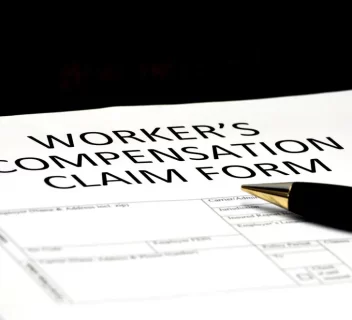
How to File a Complaint Against Workers’ Compensation Adjusters: Your Rights Explained
Navigating the workers’ compensation system can be challenging, especially when disputes arise with the workers’ compensation adjuster or claims adjuster. If you feel you’ve been treated unfairly or your case hasn’t been handled properly, knowing how to file a complaint against workers’ compensation adjusters is essential to protecting your rights.
This article will explain the steps involved and provide context about workers’ compensation.
What is Workers’ Compensation?
Workers’ compensation is a state-mandated insurance program that provides financial benefits to employees who suffer work-related injuries or illnesses. It is designed to cover medical expenses, lost wages, rehabilitation costs, and other related losses, ensuring that workers can recover without facing severe financial hardship.
Workers’ compensation exists to protect both employees and employers. For workers, it ensures access to necessary resources following an injury. For employers, it reduces the risk of costly lawsuits related to workplace injuries. However, the system isn’t perfect, and disputes often arise, leading many to ask, “How do I file a complaint against workers’ compensation adjuster?”
What Sort of Workers’ Compensation Payout Could You Be Entitled To?
The amount and type of benefits you may receive depend on the severity of your injury and its impact on your ability to work. Common benefits include:
Medical Expenses
Coverage for treatments, surgeries, medications, and rehabilitation services.
Temporary Disability Benefits
Payments for lost wages if you cannot work temporarily.
Permanent Disability Benefits
Compensation if your injury results in long-term or permanent disability.
Vocational Rehabilitation
Support for training or education if you can no longer perform your previous job.
Death Benefits
Financial support to the family of a worker who dies from a work-related injury.
Unfortunately, disputes over these payouts can occur, leading injured workers to explore how to file a complaint against a workers’ compensation adjuster to address delays, denials, or other issues. Delays in handling claims can cause significant frustration and financial hardship for injured workers. In such cases, filing complaints with the appropriate regulatory bodies can help address these problems and ensure accountability.
How Do You Know Whether You’re Qualified to Receive Workers’ Compensation?
To qualify for workers’ compensation, you must meet specific requirements:
The injury or illness must occur as a direct result of your job.
Timely Reporting
You must report the injury to your employer within the required timeframe, which varies by state.
Medical Documentation
You must seek medical attention and provide documentation linking your condition to your job.
If you meet these criteria but face resistance from the insurance company, learning how to file a complaint against a workers’ compensation adjuster can help you hold them accountable.
Common Reasons Claims Are Denied
Even if you meet all qualifications, your claim may still be denied by a workers’ compensation claims adjuster. Having a different adjuster assigned to each case can sometimes lead to misunderstandings and communication issues, ultimately affecting the management of claims. Common reasons include:
Lack of evidence linking the injury to work.
Failure to report the injury on time.
Disputes over whether the injury occurred on the job.
Understanding these pitfalls can help you avoid issues and prepare to address disputes effectively.
Understanding Your Rights as a Claimant
As a claimant in the workers’ compensation system, you are entitled to certain rights under the law. Understanding these rights is important to help you seek fair treatment and access the benefits available to you. Here are some key rights to be aware of:
The Right to File a Claim: If you’re injured on the job or become ill due to work-related activities, you have the right to file a workers’ compensation claim.
The Right to Medical Treatment: You have the right to receive medical treatment for your work-related injury or illness. This includes access to medical providers and coverage for medical bills, ensuring you get the care you need without financial strain.
The Right to Benefits: Depending on the nature of your injury or illness, you may be eligible for various benefits. These can include temporary disability benefits, permanent disability benefits, and vocational rehabilitation benefits, all designed to support you during your recovery.
The Right to Appeal: If your claim is denied or you disagree with the decision made by the workers’ compensation adjuster, you have the right to appeal the decision. This ensures that you have a pathway to challenge and resolve disputes.
Understanding these rights is crucial in navigating the workers’ compensation system and ensuring you receive the benefits you are entitled to.
What Are the Pros and Cons of Workers’ Compensation?
Here are some of the key benefits and drawbacks of the workers’ compensation system:
Pros
Provides financial support during recovery.
Covers medical expenses related to the injury or illness.
Reduces the need for litigation.
Protects both employees and employers.
Cons
Benefits may not cover all losses.
Compensation amounts are often limited.
The claims process can be complex.
Disputes with adjusters or insurers may arise.
When disputes occur, understanding how to file complaints against workers’ compensation adjusters ensures that your rights are protected.
Do I Need an Attorney to Secure Workers’ Compensation? How Should I Go About Filing a Complaint?
While you don’t legally need an attorney to file a workers’ compensation claim, having an attorney can provide guidance and support in navigating the system. Attorneys can understand the nuances of the system and :
Ensure all paperwork is completed correctly and on time.
Negotiate with the insurance company on your behalf.
Represent you during hearings or appeals.
If you encounter problems with the claims adjuster, such as delayed payments, unfair denials, or lack of communication, it’s important to know how to file a complaint against workers’ compensation adjuster.
Here are the steps:
Document the Issue: Keep records of all communication and details of the dispute.
Contact the Adjuster’s Supervisor: Address your concerns directly with their manager.
File a Complaint with the State Agency: Each state has a regulatory agency overseeing workers’ compensation. File a formal complaint with them.
Consult an Attorney: An experienced workers’ compensation attorney can guide you through the complaint process and advocate for your rights.
Avoid discussing specifics with your employer or insurer until you’ve consulted an attorney, as they can help you strategize and avoid pitfalls.
The Complaint Process
If you’re experiencing issues with your workers’ compensation adjuster, you have the right to file a complaint. Here’s a step-by-step guide to the complaint process:
Gather Information: Before filing a complaint, gather all relevant information about your claim, including your claim number, identifying information, and details about the issue you’re experiencing. This documentation will be crucial in supporting your case.
Contact the Adjuster: Reach out to the adjuster and try to resolve the issue amicably. If the issue persists, ask to speak to a supervisor or someone who can assist you. Clear communication can sometimes resolve misunderstandings or errors.
File a Complaint: If the issue cannot be resolved, file a complaint with the California Division of Workers’ Compensation (DWC) or your state’s equivalent agency. Complaints can typically be filed online, by phone, or in person. Ensure you follow the specific procedures outlined by your state agency.
Provide Supporting Documentation: When filing a complaint, provide supporting documentation, such as medical records, witness statements, and correspondence with the adjuster. This evidence will help substantiate your claims and facilitate a thorough investigation.
Wait for a Response: After filing a complaint, wait for a response from your state’s agency. They will investigate your complaint and provide a decision. Be patient, as this process may take some time.
If you’re struggling with a workers’ compensation claim or facing issues with an adjuster, don’t hesitate to seek professional help. Contact 1-800-THE-LAW2 for a free consultation. The experienced attorneys in our network can guide you through the process, including understanding how to file a complaint against workers’ compensation adjusters.
What to Expect After a Drunk Driver Accident: Next Steps and Settlements
Being involved in a car accident caused by a drunk driver is a traumatic and stressful experience. Knowing what steps to take immediately after the accident is crucial for your safety and any future legal claims. This article covers the essential actions to take, how to gather evidence, understand fault, and navigate legal processes for settlement. Read on to learn how to protect yourself and your rights effectively.
Key Takeaways
Immediate actions after a drunk driving accident, such as calling 911 and gathering evidence, are critical for health and legal outcomes.
Establishing fault and proving negligence are essential steps in securing compensation from a drunk driving accident, which may involve comparative negligence considerations.
Hiring an experienced attorney is vital for effectively navigating the legal process, negotiating with insurance companies, and maximizing settlement amounts.
Immediate Steps to Take After a Drunk Driver Accident
In the aftermath of a drunk driving accident, ensuring your safety and effectively documenting the event is crucial for both your well-being and any legal proceedings that may follow. It is imperative to act swiftly by securing yourself, contacting emergency services via 911, thoroughly recording details at the scene, and promptly obtaining medical care.
These initial measures not only place emphasis on preserving your health, but also lay an essential groundwork for pursuing any judicial claims. The steps taken right after a drunk driving incident can greatly influence how successfully you navigate through the resultant legal landscape, including addressing the drunk driver’s legal implications and financial responsibilities.
Call 911 Immediately
Immediately dialing 911 following a drunk driving accident is essential. This call activates emergency services and initiates the official record-keeping process. On arrival, law enforcement will evaluate the circumstances and produce an official account of the incident.
The report compiled by police will capture specifics such as the driver’s identity, their driver’s license number, and insurance details. Administered field sobriety tests along with blood alcohol content measurements taken at the crash site can prove to be vital in prosecuting the intoxicated motorist in both civil litigation and criminal proceedings.
By reaching out to 911 without delay, one ensures prompt medical help while starting off an indispensable procedure for gathering evidence and compiling documentation critical in addressing cases of drunk driving. This documentation is crucial for establishing liability and holding the at-fault party accountable in insurance claims and legal proceedings.
Exchange Insurance and Contact Information
Exchanging insurance and contact information with the other parties involved in the accident is a crucial step in the process. This information will be necessary for filing a claim with the at-fault driver’s insurance company and for any potential legal action. Be sure to obtain the following information:
The at-fault driver’s full name, driver’s license number, and license plate number
The at-fault driver’s car insurance details, including the name of the insurance company and the policy number
The names and contact information of any witnesses to the accident
The names and contact information of any passengers in the at-fault driver’s vehicle
It’s also a good idea to take photos of the accident scene, including any damage to vehicles or property, as well as any visible injuries. This documentation can be helpful in supporting your claim and demonstrating the severity of the accident.
Gather Evidence at the Accident Scene
While waiting for emergency services, gather as much evidence as possible. Take photos and videos of the accident scene, the vehicles involved, and any visible injuries. Collect witness statements and their contact information.
This evidence will be invaluable when filing a personal injury claim or negotiating a settlement. The police report will serve as official documentation of the incident.
Meticulous documentation strengthens your case and provides a solid foundation for your claims.
Seek Medical Attention
It is imperative to obtain medical care without delay, even if you initially sense no discomfort. There are instances where certain injuries do not present symptoms immediately but may emerge subsequently. Swift action in seeking medical help secures your well-being and produces a documented account of any harm incurred, which is vital for potential insurance claims.
Insurance claim adjusters might take advantage of any postponements in securing medical treatment as a tactic to minimize the gravity of injuries. By consulting with a healthcare professional promptly, you safeguard both your physical health and your legal entitlements to equitable compensation from your insurance coverage.
Understanding Fault and Liability in Drunk Driving Accidents
Ascertaining responsibility and accountability in incidents involving drunk driving is essential for obtaining damages. Typically, the driver under the influence of alcohol is deemed to be at fault. Legal confirmation necessitates thorough records and proof that establish an explicit connection between the driver’s impaired state and the occurrence of the collision when pinpointing who is liable.
This portion delves into intricacies concerning demonstrating carelessness as well as understanding comparative negligence—all significant factors impacting personal injury claims adjudication and resolution outcomes. Victims of drunk driving accidents have the legal option to file a personal injury lawsuit against the at-fault driver to seek compensation, which requires proving negligence and the responsibilities of the driver involved.
Proving Negligence of the Drunk Driver
To establish the negligence of a drunk driver, it must be demonstrated that the driver had a responsibility to act safely, violated this obligation by operating a vehicle under the influence, and as a result, caused harm. Critical pieces of evidence for such claims include sobriety test results and images taken at the scene of the accident. Testimonies from those who witnessed events can offer extra insights and bolster assertions concerning drivers impaired by alcohol.
Affirming negligent behavior on part of drunk drivers streamlines the process of obtaining damages and fortifies your position within both civil lawsuits and criminal prosecutions.
Comparative Negligence Considerations
The concept of comparative negligence plays a crucial role in determining your potential compensation, as it may decrease the settlement proportionally to your level of fault. Grasping this legal doctrine is essential since it directly affects the monetary resolution of your case.
Despite bearing a portion of responsibility, you remain entitled to seek damages. Be prepared for possible modification in the final sum reflecting any contributory blame on your part.
Understanding Your Rights and Options
If you’ve been involved in a drunk driving accident, it’s essential to understand your rights and options. You may be entitled to compensation for your injuries, medical expenses, lost wages, and other damages. Here are some key things to keep in mind:
You have the right to file a personal injury claim against the at-fault driver’s insurance company.
You may be entitled to punitive damages, which are designed to punish the at-fault driver for their reckless behavior.
You may be able to file a claim against the at-fault driver’s employer, if they were driving a company vehicle at the time of the accident.
You may be able to file a claim against the establishment that served the at-fault driver, if they were over-served or served while visibly intoxicated.
It’s also important to understand the statute of limitations for filing a claim in your state. This is the time limit within which you must file a claim, or you may be barred from seeking compensation.
In addition to filing a claim, you may also want to consider seeking legal action against the at-fault driver. This can be a complex and time-consuming process, but it may be necessary to ensure that you receive the compensation you deserve.
It’s essential to work with an experienced personal injury attorney who has handled drunk driving accident cases. They can help you navigate the process, gather evidence, and negotiate with insurance companies to ensure that you receive a fair settlement.
Remember, you don’t have to face this situation alone. There are resources available to help you, including support groups for drunk driving accident victims and their families. Don’t hesitate to reach out for help and support during this difficult time.
The Role of an Attorney in Drunk Driving Accident Cases
It is essential to engage an attorney when dealing with a drunk driving accident case. A skilled attorney will safeguard your rights, compile and exhibit evidence effectively, negotiate with insurance companies on your behalf, and advocate for you in court should the need arise. Promptly seeking legal counsel can thwart any attempts by insurance companies to exploit you while guaranteeing proficient management of your case.
For assistance streamlining the legal process associated with drunk driving accidents and enhancing the likelihood of obtaining a positive result, consider reaching out to 1-800-THE-LAW2 for a complimentary consultation.
Gathering and Presenting Evidence
A lawyer is essential in compiling and showcasing proof to substantiate your case, which entails securing police reports, driving records, and health-related documentation. They assemble an exhaustive demand package that features medical bills, earnings details, and injury evidence to underscore the economic burden caused by the incident.
Such a detailed strategy guarantees that every facet of your situation is thoroughly recorded and conveyed with precision.
Negotiating with Insurance Companies
Insurance companies are typically inclined to resolve claims swiftly and economically. In the case of drunk driving accident settlements, negotiating with insurance companies can be particularly challenging, but an experienced attorney can help you combat this strategy and enhance your chances of obtaining a fair settlement amount that truly reflects the scope of medical expenses, lost wages, and other monetary consequences.
By seeking legal advice before providing any declarations, one prevents insurance companies from manipulating their own statements against them. Such tactical forethought is key in substantially boosting the potential for securing an equitable compensation package designed to address all related financial burdens stemming from the incident.
Litigation and Trial Representation
Should negotiations fail to procure a just settlement, your legal counsel will proceed with launching a lawsuit and advocate on your behalf in the courtroom. This litigation stage includes a discovery period for evidence collection by both sides, as well as depositions that document witness statements given under oath.
Retaining an attorney with considerable expertise is vital for ensuring your case is managed adeptly while striving for the highest possible remuneration. The importance of robust legal representation cannot be overstated when it comes to crafting an influential argument and securing a positive result.
Factors Influencing the Value of a Drunk Driving Accident Claim
The value of a drunk driving accident claim is affected by various elements such as the extent of injuries sustained, incurred medical costs, wages forfeited due to inability to work, and the anguish endured. Recognizing these determinants can assist in assessing the prospective worth of your case and allow you to plan effectively.
We delve into these components thoroughly in this segment, offering an understanding of their influence on the final settlement sum for a drunk driving incident.
Severity of Injuries
Determining the value of a claim hinges on the severity of sustained injuries. Injuries that are considered severe, such as traumatic brain injuries, paralysis, and fractures, often result in significant settlements owing to their prolonged effects. Conversely, claims involving minor injuries usually yield smaller settlement amounts.
If the driver at fault was found with an elevated blood-alcohol level during the incident, this could potentially raise the value of the settlement. It’s essential to comprehend both the degree and consequences of your injury when evaluating how much your claim might be worth.
Medical Expenses and Future Treatment Costs
Hospitalization, surgical procedures, prescribed drugs, and continuous therapies such as physiotherapy are considerable aspects of a claim for a drunk driving accident. The rapid piling up of medical bills necessitates meticulous record-keeping to guarantee that all related costs are incorporated into the drunk driving claim.
It’s equally important to take into account anticipated expenses for future treatments and possible enduring impairments when pursuing a drunk driving accident settlement. These factors could greatly influence the total compensation amount. Properly accounting for every medical expense is imperative in obtaining fair restitution.
Lost Wages and Earning Potential
Earnings that have been forgone and the diminished prospects of future earnings play a pivotal role in claims related to drunk driving accidents. This compensation encompasses both previous income forfeited as well as prospective economic opportunities compromised due to the incident. To compute lost wages, one must take into account the number of workdays or hours absent and multiply them by the wage rate of the person involved.
Compensation for lost wages can be substantially heightened when future limitations on an individual’s ability to work are taken into consideration. Grasping these elements is vital for precisely evaluating the monetary repercussions stemming from a drunk driving accident.
Pain and Suffering Damages
Damages for pain and suffering account for the vast array of consequences that a victim endures as a result of a drunk driving accident. This compensation encompasses not only physical discomfort but also emotional anguish and psychological damage. These damages play an essential role in claims related to drunk driving accidents, ensuring that settlements duly recognize the trauma endured by victims.
Gaining insight into the method used to compute these damages is crucial when assessing the possible worth of your claim stemming from a drunk driving incident.
Wrongful Death Settlements in Drunk Driving Cases
Surviving relatives have the option to pursue compensation and legal redress through wrongful death settlements when a family member has been fatally injured by a drunk driver. Such settlements may encompass various damages such as emotional suffering, lost wages, and funeral expenses, even including settlement for a drunk.
Families dealing with these tragic circumstances must grasp the qualifications necessary for filing wrongful death claims and comprehend the different forms of monetary recompense accessible to them.
Eligibility for Wrongful Death Claims
Immediate family members, financial dependents, and personal representatives typically have the legal right to file wrongful death claims. Surviving family members of a drunk driving victim can initiate a wrongful death lawsuit.
These claims provide a means for families to seek justice and compensation for their loss.
Types of Compensation in Wrongful Death Settlements
Settlements for wrongful death are designed to encompass numerous damages that the deceased’s family members endure. These compensations commonly encompass the cost of funerals, deprivation of companionship, medical expenses accrued prior to passing away, earnings that the departed would have made, and the anguish and distress felt by surviving relatives.
The purpose of these settlements is to offer monetary aid while recognizing the psychological pain associated with a loved one’s death.
Maximizing Your Drunk Driving Accident Settlement
To optimize the compensation received from a drunk driving accident settlement, it is crucial to adopt a deliberate strategy and maintain thorough records. Recognizing the actual value of your claim and engaging with seasoned lawyers can greatly influence the amount recovered in settlements for drunk driving accidents.
The following part provides guidance on how to properly record expenses, sidestep prevalent pitfalls, and utilize legal knowledge effectively to secure the most favorable resolution possible.
Documenting All Expenses and Losses
It is crucial to keep meticulous records of all costs incurred in order to file for compensation effectively. This should encompass keeping track of medical expenses, wages that were not earned due to absence from work, and any damage sustained by property. Recording details such as treatments undergone, levels of discomfort experienced, and the effects on your daily activities can support your claim during settlement discussions. Thorough documentation serves to ensure no financial loss is overlooked and reinforces your position when negotiating.
Avoiding Common Mistakes
Steering clear of typical errors can greatly influence the result of your settlement. Hastily moving through negotiations may result in agreeing to a settlement that is under what you are entitled to. It’s critical to reduce social media usage because insurance companies might utilize your online posts to undermine your case.
Seeking legal counsel before communicating with insurers safeguards you from having your own statements used against you by them. By grasping and steering clear of these common mistakes, you secure fair compensation for the damages sustained.
Working with Experienced Attorneys
Navigating the legal intricacies of drunk driving accident claims is significantly aided by enlisting the expertise of seasoned attorneys. Such professionals are adept in managing the nuances involved in personal injury cases and can offer robust legal representation, increasing your likelihood of obtaining just compensation through a proficient handling of the legal proceedings.
If you’ve fallen victim to being hit by a drunk driver, reaching out for a free consultation at 1-800-THE-LAW2 could streamline your journey through the complex legal system and bolster your chances of securing a positive resolution.
Summary
In the wake of a drunk driving accident, grasping the necessary steps to take is essential for your recovery and ensuring you receive adequate compensation. Taking appropriate measures at the accident scene, comprehending who is at fault and their liability, as well as optimizing your settlement, are all pivotal elements. It’s imperative to engage an experienced attorney, meticulously record all costs incurred, and steer clear of typical pitfalls to secure a fair settlement. Adhering to this roadmap will fortify your position in obtaining rightful compensation and set you on a path toward recuperation with assurance.
Frequently Asked Questions
What should I do immediately after a drunk driving accident?
After a drunk driving accident, it is essential to call 911, gather evidence at the scene, and seek medical attention to ensure your safety and document any injuries.
This approach helps establish a clear record and facilitates your well-being.
How is fault determined in a drunk driving accident?
In establishing blame for a drunk driving accident, it is essential to show that the driver was under the influence of alcohol and prove there was a direct connection between their impairment from intoxication and the accident that occurred. It’s critical to present proof of alcohol intake and demonstrate how it affected the driver’s capacity to control their vehicle safely.
Why is it important to hire an attorney after a drunk driving accident?
Hiring an attorney after a drunk driving accident is crucial as they can protect your rights, gather important evidence, and negotiate effectively with insurance companies on your behalf.
This ensures that you have the best possible representation throughout the legal process.
What factors influence the value of a drunk driving accident claim?
The value of a drunk driving accident claim is influenced by the severity of injuries, medical expenses, lost wages, and the extent of pain and suffering experienced by the victim.
Each of these factors plays a crucial role in determining the overall compensation.
Who can file a wrongful death claim in a drunk driving accident case?
Immediate family members, financial dependents, and personal representatives are typically entitled to file a wrongful death claim in a drunk driving accident case.
This ensures that those most affected by the loss have a legal avenue to seek justice.
Navigating Legal Options After Being Hit by a Bicycle While Walking
Hit by a bicycle while walking? Here’s your quick guide on what to do next: immediate steps, understanding your rights, and seeking compensation.
Key Takeaways
Pedestrians and cyclists must adhere to traffic laws and respect each other’s space to reduce accident risks.
After a collision, it’s vital to seek medical attention, report the incident, gather evidence, and consult a personal injury attorney to understand legal rights.
Victims can claim both economic damages, like medical costs and lost wages, and non-economic damages, such as pain and suffering, to compensate for their losses.
Understanding Pedestrian and Cyclist Responsibilities
In the intricate ballet of urban navigation, pedestrians and cyclists have distinct roles to play. Cyclists must follow traffic signals, ride with traffic, and use designated bike lanes to ensure everyone’s safety. Pedestrians should obey traffic signals, use crosswalks, and walk facing traffic when no sidewalk is available. Such mutual respect enhances safety for all.
In many states and cities, for example, cyclists are banned from riding on sidewalks to protect pedestrians. Yet, some cyclists still use sidewalks to avoid traffic, risking collisions. Vigilance and adherence to traffic regulations by both parties are essential to prevent accidents.
Both pedestrians and cyclists must follow traffic laws to minimize accident risks. Respecting each other’s space and rights is both a legal and moral obligation.
Common Causes of Bicycle-Pedestrian Collisions
Frequently, preventable factors are at the root of accidents between cyclists and pedestrians. For example, distractions such as using a mobile phone can lead to mishaps. A pedestrian engrossed in texting might inadvertently enter a crosswalk just as an inattentive cyclist approaches, culminating in an unfortunate collision.
The likelihood of accidents increases when cyclists choose sidewalks over designated bike lanes for their ride. This risk is magnified if they cycle against the flow of traffic or disregard traffic signals, leading to hazardous encounters at intersections and alongside driveways.
Impairment due to substance use and general carelessness contribute to these incidents. To ensure safety and situational awareness, both pedestrians and those riding bikes should abstain from alcohol and drug consumption. Vigilance is also crucial near driveways or parking areas where motor vehicle drivers may unexpectedly cross paths with pedestrians or cyclists.
Immediate Steps to Take After a Collision
After a bicycle accident, immediate steps are crucial for safety and legal rights. First, move away from oncoming traffic or other dangers. Then check for injuries like cuts, bruises, or disorientation and seek medical attention even for minor injuries.
Report the collision to local authorities by calling 911 to ensure police and EMS arrive and obtain an official accident report. Gather evidence by taking photos or videos, collecting witness statements, and noting the investigating officer’s badge number and incident reference number.
Finally, consult a personal injury attorney. Services like 1-800-THE-LAW2 can connect you with a lawyer to guide you through the legal process and help secure compensation.
Legal Rights of Pedestrians Hit by Bicycles
Pedestrians hit by bicycles have several legal rights and options for seeking compensation. If a cyclist hits traffic laws, like failing to stop at signals or riding on prohibited sidewalks, they can be held liable for injuries or damages. Pedestrian negligence may be a factor for pedestrians struck while lawfully on a sidewalk, who may have a strong negligence claim against the cyclist.
Establishing liability requires proving the cyclist breached their duty of care, directly causing the pedestrian’s injuries. Even if the pedestrian is partially at fault, they can still sue for damages, though compensation may be reduced proportionally. Courts will assess both parties’ actions to determine fault and legal consequences.
A personal injury lawyer can greatly improve the chances of a favorable outcome, whether through a settlement or a court award. They can gather necessary evidence like police reports and witness statements to build a strong case. Knowing your legal rights and taking appropriate steps can significantly impact the aftermath of a bicycle-pedestrian collision.
Economic Damages Pedestrians Can Claim
Economic damages are measurable financial losses pedestrians can claim after a bicycle accident. These include medical expenses, lost income, and rehabilitation costs. Compensation can cover a wide range of medical expenses, from hospital bills and doctor consultations to physical therapy and future medical care.
Lost wages are another significant component of economic damage. If injuries prevent a pedestrian from working, they can claim compensation for lost income during recovery. If the injury affects their ability to work at the same level as before, compensation for lost earning capacity may also be sought.
The severity of injuries will directly influence the amount of economic damages claimed. Accurate documentation of all medical bills, lost wages, and other expenses is essential to maximize compensation. By meticulously recording these costs, pedestrians can ensure fair compensation for the financial impact of the accident.
Non-Economic Damages in Pedestrian Accident Claims
After a bicycle accident, non-economic damages are designed to address the abstract consequences that one might endure, such as pain and suffering, emotional turmoil, and a reduced capacity for life’s pleasures. These types of compensation differ from economic damages in that they’re more subjective and depend heavily on the specific situation of each individual.
The severity with which an injury disrupts routine existence is considered when assessing compensation for pain and suffering. This encompasses not just physical discomfort but also psychological anguish as well as loss of ability to engage in activities once found pleasurable. Should an accident substantially erode someone’s enjoyment of life, securing remuneration for these intangible losses becomes imperative.
In situations where a bicycle accident leads to a fatality, claims can be made for non-economic damages concerning lost companionship and other losses suffered by those left behind. Such compensations serve to acknowledge the deep-seated emotional toll taken on surviving relatives following their tragic bereavement.
Role of a Pedestrian Accident Lawyer
Securing the services of a personal injury lawyer with expertise in pedestrian accidents is essential following an accident involving a bicycle. Such attorneys are adept at safeguarding your rights and obtaining fair compensation for you, given their thorough knowledge of laws applicable to pedestrian incidents that can notably influence the results.
In cases concerning personal injury, legal professionals will meticulously collect and scrutinize evidence including police records and medical documentation to fortify your claim. They possess the negotiation skills necessary to deal effectively with insurance firms in pursuit of enhanced compensation amounts while providing critical advice on understanding both your entitlements and the broad range of possible damages throughout the judicial journey.
Although estimating non-monetary losses may be complex, lawyers seasoned in handling such matters have strategies to convincingly support these types of claims. Their proficiency ensures every facet of your hardship is acknowledged for remuneration purposes—this not only brings resolution but also upholds justice for those affected by such unfortunate events.
Wrongful Death Claims in Bicycle-Pedestrian Accidents
In the unfortunate event of a fatal injury resulting from bicycle and pedestrian collisions, surviving relatives can seek legal recourse through wrongful death actions. This route offers reparation for the losses endured by those left behind. Spouses, children, and parents are typically entitled to initiate these lawsuits.
Such compensation claims in cases of wrongful death provide financial restitution not only for tangible economic setbacks like medical expenses incurred prior to passing away, funeral costs, and foregone earnings but also address intangible hardships such as grief over lost companionship or love and psychological anguish suffered by bereaved family members.
For families pursuing accountability along with monetary redress in instances of wrongful death stemming from personal injuries involving pedestrians or cyclists, comprehension of their lawful entitlements is indispensable. A seasoned personal injury attorney plays a pivotal role here by guiding them through this intricate judicial endeavor while ensuring that their legal rights receive full consideration.
Enhancing Pedestrian Safety
Safety for pedestrians is a joint duty that both walkers and cyclists must take seriously. To lower the chances of accidents, pedestrians should always cross streets at marked crosswalks or intersections. Reflective attire can make them more visible when light conditions are poor, thus boosting their safety.
For pedestrians to stay safe, it’s essential to avoid distractions such as using mobile phones while walking. Staying alert and mindful of one’s surroundings, especially in cities where traffic is dense, helps reduce the risks associated with distracted driving leading to collisions.
Building a culture of mutual respect and consciousness on our roads leads to enhanced protection for all users. Pedestrians along with cyclists need to be diligent about personal safety measures not only for themselves but also in consideration of others’ well-being.
Summary
Understanding the intricacies of legal responsibilities, rights, and avenues for compensation is crucial when dealing with a bicycle-pedestrian collision. Pedestrians must adhere to traffic laws, respond promptly in the event of an accident, and seek out appropriate legal advice to uphold their rights and obtain just compensation. To prevent such accidents from occurring and guarantee that justice prevails, it’s essential for pedestrians to remain alert, stay well-informed about safety measures, and prioritize their protection at all times.
Frequently Asked Questions
What should I do immediately after being hit by a bicycle?
Immediately ensure your safety and assess any injuries. Seek medical attention and report the accident to the police while gathering evidence for documentation.
Can I claim compensation if I was partially at fault for the accident?
Yes, you can still claim compensation even if you were partially at fault, but it will likely reduce the amount you receive.
What types of economic damages can I claim after a bicycle accident?
You can claim economic damages such as medical expenses, lost wages, rehabilitation costs, and compensation for lost earning capacity after a bicycle accident.
These damages are crucial for addressing the financial impact of the incident on your life.
How are non-economic damages assessed in pedestrian accident claims?
In claims involving pedestrian accidents, non-economic damages are determined by examining how the injury has subjectively affected the claimant’s everyday life. This includes an assessment of their pain, suffering, and emotional anguish.
Acknowledging these personal repercussions of the injury is essential to ensure that the compensation awarded is equitable.
Why is it important to hire a pedestrian accident lawyer?
Hiring a pedestrian accident lawyer is crucial because they protect your legal rights, gather evidence, and negotiate with insurance companies to ensure you receive fair compensation.
This support is essential in navigating the complexities of your case effectively.
Understanding Uber Lawsuits: Your Guide to Liability and Compensation
Ongoing Uber lawsuits cover everything from driver classification to accident liability, to company safety policies. These cases hold significant implications for passengers, drivers, and Uber itself, particularly in the context of the Uber lawsuit landscape. This article will explore key issues, including who can be held liable in an Uber accident and what compensation victims can expect.
Introduction to Uber Lawsuits
Uber has become a popular mode of transportation for millions of people worldwide. However, with the rise of ride-sharing services, there has been an increase in accidents involving Uber drivers. If you or a loved one has been injured in an Uber accident, you may be wondering if you can sue Uber for damages. In this article, we will provide an overview of the Uber lawsuit process and what you need to know to seek compensation.
Overview of the Uber Lawsuit Process
The Uber lawsuit process can be complex and involves several steps. First, it’s essential to understand that Uber drivers are considered independent contractors, not employees. This means that Uber’s liability for accidents involving their drivers is limited. However, Uber does provide insurance coverage for its drivers, which can be used to seek compensation for injuries or damages.
To sue Uber, you will need to file a personal injury lawsuit against the company. This typically involves working with an experienced Uber accident attorney who can help you navigate the legal process. Your attorney will help you gather evidence, including medical records, police reports, and witness statements, to build a strong case against Uber.
One of the key challenges in suing Uber is establishing liability. Uber is not typically considered an employer of the driver. As such, you’d have to show that they were independently negligent in causing your accident.
Further, Uber’s insurance coverage is contingent on the driver being en route to pick up a passenger or having a passenger in the vehicle. If the driver is not on the app or does not have a passenger, their personal auto insurance may be the primary source of coverage.
In addition to establishing liability, you will also need to demonstrate the extent of your injuries and damages. This can include medical expenses, lost wages, and pain and suffering. Your attorney will work with you to calculate the total value of your claim and negotiate with Uber’s insurance company to reach a settlement.
If a settlement cannot be reached, your case may go to trial. In this scenario, a judge or jury will hear evidence and determine the outcome of your case. It’s essential to have an experienced attorney on your side to ensure that your rights are protected and that you receive the compensation you deserve.
In the next section, we will discuss the different types of claims that can be filed against Uber, including personal injury claims, wrongful death claims, and property damage claims.
Key Takeaways
Uber’s classification of its drivers as independent contractors limits its liability for accidents, making it critical for injured parties to understand this dynamic in claims.
Determining liability in an Uber accident can involve multiple parties, including the driver, Uber Technologies, Inc., other drivers, and vehicle manufacturers, necessitating a thorough investigation of the circumstances.
Compensation for Uber accident victims may include economic, non-economic, and, in rare cases, punitive damages, with understanding the claims process essential for securing proper recompense.
Understanding Uber’s Role in Accidents
Uber serves as a technological intermediary that facilitates ridesharing by linking riders with drivers who are independent contractors, which has notably altered the way people travel. Grasping this business structure is critical when assessing responsibility in the event of an Uber accident. Since Uber considers its drivers to be independent contractors rather than employees, it bears less responsibility for incidents involving these individuals compared to conventional taxi services. This distinction between employees and independent contractors has led to complex legal discussions surrounding the attribution of fault and pursuit of damages.
In the instance where an accident occurs involving an Uber vehicle, it’s important to promptly notify Uber through their digital platforms such as their app or website, ensuring there’s a formal record of the incident. Crucially, how liability and compensation are determined hinges on both Uber’s insurance policy provisions—which provide varying degrees of coverage depending on whether or not a driver was active in ride-sharing at the time—and external factors influencing claims processing and resultant recompense for those harmed.
Independent Contractor Drivers
Uber designates its drivers as independent contractors rather than employees. This distinction has a significant impact on the legal aspects of liability when accidents occur. When the Uber app is turned off, drivers are covered under their own personal insurance policy. As independent contractors, Uber drivers must maintain their own insurance while they are off duty, underscoring their personal responsibility for liabilities. The company’s direct accountability is diminished due to this classification, which adds complexity to establishing fault in incidents involving Uber drivers.
The ongoing debates about whether drivers should be classified as employees or independent contractors play a pivotal role in determining who bears liability and how victims can pursue claims following an Uber accident. The difference between these classifications goes beyond mere semantics. It carries substantial consequences for both the individuals driving and those involved in collisions with them. Understanding this differentiation is crucial for parties intending to sue Uber or seek compensation following an accident involving one of its drivers.
Uber’s Insurance Policy
Uber has established a multi-tier insurance policy for its drivers that provides varying levels of protection based on the driver’s status during an Uber accident. When a driver is available and waiting to receive trip requests with the app active, they are afforded minimal coverage. Uber maintains third-party liability insurance to cover damages when drivers’ personal insurance may not be sufficient. This increases significantly when the driver is actively en route to pick up passengers or while a passenger is in the car, offering liability coverage up to $1 million.
The intent behind such extensive auto insurance coverage by Uber is dual: safeguarding both passengers and drivers involved. Yet this breadth of protection also complicates the claims process post-accident. Should an incident occur when a driver isn’t logged into Uber’s platform, collision coverage might not be extended by Uber, necessitating reliance on personal auto insurance provisions instead.
Understanding how your compensation may be affected following an Uber accident hinges upon knowledge of these nuanced details within Uber’s existing insurance framework.
Who Can Be Held Liable in an Uber Accident?
In the event of an Uber accident, pinpointing who is responsible can be complex as it might involve various entities such as the driver employed by Uber, other motorists involved in the crash, and even car manufacturers. To ascertain culpability accurately, a thorough inquiry into what led to the mishap is essential—this includes examining whether there was any neglect on the part of the drivers, any infringements of traffic regulations, or evidence that supports claims.
When damage claims exceed what’s covered by a personal auto insurance policy or if the said policy does not provide coverage at all during an incident involving an Uber vehicle, then Uber’s commercial auto insurance may become relevant. Those harmed in such incidents seeking reparation for their injuries should understand which party stands accountable. If the driver’s insurance is insufficient or unavailable, pursuing compensation claims against Uber’s insurance coverage may be necessary. This knowledge serves as a foundation for initiating a personal injury lawsuit aimed at obtaining rightful compensation for damages sustained.
The Uber Driver
Uber drivers who neglect traffic regulations or drive while impaired may be considered negligent. Establishing the liability of an Uber driver in a lawsuit necessitates proof of their negligence, which entails demonstrating that they did not exercise reasonable care expected under the circumstances. Acquiring substantial evidence to prove such negligence can often pose a challenge and is crucial for those involved in accidents with Uber vehicles.
To substantiate an Uber driver’s negligence claim, it is vital to collect pertinent information like testimonies from witnesses, footage from traffic cameras, and official police reports promptly after the incident. Meticulously recording every detail soon after the occurrence can significantly bolster your case.
Understanding how an Uber driver’s actions contribute to incidents on the road and grasping what constitutes legal negligence are essential steps for individuals entangled in any matter related to an Uber accident.
Uber Technologies, Inc.
Under specific conditions, Uber Technologies, Inc. may face legal responsibility if the company’s policies or actions have contributed to an accident. If it is found that Uber employed a driver with a track record that increases the risk of accidents, this can give rise to claims against the company. Insufficient safety protocols within corporate policies may serve as grounds for holding Uber accountable.
It is incumbent upon Uber to confirm that its drivers adhere to established safety standards and are competent behind the wheel in order to ensure passenger well-being. Should evidence emerge indicating that Uber was independently negligent, then it could be subject to financial liability for any resultant harm.
Acknowledging the possible accountability of Uber Technologies, Inc., becomes crucial for individuals intending to sue Uber or those seeking redress through compensation following an incident involving one of its vehicles.
Other Involved Parties
In an Uber accident, liability can potentially be shared by other drivers if they played a role in the incident. Manufacturers of vehicles may also bear responsibility if defects in their products were a contributing factor to the accident. The City or State, too, could be held responsible if they failed to properly maintain or design the roadway and thus contributed to your accident.
When assessing who is at fault for an Uber accident, it’s crucial to evaluate all possible responsible parties which include both other drivers and vehicle manufacturers.
Filing a Lawsuit Against Uber
Initiating legal action against Uber requires understanding the lawsuit process, which encompasses starting the suit, dealing with any related court summons, and participating in discovery along with settlement discussions. It’s essential to seek advice from a seasoned attorney when suing Uber. Such legal experts are equipped to handle complex cases and can increase your chances of obtaining favorable results. Their expertise is particularly vital during negotiations for settlements where they can greatly impact compensation figures.
The intricacies and obstacles associated with filing lawsuits against companies like Uber may dissuade many individuals from pursuing their claims. By embarking on an Uber accident lawsuit journey, one could attain the reparations deserved as a result of suffering incurred from the mishap. For those aiming to sue Uber or endeavoring to procure compensation post-accident, it’s pertinent to be well-acquainted with each step necessary in bringing forth a lawsuit.
Initiating a Lawsuit
In the event of an injury or fatality resulting from an Uber accident, one must have been present in the vehicle during the incident and demonstrate that driver negligence was the cause to file a suit. Should Uber’s insurance fail to adequately compensate, it is possible to pursue a claim as either an uninsured or underinsured motorist. It’s crucial for your case against Uber to meticulously examine all pertinent agreements, policies, guidelines, and supplementary records.
Sustaining personal injuries due to an Uber-related collision warrants seeking advice from a seasoned attorney specializing in personal injury law. By calling 1-800-THE-LAW2 you can connect with legal professionals adept at guiding clients through intricate legal proceedings which could significantly boost your likelihood of securing a favorable claim outcome.
Launching litigation entails meticulous collection of proof, timely submission of required legal documents, and diligent preparation for courtroom appearances.
Responding to a Court Summons
A party is alerted through a court summons, an official legal notice, that they are the subject of a lawsuit and it demands their reply. To prevent a default judgment from being rendered against them, it is imperative to answer this summons within the designated period.
Exchanging relevant data and proof among those engaged in litigation is part of the discovery phase. The collection of evidence throughout this stage is vital for constructing a compelling argument that can significantly influence the trial’s verdict.
Settlement Negotiations vs. Trial
In the aftermath of an Uber accident, those affected must decide whether to seek recompense through out-of-court settlement or litigation. It is advisable for victims to engage with a seasoned personal injury attorney who can provide guidance in making a well-informed choice regarding their compensation avenues. Opting for settlement talks might expedite the process and decrease risk, but could also yield a lesser financial recovery than what might be achievable at trial.
The critical decision to settle or proceed with legal action hinges on grasping both the uncertainties associated with trial verdicts and the aspiration toward attaining full compensation. Passengers are tasked with striking an equilibrium between these risks and securing fair restitution that they deem justifiable when electing either negotiation settlements or moving forward with a lawsuit.
For individuals contemplating legal recourse following an Uber incident, it is essential to fully comprehend the intricacies involved in both negotiating settlements and court trials.
Compensation for Uber Accident Victims
Victims of Uber accidents may be eligible for financial restitution, covering both tangible losses such as medical bills and lost income, as well as intangible harm like emotional distress. Pursuing a personal injury lawsuit enables these victims to potentially receive recompense for an array of damages encompassing healthcare costs and emotional pain. The quantity of compensation obtainable in claims against Uber hinges on the nature of the legal action initiated and how greatly the victim has been affected by their injuries.
The total monetary recovery that Uber accident sufferers can anticipate is often subject to statutory limitations established by various states regarding awards for personal injury cases. It’s crucial for individuals aiming to secure compensation post-Uber accident to grasp what forms of reimbursement they might pursue and appreciate which elements could impact their awarded sums within the confines set forth by law.
Economic Damages
Direct financial losses, which are considered economic damages, can encompass various expenses such as:
Medical bills
Wages that have not been earned due to injury
Damage to property
Other concrete costs resulting from the accident
In the aftermath of an Uber accident, it is vital to undergo a timely medical assessment. This helps in both accurately noting injuries and ensuring they receive proper treatment.
For the purpose of establishing a solid personal injury lawsuit claim, it’s imperative to meticulously document all economic damages. Maintaining thorough records of your medical costs, income loss, and any additional monetary setbacks could greatly influence the resolution of your case.
Understanding what constitutes economic damages is essential for those who find themselves involved in an Uber-related collision or incident.
Non-Economic Damages
Non-economic damages refer to compensation for intangible losses and emotional impacts. These damages account for emotional suffering and the personal impact of injuries sustained in an accident. Unlike economic damages, non-economic damages do not have a direct financial value but can significantly affect the victim’s quality of life.
Pain and suffering, loss of enjoyment of life, and emotional distress are common examples of non-economic damages. Documenting these impacts through medical reports, psychological evaluations, and personal testimonies can help strengthen a claim for non-economic damages.
Knowing about non-economic damages is important for anyone seeking comprehensive compensation after an Uber accident.
Punitive Damages
In cases of Uber accidents, the imposition of punitive damages occurs when it is determined that the behavior of the accountable party was exceptionally harmful. Such damages serve a dual purpose: they reprimand the offender and work to prevent similar conduct in future scenarios. Nevertheless, securing punitive damages in claims related to Uber accidents is fairly uncommon owing to the strict standards required.
For plaintiffs seeking punitive damages against defendants like Uber, there’s an imperative need to establish that actions taken were intentional, maliciously harmful, or reflected a profound level of negligence. Given this high threshold for proof, obtaining punitive damages tends more toward rarity as opposed to economic or non-economic reparations. Understanding these prerequisites for pursuing such punishment-oriented compensation can be vital for any individual contemplating legal steps against Uber.
Challenges in Suing Uber
Pursuing litigation against the defendants. Uber involves various hurdles, such as establishing the company’s negligence, navigating through complex legal defenses, and dealing with issues related to how drivers are categorized by the company. Regulations have opened new avenues for those harmed in rideshare incidents to secure reparations. Plaintiffs may find advantages due to particular stipulations that govern rideshare entities.
Claims of negligent entrustment can be lodged if it is found that Uber allowed a driver with a known hazardous record to drive. Despite these potential strategies for recourse, securing adequate compensation following an injury from an Uber accident remains challenging. It’s crucial for individuals contemplating taking legal action against Uber to understand these complexities thoroughly.
Proving Negligence
Establishing negligence in the absence of evidence is a considerable hurdle for those aiming to hold Uber accountable through legal action. A claim against Uber can invoke vicarious liability, suggesting that the corporation should answer for its drivers’ conduct. The foundation of such claims often lies in allegations that Uber has not exercised due care with respect to recruiting, retaining, or properly overseeing their driver partners.
Claims directed at Uber frequently highlight several shortcomings including insufficient screening processes during hiring and lax implementation of safety protocols which may lead to corporate negligence. It’s crucial when building a case against the ridesharing giant to pinpoint defects within the functionality of its application that might have played a role in an accident.
Understanding what constitutes negligence and identifying necessary proof is critical for anyone entangled in an Uber accident contemplating pursuing litigation over suspected corporate irresponsibility.
Overcoming Legal Barriers
Attempting to pursue legal action against Uber can be challenging due to certain contracts having arbitration clauses, which add complexity to the process. In personal injury lawsuits filed against Uber, state laws may impose limitations on potential financial recovery by setting caps on damages. The timeframe for initiating a lawsuit against Uber is also dictated by various elements such as state-specific legislation, the type and severity of the injury sustained, and whether or not you fall under certain categories of claimants—some jurisdictions only allow a brief period like six months.
The expenses involved in suing Uber might deter individuals from considering litigation due to their prohibitive nature. Recognizing these obstacles along with strategies for surmounting them is crucial for anyone intent on taking legal action against the company. Seeking counsel from an attorney who has expertise in this field can provide invaluable assistance in untangling these legal intricacies and bolstering your prospects for mounting a successful claim.
Misclassification of Drivers
Uber Technologies, Inc. has encountered legal challenges regarding the categorization of its drivers as independent contractors rather than employees. This distinction is crucial when it comes to determining if an injured party can hold Uber accountable for an Uber driver’s negligence and make claims regarding liability and damages resulting from Uber accidents.
The complexity of these cases may be heightened by instances where there are violations of traffic regulations or accusations of negligent hiring practices by Uber. Understanding how the misclassification of drivers affects litigation is essential for individuals intending to take legal action against Uber or pursue compensation in the aftermath of a collision.
Legal Theories for Suing Uber
Several legal theories can be used to sue Uber, including:
Vicarious liability
Negligent hiring and retention
Corporate negligence
Negligent entrustment
Each theory presents a different approach to establishing Uber’s liability and securing compensation for the victim.
Knowing these legal theories is important for anyone considering legal action against Uber. Consulting an experienced attorney can help determine the most appropriate theory based on the specifics of the case.
Vicarious Liability
In certain legal situations, despite classifying drivers as independent contractors, Uber might bear indirect responsibility for a driver’s actions. Vicarious liability could be applied by the court if it is demonstrated that Uber exerts significant control over its drivers’ operations. This doctrine attributes responsibility to an employer or principal for their employee’s or agent’s negligence when carried out in their work-related roles.
Understanding how vicarious liability relates to incidents involving Uber is critical for individuals entangled in an Uber accident. The invocation of this concept could greatly influence the resolution of a personal injury lawsuit directed at Uber regarding such accidents.
Negligent Hiring and Retention
When a company neglects to conduct comprehensive screenings of its employees or contractors, it may be accused of negligent hiring. This oversight can expose others to harm. Uber has faced scrutiny for not adequately checking the backgrounds of potential drivers, which could lead to the employment of individuals who are unsuitable for their roles. Negligent retention pertains to an employer’s decision to retain staff members despite being aware that they might pose a danger or lack necessary competence.
Establishing that Uber engaged in negligent hiring or retention can provide victims with a robust foundation for pursuing legal action against the ride-sharing company in court. Understanding these terms is crucial for those contemplating taking legal steps against Uber.
Corporate Negligence
An Uber accident attorney with proper qualifications is pivotal when one aims to demonstrate that an incident resulted from corporate negligence on the part of Uber. Such a scenario suggests that the company’s policies or modes of operation did not align with an accepted standard of care designed to prevent harm. The counsel provided by such attorneys can significantly bolster your legal strategy.
In order to successfully prove corporate negligence in relation to an Uber accident, it is essential to establish evidence showing that specific aspects like app design flaws or overarching organizational decisions by Uber led directly to the mishap. Understanding how these elements may implicate corporate negligence is crucial for individuals contemplating initiating legal action against Uber.
Negligent Entrustment
If Uber employees are discovered to be intoxicated during their service, they will be promptly suspended or terminated from the platform. A situation known as negligent entrustment arises when an organization allows someone who is not suitable to drive a vehicle, which could result in mishaps. Should Uber neglect proper vetting of its drivers for their ability and suitability to operate vehicles safely, it may face accusations of negligence.
Steps to Take After an Uber Accident
Following an Uber accident, it is crucial to undertake certain actions to safeguard your well-being and uphold your legal entitlements. Contact emergency services by dialing 911, confirm the safety of all individuals involved, and promptly obtain medical care if required. Documenting the scene of the accident through photos—showcasing vehicle damage and any noticeable injuries—is beneficial evidence for future claims or legal proceedings.
It’s important to gather contact details along with insurance information from everyone implicated in order to facilitate compensation claims at a later stage. Initiating a report with pertinent insurance entities begins documenting the occurrence as part of the claims process.
In case you find yourself in an Uber-related incident, reaching out for professional advice from a personal injury attorney via 1-800-THE-LAW2 can be instrumental. They assist in securing equitable settlements and advocating on behalf of your claim interests.
Documenting the Accident Scene
It is crucial to compile key types of evidence such as statements from witnesses, photographs, and videos capturing the incident. It’s also vital to note down pivotal information about the accident scene encompassing its location, time, prevailing weather conditions, state of the roads, and specifics regarding the drivers involved. Documenting any visible injuries along with damage to vehicles by taking pictures at the scene can be immensely beneficial.
Procuring a police report can provide a substantial advantage in navigating through an Uber accident claims process. This documentation is essential for ensuring that all parties responsible are held accountable.
Understanding how critical it is to meticulously record details at an Uber accident site cannot be overstressed for those implicated in such incidents.
Seeking Medical Attention
Immediately seeking medical care following an Uber accident is imperative to both address and evaluate any injuries sustained. It’s vital for individuals involved in the incident to meticulously compile evidence of their injuries, such as securing medical records and taking photographs, which will serve as a foundation for a strong personal injury lawsuit. The extent of your documented medical expenses can greatly influence the results of a personal injury legal action.
Quickly undergoing a medical assessment serves two critical purposes: safeguarding your health and precisely chronicling any serious injuries incurred—this ensures that you receive the necessary treatment without delay. Understanding the significance of timely medical attention cannot be overstressed for victims implicated in an Uber accident, given its dual role in health recovery and legal protection within the realm of personal injury claims.
Consulting an Uber Accident Attorney
Seeking professional legal advice is crucial when dealing with the intricacies of claims related to an Uber accident, as a lawyer can help defend your rights. Those who have experienced incidents during their Uber rides may benefit from speaking with a knowledgeable attorney specializing in Uber accidents.
With more than three decades of expertise in linking victims with proficient legal representation, 1-800-THE-LAW2 extends its services to those harmed in an Uber ride accident by offering an opportunity to arrange a free consultation with a dedicated Uber accident attorney.
Summary
Grasping the intricacies involved when dealing with an Uber accident can be overwhelming, yet having a firm grasp on your entitlements and potential legal paths is crucial. This includes comprehending the responsibilities of Uber drivers, understanding how Uber’s insurance coverage works, navigating the process of initiating a lawsuit, and pursuing rightful compensation. As outlined in this guide for those affected by an Uber accident, remember to seek out expert legal advice which can prove instrumental in obtaining just recompense for your ordeal. Keep yourself well-informed about these matters to ensure safety and be aware that professional legal aid stands ready to support you during such trying circumstances.
Frequently Asked Questions
Who can be held liable in an Uber accident?
In an Uber accident, the liable parties can include the Uber driver, Uber Technologies, Inc., other drivers involved, and the manufacturers of the vehicles.
It is essential to assess each party’s involvement in the incident to determine liability.
What types of compensation can I seek after an Uber accident?
You can seek compensation for various damages after an Uber accident, including economic damages such as medical expenses and lost wages, as well as non-economic damages like pain and suffering, and potentially punitive damages.
It is essential to understand your rights to ensure you receive fair compensation.
How does Uber’s insurance policy affect my claim?
Uber’s insurance policy affects your claim by offering different amounts of coverage depending on the driver’s activity during the incident. This includes providing liability coverage up to $1 million when there is a passenger in the vehicle.
It is essential to comprehend your particular circumstances to identify which insurance benefits from Uber’s policy are relevant to your claim.
What should I do immediately after an Uber accident?
After an Uber accident, it is crucial to call 911 for emergency assistance, ensure the safety of all individuals involved, seek medical attention if necessary, document the scene, and gather contact and insurance information from all parties.
Taking these steps will help protect your well-being and preserve important information for any potential claims.
Why is it important to consult an Uber accident attorney?
Seeking the expertise of an Uber accident attorney is vital since they possess the skills to adeptly manage the intricacies involved in your case, stand up for your entitlements, and greatly improve the likelihood of securing just recompense.
Workers Comp vs Disability: Key Differences and Benefits Explained
Unsure whether you should submit a claim for workers’ compensation or disability insurance? This article explains the key differences between workers comp vs disability, showing you when each applies, what they cover, and how to choose the right one for your situation.
Key Takeaways
Workers’ compensation provides financial support for work-related injuries, covering medical expenses and lost wages, while disability insurance offers income replacement for non-work-related injuries and illnesses.
The primary differences between workers’ compensation and disability insurance include their coverage scope, benefit amounts, duration, and the legal implications involved in claims.
Employees should file workers’ compensation claims for job-related injuries and apply for disability insurance benefits for non-work-related conditions, with legal assistance recommended in complex cases.
Understanding Workers’ Compensation
Employees who suffer from work-related injuries or illnesses are backed by workers’ compensation, a form of insurance specifically designed to cover medical costs and provide benefits while they recuperate.
An injured employee may need to navigate between workers’ compensation and disability benefits, especially when claims are denied, leading to potential legal consultations. This protection serves as a safeguard against the potential economic hardship that may arise following an injury connected with their employment, guaranteeing support for workers during times when they are most susceptible.
What is Workers’ Compensation?
Workers’ comp insurance serves as a mandatory safeguard for employees who suffer from occupational injuries or illnesses, ensuring coverage for related medical costs and compensating them for income lost during their recuperation. This program acts as a financial buffer against workplace-induced conditions, though its scope and advantages differ considerably due to the diverse regulations set by individual states.
Regardless of whether an employee is at fault in a workplace accident, they remain eligible for workers comp benefits. These entitlements are granted on the condition that the injury wasn’t self-inflicted or caused by drug or alcohol use. Such comprehensive protection offers essential support to workers in various sectors.
Who Needs Workers’ Compensation Insurance?
In the majority of states, businesses are obligated to secure workers’ compensation insurance for their employees. This requirement is aimed at offering financial security in cases where an employee sustains a work-related injury or illnesses that are connected to their work. The exact stipulations differ by state – Missouri enforces this obligation on any business with a minimum of five workers, whereas California insists even companies with just one worker must provide such coverage.
Should employers neglect acquiring workers’ compensation insurance, they may encounter harsh consequences including substantial fines and possible legal action against them. Having this type of insurance serves as a safeguard for employers from lawsuits related to workplace injuries.
Benefits of Workers’ Compensation
Workers’ compensation serves as a crucial support system for employees who sustain work-related injuries or illnesses. Its main function is to take care of the medical expenses incurred from such conditions, allowing access to required treatments without causing monetary hardships. It also provides benefits for lost wages, offering financial relief when an employee’s recovery period impacts their earnings.
In cases where an employee can return to work but their work-related injuries prevent them from earning the same salary they once did, workers’ compensation steps in to compensate for a fraction of this income discrepancy. This provision ensures that workers have the opportunity to concentrate on healing without being burdened by concerns over lost income.
Exploring Disability Insurance
While workers’ compensation covers work-related injuries, disability insurance handles non-work-related injuries and illnesses, providing crucial income replacement during incapacity.
Different types of disability insurance and their benefits ensure financial stability when medical circumstances prevent you from working.
What is Disability Insurance?
Disability insurance provides a financial safety net for individuals unable to work due to non-job-related medical circumstances. It replaces income, helping maintain their standard of living. Social Security Disability Insurance (SSDI) is a crucial program for individuals who have contributed to Social Security and are now facing disabilities, with specific eligibility criteria and benefits. There are two main types: short-term and long-term, each offering different support levels based on the duration and severity of the disability.
To qualify for disability insurance benefits, applicants must show that their medical condition significantly impairs their ability to work, typically by submitting medical documentation verifying the disability.
Unlike workers’ compensation, disability insurance benefits can be used for any purpose, not just medical expenses, offering broader financial protection.
Short-Term Disability Insurance
Disability insurance for the short term is designed to offer financial assistance over a brief duration, which can range from several weeks to multiple months as specified in the policy. This type of coverage supports individuals who must take leave from their jobs due to medical conditions not associated with work-related injuries, including illnesses or incidents warranting surgery or recuperation after giving birth. Depending on specific policies, it compensates between 40% and 100% of an individual’s income.
The criteria for qualifying for benefits under short-term disability require adherence to stipulations set forth by the insurance agreement. Certain states provide these benefits themselves. This state-sponsored support typically offers compensation that falls anywhere between slightly less than $100 and just above $1,000 weekly. Such funds are essential in aiding individuals through periods of recovery from temporary health issues.
Long-Term Disability Insurance
Individuals who are incapacitated and cannot work for an extended time due to serious health issues can receive sustained financial support through long-term disability insurance. This type of coverage substitutes between 50% and 70% of one’s income and has the potential to provide benefits over several years, occasionally extending until retirement.
Often acquired on a personal basis, long-term disability insurance may also be provided as elective coverage by some employers. There is usually a delay period, known as the elimination period, which spans 90 to 180 days before the commencement of benefit payments. Such enduring assistance ensures economic stability for individuals grappling with substantial disabilities.
Workers’ Compensation vs. Disability Insurance: Key Differences
Understanding the critical distinctions between workers’ compensation and disability insurance is essential for identifying which type of coverage suits particular situations best.
These variances are Classified into areas such as the extent of coverage, the magnitude and length of benefits provided, as well as their legal and fiscal consequences.
Coverage Scope
Workers’ compensation is specifically designed to provide benefits for medical expenses and compensation for wages lost due to injuries or illnesses that are directly related to the job. This type of insurance is tailored toward incidents occurring in the work environment. Public disability benefits, such as Social Security Disability Insurance (SSDI), can also interact with workers’ compensation, and the combined total of these benefits cannot exceed a certain percentage of a person’s previous earnings.
In contrast, disability insurance offers a wider spectrum of financial protection by covering disabilities stemming from both work-related and non-work-related incidents. An individual disability insurance policy enables workers to receive benefits for diverse medical issues beyond those strictly connected with their employment.
Benefit Amounts and Duration
Benefit amounts and duration for workers’ compensation and disability insurance differ significantly. Other public disability benefits, when combined with Social Security Disability Insurance (SSDI), cannot exceed a certain percentage of pre-disability earnings, adding complexities and potential offsets that can impact the total benefits a worker may receive. Workers’ compensation benefits, usually around two-thirds of the regular paycheck, are determined by state regulations and continue until maximum medical improvement is reached.
Disability insurance typically provides a higher percentage of the salary, often ranging from 50% to 70%, and can last much longer, sometimes up to retirement age. The duration and amount of benefits depend on the specific policy and the severity of the disability.
Legal and Financial Implications
Workers’ compensation provides essential legal safeguards for employees and employers alike. Employees who opt to receive workers’ compensation benefits forfeit the option to pursue litigation for negligence, thus shielding employers from potential legal actions and personal financial liabilities stemming from work-related injuries.
By contrast, disability insurance provides financial protection against non-work-associated injuries but lacks comparable legal barriers. Those seeking such benefits face a more intricate application procedure and are required to prove the extent of their medical condition in order to be deemed eligible for disability coverage.
When to Use Workers’ Compensation or Disability Insurance
Determining when to use workers’ compensation versus disability insurance ensures individuals receive appropriate financial support for their circumstances.
Knowing the distinctions between work-related and non-work-related injuries can guide this decision.
Work-Related Injuries
Workers’ compensation covers injuries that occur while performing job duties. Employees with work-related injuries should promptly report the incident to their employer and file a workers’ compensation claim to receive benefits.
This process typically involves submitting detailed documentation of the injury within a timeframe set by state regulations, often within 30 days. Timely reporting and filing help avoid delays and ensure employees receive their entitled benefits.
Non-Work-Related Injuries
For non-job-related injuries or medical conditions, disability insurance is the appropriate option. It provides income replacement, helping individuals maintain financial stability while recovering.
If a workers’ compensation claim is rejected for a non-work-related condition, individuals can apply for short-term disability benefits as an alternative.
Overlapping Situations
In some cases, both workers’ compensation and disability insurance could apply. These overlapping situations can be complex and may require legal assistance. For example, pre-existing conditions or disputes over the source of an injury can complicate claims.
Consulting with an attorney can help clarify the appropriate coverage and ensure employees receive the benefits they deserve.
How to Apply for Workers’ Compensation and Disability Insurance
Understanding the particular steps and documentation required for applying to workers’ compensation and disability insurance can facilitate timely and successful claims processing.
Filing a Workers’ Compensation Claim
Employees must notify their employer of any injuries sustained and fill out the required paperwork to initiate a workers’ compensation claim. There is typically a one-year time frame from the date of the incident within which employees need to file in numerous regions. It’s incumbent upon employers to forward the completed claim form along with any supporting documents to their insurance company.
Following proper procedures and meeting stipulated timelines are crucial for preventing hold-ups, thus guaranteeing that workers obtain their benefits promptly.
Applying for Disability Insurance Benefits
Submitting an application for disability insurance requires the provision of medical evidence that confirms the existence of a disability and its effect on one’s capacity to perform job-related tasks. This critical documentation establishes the basis for proving qualification for benefits.
While specifics can differ depending on the insurance policy, typically claimants must demonstrate that their illness substantially hinders their work capabilities in order to be considered eligible for these benefits.
The Role of Legal Assistance in Claims
Legal help can prove crucial in successfully maneuvering through the complexities of workers’ compensation and disability insurance claims, as these processes may be difficult to handle.
When to Seek Legal Help
When a worker’s compensation claim is rejected or controversies arise regarding an injury that happened on the job, legal aid might be essential. Employees who are dealing with permanent disabilities or experiencing delays from their employer in handling a claim may need to seek legal counsel.
Securing the services of an attorney specializing in workers’ compensation can provide guidance through intricate issues and safeguard employees’ rights.
Finding a Qualified Attorney
Seeking a skilled lawyer requires soliciting recommendations, scrutinizing testimonials, and verifying qualifications relevant to workers’ compensation claims. First meetings typically come at no cost, allowing for an assessment of the legal matter without any monetary obligation.
Utilizing regional bar associations can yield beneficial assistance and knowledge that aid in identifying the most suitable attorney for your needs.
Summary
It is essential for both employers and employees to comprehend the distinct features and advantages of workers’ compensation and disability insurance. Workers’ compensation offers fiscal security in case of injuries sustained on the job, taking care of medical bills, and compensating for missed income, whereas disability insurance provides a substitute source of income when non-work-related illnesses or disabilities occur. Familiarity with the appropriate usage of each insurance type along with how to properly file for benefits can maintain financial equilibrium during times when work capacity is compromised. Seeking advice from legal experts may increase the chances of making effective claims while safeguarding individual rights. Contact 1-800-THE-LAW2 for a free legal consultation with an attorney in our network.
Frequently Asked Questions
What is the primary difference between workers’ compensation and disability insurance?
Workers’ compensation is designed to provide financial coverage for injuries and illnesses that occur as a result of workplace activities, while disability insurance serves as an income replacement for non-work related injuries or health issues.
It’s crucial to recognize the particular protections offered by each type based on individual circumstances, highlighting the importance of understanding their differences.
Can an employee receive both workers’ compensation and disability insurance benefits at the same time?
Yes, an employee can receive both workers’ compensation and disability insurance benefits concurrently, but it may involve complexities and potential repayment issues.
It is crucial to clarify the coverage applicable to the specific injury.
What should an employee do if their workers’ compensation claim is denied?
Taking prompt action can help you navigate the situation effectively.
How long do short-term disability benefits typically last?
Typically, short-term disability benefits offer assistance for a duration of six to twelve months, with support often available for spans that extend from 13 to 26 weeks.
To understand the precise length of coverage under your plan, it is crucial to examine the details specified in your individual policy.
When should an employee seek legal assistance for their workers’ compensation or disability insurance claim?
If you encounter denials of your claim, considerable delays, or issues arising due to pre-existing conditions, it’s advisable to obtain legal help.
A lawyer with expertise in workers’ compensation will be able to navigate you through these difficult situations effectively. Contact 1-800-THE-LAW2 for a free legal consultation with a trusted attorney in our network.
Top Real-Life Workers Compensation Stories You Need to Hear
Want to read real-life workers’ compensation stories? You’ve come to the right place. This article shares true accounts of people who faced job-related injuries and navigated the claims process. These stories highlight their struggles, resilience, and successes. You’ll find a mix of common and unusual cases, all illustrating the importance of proper support and legal guidance.
Key Takeaways
Real-life workers’ compensation stories exemplify the resilience of injured workers and the significant impact of a fair settlement on their recovery and financial stability.
Legal support plays a critical role in navigating the workers’ compensation process, especially in overcoming employer opposition and ensuring injured workers receive deserved compensation.
Timely reporting of workplace injuries is essential to securing workers’ compensation benefits, and comprehensive support for the emotional and financial needs of injured workers’ families is crucial during the recovery process.
Real Workers Compensation Stories
Stories from actual workers’ compensation claims uncover the challenges and immense perseverance of those who have been injured on the job. These accounts shed light on the importance of maintaining an optimistic attitude, while also increasing understanding about how workers’ compensation claims are handled. They demonstrate just how transformative a fair settlement can be for someone whose life has been altered by a workplace injury.
One notable case involved an employee of a health insurance company who was denied workers’ compensation benefits after being trapped in an elevator, highlighting the challenges workers face in securing their rights.
Whether it’s a police officer who continued to serve after sustaining serious burns or an electrician returning to work post-recovery from a devastating electrical shock, each narrative provides encouragement and serves as a testament to human resilience. Such stories underscore the essential role that supportive networks—be they employer-based, through workers’ compensation insurers, or via legal assistance—play in aiding injured employees as they reconstruct their lives following an incident at work.
Christina S.’s Forklift Injury
Having experienced a severe workplace injury that changed the course of her life, Christina S., who worked as a forklift operator, navigated through the complexities involved in filing a workers’ compensation claim. To endure considerable physical distress, she faced substantial economic pressures with looming medical bills and the potential forfeiture of both her car and living space. As part of her recovery, Christina was recommended to undergo physical therapy, which was crucial in managing her pain and improving her mobility. Her tale is one marked by tenacity and optimism despite these formidable obstacles.
The conclusion of Christina’s workers compensation case brought unexpected relief. She secured $5,000 more than anticipated from an equitable settlement agreement. This additional amount was instrumental in safeguarding her from losing possession of her vehicle and residence – showcasing just how transformative an effectively managed workers’ compensation claim can be for someone injured on the job.
The narrative told by Christina emphasizes not only steadfastness but also having adequate support when confronting hardships associated with injuries sustained at work.
Adrian C.’s Truck Loading Fall
A construction worker named Adrian C. incurred substantial injuries and medical costs after a serious fall during truck loading activities. He was pressured by his employer to refrain from filing a workers’ compensation claim, but Adrian asserted his entitlements. Acquiring legal counsel proved essential in maneuvering through the intricate workers’ compensation framework.
Through attorney aid, Adrian effectively handled the large medical expenses he faced and obtained the rightful compensation due to him. His narrative underscores how critical legal support is for challenging employer resistance and securing that injured employees get adequate medical treatment as well as financial recompense for their complete recuperation.
The Role of Lawyers in Workers Compensation Claims
Dealing with workers’ compensation claims can be an overwhelming experience, particularly for individuals already grappling with the physical and emotional distress of injury. The assistance of a proficient attorney experienced in workers comp is invaluable, as they play a critical role in achieving equitable settlements that encompass the full scope of incurred medical costs and compensate for wages lost due to injury, guaranteeing extensive benefits are secured.
In some cases, the involvement of an appellate court becomes necessary to uphold or overturn lower court decisions, significantly impacting the benefits entitled to injured workers.
Legal representation becomes crucial when facing off against big corporations and their formidable legal departments which frequently impose extra challenges on injured employees. Lawyers offer specialized counsel and backing throughout the process, empowering these workers to understand and effectively navigate through intricate legal proceedings while striving to enhance their entitlements from compensation claims.
Overcoming Employer Opposition
Injured workers often encounter resistance from their employers, who may deploy legal teams dedicated to reducing or rejecting workers’ compensation claims. Securing the services of a skilled attorney specializing in workers’ compensation becomes essential for these injured employees, as it empowers them to vigorously advance their claims.
Legal experts adept in worker’s compensation matters are instrumental in pinpointing every possible form of benefit and reparation that could impact the resolution of a claim. They skillfully handle intricate legal procedures, ascertain accurate filing practices for claims, and advocate tirelessly to procure the full spectrum of entitlements due to an injured worker – playing a vital role in ensuring fair treatment and facilitating recuperation.
Free Consultation Benefits
In cases involving workers’ compensation, one of the primary benefits is that injured employees can access consultations at no cost. This presents an opportunity for those who have been injured to discuss their situations and receive professional legal advice without having to worry about immediate financial obligations. By providing these free initial assessments, it removes any economic barriers and allows individuals to gain a comprehensive understanding of their rights and possible courses of action.
Attorneys specializing in workers’ compensation often adopt a contingency fee structure, which stipulates that fees are only due upon successful resolution of the case. This method facilitates equal access to legal representation for all injured workers by aligning payment with outcome success, thus making affordability less concerning.
Should you require expert legal guidance from attorneys within our network, reach out via 1-800-THE-LAW2 today for your complimentary consultation.
Unusual Workers Compensation Cases
The scope of workers’ compensation is vast and can encompass a multitude of peculiar incidents that underscore its necessity to cater to any potential injury sustained in the workplace, no matter how unconventional these situations may appear.
These narratives range from a firefighter who suffered injuries amidst a terrifying spider-induced incident, to a pizza delivery individual who was injured during an altercation with a panhandler. Regardless of their odd circumstances, such incidents frequently result in important legal milestones and considerable monetary recompense for those hurt on the job.
Man’s Hip Broken on Vending Machine
A 90-year-old worker, Clint D., suffered a distinct workplace injury resulting in a fractured hip while attempting to dislodge a bag of chips from a vending machine for another employee. His attempt came after being misled by fellow workers into shaking the machine during downtime.
Clinton’s pursuit of support through his workers’ compensation claim was met with success as a higher court delivered a verdict in his favor. This incident emphasizes how crucial workers’ compensation is for catering to an array of injuries that can occur at work and highlights its role in providing necessary assistance to employees who have been injured on the job.
Woman Accidentally Drinks Lye
Laura M., who was employed by a fast food restaurant, endured a severe workplace injury when she mistakenly consumed lye from a cup that had been left in the break room. This accident led to third-degree burns inside her esophagus and inflicted tremendous pain, necessitating significant medical intervention.
This incident underscores the devastating outcomes of accidents at work and emphasizes the essential role workers’ compensation plays in affording coverage for medical costs as well as aiding employees during their recuperation process. Laura’s claim for compensation was successful, illustrating how crucial occupational safety is and reminding us all of the imperative to maintain constant vigilance in order to avoid such dire events.
Manager Saves French Fries But Hurts Neck
In a peculiar incident, a manager at a fast food restaurant suffered an injury to their neck while swiftly attempting to prevent french fries from tumbling down. This event demonstrates that significant injuries can arise even from seemingly trivial activities when conducted under duress.
Acknowledging the intensity and immediate nature of the situation, the court granted workers’ compensation to the afflicted manager. The outcome of this case emphasizes that workers’ compensation encompasses various types of injuries, affirming its role in providing essential support for employees irrespective of how or where their injuries occur.
Importance of Timely Reporting and Legal Support
It is essential to report workplace injuries promptly to adhere to legal requirements and maintain the eligibility of workers for compensation benefits. Swift reporting enables quick access to medical care, helps safeguard critical evidence needed for claims, and defends employee rights from possible reprisals by employers.
Securing the services of an attorney specializing in workers’ compensation can significantly improve the prospects of obtaining full benefits. They offer professional advice throughout the process of claiming compensation and verify that all legal stipulations are observed. The union of immediate injury reporting with expert legal assistance is key in achieving a just settlement and assisting in recovery.
30-Day Notification Rule
In many states, workers who sustain an injury at work are required to alert their employer within a 30-day period. If they do not meet this deadline, it may result in the loss of eligibility for workers compensation benefits and could ultimately lead to a rejection of their compensation claims.
It is essential for both employees and employers to be aware of this stringent notification requirement. When injured parties promptly notify their employers about injuries incurred on the job, they are adhering to legal mandates that safeguard their rights as injured workers, thereby enhancing the prospects for successfully securing worker’s compensation benefits through a claim.
Maximizing Settlements and Covering Medical Expenses with Legal Aid
It is essential for the financial stability and well-being of a family that injured workers receive sufficient compensation to cover lost wages and medical expenses while recuperating. Seeking advice from a lawyer specializing in workers’ compensation can greatly enhance the likelihood of securing the fullest possible settlement, thus providing substantial support for both injured employees and their dependents.
Expert legal assistance plays a crucial role in deciphering the intricacies involved with workers’ compensation claims, pinpointing every available option for benefits and reimbursement. Such professional counsel is key to obtaining enhanced settlements, guaranteeing that those who have suffered workplace injuries obtain comprehensive aid vital for their recovery and future welfare.
The Impact of Workers Compensation on Families
Claims for workers’ compensation have a significant effect on the families of those who get hurt, offering support in both financial and emotional capacities. A just settlement lessens the stress from lost wages and medical bills incurred, contributing to stability amidst adversity.
There is an immense psychological toll taken on these families beyond mere fiscal aid. It’s essential that they are granted extensive mental health assistance which aids them in dealing with the distressing experiences related to injuries at work. This ensures that comprehensive care is extended not only to the individual worker who was injured but also to their family members who share in their hardship.
Financial Stability
Workers’ compensation provides a safety net for injured workers, assisting with key expenses such as housing and medical care. This support is crucial in safeguarding the financial well-being of families during the challenging time following a workplace injury.
By addressing important costs, compensation for workers aids in preserving the affected family’s quality of life, shielding them from economic burdens. It offers essential support that enables those who have suffered an injury at work to concentrate on healing without being burdened by monetary concerns.
Emotional and Psychological Support
Families of injured workers often face significant emotional challenges, necessitating comprehensive psychological support during recovery from a work injury. The stress and anxiety from a loved one’s injury can take a toll on family members, requiring additional mental health resources.
As highlighted by Shawn Dean, a Senior Vice President, leadership plays a crucial role in fostering a positive mindset and support systems during recovery from injuries.
Caregiving responsibilities often shift to family members, adding emotional and time-related burdens. This can lead to mental and emotional fatigue, highlighting the importance of support systems that address the well-being of the entire family during recovery.
Summary
In summary, the narratives and perspectives presented here highlight the crucial function that workers’ compensation plays in aiding injured employees and their loved ones. Emphasizing the significance of prompt reporting, and legal guidance, as well as its substantial influence on both financial stability and emotional health, workers’ compensation acts as a critical support system amidst difficult periods. While we maneuver through the intricacies involved in filing claims for compensation, let these accounts motivate us to champion equitable care and assistance for every worker who has suffered an injury.
Frequently Asked Questions
Why is it important to report workplace injuries promptly?
Reporting workplace injuries promptly is crucial as it ensures compliance with legal requirements, enables immediate medical attention, and safeguards eligibility for workers’ compensation benefits.
Timely reporting can significantly affect the outcomes for both the employee and the employer.
How can a lawyer help with a workers’ compensation claim?
A lawyer is essential in navigating the complexities of the legal system and securing fair settlements for injured workers.
They ensure that clients receive the full scope of benefits to which they are entitled.
What are the benefits of a free legal consultation?
By offering a complimentary legal consultation, individuals gain access to essential insights and counsel at no cost. This allows them to comprehend their situation more thoroughly and make decisions based on information rather than financial constraints. Such an opportunity can be immensely advantageous for those in need of legal advice but are concerned about the costs involved at the outset.
How do workers’ compensation claims impact families?
Workers’ compensation claims significantly impact families by offering financial stability through coverage of medical expenses and lost wages, which helps alleviate emotional and psychological stress during challenging times.
What is the 30-day notification rule?
Workers who suffer an injury at the workplace must report the incident to their employer within a 30-day period to maintain eligibility for workers compensation benefits.
It is imperative that this deadline is met in order to safeguard one’s entitlements.
Workers Compensation: How Long Does It Last? Key Insights You Need
Workers who experience injuries or illnesses related to their jobs often rely on workers’ compensation to cover their medical expenses and lost wages. However, a common question many employees have is, workers compensation how long does it last? Understanding how long does workers’ comp benefits last is crucial for planning your recovery and financial future.
Navigating a workers comp claim can be complex, involving various paperwork, medical care scheduling, and ensuring fair compensation for injuries.
In this article, we will delve into the essentials of workers’ compensation, eligibility requirements, benefit durations, and more to give you the clarity you need.
What is Workers’ Compensation?
Workers’ compensation is a form of insurance designed to provide financial and medical benefits to employees who suffer work-related injuries or illnesses. The insurance company plays a crucial role in managing workers’ compensation claims, ensuring timely reporting of injuries, and evaluating claims to provide necessary benefits. This system exists to ensure that injured workers receive necessary support without having to navigate lengthy legal battles.
Workers comp claims can be complex and vary significantly across different states, with each state having its own set of laws and procedural requirements. These claims can remain open for varying lengths of time, impacting both injured workers and the corresponding insurance implications.
Key objectives of workers’ compensation include:
Covering medical expenses
This includes surgeries, medications, rehabilitation, and any other treatments required for recovery.
Replacing lost wages
Workers who cannot return to their jobs temporarily or permanently may receive a percentage of their regular pay.
Providing vocational training
For workers who are unable to return to their original job, workers’ compensation may fund retraining for a different career.
Offering death benefits
In cases where a worker dies due to a job-related incident, their dependents may receive compensation.
Workers’ compensation operates on a no-fault basis, meaning employees are not required to prove employer negligence to receive benefits. This streamlined approach helps injured workers access the support they need more quickly. Additionally, having a structured return-to-work plan is crucial to managing a workers’ comp claim effectively, ensuring fair compensation for injuries.
Am I qualified to receive Workers’ Compensation?
Eligibility for workers’ compensation depends on several factors:
Work status
Workers’ compensation generally covers employees but not independent contractors. However, certain exceptions may apply.
Work-related injury or illness
The injury or illness must be directly connected to your job duties. For example, slipping on a wet floor at your workplace or developing a repetitive strain injury from typing.
After notifying your employer, you must complete and submit a workers’ compensation claim form. Your employer or insurance provider will guide you through this process. Both employees and employers must adhere to specific procedural requirements when filing and managing workers’ compensation claims.
How Long Do Workers’ Compensation Benefits Last?
The duration of workers’ compensation benefits varies depending on factors such as the severity of the injury, state laws, and the type of benefits being provided. Workers’ comp claims can remain open for varying lengths of time, impacting both injured workers and insurance implications. Here’s a general breakdown:
Temporary Total Disability Benefits
These benefits are paid while you recover and are completely unable to work due to an injury that is expected to be temporary. Most states cap temporary disability payments at two to five years, although exceptions may exist for severe cases.
Permanent Partial Disability Benefits
If your injury leads to a permanent impairment but you can still work, you may receive compensation for an extended period or even for life in some states. However, some jurisdictions set time or financial limits on these payments.
Medical Benefits
Workers’ compensation typically covers medical care related to your injury or illness as long as treatment is necessary. In most cases, there is no specific time limit for these benefits.
Death Benefits
For dependents of deceased workers, benefits may last for a set number of years or until the dependents reach a certain age.
Because state laws heavily influence the duration of benefits, it’s important to check your state’s specific regulations or consult an attorney.
In some states, the nature of your injury may also impact the duration of the benefit. For example, catastrophic injuries—such as those resulting in permanent paralysis or loss of a limb—might allow for lifetime benefits. Meanwhile, injuries causing partial disability may receive compensation for a predetermined period. Temporary partial disability, where an injured employee can perform light duties, may also affect the duration and amount of benefits.
Understanding how long workers’ compensation benefits last for your situation requires a thorough review of your medical condition and your state’s legal framework. Knowing the potential timelines can help you plan your recovery and financial stability.
Maximum Medical Improvement (MMI)
MMI is a pivotal stage in the recovery process. It marks the point when a treating physician determines that no further significant improvement is expected. Reaching MMI can influence the duration of workers’ comp benefits and determine whether an injured worker transitions to long-term disability benefits or a settlement.
What are the Pros and Cons of Workers’ Compensation?
Workers’ compensation has both advantages and disadvantages that workers should consider. Workers compensation insurance is crucial for protecting both employees and employers in the event of work-related injuries, providing benefits to injured workers and their families, and ensuring legal compliance for businesses.
Pros
Quick access to benefits: Workers receive medical and financial support without the need to prove employer fault.
Guaranteed coverage: Most job-related injuries or illnesses are covered, regardless of how they occurred.
Rehabilitation support: Workers’ compensation often includes vocational training to help you transition to a new role if you cannot return to your old job.
Peace of mind: Workers’ compensation ensures a financial safety net during challenging times, reducing stress for injured employees and their families.
Coverage for medical treatment: Seeking immediate medical treatment is crucial for proper diagnosis and care, which can impact the duration and resolution of claims and ensure insurance coverage for medical expenses.
Cons
Limited compensation: Workers’ compensation benefits do not cover non-economic damages like pain and suffering.
Benefit caps: States impose limits on the amount and duration of benefits, which may not fully compensate for your losses.
Exclusivity rule: In most cases, accepting workers’ compensation means you waive the right to sue your employer for additional damages.
Complex claims process: In some cases, claims may be denied or delayed due to disputes about the injury or eligibility, requiring legal intervention.
Coverage limitations: Workers’ compensation coverage may have gaps that leave employees without adequate protection, potentially leading to significant financial strain.
In some situations, pursuing a third-party claim (e.g., against a contractor or equipment manufacturer) might provide better compensation. For example, if a defective machine caused your injury, you could potentially file a lawsuit against the manufacturer for additional damages. Evaluating all options with legal assistance is advisable.
How much of a Workers’ Compensation payout am I entitled to?
Workers’ comp benefits cover specific losses, including:
Medical expenses: This includes doctor visits, surgeries, medication, physical therapy, and other related treatments.
Temporary disability benefits: In many cases, these payments typically may replace two-thirds of your average weekly wage, up to a state-mandated maximum.
Permanent disability benefits: Compensation amounts depend on the severity of the impairment and how it affects your earning capacity.
Vocational training: If you cannot return to your previous job, workers’ compensation may cover the costs of training for a new occupation.
Death benefits: Dependents of a deceased worker may receive financial support for a set duration, often based on the worker’s wages.
Each state has unique rules regarding the calculation of benefits, so consulting a legal expert is essential to understand your entitlement. It’s also important to note that the payout process can be subject to negotiations, especially if disputes arise between you and the insurance provider.
How much does a Workers’ Compensation attorney cost to hire?
Most workers’ compensation attorneys work on a contingency fee basis. This means they only get paid if you win your case or secure a settlement. The typical fee structure is as follows:
Percentage of recovery: Attorneys usually take a percentage (often 15-25%) of the benefits or settlement awarded.
State-regulated fees: Many states cap the percentage an attorney can charge, ensuring that legal fees remain reasonable.
No upfront costs: Since fees are contingent on winning, you don’t pay anything out of pocket to hire an attorney.
While attorneys work on a contingency fee basis, some costs, such as court fees, may still apply. Hiring an experienced attorney can help maximize the benefits you may be eligible for. An attorney can also help negotiate with insurers, gather evidence, and represent you in hearings or appeals.
Navigating the workers’ compensation system can be overwhelming, especially when you’re recovering from an injury. Consulting with a knowledgeable attorney can help you seek the benefits you may be entitled to.
At 1-800-THE-LAW2, we connect injured workers with experienced legal professionals in our network who understand the complexities of workers’ compensation laws. Call us today for a free consultation and take the first step toward securing the support you need.
Understanding workers’ compensation how long does it last and the related nuances is essential for making informed decisions. Whether you’re seeking clarity on your eligibility, the duration of benefits, or legal representation, this guide provides a foundation to help you move forward confidently.
Navigating Wrongful Termination COVID: Legal Advice and Next Steps
Have you been fired during the COVID-19 pandemic and thought it was wrongful? This article explores what actions constitute wrongful termination COVID-19, the common reasons it happens, and what legal steps you can take. We’ll help you understand your rights and potential remedies.
Key Takeaways
Wrongful termination during COVID-19 often involves discrimination, retaliation for reporting safety concerns, and breaches of employment contracts.
Employees are protected by various laws, which prohibit retaliatory actions when an employer fires an employee for reporting safety concerns or other protected activities.
Seeking legal advice and thorough documentation are essential steps for employees who believe they were wrongfully terminated due to COVID-19.
Understanding Wrongful Termination Related to COVID-19
The dismissal of an employee without legal grounds is known as wrongful termination. Amidst the COVID-19 outbreak, this concept has gained new significance with instances where employees are let go for reasons such as complying with health mandates or flagging up potentially hazardous workplace conditions due to the virus being recognized as unlawful.
An uptick in claims related to wrongful termination during the pandemic often points toward employers claiming economic distress as a cover-up for illegal dismissals. Navigating these accusations demands acumen from affected parties due to their inherently complex nature and ties with unexplored legal frontiers brought about by COVID-related disruptions.
Harassment and discrimination disguised within the upheaval created by COVID-19 also contribute to cases of unjust firings. The financial turmoil instigated by the pandemic provides some employers with ostensible justification for layoffs, underscoring why it’s crucial that workers understand their rights and consider legal action when necessary against employer-initiated terminations under false pretenses. Instances serving as examples of wrongful termination can shed light on similar circumstances faced by others.
Common Reasons for COVID-19 Wrongful Terminations
During the COVID-19 pandemic, a delicate equilibrium between employers’ powers and employees’ rights has been rigorously challenged. As a consequence, various prevalent instances have surfaced as justifications for wrongful terminations throughout this era. Among these are termination due to discrimination based on an individual’s health state or vaccine status, punitive dismissal following safety complaints, and breaches in employment agreements.
Awareness of these typical causes is vital for employees who suspect they may have been wrongfully terminated, especially in cases where an employer terminates an employee for discriminatory reasons. It equips them with knowledge regarding what characterizes wrongful termination amidst the ongoing pandemic and assists them in identifying appropriate measures to rectify their grievances against their employer.
Discrimination Claims
Throughout the COVID-19 pandemic, a considerable number of wrongful termination cases have emerged from discrimination claims. Employers are not legally allowed to fire employees on the basis of characteristics like race, gender, age, or disability—especially by using the global crisis as a guise for such actions. Some instances include companies dismissing older workers or those with disabilities under pretenses related to COVID-19 without any legitimate justification, leading to claims of being employer terminated.
Terminations that occur due to an employee’s real or supposed exposure to COVID-19 may be classified as discriminatory if reasonable accommodations were not attempted beforehand. These violations of employees’ rights might bring about serious legal consequences for businesses and provide grounds for affected individuals to seek recompense for lost wages among other potential remedies.
For employees who experience wrongful termination sparked by discrimination during this time period, it is crucial they recognize their protected legal status in order to uphold their workplace rights. Should you find yourself in this situation, it’s important to seek out appropriate legal guidance and thoroughly document all elements tied to your case so as to effectively pursue justice through available channels.
Retaliation for Reporting Safety Concerns
Another common reason for wrongful termination during COVID-19 is retaliation for reporting safety concerns. Terminating an employee for raising safety concerns regarding inadequate COVID-19 protections can be classified as wrongful termination. Employers are required to follow OSHA guidelines to implement safety measures that reduce the risk of COVID-19 transmission in the workplace.
Terminations for reporting safety concerns may qualify as wrongful termination, especially when workplace safety is compromised. OSHA forbids termination or retaliation for safety complaints, ensuring employees can report unsafe conditions without job loss fears.
Violation of Employment Contracts
During the COVID-19 pandemic, any breach of an employment contract can result in claims of wrongful termination. It is mandatory for employers to honor the stipulations within employment contracts, despite challenges posed by the pandemic. Nevertheless, instances have arisen where employees who opted for medical leave or underwent quarantine because of COVID-19 were wrongfully terminated by their employers, which violates the terms of their contract.
Individuals who find themselves wrongfully terminated due to a contravention of their employment agreement are entitled to seek reparation via a contract claim. To determine if termination contravenes contractual terms and pursue potential legal recourse effectively, it’s crucial for affected parties to comprehend their contract details thoroughly and consult with legal experts.
Legal Protections Against Wrongful Termination Due to COVID-19
Various state and federal laws protect employees from wrongful termination, especially during the COVID-19 pandemic. Key federal laws addressing employment practices during this period include the Families First Coronavirus Response Act (FFCRA), the Coronavirus Aid, Relief, and Economic Security (CARES) Act, and new OSHA guidelines.
Employers risk financial, reputational, and legal repercussions for wrongful termination claims linked to COVID-19. Hiring a wrongful termination lawyer is essential for guidance. These legal protections aid employees in navigating their rights and pursuing justice if wrongfully terminated.
Families First Coronavirus Response Act (FFCRA)
The First Coronavirus Response. The Act obligates qualifying employers to provide extended family and medical leave for certain reasons related to COVID-19. This includes granting employees time off if they need to care for an individual who is under quarantine because of COVID-19.
If an employer neglects the leave policies set forth by laws such as the FFCRA, it can give rise to wrongful termination claims. An employee discharged for availing themselves of medical leave according to the FMLA on account of COVID-19 could be a case of wrongful termination.
Occupational Safety and Health Act (OSHA)
Employees are shielded from retaliatory actions, such as termination, under the Occupational Safety and Health Act (OSHA), if they bring attention to unsafe working conditions pertaining to COVID-19. OSHA stipulates that employers do not have the right to dismiss employees who report infractions of safety measures.
Under OSHA rules, workers hold the prerogative to decline participation in work-related activities when faced with direct threats to their health due to dangerous conditions. It is incumbent upon employers to rectify any perilous situations endangering their workforce. Neglecting this duty can lead them to severe legal repercussions concerning occupational safety.
Americans with Disabilities Act (ADA)
Under the Americans with Disabilities Act (ADA), employees impacted by COVID-19 are entitled to certain protections. It is mandated that employers furnish reasonable accommodations for those suffering from disabilities related to COVID-19.
Should an employer dismiss an employee due to disabilities linked with COVID-19 without first providing appropriate accommodations, it constitutes a breach of the ADA. If an individual is terminated on grounds of declining a COVID-19 vaccine and proper deliberation of medical or religious exceptions has not occurred, they may be eligible to file a wrongful termination claim.
Steps to Take if You Believe You Were Wrongfully Terminated
Should you suspect that your dismissal was a case of wrongful termination, it is crucial to analyze the circumstances and compile supporting evidence. Secure all pertinent documents tied to your job and departure, encompassing correspondence such as emails, assessments of job performance, along with any written justifications provided by your employer.
Engaging an experienced employment law attorney proves vital in scrutinizing a wrongful termination claim and pinpointing critical pieces of evidence. The intricacies involved in cases pertaining to wrongful terminations due to COVID-19 require the acumen of a legal professional well-versed in this area.
Documenting Your Case
It is essential to maintain a comprehensive and detailed record of work-related events in order to support a claim for wrongful termination.
Seeking Legal Advice
An experienced employment attorney can assess the potential for a wrongful termination claim and identify necessary evidence. Skilled lawyers can clarify your case’s viability and negotiate on your behalf.
Employees should seek a free case evaluation to assess their situation. Legal representation ensures that your pay structure and benefits are understood, particularly during disputes related to termination.
Filing a Complaint
Employees seeking to pursue claims of wrongful termination must ensure they file a complaint with the EEOC or relevant state labor departments. These entities are responsible for examining allegations of unlawful termination and can offer solutions if it is determined that an employee was wrongfully terminated.
When submitting your complaint, it’s important to provide comprehensive documentation and specifics regarding your dismissal. This encompasses any factors contributing to your discharge, instances of discrimination you may have encountered, as well as any reprisals faced for highlighting safety issues or opting for medical leave.
By diligently preparing and filing such complaints, employees lay the groundwork necessary for potentially prevailing in a wrongful termination lawsuit.
Potential Compensation for Wrongful Termination Claims
In claims of wrongful termination, economic damages consist of monetary recovery for lost wages and benefits along with compensation owed for potential future earnings. The intent behind this remuneration is to alleviate the financial burden experienced by the employee as a result of losing essential benefits such as health insurance and retirement savings, among others.
On the other hand, noneconomic damages are meant to address non-monetary hardships caused by wrongful termination. These include suffering from mental anguish, enduring stress, or experiencing damage to one’s reputation. Punitive damages might also be imposed in certain instances not merely to compensate victims, but rather to serve as a deterrent against particularly egregious misconduct by employers. Such punitive measures account for distress on an emotional and psychological level that can stem from job loss perhaps even leading to individual self-worth degradation following being wrongfully terminated.
Case Examples of COVID-19 Wrongful Termination
The pandemic of COVID-19 has given rise to a surge in lawsuits related to wrongful termination, often involving cases where employees faced retaliation for voicing concerns about safety measures. A notable example involves the dismissal of a camera operator who failed to adhere to a policy mandating vaccination against COVID-19, which brought attention to the challenge of reconciling religious beliefs with health and safety protocols during this period.
In another noteworthy case, an individual alleged they were wrongfully terminated for choosing not to contravene a locally mandated shelter-in-place order. These instances serve as examples demonstrating how various situations might be classified as wrongful termination amidst the unique circumstances presented by COVID-19 and highlight why it is critical for employees to understand and champion their rights effectively.
The Role of Experienced Employment Attorneys
For robust defense in wrongful termination cases that arise from the complexities of COVID-19, it is essential to enlist an employment attorney with considerable experience. The unique circumstances and scant legal precedents surrounding the pandemic add layers of complexity to these laws.
Steering clear of general-practice lawyers not well-versed in the specificities of wrongful termination law is recommended. Engaging with a seasoned employment lawyer will deliver valuable insights and guidance through this challenging legal terrain while safeguarding your rights.
To discuss your case at no charge, reach out to our network by calling 1-800-THE-LAW2 for a complimentary consultation with one of our skilled attorneys.
Summary
During the COVID-19 pandemic, dealing with wrongful termination can be an intricate and emotionally taxing ordeal. To identify if your rights have been infringed upon, it’s essential to understand typical grounds for wrongful dismissal such as prejudice, reprisal, or breaches of contractual terms. Statutory safeguards provided by enactments like FFCRA (Families First Coronavirus Response Act), OSHA (Occupational Safety and Health Administration), and ADA (Americans with Disabilities Act) exist to uphold these rights.
In instances where you suspect that you’ve been unjustly discharged from employment, it is imperative to meticulously record the events leading up to your termination, seek counsel from a well-informed employment attorney promptly, and initiate a formal grievance procedure. Possible reparations for being wrongfully let go cover economic losses both tangible and intangible in nature as well as punitive damages meant not only to compensate but also serve as deterrent for future misconducts by employers—these awards aim at remedying the financial hardships and emotional strain resulting from unlawful job loss. Engaging an attorney proficient in labor laws will aid in deciphering legal complexities while ensuring the vigorous pursuit of rightful compensation.
Frequently Asked Questions
What should I do if I believe I have been wrongfully terminated due to COVID-19?
If you believe you have been wrongfully terminated due to COVID-19, it’s essential to gather evidence and document related events.
Consulting with an experienced employment attorney will help you evaluate your potential claim.
Can I be compensated for emotional distress caused by wrongful termination?
Yes, you can be compensated for emotional distress caused by wrongful termination through noneconomic damages, which address mental anguish and reputational harm.
What legal protections are available against wrongful termination during COVID-19?
You have legal protections against wrongful termination during COVID-19, such as the Families First Coronavirus Response Act (FFCRA), the Occupational Safety and Health Act (OSHA), and the Americans with Disabilities Act (ADA).
These laws help safeguard your rights in the workplace during the pandemic.
How do I file a complaint if I believe I have been wrongfully terminated?
In order to lodge a wrongful termination claim, you should present your situation along with all relevant documents and specifics about your discharge to the Equal Employment Opportunity Commission (EEOC) or the labor department within your state.
Doing so will guarantee that your grievance is officially taken into consideration.
Why is it important to hire an experienced employment attorney for a wrongful termination case?
In a case of wrongful termination, it is vital to engage an experienced employment attorney who has the necessary expertise to deal with complex legal matters and can robustly defend your entitlements. Their proficiency greatly increases the likelihood of securing a positive result.
Are Personal Injury Settlements Taxable? A Complete Legal Guide
Personal injury settlements can be a financial lifeline for individuals who have experienced physical, emotional, or financial harm due to another party’s negligence. However, the question of taxation often arises: are personal injury settlements taxable? This article aims to provide a comprehensive guide to understanding the tax implications of personal injury settlements, addressing the key questions that often surface.
Do Personal Injury Settlements Need to Be Reported on Taxes?
When individuals receive a personal injury settlement, one of their first concerns is whether they need to report this money on their taxes. The straightforward answer is that it depends on the nature of the compensation and whether it is included in gross income.
According to the Internal Revenue Service (IRS), settlements received for physical injuries or physical sickness are generally not taxable. This means that if a settlement specifically compensates for medical expenses, lost wages related to the injury, or pain and suffering tied to physical harm, it does not need to be reported as taxable income.
However, if the settlement includes punitive damages or interest accrued on the settlement amount, these components are considered taxable. Punitive damages are awarded to punish the defendant and are not directly related to the compensatory aspect of the injury. Therefore, they must be reported as income. Similarly, any interest earned on the settlement amount is taxable and should be reported to the IRS.
Are Personal Injury Settlements Taxable?
The answer to the question “are personal injury settlements taxable” largely hinges on the type of damages awarded in a personal injury case. Settlements specifically for physical injuries or sickness are generally exempt from federal taxation. However, exceptions may apply depending on the details of the settlement and applicable laws. Claimants should consult with a tax professional for personalized guidance.
This exemption also applies to cases where emotional distress or mental anguish arises directly from a physical injury. For example, if a car accident caused physical injuries and led to significant emotional trauma, the settlement compensating for both would typically remain tax-free.
Additionally, many personal injury settlements are tax-exempt under federal law, although there are exceptions. However, compensation for emotional distress or mental anguish that is unrelated to physical injuries may be taxable.
Also, as noted earlier, punitive damages and interest on settlements are always taxable. Claimants should consult a tax professional to ensure they correctly report taxable portions of their settlement, if applicable.
What Percentage of a Settlement Is Taxed?
Understanding what percentage of a settlement is taxed requires an examination of its taxable components. For instance, punitive damages and interest on settlements are taxed at the claimant’s ordinary income tax rate, which can range from 10% to 37% at the federal level, depending on their income bracket. State taxes may also apply, further increasing the overall tax burden.
To accurately determine the taxable portion of a settlement and understand your tax liability, individuals should work with a tax advisor. This ensures compliance with tax laws and avoids unexpected liabilities. Claimants should also maintain detailed records of their settlements to provide clarity on which portions are taxable and which are exempt.
Can I Deduct a Personal Injury Settlement from My Taxable Income?
Another common question is whether personal injury settlements can be deducted from taxable income, and if individuals need to pay taxes on them. Unfortunately, the answer is no. Personal injury settlements are not considered an expense but rather a form of compensation. As such, they cannot be deducted from an individual’s taxable income, even if portions of the settlement are taxable.
In contrast, certain legal fees associated with obtaining a settlement may be deductible in specific circumstances. For example, if the settlement includes taxable components like punitive damages, the legal fees attributable to recovering those damages may be deductible. However, this is subject to complex tax rules and should be discussed with a tax professional.
Can I Deduct a Paid Judgment from My Taxable Income?
When it comes to paid judgments, the tax treatment differs from settlements. If an individual pays a judgment resulting from a lawsuit, they might wonder whether it can be deducted from their taxable income. In most cases, personal expenses, including paid judgments, are not deductible. However, if the judgment is business-related, it may qualify as a deductible business expense.
For instance, if a business owner is sued for negligence and is required to pay a judgment, this expense might be deductible as an ordinary and necessary business expense. Again, the deductibility of such payments depends on specific circumstances and should be confirmed with a tax expert.
What Sort of Compensation Could I Be Entitled to in a Personal Injury Dispute?
Personal injury lawsuits often result in settlements that cover a variety of damages. These damages typically include:
Medical Expenses
Compensation for past and future medical bills related to the injury, including surgeries, medications, and rehabilitation.
Lost Wages
Reimbursement for income lost due to the inability to work during recovery.
Pain and Suffering
Damages for physical pain and emotional distress caused by personal physical injuries.
Loss of Earning Capacity
Compensation for the diminished ability to earn a living due to long-term or permanent disability.
Property Damage
Reimbursement for damage to personal property, such as a vehicle in a car accident.
Punitive Damages
Additional compensation awarded to punish the defendant for egregious conduct. As discussed, these are taxable.
In some cases, settlements may be structured as periodic payments, which are also tax-exempt under IRS regulations. The total compensation awarded depends on the specifics of the case, including the severity of the injury and the impact on the claimant’s life.
How Much Does It Cost for Me to Hire a Personal Injury Lawyer?
Many individuals hesitate to pursue personal injury claims due to concerns about legal costs. Fortunately, most personal injury lawyers work on a contingency fee basis. This means they only receive payment if the client wins the case or secures a settlement. The standard contingency fee ranges from 33% to 40% of the total settlement amount, depending on the complexity of the case and the attorney’s experience.
Clients should carefully review the contingency fee agreement to understand what expenses are included. In some cases, additional costs such as court filing fees, expert witness fees, and administrative expenses may be deducted from the settlement amount. Clear communication with the lawyer ensures that clients are fully informed about potential costs.
If you’ve been injured due to someone else’s negligence, understanding your legal rights is crucial. Contacting an experienced personal injury attorney can help you navigate the complexities of your case. 1-800-THE-LAW2 connects individuals with qualified lawyers in our network who focus on personal injury cases.
A knowledgeable attorney can provide valuable guidance. Don’t wait—call 1-800-THE-LAW2 today to discuss your situation and explore your options.
Top Tips for Handling a Single Car Accident
A single vehicle collision involves only one vehicle hitting an object or veering off the road. Knowing what to do next is crucial. This guide covers the steps to take, common causes, liability, and insurance claims.
Key Takeaways
Single vehicle accidents often result from driver behavior, road conditions, or vehicle defects, leading to significant consequences including property damage and injury.
Determining liability in single car accidents can be complex, potentially involving the driver, vehicle manufacturers, or government entities responsible for road maintenance.
After a single car crash, it is critical to document the scene, report the incident to authorities, seek medical assistance, and notify your insurance company to begin the claims process.
Consulting an experienced car accident attorney is essential to navigate the complexities of single vehicle accidents, ensuring thorough documentation and investigation to establish liability and protect your rights.
Understanding Single Car Accidents
When a single vehicle crash involves only one vehicle and typically results from hitting an object or departing the road, it is referred to as a single vehicle accident. Common instances of this type of auto accident include:
Colliding with a tree
Striking a guardrail
Impacting with utility poles
Dodging another car
These types of accidents are quite prevalent and often result in significant consequences for the parties involved.
Single vehicle accidents frequently occur under circumstances where occupants within their own car suffer injuries, although occasionally bystanders might be impacted as well. In many places across America, such incidents happen more frequently than collisions involving multiple vehicles. For example, Washington State reports that over 50% of fatalities related to traffic crashes involve single vehicle collisions arising from just such an incident.
The repercussions associated with these kinds of activities can be catastrophic including substantial property damage or severe personal injury. As evidenced by data collected in 2019, nearly ten thousand deaths across a county were attributed to incidents that involved only one car involved, attesting to the severity of these accidents. A thorough understanding of these events emphasizes the need for education and prevention when on the roads.
Common Causes of Single Vehicle Collisions
Numerous factors can result in single vehicle accidents, with origins often linked to the driver’s actions, environmental road conditions, or defects within the vehicle itself. Recognizing these triggers is crucial for both preventing future incidents and ascertaining responsibility following a collision involving only one vehicle. It is also important to remain at the scene of an accident involving your own vehicle, even if it is a single-vehicle incident, to protect your rights and interests in case of future claims or legal issues.
The primary contributors to such collisions frequently stem from the behavior of the driver involved. Distractions on the road, exceeding speed limits, driving under the influence and general recklessness are leading causes that may cause drivers to lose control over their vehicles and crash. It’s essential for drivers to exercise caution at all times by complying with traffic laws and steering clear of distractions while driving.
Treacherous road conditions contribute significantly to instances of single vehicle crashes. Hazards like potholes, waterlogged roads, or lackluster maintenance can escalate accident risks substantially. Drivers should approach such situations with heightened alertness. If an accident does occur due to compromised roadways, then others besides just those behind the wheel might bear legal responsibility.
Finally, but importantly, is consideration towards defects found within vehicles themselves, which stand out as notable culprits in many single-vehicle collisions—issues like brake system malfunctions or sudden tire failures force operators into unpredictable scenarios where they lose control over their automobiles entirely.
If investigations reveal that vehicular flaws prompted an incident, then accountability could potentially be attributed away from operators onto manufacturers or service providers, thus underscoring why consistent upkeep along with responsive action regarding any official recalls becomes absolutely imperative for ensuring automotive safety standards remain intact.
Determining Liability in Single Vehicle Accidents
The process of identifying who is at fault in a car accident involving only one vehicle often entails an extensive review of all factors involved. Typically, the driver faces accountability for the mishap if it occurred due to carelessness or rash driving behavior. Assigning blame may not be straightforward.
In circumstances where mechanical malfunctions like faulty brakes or tire failures play a role, pinpointing liability can become more challenging. If such a vehicle defect is identified as the cause of the accident, then responsibility may fall upon the manufacturer. In these situations, securing an attorney experienced with car accidents becomes crucial to dissecting and addressing these legal intricacies.
When subpar road conditions are part of why an accident happened—such as unaddressed potholes or insufficient signage—the government agency overseeing road upkeep might also be liable. Demonstrating this form of negligence requires detailed evidence gathering and experienced car accident lawyers capable of understanding how liability works regarding roadway maintenance issues.
When Someone Else May Be Liable for a Single Car Accident
In incidents involving a single vehicle crash, while the driver is commonly perceived as being at fault, liability may also be assigned to other parties. For example, if a defect in the vehicle such as malfunctioning brakes or tires leads to an accident, manufacturers could face responsibility for their role in contributing to that crash.
Similarly, when accidents are caused by poor road conditions like unaddressed hazards or lack of proper maintenance, government agencies or municipalities responsible for road upkeep can be considered liable. The onus falls upon these entities if such negligence results in drivers losing control and having an accident.
If a single-vehicle accident involves damaging a parked car, the driver has legal responsibilities similar to those in multi-vehicle collisions. State traffic laws require drivers to stop and report any damage to property, including parked cars, to authorities or owners to avoid hit-and-run charges.
It’s possible for non-participating drivers to bear some fault. Should a driver’s reckless actions force another motorist off course resulting in a collision – they too might be held accountable. Likewise, property owners who fail to address dangerous impediments on their grounds which lead to an accident can find themselves facing legal repercussions over the event.
Steps to Take Immediately After a Single Car Crash
In the event of a single car crash, it’s imperative to respond correctly and swiftly. Ensure you halt your vehicle at the accident scene while prioritizing safety. If remaining there poses danger due to heavy traffic or other risks, attempt to relocate yourself and your car to a more secure area if feasible.
Meticulously record details of the crash site. Utilize either a camera or smartphone to capture images capturing both your car’s damage and any environmental factors that could have influenced road conditions—this information is instrumental for assigning fault thereafter.
It is vital, especially when injuries are present, that you contact law enforcement authorities immediately following an accident. This step may be mandated by local laws in various states. A police report will become invaluable documentation for insurance proceedings and potential legal considerations moving forward. Should substantial harm or personal injury occur as a result of the collision, reporting it to the Department of Motor Vehicles (DMV) becomes necessary too.
Contacting a personal injury attorney following a car crash is also crucial. Legal representation can help navigate insurance claims and other related legal steps.
Do not delay in seeking medical attention post-accident—even seemingly insignificant injuries can escalate without timely intervention from healthcare professionals—and such assessments aid in fortifying possible future claims legally.
Lastly but equally essential: promptly inform your insurance company about said incident so as to precipitate their claims process accordingly.
Navigating Insurance Claims for Single Vehicle Accidents
Initiating an insurance claim following a car accident involving only your vehicle requires immediate action. This formal request is essential to secure monetary support for repairs and other costs associated with the vehicle accident. Swiftly inform your insurance company about the incident.
It’s imperative to collect thorough evidence to back up your claim, such as photographs from the collision site, cost estimates for repairing damage, and medical documents if injuries were sustained in the accident. A well-documented case enhances its validity.
Your potential reimbursement is dictated by the specifics of your insurance coverage. Collision policies are designed to cover single-vehicle accidents. Comprehensive plans might extend coverage to include damages incurred due to road conditions or various outside influences. Should there be any injury-related expenses resulting from this event, medical payment coverage can offer financial aid.
Navigating through the intricacies of an insurance claim may pose certain difficulties at times. In instances where you find yourself facing rejection of your claim by your insurer, it may become necessary to pursue legal counsel. An attorney specializing in car accidents could represent you in discussions with insurers or proceed toward litigation if deemed crucial for resolution.
Legal Considerations and Seeking Professional Help
Dealing with the aftermath of a car accident, especially when it involves only one vehicle, can be an overwhelming experience. An experienced lawyer or a specialized car accident lawyer is essential in helping you comprehend your legal entitlements and establishing who is at fault. Their expertise is invaluable for navigating through the often complex interactions with insurance companies and securing fair compensation.
Promptly hiring an attorney ensures that vital evidence that could support your case is preserved. They play a pivotal role in recording the scene of the incident, obtaining statements from any witnesses present, and constructing a robust argument on your behalf. They provide guidance regarding collaboration with law enforcement officers and emphasize staying at the site to gather all pertinent details.
Most legal practices offer complimentary initial consultations and typically operate on a contingency fee arrangement. This means their payment depends on winning your claim. For immediate assistance without upfront costs, calling 1-800-THE-LAW2 connects you to an adept vehicle accident lawyer available to evaluate your situation free of charge.
Summary
Navigating the aftermath of a single vehicle accident necessitates recognizing the contributing factors, ascertaining who is at fault, and promptly taking measures to secure your safety and legal standing. It’s crucial to capture evidence from the crash site, seek prompt medical care, and adeptly handle insurance claims in order to minimize its repercussions. Obtaining legal support is essential for safeguarding your rights and ensuring just compensation.
Bear in mind that being informed equates to empowerment. Being equipped with knowledge can substantially influence how you deal with situations arising from a car accident involving only one car. Remain alert on the roadways, prioritize safe driving practices, and be aware that expert assistance stands ready whenever required.
Frequently Asked Questions
What should I do immediately after a single car crash?
Following a car crash involving only one vehicle, it’s imperative to halt at the location of the accident, prioritize safety measures, contact law enforcement officials, obtain medical help if required, and meticulously record details about the event.
Promptly informing your insurance provider is essential in securing adequate coverage and receiving support.
Who is typically liable in a single vehicle accident?
In a single vehicle accident, the driver is typically held liable; however, liability can extend to manufacturers or government entities if their negligence played a role.
It is essential to consider all contributing factors when assessing liability.
How can I prove that a road condition caused my accident?
To prove that a road condition caused your accident, it is essential to gather evidence such as photographs of the hazardous conditions, witness statements, and maintenance records.
Consulting with an experienced car accident attorney can greatly enhance your chances of building a strong case.
What type of insurance coverage applies to single vehicle accidents?
Coverage for single vehicle accidents is provided by collision insurance, which deals with damage sustained to the vehicle.
Comprehensive insurance can be relevant when external factors are involved in an accident and medical payments coverage helps cover medical expenses.
When should I consult an attorney after a single car accident?
Consulting an attorney promptly after a single car accident is essential, particularly if there is a possibility of third-party liability.
Early legal advice can aid in preserving evidence and efficiently managing the claims process.
What Compensation Can a Car Accident Lawyer in Rancho Cucamonga Get for You?
Auto accidents can be life-altering events, often leaving victims overwhelmed by medical bills, property damage, and emotional trauma. Navigating the legal system to recover compensation on your own can be a daunting task. This is where hiring an experienced car accident lawyer in Rancho Cucamonga comes into play. These legal professionals work to ensure that victims receive fair compensation for their injuries and losses.
Personal injury cases related to car accidents require specialized legal knowledge to navigate the complexities of insurance claims and secure the compensation victims deserve.
In this article, we will discuss the types of compensation you can pursue after a car accident, and how a car accident lawyer in Rancho Cucamonga can help you.
Types of Compensation You Can Recover After a Car Accident
Victims of an automobile accident may be entitled to various forms of compensation, depending on the details of their case. Serious injuries resulting from such accidents can lead to significant physical, emotional, and financial repercussions, making it crucial to seek experienced legal representation. Here are the primary types of compensation a car accident lawyer might assist you in recovering:
1. Medical Expenses
One of the most significant costs following a car accident is medical treatment. Depending on the severity of your injuries, you may require emergency care, surgery, physical therapy, or ongoing medical treatment. Catastrophic injuries, which are severe and life-altering, often result in substantial long-term medical expenses. A car accident lawyer in Rancho Cucamonga can help you claim compensation for:
Hospital stays
Doctor visits
Surgery and procedures
Prescription medications
Physical therapy
Rehabilitation programs
Future medical expenses for ongoing treatment
Experienced attorneys often work with medical experts to determine the full extent of your current and future medical costs.
In serious cases, where injuries lead to long-term disabilities, ongoing care costs can become overwhelming. For example, spinal cord injuries or traumatic brain injuries may require years of medical attention, therapy, and home modifications. A skilled car accident lawyer in Rancho Cucamonga can ensure these long-term expenses are factored into your claim.
2. Property Damage
If your vehicle was damaged or totaled in the accident, you are entitled to recover the cost of repairs or the fair market value of your car. A skilled car accident lawyer in Rancho Cucamonga can negotiate with insurance companies to ensure you are fully compensated for:
Vehicle repairs
Replacement of your totaled car
Damaged personal property inside the car, such as laptops or phones
Rental car costs while your car is being repaired
Additionally, if you had custom upgrades or modifications to your vehicle, such as specialized equipment or aftermarket parts, these can also be included in your compensation claim. A lawyer can ensure that every aspect of your property damage is accounted for.
3. Lost Wages
Car accident injuries can often prevent victims from returning to work for days, weeks, or even months. If you have missed income due to recovery, your lawyer can help you claim compensation for:
Lost wages during the recovery period
Future loss of earning capacity if the injury prevents you from returning to your previous job
In personal injury cases, lost wages can be a significant issue, impacting the financial stability of victims and their families.
For victims with long-term disabilities, compensation for lost earning potential is especially crucial. A car accident lawyer in Rancho Cucamonga can gather evidence, such as pay stubs, tax records, and expert testimonies, to calculate and recover the income you have lost.
In cases involving self-employed individuals or small business owners, proving lost income can be more challenging. A lawyer can work with accountants and financial experts to evaluate your income history, contracts, and business records to determine the financial impact of your accident.
4. Pain and Suffering
Car accidents can lead to more than just physical injuries; they also result in emotional and psychological distress, especially when they cause serious injury. Compensation for pain and suffering aims to address the non-economic damages, including:
Physical pain from injuries
Emotional anguish
Depression and anxiety
Post-traumatic stress disorder (PTSD)
Loss of enjoyment of life
Quantifying pain and suffering is complex, but a knowledgeable car accident lawyer in Rancho Cucamonga knows how to present this type of claim effectively.
For example, if a victim experiences ongoing fear of driving or nightmares related to the crash, this emotional distress can severely impact their quality of life. These factors are essential in calculating the compensation they deserve.
5. Loss of Consortium
When a car accident affects a victim’s relationship with their spouse or family, compensation may be sought for loss of consortium. This applies to situations where injuries cause:
A loss of companionship
A decline in intimacy or affection
Difficulty in family relationships
Catastrophic accidents, especially those involving large trucks and passenger vehicles, can lead to severe injuries that profoundly impact victims and their families, making loss of consortium claims particularly significant.
Loss of consortium claims can be particularly sensitive, and an experienced lawyer can ensure they are handled with care and professionalism. This type of compensation can be particularly significant in catastrophic injury cases, where the victim’s ability to maintain relationships is permanently altered.
6. Wrongful Death Compensation
If automobile accidents lead to the tragic loss of a loved one, surviving family members can file a wrongful death claim. A car accident lawyer in Rancho Cucamonga can help the family seek compensation for:
Funeral and burial expenses
Loss of income the deceased would have provided
Loss of companionship and emotional support
Medical expenses incurred before death
Wrongful death claims often include emotional damages, as families cope with the profound grief and financial hardship caused by the unexpected loss of their loved one. Having a compassionate attorney by your side during this difficult time can make all the difference.
How a Car Accident Lawyer in Rancho Cucamonga Can Help You
Dealing with the aftermath of a car accident can be overwhelming, especially when insurance companies try to minimize your claim. Here’s how a car accident attorney in Rancho Cucamonga can help you navigate the process and achieve the best possible outcome:
Hiring a personal injury attorney in Rancho Cucamonga is crucial to understanding your rights, obtaining deserved compensation, and managing the stress associated with the aftermath of an accident.
1. Investigating the Accident
A lawyer can conduct a thorough investigation to determine who was at fault and gather evidence, such as:
Police reports
Witness statements
Surveillance footage
Photos of the accident scene
Expert accident reconstruction reports
The California Highway Patrol (CHP) often provides valuable statistics and information that can be crucial in gathering evidence for car accidents.
By establishing liability, your lawyer strengthens your case and holds the at-fault party accountable.
Accident reconstruction experts are particularly helpful when liability is disputed. They can analyze tire marks, impact points, and vehicle speeds to create an accurate picture of what happened during the crash.
2. Negotiating with Insurance Companies
Insurance companies often aim to settle claims for as little as possible. A car accident lawyer in Rancho Cucamonga may know how to negotiate effectively and refuse to settle for less than you deserve. Personal injury claims often require skilled negotiation with insurance companies to ensure fair compensation. A lawyer can:
If necessary, attorneys often assess whether pursuing litigation is the best option.
3. Calculating the Full Value of Your Claim
One of the biggest mistakes victims make is underestimating the total value of their claim. A skilled attorney can assess both current and future expenses to ensure you are fully compensated for all damages, including:
Medical costs
Lost wages
Property damage
Pain and suffering
Personal injury lawyers play a crucial role in calculating the full value of your claim.
A good lawyer can work with financial and medical experts to calculate these damages accurately.
4. Representing You in Court
While most car accident claims are settled out of court, some cases require litigation. If the insurance company refuses to make a fair settlement offer, apersonal injury lawyeror car accident lawyer in Rancho Cucamonga can represent you in court, fighting for the compensation you are entitled to.
Litigation can be intimidating, but an experienced attorney can handle every aspect of the trial process, from filing legal documents to presenting compelling evidence before a judge and jury.
Why Hiring a Car Accident Lawyer Is Crucial
You might wonder if hiring a lawyer is truly necessary, especially if your injuries seem minor. However, even seemingly simple car accident cases can become complicated. Here are a few reasons why hiring a car accident lawyer in Rancho Cucamonga is essential:
Experienced personal injury attorneys understand the intricacies of dealing with insurance companies and are dedicated to protecting victims’ rights while maximizing their compensation.
1. Legal Expertise
Car accident laws and insurance policies are complex. An experienced lawyer can understand the legal nuances and guide you through the process.
In cases of Rancho Cucamonga personal injury, seeking legal assistance is crucial to navigate the complexities of legal claims and secure the compensation you deserve.
2. Maximizing Compensation
Without a personal injury lawyer, you risk accepting a low settlement. A lawyer knows how to evaluate the full value of your claim and negotiate for the compensation you deserve.
3. Focus on Recovery
Handling a legal claim on your own can be stressful and time-consuming. By hiring a lawyer, you can focus on recovering from your injuries while your attorney handles the legal aspects of your case.
Serious injuries can have significant physical, emotional, and financial repercussions, making it crucial to have experienced legal representation to navigate the challenges of compensation and recovery.
4. Contingency Fee Basis
Most car accident lawyers work on a contingency fee basis, meaning you don’t pay any upfront fees. Your lawyer only gets paid if they win your case, making legal representation accessible to everyone.
If you have been involved in a Rancho Cucamonga car accident, many local attorneys offer their services on a contingency fee basis, ensuring you can seek legal assistance without financial stress.
If you’ve been injured in a car accident, you don’t have to face the aftermath alone. At 1-800-THE-LAW2, an experienced accident attorney in our network can help you better understand your options.
Car accidents can be life-changing, but with the right legal support, you can regain control of your life and finances. Don’t let insurance companies take advantage of you—consult a qualified car accident lawyer in Rancho Cucamonga to protect your rights.
Take the first step toward justice. Contact 1-800-THE-LAW2 for a free consultation with a qualified legal professional in our network. During this initial consultation, you can discuss the details of your case and explore your next steps. There’s no obligation to proceed if you choose not to move forward. Call us today to connect with an attorney and start your case evaluation.
Understanding Premises Only Liability: What Property Owners Need to Know
Premises only liability coverage protects property owners from lawsuits due to injuries on their property. If someone gets hurt because of unsafe conditions, this coverage shields you from expensive legal claims. In this article, we’ll cover what premises only liability is, why you need it, and how it differs from other types of insurance. You’ll also find out about common scenarios it covers and how to handle claims.
Key Takeaways
Premises only liability coverage protects property owners from legal claims related to visitor injuries due to unsafe conditions, covering both legal expenses and compensation.
Key elements of a successful premises liability claim include establishing duty of care, proving breach of duty, causation, and demonstrating damages linked to the property owner’s negligence.
Consulting an experienced premises liability lawyer is crucial for navigating legal complexities, gathering evidence, and increasing the likelihood of fair compensation after an accident.
Understanding Premises Only Liability Coverage
The necessity of premises liability coverage is paramount for those who own property, as it serves to safeguard them from claims related to injuries that occur due to unsafe conditions on the premises they control. This form of insurance provides a crucial layer of defense against lawsuits brought forth because a visitor was injured by negligence. Its central role is offering comfort and security to property owners so they can conduct their business free from anxiety over potential legal actions.
Should an individual sustain an injury while on your property, you might face substantial financial liabilities if the conditions there are deemed hazardous—this makes it imperative for proprietors to ensure their environments are hazard-free. Premises liability coverage acts as a shield against such accusations of neglect by covering both monetary compensation owed and associated legal costs.
Another compelling attribute of this specific type of insurance is its cost-effectiveness relative to more comprehensive policies. Thus, making it an appealing option for numerous individuals seeking protection without unnecessary expense. It encompasses prospective attorney fees which often become quite hefty within the context of premises liability disputes. The inclusion in one’s risk management strategy allows proprietors not just fulfill but exceed their duty in maintaining care for visitors while preventing economic distress following unpredicted mishaps.
Under laws concerning premises liability, the responsibility placed upon owners regarding incidents caused by oversight underscores how critical it is that guests’ safety be assured when visiting these locations—for instance through falls prompted by unmarked wet floors or other harms provoked due to lackluster illumination among other risks present—a dedicated only-premises policy ensures financial sheltering enabling proprietors effectively manage any resulting grievances or charges made thereof.
Key Differences Between Premises Only Liability and Other Insurance Types
Understanding the distinction between premises liability coverage and other types of insurance is essential. Premises liability coverage specifically caters to bodily injuries sustained on the property resulting from the owner-operator’s negligence, recklessness, or intentional misconduct, with slip and fall accidents being a primary concern addressed by this coverage. It does not include mishaps occurring in vehicles or at off-site locations.
General liability insurance, on the other hand, offers wider protection against various claims from third parties, which can range from physical injury to advertising-related harm. Although general liability coverage casts a broader net, it doesn’t focus exclusively on issues stemming from negligence related to one’s property as premises liability insurance does.
For incidents involving automobiles, premises liability insurance will not suffice. Auto-specific policies are necessary for such occurrences. This knowledge allows owners of properties to strategically select their insurance based on the particular liabilities they need to mitigate.
Common Scenarios Covered by Premises Only Liability
Premises liability claims arise when property owners or operators fail to maintain a reasonably safe environment. Common incidents include slip and fall accidents, trip and fall accidents, and inadequate security. These incidents can lead to a wide range of injuries, from minor bruises to severe fractures and traumatic brain injuries, often requiring compensation for medical expenses and emotional distress.
Frequent hazards in premises liability cases include poor lighting, uneven flooring, and wet floors. For example, a poorly lit stairwell or a wet grocery store floor can cause significant injuries, making property owners liable for damages.
Inadequate security measures, such as locked entrances in apartment buildings, can also expose property owners to liability if they fail to provide a safe environment for residents and visitors.
Elements of a Premises Liability Claim
In order to win premises liability claims, it is essential to demonstrate that the property owner had a duty of care, that there was a failure to fulfill this duty, and that the negligence, recklessness, or intentional misconduct of the property owner / operator led directly to harm, and tangible losses were incurred.
The initial step involves proving that there was an obligation on behalf of the property owner /operator to maintain safety for those on their premises. To show a breach occurred necessitates evidence indicating inadequate maintenance or lack of warnings regarding potential dangers — or if there was a dangerous condition of property, that the owner-operator failed to repair/correct the dangerous condition.
It must then be established that this disregard by the property owner caused injury. The ensuing damages encompass both physical and emotional repercussions faced by the injured party, which can include medical costs as well as pain and suffering endured due to such negligence.
Establishing Duty of Care
Duty of care is a fundamental aspect of premises liability law. The level of duty varies based on the visitor’s status—invitee, licensee, or trespasser. Invitees, like customers, are owed the highest duty of care, requiring property owners to ensure their safety.
Property owners must warn licensees of known dangers that they might not discover themselves. Property owners’ trespassers are owed the least duty of care, requiring owners to avoid willfully causing harm. However, if frequent trespassing is known, owners must take reasonable care to avoid creating hazards.
These distinctions are crucial for both property owners and visitors in premises liability cases.
Proving Breach of Duty
Proving a breach of duty is vital in premises liability claims. Negligence involves failing to act with the care a reasonable person would in similar situations. Plaintiffs must present evidence like photographs, video footage, witness testimony, and expert opinions.
In slip and fall cases, showing that the property owner knew or should have known about the hazard and failed to address it is necessary. This requires thorough documentation and evidence collection. Plaintiffs must also prove they were not negligent in causing their injuries.
Causation and Damages
Establishing causality is crucial in premises liability cases. Plaintiffs must show that the property owner’s negligence significantly caused their injuries, proving the defendant’s misconduct was substantially responsible. Prompt medical care and injury documentation can help establish this link.
Damages in premises liability cases can include lost wages, medical expenses, and pain and suffering. Collecting evidence like photographs and witness statements at the scene can substantiate the claim. Maintaining physical evidence and detailed accounts of the incident is also vital for proving negligence and securing fair compensation.
Defenses in Premises Liability Cases
Property owners often use various defenses to avoid liability in premises liability cases. One common defense is the “Open and Obvious” doctrine, arguing that the hazard was apparent and the injured party should have noticed it. Plaintiffs can counter this by showing the property owner had actual or constructive notice of the dangerous condition.
Another defense is contributory negligence, suggesting that the injured party’s own negligence contributed to the accident. For example, if a visitor wasn’t paying attention and tripped over an uneven floor, the property owner might argue the visitor’s lack of caution contributed to their injuries. Plaintiffs can counter this by showing the property owner failed to mitigate potential harm or that the hazard was obscured and not easily noticeable.
Defendants may claim they conducted reasonable inspections and maintenance to keep the premises safe. Plaintiffs must refute this by showing the property owner neglected known hazards or failed to perform adequate inspections. Understanding and countering these defenses is crucial for plaintiffs.
Importance of Consulting an Experienced Premises Liability Lawyer
Without expert legal representation, tackling a premises liability claim can become an overwhelming challenge. Contact 1-800-THE-LAW2 today for a free legal consultation with an attorney in our network. Securing the services of a seasoned attorney can be instrumental in guiding you effectively and enhancing your prospects for success. Such attorneys are adept at clarifying your entitlements, procuring evidence, and formulating a compelling case.
Engaging an attorney who specializes in premises liability offers the distinct advantage of their proficiency in dealing with insurance entities that frequently endeavor to reduce settlement amounts. A proficient lawyer will advocate for equitable reparation on your behalf. Many lawyers handling these claims operate on contingency fee arrangements – you incur fees only upon securing victory in your case – thus removing immediate financial burdens associated with obtaining legal assistance.
Most attorneys specializing in this field offer free initial consultations which present an opportunity to review your situation and assess potential strategies without any economic commitment. Promptly involving a lawyer enhances one’s capacity to manage complex legal matters more efficiently while bolstering the probability of attaining favorable results from compensation efforts. Engage promptly with a competent local counsel as it is crucial for advancing remuneration pursuits and achieving justice within these scenarios.
Cost Structure of Hiring a Premises Liability Lawyer
Grasping the financial framework for engaging a lawyer specializing in premises liability is crucial. Such lawyers frequently adopt a contingency fee model where their remuneration is contingent upon the successful resolution of your case, constituting between 25% and 40% of the final settlement or judgment amount. This setup significantly reduces upfront costs for claimants since they are not obligated to pay legal fees if their case does not result in victory.
While attorneys often front litigation expenditures like court filing charges and payments due to expert witnesses, these amounts are typically recouped from any awarded funds at conclusion. Though less prevalent within personal injury claims, other payment alternatives such as hourly billing or fixed rates might be available depending on negotiation.
The stipulations governing contingency agreements vary by state jurisdiction, but usually mandate transparent communication regarding attorney compensation terms and expense management strategies. A thorough comprehension of these elements is beneficial when securing representation for an incident related to premises liability wherein negligence results in harm.
Steps to Take After a Premises Liability Accident
After a premises liability accident, prompt and appropriate actions can significantly impact your claim’s outcome. First, seek immediate medical attention to ensure your health and document your injuries. Delaying care can complicate recovery and weaken your legal claim.
Next, document the scene and gather evidence. Photographs, witness statements, and other evidence are crucial for substantiating claims and demonstrating negligence.
Finally, contact an experienced premises liability lawyer to discuss your case and seek compensation. A lawyer can help navigate complexities, secure vital evidence, and maximize compensation claims. Contact 1-800-THE-LAW2 today for a free legal consultation with an attorney in our network.
Seek Medical Attention Immediately
Immediate medical intervention is crucial after a premises liability accident. Injuries may not be apparent right away due to adrenaline, and prompt care can identify hidden injuries like internal bleeding or concussions.
Timely medical treatment also creates a record linking your injuries to the accident, which is vital for seeking compensation and proving claims.
Document the Scene and Gather Evidence
Gathering evidence at the location is crucial in establishing a robust premises liability case. Capturing images, obtaining testimonies from witnesses, and collecting additional proof can bolster allegations of negligence and highlight dangerous conditions on the property. This recorded information plays an essential role in corroborating claims and solidifying your stance legally.
Contact an Experienced Premises Liability Lawyer
Consulting a qualified local personal injury lawyer is critical after an accident. An experienced lawyer can evaluate your case, gather evidence, and navigate the legal complexities involved in premises liability claims.
For a free legal consultation, contact 1-800-THE-LAW2 to connect with a qualified local premises liability attorney.
Summary
Understanding the intricacies of premises liability is crucial for any property owner, as it involves grasping the essentials of liability coverage specific to your property. This type of insurance serves as a critical protective barrier against legal repercussions stemming from injuries and mishaps occurring on your land or within your building. By fostering a secure environment and being vigilant about situations that could give rise to liability claims, you can markedly diminish the incidence of accidents and ensuing litigation.
Should an accident occur, awareness of appropriate actions—such as promptly obtaining medical help for anyone injured, documenting evidence at the scene comprehensively, and getting in touch with an experienced premises liability lawyer—is paramount. The content here offers an all-encompassing insight into key facets relating to liabilities on premises, preparing you with essential knowledge for safeguarding both yourself and your property effectively. It’s important to stay informed—and taking proactive measures stands as your most reliable safeguard against potential legal woes or fiscal setbacks.
Frequently Asked Questions
What is premises only liability coverage?
Premises only liability coverage protects property owners against legal claims for injuries that occur on their property due to negligent unsafe conditions.
This coverage is essential for mitigating financial risks associated with potential accidents.
How does premises liability differ from general liability insurance?
Liability for incidents on property, known as premises liability, pertains to the responsibility of property owners when injuries are sustained on their property due to negligence. In contrast, general liability insurance provides a wider scope of coverage against assorted claims from third parties.
Understanding this difference is imperative for those who own property so they can secure sufficient protection.
What are common scenarios covered by premises liability insurance?
Premises liability insurance typically covers slip and fall accidents, trip and fall accidents, and incidents arising from inadequate security measures.
These situations highlight the importance of maintaining safe premises to protect visitors and mitigate legal risks.
What should I do immediately after a premises liability accident?
Immediately seek medical attention to address any injuries and document your condition.
Then gather evidence from the scene and consult a qualified premises liability lawyer for guidance.
How can a premises liability lawyer help me?
A premises liability lawyer can effectively navigate the legal process, gather essential evidence, and negotiate with insurance companies to maximize your compensation.
This expertise ensures your rights are protected and you receive the support you need.