
What Does a Personal Injury Lawyer Do?

Have you been injured in an accident due to the fault of another?  If so, you could be entitled to sue for compensation under the law — but you may be feeling confused and overwhelmed by the legal process.  It’s also likely that you have many questions about how legal representation works.  For example, what does a personal injury lawyer do, exactly?

Contact 1-800-THE-LAW2 for a free consultation with a qualified injury attorney in our network.

Of course, if you’d like to learn more about the basics of litigation, and get some answers to questions like “what does a personal injury lawyer do,” then keep reading!  We’ll cover some foundational issues that you may want to understand before you get in touch with one of our network attorneys.

The Role of a Personal Injury Lawyer

A personal injury lawyer plays a crucial role in helping individuals who have been injured due to the negligence or intentional actions of another person or entity. Their primary goal is to represent the interests of their clients and help them recover compensation for their losses, including medical expenses, lost income, and damages for pain and suffering. Personal injury lawyers have extensive knowledge of personal injury law and understand how to navigate the legal system to get what their clients need. They provide an honest and objective opinion on whether a client has a valid legal case and help determine if it is worth pursuing. By handling all communication with insurance companies and other parties involved, personal injury lawyers ensure that their clients’ rights are protected throughout the process.

What does a personal injury lawyer do?  How can they help me pursue my claims and receive compensation?

Personal injury attorneys provide legal representation for accident victims. A personal injury lawyer can help clients navigate the complex process of making a claim after an accident. They assist in recovering compensation for various losses, including medical expenses, lost income, and damages for pain and suffering. Personal injury lawyers are skilled negotiators who work with insurance companies to secure a fair settlement. If a settlement cannot be reached, they prepare the case for trial, ensuring that all necessary evidence and legal arguments are in place. By providing guidance on the next steps to take in pursuing a claim, personal injury lawyers help clients understand their rights and options, making the legal process less daunting.

Their duties and responsibilities are comprehensive in nature and involve many aspects of litigation from the beginning-to-end of the dispute. Personal injury attorneys guide accident victims through the legal process. These include:

  • Identifying, gathering, and preserving relevant evidence
  • Communicating on your behalf with the defendant and various third parties (i.e., the insurance companies, law enforcement officers, etc.)
  • Working with experts and eyewitnesses to develop supportive testimony
  • Building a strong legal argument
  • Negotiating a potential settlement
  • Navigating various court hearings and processes (i.e., discovery)
  • Pushing forward to trial, if necessary
  • Securing the payout after a trial award
  • And more

Many personal injury lawyers are involved in investigating cases to build a strong claim, often collaborating with independent investigators to gather crucial evidence.

These tasks aren’t always as straightforward as you might think. For example, the discovery process can have an enormous impact on the success of your claims, but there are many nuances to it that an untrained person would simply not understand — experience and legal qualifications matter a great deal, in both procedural and substantive matters. An experienced personal injury attorney is crucial in managing complex interactions with insurance companies and handling legal representation for accident victims. That’s why it’s so important to work with skilled personal injury lawyers as you move forward with your accident dispute.

A personal injury lawyer performs a crucial role in negotiating with insurance companies on behalf of their clients.

What are the most common types of personal injury cases?

Some of the most common types of personal injury disputes include:

  • Motor vehicle accidents (i.e., car accidents, truck accidents, motorcycle accidents, pedestrian accidents, etc.)
  • Slip and fall accidents
  • Civil assault and battery
  • Medical negligence and malpractice

Each of these cases has a lot of variation within the type, too. For example, you might think that a car accident dispute will be quite similar to a truck accident dispute — but in a collision with a delivery truck driver, you’d potentially be able to sue their employer pursuant to the doctrine of vicarious liability, giving you access to additional strategic benefits. These cases fall under personal injury law, and it is crucial to select the right personal injury law firm to ensure you receive fair compensation for your injuries.

The Personal Injury Claim Process

The personal injury claim process can be complex and time-consuming. A personal injury lawyer can help clients navigate this process and ensure that their rights are protected. From the initial investigation to the final settlement or trial, personal injury lawyers manage every aspect of the claim, allowing clients to focus on their recovery.

Investigation and Evidence Gathering

A personal injury lawyer will typically start by investigating the facts of the case to determine what happened and what facts can be proven. They will gather evidence, including police reports, witness statements, and medical records. They may also hire experts, such as accident reconstructionists, to help build a strong case. This thorough investigation is crucial for establishing liability and demonstrating the extent of the client’s injuries and losses.

Negotiations with Insurance Companies

Once the investigation is complete, the personal injury lawyer will typically negotiate with the insurance company on behalf of their client. They will work to get a fair settlement that covers all of the client’s losses, including medical expenses, lost income, and damages for pain and suffering. If a settlement cannot be reached, the personal injury lawyer will prepare the case for trial. This involves drafting legal documents, preparing witnesses, and presenting a compelling argument in court to maximize the client’s compensation.

By understanding the intricacies of personal injury law and having experience dealing with insurance companies, personal injury lawyers play an essential role in helping clients achieve the best possible outcome in their personal injury cases.

What are the damages in a personal injury case?

Damages in a personal injury case are meant to cover the losses that you sustained as a result of the defendant’s negligence, recklessness, or intentional misconduct. Claimable losses are varied, and may include:

  • Lost wages
  • Loss of earning capacity
  • Loss of property
  • Healthcare expenses (i.e., medical bills for whatever medical treatment you received to deal with your injuries, supported by your various medical records)
  • Medical expenses (including all medical bills incurred due to injuries sustained in the accident, calculated and recovered by your personal injury attorney)
  • Pain and suffering
  • Loss of enjoyment of life
  • Loss of companionship
  • And more

Damages vary from case-to-case, as every circumstance (and therefore losses) is different. For example, if you are unemployed at the time of a car crash collision, then your wage loss claim is likely to be zero. By contrast, if you are gainfully employed, and you have to take a lot of time away from work to recover, then your wage loss claim is likely to be substantial.

Can I still receive compensation if I was partially at-fault for the accident?

Whether you can receive compensation after you’re partially at-fault depends on the state law that governs the dispute.  There are essentially three major doctrines that could apply to your case, and these will impact your compensation prospects.

In many states, the doctrine of pure comparative fault applies.  Under pure comparative fault, you are entitled to sue and recover compensation even if you are 99 percent at-fault for the accident.  That being said, your compensation will be reduced by your fault contribution.  So if you’re claiming $100,000, but you’re 60 percent at-fault, you’d be entitled to the 40 percent remainder, or $40,000.

In some states, the doctrine of modified comparative fault applies.  Under modified comparative fault, you are entitled to sue and recover compensation even if you’re partially at-fault for the accident — but only if you’re less than 51 percent responsible.  Otherwise, you’ll be restricted from recovering any compensation.  If you’re less than 51 percent at-fault, then your compensation will be allowed, but reduced by your fault contribution.

In a few remaining states, the doctrine of strict contributory fault applies.  Under strict contributory fault, you are not entitled to sue and recover compensation if you’re at-fault for an accident — a court could find that you’re only one percent at-fault, and you’d still be restricted from pursuing recovery.  This may seem quite severe, but there are sometimes ways to circumvent the restriction with the help of a skilled personal injury lawyer.  For example, in a car accident case, you might be able to argue that your failure to wear a seatbelt didn’t actually contribute to the particular injuries you suffered.

How much does it cost to hire a personal injury lawyer to represent me?

Many people incorrectly believe that you have to be wealthy in order to afford a personal injury attorney — this is simply not how it works in reality, however. Most of the time, working with a plaintiffs’-side personal injury attorney doesn’t cost anything upfront or out-of-pocket!

Most personal injury lawyers work on a contingency fee basis. You don’t need any money to get started. Instead, they offer legal representation in exchange for a percentage cut of whatever compensation they’re able to secure on your behalf. This can range from 25 to 40 percent or more, depending on what you negotiate when you hire them. Personal injury law firms operate on this contingency fee basis, providing legal assistance to individuals injured in accidents without requiring upfront payment.

Due to this fee structure, you don’t have to pay if you don’t “win” any compensation. So that reduces the potential financial risk considerably. It makes it a lot less burdensome for you to pursue your personal injury claims. Further, these percentage fees incentivize your attorney to work efficiently and effectively to maximize your compensation — after all, the more you get paid, the more they get paid!

How much time do I have to file a personal injury lawsuit after my accident?

You do not have an unlimited amount of time after your accident!  Every personal injury claim is governed by a statute of limitations, which establishes a deadline by which you have to file the relevant injury claims.  Failure to do so in a timely manner could result in courts automatically dismissing your claims (due to abandoning them), thus preventing you from seeking compensation under the law.

The statute of limitations deadline varies from state-to-state, and claim-to-claim.  In California, for example, the deadline for a standard negligence-based injury claim is two years from the date of injury.  By contrast, the same deadline in the state of New York is three years from the date of injury.  These are default statute of limitations deadlines.  Bear in mind that you may also be subject to additional procedural requirements if you are suing a government entity, for example (e.g. six months from the date of injury in California).

Given the variation in potential deadlines and the severity of the consequences (should you fail to file a personal injury lawsuit in time), it’s absolutely critical that you consult a personal injury attorney as soon as possible after your accident.  They’ll be able to ensure that all your procedural requirements are handled in a timely manner.

If you’ve been injured in an accident, then you could be entitled to sue for compensation under the law.  Navigating the legal process isn’t always straightforward, however, and the path to recovery isn’t always clear.  That’s why it’s so important to work with an experienced personal injury lawyer who can help you understand your strategic options and who will fight relentlessly for your right to compensation.

Contact 1-800-THE-LAW2 for a free consultation with a qualified injury attorney in our network.  During this initial consultation, you’ll have the opportunity to discuss the details of your case and to learn more about what next steps you should take to maximize your recovery.  If you decide against moving forward with the dispute, that’s okay — there’s no obligation to continue.  So pick up the phone and call in today to get started with a free case evaluation.

We look forward to assisting you.

How Much Can Someone Sue for a Car Accident?

If you’ve been injured in a car accident, then you could be entitled to compensation under the law. But if you’ve never litigated a case before, then chances are that you’re feeling at least somewhat confused, and maybe even a bit overwhelmed.

Car accident settlements can vary significantly based on the severity of injuries and the circumstances of the accident. You may be asking yourself questions that you’re simply not sure about the answer to: for example, how much can someone sue for a car accident? Or, for example, if it is important to file a claim with an auto insurance company? All of this can significantly impact the compensation process. After all, if you knew how much you’d potentially be entitled to, perhaps it would make it easier to decide on moving forward with the dispute.

Fortunately, you can contact 1-800-THE-LAW2 for a free consultation with an experienced car accident attorney in our network. They’ll be able to evaluate your case free of charge and give you guidance on how to proceed.

Of course, if you’d like to learn more about car accident litigation issues (such as “How much can someone sue for a car accident?”) then keep reading! We’ll cover some of the basics for you.

Understanding Car Accident Lawsuits

What is a car accident lawsuit?

A car accident lawsuit is a legal action taken by a victim of a car accident to seek compensation for their injuries, damages, and losses. Typically, the lawsuit is filed against the at-fault driver, their insurance company, or other parties responsible for the accident. This legal process aims to hold the responsible parties accountable and ensure that the victim receives the compensation they deserve for their suffering and financial losses.

Goals of a car accident lawsuit

The primary goal of a car accident lawsuit is to hold the responsible parties accountable for their actions and to provide fair compensation to the victim for their losses. This includes recovering damages for medical bills, lost wages, property damage, pain and suffering, and other related expenses. By pursuing a car accident lawsuit, victims can seek justice and financial relief to help them recover from the incident and move forward with their lives.

Who can be sued in a car accident case?

In a car accident case, several parties can be held liable and sued for damages. These include:

  • The at-fault driver: The person whose negligence or recklessness caused the accident.
  • The at-fault driver’s insurance company: The insurer responsible for covering the damages caused by their policyholder.
  • The vehicle’s manufacturer: If the accident was caused by a defective vehicle part, the manufacturer could be held liable.
  • The government agency responsible for maintaining the road: If a road hazard or poor maintenance contributed to the accident, the relevant government agency might be sued.
  • Other parties who may have contributed to the accident: This could include pedestrians, other drivers, or any other individuals whose actions played a role in causing the accident.

Liability Insurance: How Much Can You Sue For

In the event of a car accident, liability insurance plays a crucial role in determining how much you can sue for. Liability insurance is designed to cover damages to other parties involved in the accident, including medical expenses, lost wages, and property damage. The amount of liability insurance coverage varies by state and individual policy, but it typically ranges from $25,000 to $100,000 or more per person and $50,000 to $300,000 or more per accident.

When determining how much you can sue for, the liability insurance coverage limits of the at-fault driver’s policy will be taken into account. If the at-fault driver has a policy with a limit of $50,000 per person and $100,000 per accident, you can sue for up to those amounts. However, if your damages exceed the policy limits, you may need to explore other options, such as suing the at-fault driver personally or seeking compensation from your own uninsured motorist coverage.

Uninsured Motorist Coverage

Uninsured motorist coverage is an essential component of your auto insurance policy, as it provides protection in the event that the at-fault driver is uninsured or underinsured. This coverage can help pay for medical expenses, lost wages, and other damages if the at-fault driver is unable to compensate you.

In most states, uninsured motorist coverage is mandatory, and the minimum coverage limits vary. For example, in some states, the minimum coverage limits are $25,000 per person and $50,000 per accident. However, it is recommended to purchase higher coverage limits to ensure adequate protection in the event of an accident.

If you are involved in a car accident with an uninsured or underinsured driver, your uninsured motorist coverage can help fill the gap in coverage. However, the amount of compensation you can receive will depend on the coverage limits of your policy.

How do I know whether I have an actionable car accident claim?

Whether you have an actionable legal claim depends on the satisfaction of various “liability elements.”  These elements are as follows:

  1. The defendant violated their duty of care towards you;
  2. In doing so, the defendant caused you to suffer injury; and
  3. Your injuries led to claimable losses.

The amount of compensation a car accident victim can sue for typically includes medical expenses, lost wages, and pain and suffering. Cases involving serious bodily injury or fatalities can result in substantially higher compensation amounts.

Seems straightforward, right?  In reality, each of these basic elements can be unpacked into many layers of complex argument — and it is in these nuances that disputes are often won or lost.

How much can someone sue for a car accident? What sort of compensation is the injury victim entitled to?

The amount of compensation a car accident victim can sue for varies depending on the severity of their injuries, the extent of their damages, and the applicable laws in their state. Generally, a car accident victim may be entitled to compensation for:

  • Medical bills and expenses
  • Lost wages and income
  • Property damage (including damage to their vehicle)
  • Pain and suffering
  • Emotional distress
  • Loss of enjoyment of life
  • Punitive damages (in cases where the at-fault driver’s actions were reckless or intentional)

It’s essential to note that the amount of compensation a car accident victim can receive is often limited by the at-fault driver’s liability insurance coverage. If the at-fault driver is uninsured or underinsured, the victim may need to rely on their own uninsured motorist coverage or seek compensation from other sources.

Damages are different from case-to-case, because every plaintiff — and every accident — is unique.  As such, the losses sustained will be unique, too. Gathering evidence and medical documentation immediately following the accident is crucial to support a car accident settlement. For example, if you’re a hobbyist mountain climber and you’re unable to climb after your car collision accident, then you would have a damages claim based on the “loss of enjoyment of life.”  By contrast, someone who is a shut-in and doesn’t engage in physical activity may not have as substantial a damages claim for “loss of enjoyment of life.”

To maximize their chances of receiving fair compensation, car accident victims should consult with an experienced personal injury attorney who can help them navigate the complex process of filing a car accident lawsuit. An attorney can provide valuable guidance, negotiate with insurance companies, and ensure that the victim’s rights are protected throughout the legal process.

Types of Damages in a Car Accident

In a car accident case, there are three primary types of damages: economic damages, noneconomic damages, and punitive damages.

Economic Damages

Economic damages refer to the financial losses you incur as a result of the car accident. These damages can include:

  • Medical bills and expenses
  • Lost wages and income
  • Property damage, including damage to your vehicle
  • Other related expenses, such as rental car fees and towing costs

Economic damages are typically easy to quantify, as they are based on actual expenses and losses. However, it is essential to keep accurate records of your expenses and losses to ensure you receive fair compensation.

Noneconomic Damages

Noneconomic damages refer to the non-financial losses you incur as a result of the car accident. These damages can include:

  • Pain and suffering
  • Emotional distress and anxiety
  • Loss of enjoyment of life
  • Loss of consortium (companionship)

Noneconomic damages are more challenging to quantify, as they are subjective and based on individual experiences. However, an experienced car accident attorney can help you demonstrate the extent of your noneconomic damages and negotiate fair compensation.

Punitive Damages

Punitive damages are designed to punish the at-fault driver for their reckless or negligent behavior. These damages are typically awarded in cases where the at-fault driver’s actions were intentional or grossly negligent.

Punitive damages can be substantial, but they are not always awarded. An experienced car accident attorney can help you determine if punitive damages are applicable in your case and negotiate fair compensation.

In summary, the amount you can sue for in a car accident case depends on various factors, including liability insurance coverage, uninsured motorist coverage, and the types of damages you incur. It is essential to consult with an experienced car accident attorney to ensure you receive fair compensation for your losses.

How is my right to recover compensation affected if I’m partially at-fault for the car accident and have liability insurance?

If you were partially at-fault for the car crash, then your ability to recover compensation can be affected. This can complicate your car accident claim, making it crucial to seek legal guidance to navigate the complexities and maximize your recovery. How significantly your right to compensation will be affected depends on the state law that governs your dispute.

In some states, the doctrine of pure comparative fault applies. Under pure comparative fault, you are entitled to sue and recover compensation even if you are 99 percent at-fault. That being said, your compensation will be reduced by your fault contribution — so if you are suing for $50,000, and you’re 50 percent at-fault, you’d be entitled to recover up to $25,000.

In other states, the doctrine of modified comparative fault applies. Under modified comparative fault, you are entitled to sue and recover compensation, but only if you are less than 51 percent at-fault. Again, your compensation will be reduced by your fault contribution (represented as a percentage).

In a few states, the doctrine of strict contributory fault applies. Under strict contributory fault, you are not entitled to sue and recover compensation if you are partially at-fault — you can even be just one percent at-fault, and the law will prevent you from being compensated. That being said, there may be ways to circumvent this restriction, if you can argue that your “fault contribution” was not actually linked to your injuries.

Can I still be compensated for medical expenses if my health insurance policy covers most of the cost?

Yes, you can be compensated for all your medical expenses, even if you didn’t actually pay out-of-pocket for those medical expenses. Having sufficient auto insurance coverage is crucial to ensure that all your medical expenses are covered. This actually results in a financial windfall in many car accident disputes.

So why do the courts continue to allow it?

In essence, there is good public policy reasoning behind this decision. American policy is such that the courts do not want to punish people for having the foresight to purchase adequate health insurance coverage. If you were not allowed to sue and recover medical expenses (even when your costs are covered by the insurance company), then you would be punished for spending the money on your insurance policy.

As a result of this decision, you get to “keep” the excess money as a financial windfall. So it’s a fantastic situation for those who have health insurance coverage.

I already had a preexisting injury at the time of my car accident — but it got worse.  Can I sue for compensation?

If you have a preexisting injury or condition, then yes, you can potentially sue for compensation, even if you didn’t suffer an entirely different sort of injury — that’s because the worsening of your preexisting injury still counts as a “new” injury that was caused by the defendant’s actions. Car accident cases involving preexisting injuries can be particularly complex and require experienced legal representation.

This issue can often be a lightning rod of conflict in a personal injury lawsuit, as the defendant will try to argue that your injury was indistinct and “not” worsened by the accident. And even if you’re able to establish that the injury was distinct, the defendant will try to restrict your damages by ensuring that you only can claim losses that are unique to the “worsened” condition.

Given how challenging and nuanced this type of issue can be to litigate, it’s absolutely critical that you work with experienced personal injury attorneys who have the training necessary to understand the ins-and-outs of your dispute and counter these defense arguments.

How much time do I have to sue for a car accident?

Every personal injury claim has a statute of limitations that applies to it — in other words, a deadline by which you must file the claims.  If you do not file your claims before the relevant deadline, then courts can dismiss your claims on the basis that you abandoned or relinquished them under the law.  This can prevent you from securing any sort of legal recovery in the form of compensation.

Given the risks associated with a delay, it’s critical that you work with an experienced car accident attorney as soon as possible after your accident.  One of their legal duties is to handle your claims in a timely manner — as such, you can rest easy knowing that they will move forward with your claims in a way that satisfies all the procedural requirements.

Statute of limitations deadlines vary from state-to-state, and vary based on the type of claim involved.  In California, for example, the statute of limitations deadline for a negligence-based injury claim is two years from the date of injury (though there is a six-month procedural deadline if you’re suing a government defendant).  In New York, by contrast, the same deadline is three years from the date of injury.  Consult your personal injury lawyer for guidance on these and other procedural requirements.

If you’ve been injured in a car accident, then you could be entitled to sue for compensation under the law.  Navigating the legal process isn’t always straightforward, however, and the path to recovery isn’t always clear.  That’s why it’s so important to work with an experienced car accident lawyer who can help you understand your strategic options and who will fight relentlessly for your right to compensation.

Contact 1-800-THE-LAW2 for a free consultation with a qualified local car accident attorney in our network.  During this initial consultation, you’ll have the opportunity to discuss the details of your case and to learn more about what next steps you should take to maximize your recovery.  If you decide against moving forward with the dispute, that’s okay — there’s no obligation to continue.  So pick up the phone and call in today to get started with a free case evaluation.

We look forward to assisting you.
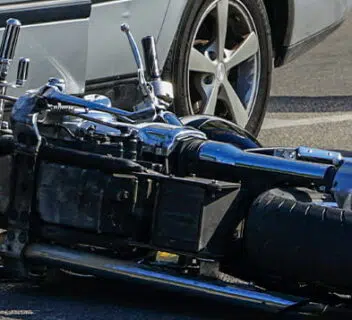
Average Motorcycle Accident Settlement

If you’ve been injured in a motorcycle accident due to the fault of another, then the law may entitle you to sue for compensation. Motorcycle accidents can have severe consequences, often leading to significant injuries and complex legal claims. You’re likely to be wondering about many aspects of your legal claim, from whether it’s actionable, to what the “average motorcycle accident settlement” is so that you can compare and contrast. But navigating these complicated questions isn’t easy without the help of a legal professional. That’s why we encourage you to consult an experienced motorcycle accident lawyer for guidance at the start.

Contact 1-800-THE-LAW2 for a free consultation with an experienced personal injury lawyer in our network.

Of course, if you’d like to learn more about the average motorcycle accident settlement, and motorcycle accident litigation issues in general, then keep reading! We’ll cover many of the basics so that you have a better understanding.

How much injury compensation will I get for my motorcycle accident?

If you’re injured in a motorcycle accident, then you could be entitled to compensation for any losses that you sustained due to the defendant’s negligence, recklessness, or intentional misconduct. Claimable losses include, but are not limited to:

  • Lost wages
  • Loss of earning capacity
  • Loss of property
  • Medical expenses (i.e., medical bills for whatever medical treatment you received to deal with your injuries, supported by your various medical records)
  • Pain and suffering
  • Loss of enjoyment of life
  • Loss of companionship
  • And more

Compared to a typical car accident, motorcycle accidents often result in more severe injuries, which can lead to higher settlement amounts.

Bear in mind that damages vary from case-to-case, as your personal circumstances (and the facts of the accident) are unique.

For example, if you’re unemployed at the time of your motorcycle crash, then your wage loss damages are likely to be zero (or close to zero). By contrast, if you have a high-paying job, and you’re forced to take some time off from work after the accident, then your wage loss damages are likely to be significant. This can lead to substantial discrepancies in outcomes on a case-by-case basis, which is why it’s so important to speak to a qualified motorcycle accident attorney for a clearer understanding of what you can expect.

Why do most personal injury disputes result in a settlement?

It’s true that the large majority of personal injury lawsuits conclude in a settlement.  In fact, industry observers estimate that as much as 95 percent of disputes are concluded through a settlement and not trial litigation.

Why?

Well, as a general rule, personal injury trial litigation tends to be:

  • Resource-intensive
  • Inherently uncertain
  • Distracting
  • Public
  • And more

For example, all litigation is inherently uncertain.

Even if you think you have a strong case for the damages you’re claiming, it’s possible that the court will reject your legal arguments, or will award you less compensation than you thought you’d receive ideally.  Thus, to avoid the inherent uncertainty of litigation — and the other negative factors — most parties prefer to negotiate a “certain” settlement that accounts for all aspects of the dispute.  This saves a lot of time, energy, and resources.

How long does a motorcycle accident settlement take?

Motorcycle accident cases vary significantly, so there’s really no time that encapsulates the “average motorcycle accident settlement.” The timeline can also be influenced by how quickly the insurance company processes your claim and negotiates a settlement. Some disputes can take a week to conclude, whereas others can take months or even over a year! Don’t make too many assumptions about litigation and settlement until you begin the process and have had detailed conversations with your personal injury attorney about your case.

What is the average settlement figure?

There is really no accurate answer to the “average motorcycle accident settlement” question.  That’s because most settlements are not publicly accessible information — they are privately negotiated and handled.

For instance, looking at motorcycle accident settlement examples can provide some insight into the range of possible outcomes.

Because the public data is extremely limited, there’s no accurate assessment we can make for an average motorcycle accident settlement.  Further, knowing these numbers is simply unimportant to understanding your own case (and settlement potential).  Every dispute is different, after all, and you’ll have to base your expectations on entirely different factors from other motorcycle accident disputes.

Settlement potential is typically based on the total damages you’re entitled to, modified by the certainty of your “win” should the case proceed to trial.  So, for example, if you’re arguing that you’re entitled to $100,000 in damages, but both you and the defendant agree that you have a 70 percent likelihood of securing those damages should the case proceed all the way through to trial, then a reasonable settlement would hover around $70,000 (e.g. 70 percent of the total damages).

What factors could influence my settlement offers?

Many different factors can influence your motorcycle accident claim settlement offers, including:

  • The hostility of the defendant and their willingness to settle
  • The financial resources available to the defendant
  • The negative publicity that the parties could encounter if the case were to proceed through the litigation process
  • The strength of your legal argument
  • The strength of the evidence supporting your liability claim
  • The strength of the evidence supporting your damages claim
  • And more

For example, suppose that you are suing a delivery truck company whose driver hit you while you were riding your motorcycle. The delivery company is concerned about litigation since it is public and could have a negative impact on their brand perception and business (if people start to believe that their delivery drivers are not safe operators). As such, they might be more willing to offer you a favorable and early settlement to avoid any sort of public litigation issues that could arise.

Understanding these pressures — and how to leverage them to your advantage — is part of the job for a skilled motorcycle accident lawyer. Make sure to discuss these opportunities with your lawyer when you have your initial consultation.

How much do experienced motorcycle accident lawyers cost to hire?

Generally speaking, most motorcycle accident attorneys work on a contingency fee basis, so they don’t cost anything upfront or out-of-pocket — instead, they provide legal representation in exchange for a percentage cut of whatever compensation they’re able to secure on your behalf. This percentage cut can vary depending on what you’re able to negotiate (25 to 40 percent or more) when you hire them.

The costs associated with a motorcycle accident lawsuit can vary, but understanding the fee structure is crucial.

In a contingency fee arrangement, you don’t pay unless (and until) you “win” compensation through a settlement, trial award, or some other means. If you don’t “win,” you don’t have to pay fees to the attorney. That makes pursuing your legal claims a lot less risky and a lot less financially burdensome.

The best part is that your attorney’s incentives will be aligned with your own. Not only do they get paid only if you “win” (so they’re incentivized to put in efforts into ensuring that you actually get compensated), but they also get paid more when you get paid more, due to the percentage fees. This means that they work to maximize your compensation. It’s not just about getting a quick buck off your case. That makes this form of legal representation substantially more client-friendly.

If you’ve been injured in a motorcycle accident due to another’s fault, then you could be entitled to sue for compensation in motorcycle accident cases. That being said, the legal process can be overwhelming and confusing — especially for a first-time plaintiff. We encourage you to get in touch with experienced motorcycle accident lawyers who can help you navigate litigation effectively from start to finish.

Contact 1-800-THE-LAW2 for a free consultation with a qualified local motorcycle accident attorney in our network. During this initial consultation, you’ll have the opportunity to discuss your case in more detail and to learn more about your next steps (and your strategic options) given the circumstances. Pick up the phone and call us today to get started! Motorcycle accident settlements aren’t always easy to understand, so it’s important to talk to a professional.

We look forward to assisting you with your motorcycle accident case.

Birth Injury Lawsuit | Birth Injuries Lawyer

If you or your baby was injured during birthing, and this injury was caused by the medical negligence of your healthcare professionals, then you could be entitled to sue for significant compensation through a birth injury lawsuit with the help of a skilled birth injury attorney. Birth injuries can have traumatic, long-term impacts on the baby and its mother — as such, it’s critical that you pursue your claims so that you can cover the many losses that you’re likely to have sustained.

Understanding the potential outcomes, including birth injury lawsuit settlements, can help you prepare for the legal process and manage expectations.

Contact 1-800-THE-LAW2 to connect to an experienced birth injuries lawyer in our network for a free consultation.

Of course, if you’d like to learn more about what a birth injury lawsuit entails, and what sort of issues you’re likely to encounter as you navigate litigation, then keep reading! We’ll be covering some of the basics.

What is considered a birth injury?

According to the National Vital Statistics Report, a birth injury is “an impairment of the neonate’s body function or structure due to an adverse event that occurred at birth.” These injuries include a wide range of minor to major injuries due to various mechanical forces during labor and delivery.

Worth reiterating: birth injuries impact the babies themselves. These injuries can have lifelong impacts, causing physical and mental disabilities that negatively influence the baby’s future career, relationship, and lifestyle opportunities.

Sadly, many birth injuries are caused by the medical negligence of the doctors, nurses, and other professionals involved in labor and delivery. These healthcare professionals may have violated “reasonable care” in the process, putting your baby at risk for lifelong issues due to your child’s birth injury. In such cases, you may be able to sue for damages due to the birth injury they were involved in causing. You’ll have to be willing to file a birth injury claim, however.

What causes birth injury?

In most birth injury lawsuits, the birth injuries occur due to issues occurring in the birth canal that can result in physical trauma to the baby. Thus, factors that influence the size and shape of the birth canal, and pressure exerted on the baby during birthing, can contribute significantly to birth injuries. These include, but are not limited to:

  • Large babies
  • Premature babies
  • Difficult labor
  • Prolonged labor
  • Pelvic disproportion of the mother
  • Abnormal birthing presentation (i.e., the baby comes out legs first)
  • Maternal obesity
  • And more

When it comes to issues caused by medical professionals, such as the misuse of birthing assistance tools, failure to diagnose conditions, and more, these can significantly contribute to birth injuries. These include:

  • Misuse of birthing assistance tools
  • Failure to diagnose conditions that can contribute to birth injuries
  • Choosing not to operate on the mother when doing so could have prevented birth injury
  • Misuse of pharmaceutical drugs
  • And more

For example, the attending physician’s choice not to recommend a C-section could result in birth injuries. This mistake could be considered medical negligence (i.e., medical malpractice) and could give rise to a birth injury lawsuit.

How often do birth injuries occur?

Birth injury statistics vary from state-to-state, and city-to-city — that being said, across the United States, there are (on average) seven birth injuries per 1000 births. Conditions such as cerebral palsy can result from these birth injuries, leading to lifelong challenges. That may seem insignificant, but it adds up to three birth injuries every hour! Despite how common birth injuries are, very few plaintiffs actually pursue a birth injury lawsuit – in part because it can be challenging to understand the long-term health impacts of a birth injury.

What is the most common form of birth trauma?

Common forms of birth trauma include:

  • Brachial palsy (i.e., nerve damage in the baby’s arms, shoulders, and hands)
  • Bruising (due to the trauma of passing through the birth canal and contact with bones and tissues)
  • Scalp swelling
  • Skull bleeding
  • Facial paralysis (pressure on the baby’s face during delivery can cause damage to the facial nerves)
  • Bone fractures
  • And more

If any of these (or other) injuries occurred during the birth of your child, then you might be entitled to sue for compensation depending on if there was medical negligence involved and the extent of harm your child suffered. It’s worth talking to an attorney about this possibility in more detail.

How do I know whether I have an actionable birth injury claim?

For an actionable birth injury claim, you’ll have to satisfy certain “liability” elements common to most birth injury cases. These foundational elements are as follows:

  1. You sustained a birth injury and subsequent losses;
  2. The healthcare professional owed a duty of care to you;
  3. The injury was caused by the healthcare professional’s violation of said duty of care.

In some cases, a birth injury claim may also involve a medical malpractice lawsuit if the healthcare professional’s actions are found to be negligent.

Though this seems like a straightforward analysis, each element can be argued in-depth, due to the nuance that each entails.

For example, the defendant may try to argue that even if their actions caused you injury, their actions did not constitute a violation of the “duty of care” that they owed you. Alternatively, the defendant may try to argue that you did not actually sustain a birth injury and that your condition is due to some pre-existing injury that you are conflating with birth-related trauma.

Given these complexities and the many ways in which they can impact your claims, it’s important that you work closely with a qualified personal injury lawyer who can navigate the issues effectively.

What sort of compensation am I entitled to for my birth injury?

When you’re dealing with birth-related trauma and other birth injuries, you may be able to sue for compensation to cover all the losses that you sustained due to the defendant’s negligence, recklessness, and intentional misconduct. Claimable losses vary quite a bit and include medical expenses, lost wages, and more:

  • Lost wages
  • Loss of earning capacity
  • Loss of property
  • Healthcare expenses (i.e., medical bills for whatever medical treatment you received to deal with your injuries, supported by your various medical records)
  • Pain and suffering
  • Loss of enjoyment of life
  • Loss of companionship
  • And more

Every birth injury lawsuit is different — both the facts surrounding the accident and the circumstances of the injured plaintiff — so, naturally, the potential damages tend to vary quite a bit from case-to-case, too.

For example, if you suffer a birth injury that prevents you from ever working again, then your wage loss compensation is going to be substantial since it has to account for future earning capacity until retirement age. By contrast, if your birth injury doesn’t prevent you from working, then your wage loss damages will be minimal.

Given the variation in compensation, it’s worth consulting an experienced personal injury attorney who can help you “work up” your case and build strong supportive evidence for your damages claim.

You do not have to be wealthy to afford legal representation — in fact, you don’t need any money at all. Most personal injury lawyers (including birth injury lawyers) work on a contingency fee basis. That means they typically don’t cost anything upfront or out-of-pocket. Instead, they offer to represent you in exchange for a percentage cut of whatever compensation they’re able to secure on your behalf. This can range from 25 percent to 40 percent or more, depending on what you negotiate when you hire them.

Given the variation in compensation, it’s worth consulting an experienced birth injury lawyer who can help you “work up” your case and build strong supportive evidence for your damages claim. When you work with an attorney on contingency, they don’t get paid unless (and until) you get paid. If you don’t “win” compensation, then you’re not on the hook for fees. That makes it a lot less burdensome to pursue your legal claims since there’s really no risk to pushing ahead with litigation.

One of the other significant advantages of contingency fee arrangements is that they incentivize the attorney to work efficiently and effectively to maximize your compensation. Not only do they have to “win” compensation to get paid, but the more you get paid, the more they get paid — so they have a strong incentive to make sure that you get a favorable payout.

Contact 1-800-THE-LAW2 for a Free Consultation

If you or your baby have sustained an injury due to birth trauma, then you could have an actionable claim for damages that makes it worth pursuing a birth injury lawsuit. And in cases where your baby sustained a fatal injury, you could be entitled to bring a wrongful death lawsuit.

Navigating the birth injury lawsuit process can be overwhelming and confusing for a first-time plaintiff. That being said, navigating the legal process can be overwhelming and confusing for a first-time plaintiff — and this is further complicated by the expertise necessary to effectively tease apart the facts in a medical negligence case (i.e., a birth injury). We encourage you to get in touch with an experienced birth injury lawyer for guidance.

Contact 1-800-THE-LAW2 for a free consultation with a qualified local birth injury lawyer in our network. During this initial consultation, you’ll be able to discuss the details of your case and learn more about what steps you should take to secure compensation. If you decide against moving forward with the dispute, that’s okay, too — there’s no obligation for you to continue after you’ve had your consultation. So pick up the phone and call in today to get started!

We look forward to assisting you.

Tractor Trailer Accident Lawyer

If you’ve been injured in a large truck accident, including semi truck accidents, then you could be entitled to sue for compensation under the law. Large truck accidents have unique challenges and opportunities in litigation, so it’s important that you connect to an experienced truck accident lawyer for assistance as you move forward. An experienced truck accident lawyer can help protect your rights, determine liability, and pursue fair compensation, addressing the complexities of the legal process following such incidents.

Contact 1-800-THE-LAW2 for a free consultation with a qualified tractor trailer accident lawyer in our network. They’ll provide a case evaluation so that you can better understand whether your claims are actionable and how best to proceed.

That being said, if you’d like to learn more about truck accident claims and the issues and opportunities you may face as you move forward, keep reading! We’ll cover some of the basics of truck accidents and the truck accident claim that you’d be litigating with the aid of a tractor trailer accident lawyer.

What is the number one cause of trucking accidents?

The number one cause of trucking accidents is driving while under the influence of alcohol or other illicit substances. This puts you — the truck accident’s injury victim — in a unique position to make a strategic legal argument.

See, if the trucking company knowingly employed a truck driver who has a history of driving while intoxicated, then you could sue the trucking company independently for negligently hiring the truck driver. In such a truck accident case, having experienced legal representation is crucial to gathering evidence and managing the complexities involved.

Aside from that, you could also potentially ask the court to award you bonus punitive damages, as intoxicated driving is a factor (i.e., egregious, malicious, reckless, or willful misconduct) that can justify the imposition of punitive damages. These damages can add up to seven times normal compensatory damages, so they’re absolutely worth exploring if available in your dispute.

Why are trucking accidents so dangerous?

Truck accident cases are uniquely dangerous, that’s undeniable — and the statistics bear this out, revealing that large trucks (and especially tractor trailers / semi-trucks) lead to a higher frequency of severe and fatal injuries. Statistics show that semi truck accidents often result in severe injuries due to the size and weight of these vehicles. But why do trucks pose such a danger?

Large semi-trucks tend to be:

  • Heavier than other vehicles (i.e., larger mass)
  • Less maneuverable due to their size
  • Have visibility limitations
  • And more

For example, the fact that semi-trucks are “heavier” than most other vehicles means that the impact of a collision is likely to be more significant, leading to severe or fatal injuries in many cases. These can lead to losses that are so substantial that a lawsuit is absolutely worth exploring so that you can determine whether there’s a reasonable path to financial compensation.

Potential compensation in a truck accident dispute

In a truck accident, you may be entitled to sue to recover compensation for a wide variety of losses, including truck accident injuries. Claimable losses include, but are not limited to:

  • Lost wages
  • Loss of earning capacity
  • Loss of property
  • Healthcare expenses (i.e., medical bills for whatever medical treatment you received to deal with your injuries, supported by your various medical records)
  • Pain and suffering
  • Loss of enjoyment of life
  • Loss of companionship
  • And more

It’s important to note that damages are variable between truck accident cases. There’s no one-size-fits-all solution to damages, as it has to take into account the unique circumstances of the injured individual (and the facts of the dispute itself).

For example, if you are a rock climber and the rock climbing community makes up your entire social life, then an injury that prevents you from climbing could have knock-on effects on your overall lifestyle. Under these circumstances, you could potentially have a significant “loss of enjoyment of life” damages claim. By contrast, someone with more “standard” hobbies would not necessarily have the same “loss of enjoyment of life” damages.

Suing the trucking company may be possible — and why that’s important

In personal injury claims, you can sometimes sue the employer of the defendant who caused you injuries — this doctrine is known as “vicarious liability.” Under vicarious liability, an employer can be held liable for the negligence of their employee, so long as the employee was engaged in job-related duties at the time of the accident.

For example, if a truck driver (who is delivering goods as part of their job) gets into a serious accident, then the injury victim could likely sue the trucking company that employs the defendant. Trucking companies can be held accountable for the actions of their drivers pursuant to the doctrine of vicarious liability.

Why is vicarious liability useful?

Simply put, truck drivers may not carry enough insurance coverage (on a personal level) to cover all the losses you sustained as a result of their actions. Thus, you need to sue defendants with “deeper pockets” in order to secure a proper payout that covers your losses in full. Employer-defendants, such as trucking companies, typically have larger insurance policies, and as such, they are strategically advantageous to sue.

It’s also worth noting that — by suing an employer — you also are litigating against a defendant who may have business incentives to resolve the case through a settlement early. This can help you to avoid the hassle, effort, and uncertainty of trial.

Why do most truck accident lawsuits end in a settlement?

Most lawsuits (in general) end in a settlement compromise. Why? The answer is pretty straightforward. Simply put, trial litigation tends to be:

  • Resource-intensive
  • Innately uncertain
  • Have publicity impacts
  • And more

For example, suppose that you are suing the defendant trucking company on the basis that one of their drivers was poorly trained (and speeding) and caused a collision with your vehicle on the roadway. The trucking company wants to avoid the negative publicity of a trial. That’s because they know their business could be severely impacted by any publicity that implies their drivers (and training process) are in any way dangerous.

Given that the trucking company wants to avoid the negative publicity of a trial, they may be more willing to offer an early and favorable settlement for your truck accident claim — because you know that they want to avoid trial, you can apply pressure in order to secure a better overall settlement payout.

How much do truck accident lawyers cost?

The general public is often under the impression that hiring a lawyer has to be expensive and is only for those who are rich.

In reality, however, most personal injury attorneys, including truck accident lawyers, work on a contingency fee basis — you don’t have to pay them upfront or out of pocket. Instead, they offer legal representation in exchange for a percentage cut of whatever compensation they’re able to secure on your behalf. This percentage cut can vary from 25 percent to 40 percent or more, depending on what you negotiate when you hire the attorney.

In contingency fee arrangements, you only pay if you “win” compensation. If you lose, then you typically don’t have to pay anything out-of-pocket. That means that there’s really no burden or downside to pursuing your claims, since there’s no cost to losing (except for an opportunity cost, of course).

Perhaps the best aspect of contingency fee dynamics is that they align the incentives of the attorney with those of the client. Because of how the percentage fees work, truck accident lawyers will be incentivized to represent you efficiently and effectively to maximize the likelihood of a win, and the amount of compensation they are able to recover.

You do not have unlimited time — explore the possibility of a lawsuit as soon as possible

All personal injury claims — including truck accident claims — are subject to a statute of limitations deadline. If truck accident victims do not file their claims before the deadline passes, then courts will automatically dismiss those claims on the basis that they have legally abandoned or relinquished their right to sue.

This can prevent truck accident victims from securing a financial recovery for their injuries. As such, it’s critically important that they pursue their claims in a timely manner, to avoid missing the deadline.

Every state implements different statute of limitations deadlines for different claims. In California, for example, the deadline for negligence-based injury claims is two years from the date of injury. That’s a fairly restrictive timeframe, so truck accident victims will want to make sure that they consult qualified truck accident attorneys as soon as possible after the collision.

Contact 1-800-THE-LAW2 for a Free Consultation

If you’re a truck accident victim (i.e., you’ve been injured in a truck crash or semi truck accident), then you could be entitled to compensation under the law. As you explore the possibility of a lawsuit, however, you may be feeling somewhat overwhelmed and confused — this is especially true if you’re a first-time plaintiff who has never been involved in litigation before. Given the complexities, we encourage you to get in touch with an experienced tractor trailer accident lawyer for clarity and guidance on how best to proceed with your claims.

Contact 1-800-THE-LAW2 for a free consultation with a qualified tractor trailer accident lawyer in our network. During this initial consultation, you’ll have the opportunity to discuss the details of your case and have your claims evaluated — you’ll also be advised on the next steps. If you decide against continuing with your dispute, that’s okay. There’s no obligation to move forward with the truck accident attorney after your free legal consultation. So pick up the phone and call in today to get started!

We look forward to assisting you.

Is Workers’ Comp Taxable?

If you’ve been injured on-the-job, then you could potentially receive compensation for your work injury, whether through a workers’ compensation payout or a personal injury settlement or a trial award.  Navigating these processes can be challenging, but there are unique opportunities that are available to you as well.  And you may not fully understand related issues like: “is workers’ comp taxable?”

For clarity and guidance, you should connect to an experienced workers’ comp attorney to represent you.  Contact 1-800-THE-LAW2 for a free consultation with a qualified attorney in our network.  As there’s no obligation to move forward if you decide against continuing, there’s really no downside to calling in and getting a case evaluation.

Of course, if you’d like to learn more about questions like “is workers’ comp taxable?” and other aspects of work injury disputes, keep reading!  We’ll cover some of the basics.

What is a workers’ compensation claim and how does it work?

Workers’ comp claim benefits are paid out to qualified employees for injuries they sustain on-the-job. These benefits are provided under the Workers’ Compensation Act, which ensures financial protection for injured workers. These benefits are paid out regardless of whether your employer was actually negligent and responsible for your injuries — all that matters is that you sustained an injury on-the-job. This makes it much easier to secure a payout.

In exchange for this “ease,” you are restricted from bringing a lawsuit against your employer, though exceptions do exist. Further, the workers’ compensation payment covers fewer losses than what you’d potentially receive if you were to bring a personal injury lawsuit directly against your employer.

What sort of a payout can I receive if I’m injured on-the-job?

If you’re an injured worker who has suffered a work injury, then you can potentially receive workers’ comp benefits that cover the following losses:

  • Lost wages
  • Loss of earning capacity
  • Healthcare expenses (for the medical bills sustained after receiving comprehensive medical treatment for the injuries)

You’ll notice that these damages are somewhat limited — though this disadvantage is counterbalanced by the fact that you don’t have to “prove” your employer’s liability in order to get a payout.

By contrast, if you sue your employer (or anyone else) directly, you can potentially receive compensation for the following losses:

  • Lost wages
  • Loss of earning capacity
  • Healthcare expenses (for the medical bills sustained after receiving comprehensive medical treatment for the injuries, using medical records to support this aspect of the claim)
  • Loss of property
  • Pain and suffering
  • Loss of enjoyment of life
  • Loss of companionship
  • And more

Damages can vary quite a bit from case-to-case. For example, if you have particularly brittle bones, then your pain and suffering (and your healthcare expenses) will be significant. By contrast, if you have “normal” bones, then your pain and suffering (and your healthcare expenses) will be less than your “brittle bone” self. Given the possibilities, it’s important to consult an experienced workers’ compensation lawyer to help you build out a well-supported damages claim.

Can the IRS take my workers’ comp settlement?

Is workers’ compensation taxable? Generally speaking, no — your workers’ comp payments and settlement are not considered to be taxable income, at either the federal, state, or local level. That being said, workers’ compensation benefits will be counted as taxable income if the combination of your Social Security Disability Income (SSDI) and workers’ compensation benefits are equal to at least 80 percent of your pre-injury income, which may result in owing federal taxes. In such cases, you may be required to pay taxes on the combined amount.

Can the IRS take my injury settlement or payout?

Generally speaking, your personal injury settlement (and any damages you’d receive after a successful trial if you went that route) is not counted as taxable income — at either a federal level or a state level.

That’s because your personal injury settlement is (rightfully) seen as compensation for actual losses that you sustained.  Since you’ve experienced a loss, and the settlement/trial payout is simply covering that loss, the funds are not technically a “windfall” such that they could be taxed.  The fact that settlements are mostly tax-free is hugely beneficial to injury victims, as settlement amounts can be quite significant in some cases.

Are workers’ compensation benefits taxable?

Yes, as a general rule, disability benefits are taxable. Social Security Disability Insurance (SSDI) payments may also be subject to tax, especially when combined with workers’ compensation benefits. Additionally, receiving supplemental security income (SSI) can affect the taxation of workers’ compensation benefits, as unique tax situations can arise when workers’ compensation offsets SSDI or SSI payments, potentially leading to a tax liability on a portion of the workers’ compensation received. Whatever disability payments you receive from your employer are reported as taxable income. However, it’s worth noting that you will be tax-exempt below a certain threshold amount that’s based on your overall tax bracket.

Under what circumstances can I avoid workers’ comp and sue my employer directly?

Under certain circumstances, you can sue your employer directly for damages:

  • You do not qualify to receive workers’ compensation benefits under the law (i.e., you’re a part-time employee, independent contractor, exempt employee, etc.)
  • Your employer wasn’t just negligent; they engaged in reckless or intentional misconduct, which caused you to sustain injuries on-the-job
  • Your employer retaliated against you for exercising your legal rights (i.e., they terminated you, denied a pay raise, denied a promotion, or otherwise made your work environment hostile); here, you could sue for a separate retaliation claim
  • And more

Besides that, even if you are qualified to receive workers’ comp, you can bring separate lawsuits against other defendants (not your employer) who contributed to your accident and injuries.  For example, if you fell off a ladder and injured yourself at work, you might be able to sue the ladder manufacturer for defectively designing or manufacturing an unsafe ladder product.

How much does it cost to hire a workers’ compensation attorney?

You might not be aware: many workers’ compensation attorneys actually offer their services on a contingency fee basis.  When you work with an attorney “on contingency,” you don’t pay upfront or out-of-pocket.  Instead, you receive legal representation and exchange a percentage cut of whatever compensation they’re able to secure on your behalf.  In other words, if you don’t “win” compensation, then you don’t have to pay.

Contingency fee arrangements lower the risk of pursuing litigation, since you either get paid or you don’t have to pay at all.  Further, it aligns the incentives of the attorney with those of the injured client.  Your attorney is incentivized to work efficiently to maximize your total compensation amount.  Why?  Well, not only does your workers’ comp attorney get paid only if they win compensation on your behalf, but they also get paid more if you get paid more (due to the percentage fees).

If you’ve been injured on-the-job, then you could be entitled to workers’ compensation payments, or even to sue your employer (or others) directly for damages.  Navigating these processes isn’t necessarily straightforward or easy, however, so we encourage you to get in touch with a qualified workers’ compensation lawyer for guidance.

Contact 1-800-THE-LAW2 for a free consultation with an experienced workers’ compensation attorney in our network.  During this initial consultation, you’ll be able to discuss your case in detail and learn more about your strategic options.  If you decide against continuing with the dispute, that’s okay — there’s no obligation.  So pick up the phone and call us today to get started with your free case evaluation.

We look forward to assisting you.

How to Talk to an Insurance Claims Adjuster After an Accident

If you’ve been injured in a serious motor vehicle accident, then you could be entitled to compensation — whether you are attempting to receive the payout after dealing with insurance claims adjusters, or litigating the claim through the court. Navigating these processes isn’t straightforward, and there are many unique challenges and opportunities that you’re likely to encounter. We encourage you to get in touch with an experienced car accident attorney.

Contact 1-800-THE-LAW2 for a free legal consultation with an attorney in our network. If you decide to move forward with the attorney, they’ll be able to speak on your behalf with the insurance claims adjuster (and anyone else) in order to help you secure compensation.

Of course, if you’d like to learn more about issues and opportunities with insurance claims and your insurance claims adjuster, then keep reading! We’ll cover some of the basics of the insurance claim process — from dealing with the insurance claims adjuster to navigating the claims submission strategically.

Insurance companies and insurance claims adjusters are not your allies.

Popular culture has taught Americans that one of the first and most important things you should do after an accident is talk to your insurance company (through the insurance claims adjuster). In fact, we’re bombarded every day with insurance ads that try to “soften” the public face of insurance, with friendly neighbors and cute cartoon geckos. Don’t be fooled. These are billions of marketing dollars at work, and the result of countless decades of political lobbying, too.

Bet you didn’t know that the insurance lobby is the largest political lobby in the United States, pumping billions straight into the pockets of your elected representatives so that they can continue to overcharge for policies, avoid transparency, and underpay claimants based on the terms of the insurance policy.

Still feel the insurer is your ally? Consider this.

Insurance companies improve their profit margins when they deny “edge case” claims and underpay legitimate claims. As publicly traded corporations, they have a legal duty to maximize their profits for their shareholders. To put it simply: they can and should do everything in their power to avoid paying you out for your claims, so long as they don’t violate your rights.

Unlike insurance company adjusters, public adjusters work directly on behalf of policyholders to assist in filing insurance claims, especially when settlement offers from insurers seem inadequate.

Now, it’s your responsibility to protect yourself. You have to understand and accept that the insurance company’s incentives are completely in opposition to your own — while you want to receive the maximum possible payout, they want to minimize your payout. It makes absolutely zero sense to “work with them” as though they’re your ally.

Instead, your focus should be on working with an attorney who can help you submit your claims and communicate your expectations effectively.

Why you’ll want an attorney to talk to your insurance company after a car accident

To maximize the profits of the insurance company, the job duties of insurance adjusters include speaking to claimants after a car accident in such a way as to obtain as much sensitive information as possible.

To become an insurance adjuster, one must pass a licensing exam, which is a crucial step in obtaining the requisite qualifications.

Unless you’re a lawyer, you might not realize that innocuous questions like “are you okay” could be used to later undermine your damages claims — after all, if you tell the insurance adjuster that you’re “fine” after the accident, even if you only meant to say it offhand in casual parlance, it may be used to argue that you were not actually suffering serious injuries after the car crash.

These innocuous statements — and more — can and will be used against you. The insurance adjuster is waiting to record each and every one of these slip-ups, which they will later use to deny your claim outright or to underpay you.

Avoid these concerns by having your attorney speak to the insurer instead. They’ll be able to communicate effectively without making sensitive disclosures that could otherwise harm your claims.

But what if I have to talk to insurance?  What should I avoid saying?

If you absolutely have to talk to the insurance provider, then here are a few things you should avoid disclosing:

  • Avoid any admissions of guilt, or apologies for the things that occurred
  • Avoid any discussion about whether you were partially at-fault for the accident (i.e., you were distracted, speeding, or perhaps not wearing a seatbelt)
  • Avoid any detailed discussions about how the crash occurred
  • Do not discuss your medical details after the accident
  • Do not discuss any communications that you may have had with attorneys

Claims adjusters work to gather information that can be used to minimize the payout on your claim. But even keeping these aspects in mind, you’re likely to make an inadvertent disclosure that could harm your claims — that’s why it’s so critical that you consult with an experienced personal injury attorney first.

Don’t assume that your claim is weak just because there are complications

Insurance companies have a tendency to convince claimants that their claims are “weak” and poorly supported by the evidence — but now you know that insurers are incentivized to make you feel that way. They actively benefit when they can convince a legitimate claimant to simply give up on pursuing their claims.

Claims related to natural disasters, for example, can be particularly complex but are often valid and worth pursuing.

Car accident claims are not always straightforward. What you may initially perceive to be a faulty claim (i.e., perhaps you weren’t wearing a seatbelt, perhaps you were speeding at the time of the accident, or perhaps there was significant property damage), could still lead to a recovery in litigation, depending on the state law that applies.

Instead of making assumptions about your claims’ value and “worthiness,” we encourage you to speak to a qualified personal injury attorney. They’ll be able to evaluate your claim more precisely, and identify potential avenues for recovery and legal argument that sidestep some of the issues.

Hiring a car accident attorney doesn’t have to cost you anything out-of-pocket

Many people mistakenly believe that hiring a personal injury lawyer (which includes car accident lawyers) is a costly endeavor that is only available to the wealthy. Similar to the misconception that only full-time employees receive health insurance benefits, this is a common misperception.

In reality, most personal injury lawyers work on a contingency fee basis, so they don’t cost anything upfront or out-of-pocket. Instead, they offer legal representation in exchange for a percentage cut of whatever compensation they’re able to secure on the client’s behalf (this percentage cut can range from 25 percent to 40 percent or more, depending on the negotiated fees).

The car accident lawyer only gets paid if they “win” your compensation. If they don’t win, you don’t have to pay. This takes an enormous financial burden off of the client. You either walk away with a payout, or you walk away without having to pay any attorney fees — this substantially reduces the risk of litigating your personal injury claims.

Best of all, contingency fee arrangements align the incentives of the attorney with the client. They are incentivized to work efficiently to maximize compensation. After all, the more you get paid, the more they get paid!

If you’ve been injured in a car accident (or any other type of motor vehicle accident), then you could be entitled to compensation under the law.  As you explore the possibility of a lawsuit, you may be feeling somewhat overwhelmed or confused — that’s totally normal!  The legal process can be quite complicated, and there are many nuances and issues that can impact your dispute.  As such, it’s important that you connect with an experienced car accident attorney who can help you understand how best to proceed.

Contact 1-800-THE-LAW2 for a free consultation with a qualified local car accident lawyer in our network.  Our network of attorneys includes highly qualified professionals, many of whom have advanced degrees and certifications beyond the basic requirement of a high school diploma. During this initial consultation, you’ll have the opportunity to discuss the details of your case and learn more about your strategic options.

We look forward to assisting you.

Side Impact Car Accident Guide: Legal Steps to Take

Have you been in a side impact car accident? If so, then you could be entitled to damages as compensation under the law — but knowing what legal steps to take can be complex and frustrating, especially for a first-time plaintiff.

A side impact crash often results in severe injuries (i.e., spinal injuries, internal injuries, and more), making it crucial to understand the personal injury implications and the importance of consulting with a personal injury attorney to navigate medical expenses, legal rights, and compensation claims.

Well, we’re here to help!

Contact 1-800-THE-LAW2 for a free consultation with one of the experienced car accident attorneys in our legal network. Of course, if you’d like to learn more about side impact car accidents, first, then read ahead — we’ve created a short side impact car accident guide to explain some of the basics.

You’ll have an actionable legal claim in a side impact accident (otherwise known as a t-bone accident) if you can establish the following elements:

  1. The defendant engaged in negligence, recklessness, or intentional misconduct; and
  2. You sustained damages as a result.

Simple, right?  The foundational elements for t bone crashes are straightforward, but they’re only simple on the surface.  In truth, there are many nuanced personal injury law issues that are contained within these basic claim elements, and they are the source of many conflicts within the overall dispute.

For example, the defendant may argue that you did not actually suffer any damages because your injuries were “preexisting” and not caused by the collision.  This basic disagreement could transform into a serious issue over the course of the dispute, and could impact your recovery, especially in side-impact accidents involving more severe injuries (where the importance of legal assistance cannot be overstated)!

What makes T-bone accidents so dangerous?

Side impact car crashes are uniquely dangerous because — despite developments in car safety devices over the years — there is simply less material to absorb the force of an impact. No matter how much they design a consumer vehicle to crumple effectively and minimize the damage caused by a side impact, the truth is that the material thickness is not sufficient to adequately protect occupants (i.e., a driver or passenger) in the event of a collision. The injuries suffered can be devastating. Traditional safety features, such as airbags and seatbelts, are less effective in protecting occupants from severe injuries during side collisions.

If you’re hit by a truck at high speeds (in a side impact car crash), for example, then your door will almost certainly collapse in and your body will sustain a direct impact with the impinging truck. This is likely to cause severe injury, and in some cases, even death. Head injuries resulting from side-impact collisions can range from mild concussions to severe traumatic brain injuries (TBIs), often damaging the brain, skull, and scalp, with potential long-term effects on cognitive and motor functions.

Given the severe consequences of a side impact collision, the damages are often substantial — and it makes effective legal representation that much more critical. Serious injuries from such accidents often lead to catastrophic outcomes due to the limited protection provided in vehicles, emphasizing the importance of understanding the potential consequences and seeking a skilled personal injury lawyer for those affected.

What sort of damages can I claim after a side impact car accident with severe injuries?

After a side impact car accident, you can claim damages for whatever losses you sustained as a result of the defendant’s negligence, recklessness, or intentional misconduct. Claimable losses in a personal injury lawsuit include, but are not limited to:

  • Lost wages
  • Loss of earning capacity
  • Loss of property
  • Medical expenses (i.e., medical bills for whatever medical treatment received)
  • Pain and suffering
  • Loss of companionship
  • Loss of enjoyment of life
  • And more

Spinal cord injuries from side-impact collisions can lead to severe harm, including paralysis and chronic pain, due to the unnatural twisting or bending of the spine. Traumatic brain injury (TBI) can also occur in such accidents, ranging from mild to severe, and may have long-term effects on cognitive and motor functions, necessitating immediate medical attention.

Damages can vary substantially from case-to-case, as every plaintiff has unique circumstances. For example, if you are unemployed at the time of the car accident, then your lost wages claim is likely to be low (or even zero). If you are gainfully employed at the time of the accident, however, and you have to take several months off to recover from your various injuries, then your lost wages claim is likely to be high.

Who can I sue after a side impact car accident?

After a side impact car accident, you can potentially sue the following parties (depending on the particular circumstances of the case):

  • The other driver (i.e., the one who collided with your vehicle)
  • Any other drivers whose negligence, recklessness, or intentional misconduct may have contributed to the accident
  • Employers of the various drivers responsible for the accident (if the drivers were on the job at the time of the accident)
  • Auto repair shops whose failure to adequately inspect or maintain a vehicle thereby contributed to the accident
  • Auto manufacturers whose defective parts may have contributed to the accident
  • The City, if some dangerous condition of their property contributed to the accident
  • Private property owners, if some dangerous condition of their property contributed to the accident
  • And more

T-bone accidents, also known as side-impact collisions, often result from traffic violations or reckless driving and can lead to severe injuries. Legal representation is crucial for victims to address the implications and seek justice.

That’s a lot of potential defendants!  Given the possibilities, it’s important to consult an experienced car accident lawyer who understands how to “work up” a case and identify (and sue) the relevant parties.

If I’m partially at-fault for the side impact car accident, can I still sue for compensation?

If you’re partially at-fault for the accident, then your ability to sue for compensation could be impacted — however, the degree to which your recovery could be impacted depends on the state law that applies to the dispute.

In many states, the doctrine of pure comparative fault applies.  Per this doctrine, you are entitled to sue and recover damages even if you are 99 percent at-fault.  That being said, your compensation will be reduced by the percentage fault that you contributed.  So, for example, if you have damages totaling $100,000, but you are 70 percent at-fault, then you’d be entitled to recover $30,000 maximum. Side-impact crashes, while dangerous, often result in fewer fatalities than head-on collisions, emphasizing the protective features found in vehicles designed for frontal impacts.

In some states, the doctrine of modified comparative fault applies.  It works the same way as pure comparative fault, with one crucial difference — you are not entitled to sue for damages if you are 51 percent (or more) at-fault.  Any less, and you’re entitled to recover damages (albeit reduced by your percentage contribution of fault).

In a small minority of states, the doctrine of strict contributory fault applies.  Per this doctrine, you are not entitled to sue and recover damages even if you are just one percent at-fault.  This can be quite restrictive, but there may still be ways around this limitation.  For example, if your car accident lawyer can show that your failure to wear a seatbelt did not actually affect you in the accident, then you could potentially recover damages and circumvent the restriction.

What happens if someone hits my car and drives off?

This is known as a “hit and run” and you could still be entitled to sue and recover damages in a lawsuit.  That being said, the main challenge in a hit-and-run lawsuit is actually identifying the defendant-driver who fled the scene.

You can do so by working with an experienced car accident lawyer who can talk to the City, landowners, business owners, eyewitnesses, and other stakeholders who might have access to video footage or photo evidence that reveals the identity of the hit-and-run driver.  Alternatively, the lawyer will secure the assistance of an investigator who may be able to reconstruct the accident scene, and thereby identify the fleeing driver.

If you simply cannot identify the defendant-driver, you may still have options for a partial recovery by suing other responsible defendants.  For example, if the City improperly maintained traffic lights, which caused them to fail (and thus contributed to the intersection side impact collision that injured you), then you could potentially sue the City for damages, and at least recover partially.

If you’ve been injured in a side impact car accident, then you could be entitled to sue for compensation under the law — but navigating the legal dispute process isn’t always straightforward or simple.  That’s why it’s important to consult with an experienced car accident attorney for guidance.  They’ll be able to help you understand whether you have an actionable claim, and how best to proceed with your claims so that you can secure the maximum possible compensation.

Contact 1-800-THE-LAW2 for a free legal consultation with a qualified local car accident attorney in our network.  During this initial consultation, you’ll have the opportunity to discuss the details of your case and learn more about what your next steps should be.  If you decide against moving forward with the dispute (or with our network attorney), that’s ok — there’s no obligation for you to continue.  So pick up the phone and call us today to get started.

We look forward to assisting you.

Steps To Take After Really Bad Car Accidents For Safety And Legal Recovery

Accidents happen, and if you’ve suffered injuries in really bad car accidents, then you may be left wondering about a variety of different issues, like whether you’re entitled to a legal recovery of compensation, or what steps you should take after an accident to ensure that you don’t undermine any aspects of your future lawsuit.

Let’s take a closer look.

What Steps Should I Take After Getting Hurt in a Really Bad Distracted Driving Car Accident?

After getting in really bad car accidents, there are certain steps that injury victims should take to ensure that their claims are preserved and their chance of success (should they pursue litigation) is maximized.  Consider the following:

  • Seek emergency medical attention, if necessary.  Assuming that your injuries are serious enough that you need immediate medical attention, do not delay — prioritize your health above all else, and go to the hospital.
  • If emergency medical attention is not necessary, then take the time to record photos and videos of the accident scene, and of your injuries.  These will serve as useful evidence to support your factual narrative in the dispute. It is also crucial to maintain control and be aware of other drivers to prevent further accidents.
  • Obtain the contact information of eyewitnesses (and the defendant).  This will ensure that you can get in touch with those who can provide supportive testimony.  If you do not get their contact information at the accident scene, it can be quite a challenge to identify eyewitnesses later on.
  • Avoid speaking to insurance adjusters (and others at the insurance company) until you’ve run it by an attorney first.  Insurance companies are not your allies.  They make greater profits when they reject or underpay legitimate claims.  As such, when you’re speaking to their employers, they are observing your statements closely in the hopes that you will make a sensitive disclosure that undermines your case.
  • Contact an experienced car accident attorney as soon as possible.  They are more than courtroom advocates and can handle a variety of tasks on your behalf: from communication (with third parties) to evidence gathering, and more.

Potential Compensation in a Car Accident Dispute

Compensation in a car accident dispute is meant to account for all the losses you suffered as a consequence of the accident-related injuries. These losses can be quite varied, depending on the accident itself and the lifestyle and circumstances of the victim. The type of vehicle involved can also affect the compensation claim, as different vehicles may incur different levels of damage and repair costs. Claimable losses may include:

  • Lost wages
  • Loss of earning capacity
  • Loss of property
  • Medical expenses
  • Pain and suffering
  • Loss of companionship
  • Loss of enjoyment of life
  • And more

Litigation Involving Medical Bills and Insurance Policies

What if you have medical insurance coverage that has paid out for all your medical bills already?  Well, the law still allows you to sue for compensation (based on whatever the costs indicated on your medical records).

Alcohol-related factors can complicate medical and insurance claims, making it crucial to avoid risky behaviors like drinking and driving.

Being able to sue and recover for medical expenses that you didn’t actually sustain directly (i.e., you didn’t pay anything out-of-pocket) could lead to a substantial financial windfall.  So why does the law encourage this sort of thing?

The law has been designed to empower you to sue for medical expenses, even when they’ve been covered by insurance companies, because it would be unfair for you to be punished for having the foresight to purchase an insurance policy.  If this sort of principle was not put in place by lawmakers, you — and others — would be incentivized to avoid purchasing insurance coverage, since only then could you sue for your medical bills.

Unique Issues: the Eggshell Skull Plaintiff

The eggshell skull rule is one that you may encounter in your car accident dispute — and it is likely to benefit you greatly — but many people aren’t aware of how it works.  It’s actually quite simple, but we’ll use an example to explain.

Suppose that you are injured in a bad car accident.  The car crash impact causes surface-level injuries, at first, but over time, you discover that you have sustained lifelong spinal cord damage due to your weak bone structure (which affected the protective spinal column that covered your spinal cord).  You are, in other words, a “uniquely fragile” plaintiff — an eggshell skull plaintiff.

Heavy traffic can exacerbate the severity of injuries in an accident, as the increased potential for interactions with risky drivers elevates the risk of accidents.

Under these circumstances, if you sue, the defendant-driver who hit you can’t argue that they aren’t liable for your damages.  Why not?  Lawmakers protect injured plaintiffs by shifting the burden of an accident to the defendant.  After all, it would be unfair if you were forced to pay for the cost burden, just because you have a unique fragility.  The defendant is the one who engaged in negligent, reckless, or intentional misconduct — so they should pay.  This principle is known as “finding the plaintiff as they are.”  Basically, a defendant has to deal with the consequences of their actions, which include potentially causing injury to a fragile plaintiff who could have outsized damages.

So if you’ve sustained substantial injuries that another “normal” person would not have sustained, that’s okay — you could still potentially sue and recover all your damages.

What if I’m partially at-fault for the car accident?  Can I still sue for compensation?

If you’re partially at-fault for the car accident, then whether you are entitled to sue for compensation (and how much compensation you could potentially recover) will depend on the state law that applies to your case. Let’s explore the basics.

Running a red light can significantly impact fault determination in an accident. For instance, if a driver runs a red light at high speed and causes a serious crash involving a pedestrian, it highlights the dangers of disregarding traffic signals and can heavily influence the assignment of fault.

In many states, the doctrine of pure comparative fault is applied. Under the pure comparative fault doctrine, you can sue for damages even if you are 99 percent at-fault — just bear in mind that your compensation amount will be reduced by your contribution of fault. So if you are claiming $100,000 in damages, but are 60 percent at-fault, then you could be entitled to recover $40,000. It’s not ideal, but it’s at least some form of recovery in a situation where the fault hierarchy is messy.

In some states, the doctrine of modified comparative fault is applied. Under the modified comparative fault doctrine, you can sue for damages so long as you are less than 51 percent at-fault. If you are 51 percent (or more) at-fault, then courts will restrict your ability to obtain compensation. That being said, if you are less than 51 percent at-fault, then your total compensation will be proportionately reduced by your contribution of fault, same as in a pure comparative fault state.

In a minority of states, the doctrine of strict contributory fault is applied. Under the strict contributory fault doctrine, you are not entitled to sue for damages if you are partially at-fault — even if you are just one percent at-fault. That’s a severe restriction, but it can be overcome if you can show that your fault contribution is not causally linked to the accident/injuries.

What can a car accident attorney do to help me?

Personal injury attorneys (which includes car accident attorneys) handle a wide variety of tasks and responsibilities for their clients.  They are not just courtroom advocates.  Their duties include, but are not limited to:

  • Identifying, gathering, and preserving relevant evidence
  • Working with expert witnesses and eyewitnesses to build supportive testimony
  • Communicating on behalf of the client (with various other parties, from the defense to law enforcement and insurance companies)
  • Developing a persuasive legal argument based on the evidence
  • Negotiating a potential settlement agreement
  • Navigating various court hearings and processes (such as evidentiary requests)
  • Push ahead to trial litigation, if necessary
  • Secure compensation after a payout
  • And more

Safe driving practices are crucial in preventing accidents and reducing the need for legal intervention. Adopting safe driving behaviors, such as avoiding distractions and risky maneuvers, helps maintain perfect driving records and mitigates the risks associated with driving.

That’s a lot of different responsibilities, and the procedural requirements can be quite strict, so it’s not encouraged to move forward with your dispute until and unless you have secured the assistance qualified personal injury lawyer.

If you’ve suffered bad car accident injuries, or if you’ve just been in a really bad car accident and are unsure of how to move forward with a case, then it’s important to get in touch with an experienced car accident lawyer who can help you navigate the legal process and secure the compensation you deserve.

The devastating effects of drunk driving, such as tragic incidents where a child witnesses the death of a parent or significant accidents like historical bus crashes caused by drunken drivers, highlight the importance of seeking legal assistance.

Contact 1-800-THE-LAW2 for a free legal consultation with a qualified local car accident lawyer in our network.  During this initial consultation, you’ll have the opportunity to discuss the details of your case with a proper legal professional and learn more about the next steps and strategic options.  If you decide against moving forward with our network attorney, that’s okay, too — there’s no obligation to continue.  So pick up the phone and call in today to get started!

We look forward to assisting you.

Motorcycle Accidents vs Car Accidents

If you’ve been injured in a motorcycle accident, then chances are that you’re frustrated and a little bit confused about what to do next. You might be wondering how your case stacks up against others, especially car and motorcycle accidents, and a lot of questions are likely floating around in your head: what is the difference between motorcycle accidents vs car accidents? Do I have to approach litigation in a particular way when moving forward with a lawsuit in motorcycle accidents vs car accidents?

Understanding motorcycle safety can help in comparing motorcycle accidents vs car accidents.

We understand, so we’ve taken the liberty of writing about some of the basics to help you get your bearings! Read on to learn more.

How likely is a motorcycle accident compared to a car accident?

According to the National Safety Council, though motorcycles make up only 3% of all registered vehicles and 0.7% of all vehicle miles traveled in the United States, motorcyclists account for 14.6% of all traffic fatalities and 3.5% of all injuries. Traffic collisions involving motorcycles are disproportionately high compared to those involving cars, highlighting the increased risk for motorcyclists.

Car accident statistics show that while there are over 98 million registered cars in the United States, motorcyclists face a higher risk of severe injury due to their lack of structural protection.

Meanwhile, there are over 98 million registered cars in the United States, and — in 2023 alone — there were over six million car crashes, which led to 40,990 traffic fatalities. Though there are (in absolute terms) more car crashes in the United States year-on-year, it’s much more likely for a motorcyclist to not only get into an accident but also sustain more serious injuries in the accident, including fatal car accidents.

From an injury perspective, are motorcycles statistically safer than cars?

Not at all. Motorcyclists are at much higher risk of injury (and death) than those driving or riding as passengers in cars, and the statistics bear this out. Motorcycle riders face a significantly higher likelihood of fatal injuries due to the lack of protective features in motorcycles. According to recent reports conducted by the National Highway Traffic Safety Administration, motorcycle riders are exposed to 28 times the fatality risk, and four times the injury risk, of passengers in cars!

Implementing road safety measures can help reduce the risk of injuries for both motorcyclists and car drivers.

This is a stunning difference and really highlights just how vulnerable motorcyclists are on American roadways, and how important it is that other drivers exercise better awareness and caution to prevent severe injuries in motorcycle crashes.

Why are motorcyclists exposed to such a high risk of serious injury (or even death)?

As a motorcycle rider, you may be skilled and cautious when operating your vehicle (and you may be particularly good at avoiding motorcycle accidents), but the statistics don’t lie — you’re still exposed to a higher risk of serious injury and death than car drivers involved in passenger car accidents.

Why?

Leaving aside any contributory fault on the part of the motorcycle rider, there are many additional factors that make motorcycle accidents rather common on the roadways (and uniquely dangerous for the rider). Some factors that heighten the danger of a motorcycle crash include:

  • Motorcycles have no outer material that can absorb the force of impact. The impact force of a passenger car, or truck, is directly applied to the motorcyclist, who is then seriously injured or even killed. In a car accident, by contrast, at least some of the impact force would be absorbed in the outer skeleton of the vehicle, which is designed to crumple to dissipate these damaging forces. Simply put, motorcycle riders are exposed to a higher risk of more severe injuries (in fact, severe or fatal injuries are so common that celebrity and athlete contracts often stipulate that no motorcycle riding is allowed!).
  • Most passenger cars aren’t entirely comfortable around motorcyclists and don’t know how to navigate roadways in such a way to keep motorcyclists safe. In the United States, motorcyclists aren’t nearly as common as they are in many other countries. As a result, other vehicles (and American drivers in general) don’t necessarily have situational awareness when it comes to motorcyclists sharing the roadway. This can lead to reckless lane shifts, blind spot errors, and various other issues that can lead to something as serious as a fatal accident. Passenger car drivers often feel uneasy around motorcycles due to their lower visibility and different traffic behavior.
  • Motorcyclists may not realize that there are different laws from state to state, which can affect what constitutes “safe behavior.” Some states allow motorcyclists to avoid using helmets, or allow lane splitting, for example, while others do not.

Using protective gear can mitigate some of the risks associated with motorcycle accidents. Helmets, jackets, gloves, and other protective equipment can significantly reduce the severity of injuries in the event of a crash.

Given these and other factors, it’s important to exercise caution on the roadways. Clearly, the causes of motorcycle accidents are quite varied. So don’t just assume that other drivers will engage in safe behavior — make sure to take steps to actively protect yourself!

How the perception of motorcyclist “risk appetite” affects motorcycle injury lawsuits

The reality of litigation is that success — and failure — is not just based on an objective, factual analysis. While objective reasoning is a foundational element of litigation success, there are subjective factors and biases that can significantly affect the outcome. Among these is a bias against motorcyclists in the personal injury lawsuit context. Fatal motorcycle accidents often highlight these biases, as the severe consequences and injuries associated with such incidents can influence the court’s perception and the challenges faced in personal injury claims.

Generally speaking, the public (which, of course, includes the court and jury) perceives motorcyclists as “daredevils” and “joyriders” who voluntarily assume a significant risk by riding a two-wheeler on American roadways. It doesn’t help that so much media since the 1950s has painted motorcyclists as criminals, gang members, rebels, and other unsavory characters. It can be unfair, as most motorcyclists are just regular people who are exercising reasonable caution as they go about their lives — yet these media portrayals (and the public bias that has resulted from it) can affect their ability to recover the compensation they deserve.

In court, you may find that you are fighting from a point of disadvantage in that the jury may assume that your factual narrative is incorrect. They might assume that you were engaged in some sort of reckless behavior. Thus, it’s important that you work with skilled personal injury lawyers who understand how to build an airtight case supported by strong evidence so that these biases cannot take root. Granted, there may be additional challenges in this regard if you weren’t wearing proper safety gear (i.e., you weren’t engaged in proper helmet use), which can give the court further reason to entrench their biases against you.

Damages in a motorcycle accident dispute

Motorcyclists often suffer severe, life-changing injuries and related losses, so it’s no surprise that the damages in motorcycle accident disputes tend to be quite high. Motorcycle accident injuries are particularly severe due to the vulnerabilities of motorcycle riders, necessitating specialized legal representation to ensure proper compensation. These damages must account for all the losses you sustained as a result of the defendant’s negligent, reckless, or intentional misconduct, so they can be quite varied.

Claimable losses include, but are not necessarily limited to:

  • Lost wages
  • Loss of earning capacity
  • Loss of property
  • Healthcare expenses (i.e., medical bills for comprehensive care and treatment, supported by the medical record)
  • Medical expenses (i.e., costs for surgeries, rehabilitation, and ongoing treatments)
  • Pain and suffering
  • Loss of enjoyment of life
  • Loss of companionship
  • And more

These damages are different from case-to-case, as the particularities of the accident (and the claimant’s life circumstances) are unique.

For example, if you’re injured in a motorcycle accident and you can’t do any physical labor for the rest of your life, that will have a larger “lost wages” impact if you’re a construction worker than if you’re a white-collar office worker. To maximize your damages, you and your attorney will have to work together to develop a winning strategy that showcases your many losses and the severe impact of the accident on your life.

As a motorcyclist, who can you sue in a motorcycle accident dispute?

Injured motorcyclists can potentially sue anyone who contributed (through negligent, reckless, or intentional misconduct) to the accident and subsequent losses. Motorcyclists often face unique risks and misunderstandings with larger passenger vehicles due to differences in size and maneuverability. This broad definition can empower the motorcyclist plaintiff to sue a variety of defendants, depending on the circumstances of the accident.

Potential defendants include, but are not necessarily limited to:

  • The other driver who directly contributed to your accident
  • Any negligent drivers who contributed to your accident
  • Any employer of said drivers, so long as the drivers were performing work-related duties at the time of the accident
  • Any auto repair shop or maintenance crew whose failure to adequately inspect/repair the vehicles involved contributed to your accident
  • Any helmet manufacturer whose defective designs or manufacturing processes contributed to your injuries
  • Any auto manufacturers whose defective designs or manufacturing processes contributed to your accident
  • The City, State, or federal government, if a hazard on their property (i.e., the public roadway) contributed to your accident
  • Any private property owner, if a hazard on their property contributed to your accident
  • And more

That’s a lot of potential! Navigating your claims against these defendants can be quite complicated, so it’s crucial that you work with an experienced personal injury attorney for guidance.

Will I be able to afford to hire a motorcycle accident attorney for my case?

Yes, absolutely — and we can say that definitively because most motorcycle accident attorneys (who technically fall under the category of personal injury lawyers) offer their services on a contingency fee basis. That means that there aren’t any upfront or out-of-pocket costs in hiring the attorney. It costs you literally nothing until (and unless) they “win” by securing compensation on your behalf. If you don’t “win,” you don’t pay anything. Legal representation is crucial for navigating motorcycle accident disputes, ensuring that you have professional support to secure the best possible outcome.

How does it work?

Simply put, personal injury attorneys working on contingency agree to provide legal representation at no upfront cost, in exchange for a percentage cut of whatever compensation they’re able to “win” for you, whether through a settlement agreement or a trial award or some other process. This percentage can vary quite a bit, from 25 percent at the low end to 40 percent or more at the high end.

Contingency fee arrangements lower the barrier-to-entry for injured motorcyclists to sue, and they also have the added benefit of aligning the incentives for attorney and client. The personal injury lawyer is incentivized to engage your case efficiently and effectively to maximize your overall compensation — after all, the more you get paid, the more they get paid!

If you’ve been injured in a motorcycle accident or a car accident, or in any other motor vehicle accident, then you could be entitled to sue for compensation under the law. Navigating the legal process isn’t always as simple as it might seem at first glance, however — there are many unique challenges and opportunities that you’re likely to encounter as you move forward with litigation. To that end, we can connect you to an experienced motorcycle accident lawyer who can help you identify the issues and execute a proper case strategy.

Contact 1-800-THE-LAW2 for a free legal consultation with a qualified local motorcycle accident lawyer in our network. During this initial consultation, you’ll be able to discuss the details of your case and receive valuable legal advice about your strategic options. Of course, if you decide not to move forward with the attorney, that’s okay, too — there’s no obligation to continue. So pick up the phone and call us today to get started.

We look forward to assisting you.

Chance Of Getting In A Car Accident: Know Your Risk

If you’ve been harmed in a car accident, then chances are that you have a lot of questions surrounding the accident — and your potential legal claims. You may be thinking about how unlikely it was that you got into the accident in the first place: “what is the chance of getting in a car accident?”

Car accident fatalities are a serious concern, with single-vehicle collisions accounting for a significant percentage of these fatalities. Car accidents are a leading cause of preventable deaths in the U.S., highlighting the importance of understanding the risks involved.

For some injury victims, this way of thinking makes them more confident that they have a legal claim, as the “rarer” the accident, the more likely that the defendant’s decision-making was compromised (i.e., that the defendant engaged in negligence, recklessness, or intentional misconduct). The chance of getting in a car accident is relatively low if all parties are exercising proper caution, after all!

Though you may be exploring questions like this, we encourage you to get in touch with a qualified personal injury lawyer for guidance. Here at 1-800-THE-LAW2, we can connect you to a personal injury lawyer who can offer a free legal consultation to evaluate your claims and help you determine how best to move forward.

Of course, if you still have burning questions, read on! We’ll cover some of the basics.

What are the chances of getting in a car accident?

Your chance of getting in a car accident depends on a number of different factors: from how cautious you are as a driver, to how much time you spend behind the wheel. For example, if you rarely drive, then you’re not exposing yourself to as much injury-related car accident risk or fatal car accident risk as someone who commutes several hours every day.

Focusing on the amount driven, according to recent car crash statistics, for every 1000 miles that you drive, your chance of getting in a car accident is 1 in 366 — or 0.27%. Car crashes can vary in type and cause, from minor fender benders to severe collisions, often influenced by factors such as driving behaviors and vehicle characteristics. The severity of these crashes impacts the likelihood of injuries and fatalities. That may seem low, but the average American spends roughly 300 hours behind the wheel every year. The car accident statistics bear this out. In 2021, for example, over six million motor vehicle accidents were reported in the United States, resulting in 1.8 million injuries. That is an enormous volume of car collisions and injuries.

Is flying safer than driving?

Absolutely, yes.  According to the Civil Aviation Organization (CAO), your chance of getting in a plane crash is a staggering 1 in 11 million.  It’s exceedingly rare to be harmed in a plane crash incident.  By contrast, some estimates put the chance of getting in a car accident as 1 in 5,000, which is much more likely.

What time of day do most car accidents occur?

According to the National Safety Council (NSC), the most dangerous time of day to be driving is the rush hour period (generally defined as the time between 4 p.m. and 8 p.m.). It makes sense — during the morning rush hour period, there’s adequate light. By contrast, the evening rush hour may have vision impairment-related issues due to a lack of light, mixed with the additional problem of fatigued drivers and even intoxicated drivers (who may have had a few after-work drinks). Awareness regarding substance use is crucial, as drunk driving significantly contributes to fatal car accidents. It is essential for drivers to avoid operating vehicles under the influence of alcohol to prevent tragic outcomes.

What age group causes most car accidents?

Though a larger percentage of teenagers get into accidents, the age group that actually is involved in the most car accidents is 21-34 years old. That’s because there are more drivers in the 21-34 age range than 15-21.

When looking at the most fatal car accidents, Texas has the highest total fatalities, while Mississippi leads in fatalities per capita. Regional differences are significant, with states like Arkansas and Wyoming also having high fatal accident rates.

What is the biggest cause of road accidents? Is it distracted driving?

The biggest cause of motor vehicle accidents in the United States is distracted driving, which covers a lot of different behaviors — cell phone use, talking to passengers, eating in the vehicle while driving, and more.  If more drivers simply paid attention to the road and didn’t engage in distracted driving, there would be a lot fewer people getting into a car accident, and a lot fewer car accident victims. That being said, the most “deadly” cause is driving while under the influence of drugs or alcohol, which contributes to more fatal accidents.

Who can I sue after I’ve been injured in a car accident?

After you’ve been injured in a car wreck, potential defendants (i.e., those whose negligence, recklessness, or intentional misconduct contributed to your injuries) may include:

  • The other driver (who hit you)
  • Any other drivers who contributed to the accident
  • The employer of any of the drivers, if they were working at the time of the accident
  • The auto manufacturer, if some design or manufacturing defect contributed to the accident
  • The City, if some property hazard (i.e., a pothole) contributed to the accident
  • Any private property owner whose property had a hazard that contributed to the accident
  • And more

Personal injury lawyers can assist clients following a car wreck by examining the factors that lead to such incidents, particularly focusing on human behaviors and the risks associated with inexperienced drivers.

For example, suppose that you’re injured by a delivery driver.  When you sue them, you realize that they don’t have sufficient insurance coverage to pay out your damages in full.  This would leave you extremely vulnerable, but — fortunately — the law entitles you to sue their employer under the doctrine of vicarious liability.  By suing their employer, you gain access to a “deep pockets” defendant whose insurance policy has more substantial coverage — enough to pay out your damages in full.

Worth noting: if your loved one has been involved in a fatal car accident, you may be able to sue on their behalf (or you may be able to access the damages secured in car crash litigation pursued by their estate). When exploring car crash litigation possibilities, don’t make assumptions about your eligibility too early!

Case strategy can be a challenge to figure out, especially as a first-time defendant, so it’s best to discuss these (and other) strategic decisions with your personal injury lawyer.  They’ll be able to explain the issues in your case and how best to approach them so as to maximize your chances of recovery.

What happens if I’m partially at-fault for the car accident?  Can I still sue the other driver for compensation?

If you’re partially at-fault for the car accident, then you can potentially still sue the other driver for compensation — your recovery (and right to sue) will be impacted by the state law that applies to your case, however.

In many states, the doctrine of pure comparative fault applies.  Under the pure comparative fault doctrine, you — the injury victim — are entitled to sue for compensation, even if you are 99 percent at-fault!  The only “negative” is that your actual compensation will be reduced by your contribution of fault (as a percentage).  So, for example, if you are 70 percent at-fault and your damages total is $100,000, you would only be entitled to a payout of $30,000.  Not ideal, but the amount can still be substantial!

In other states, the doctrine of modified comparative fault applies.  This doctrine is quite similar to the pure comparative fault doctrine, except that you — the injury victim — are not entitled to sue for compensation if you are 51 percent (or more) at-fault.  The claim would not be recoverable under those circumstances.  That being said, if you are 50 percent (or less) at-fault, then the same compensation reduction effect will be applied to your payout.

In a small minority of states, the doctrine of strict contributory fault applies.  Under the strict contributory fault doctrine, you — the injury victim — are not entitled to sue for compensation at all if you are even one percent at-fault.  That’s a very strict limitation, but it’s worth noting that you may be able to overcome this barrier by showing that your fault contribution was not causally linked to your injuries.

Given how much your “partial fault” can impact the dynamics and outcome of your case, it’s critically important that you discuss the possibilities with your car accident attorneys.  They will provide ample guidance as you proceed.

What can a car accident attorney do to help me?

Most litigators (including car accident lawyers and other types of litigators) are not just courtroom advocates, despite the fact that popular media often misrepresents their responsibilities by heavily featuring them in the courtroom setting.  When you hire legal representation, they can handle a variety of tasks from beginning-to-end of the dispute process.

These include:

  • Identifying, gathering, preserving, and evaluating evidence
  • Communicating to other parties (i.e., the defendants, law enforcement officers, insurance companies, etc.) on your behalf, thus helping you avoid sensitive disclosures
  • Connecting to expert witnesses and eyewitnesses and working with them to develop supportive testimony
  • Constructing an airtight, persuasive legal argument
  • Negotiating a potential settlement agreement
  • Navigating court hearings and other processes, like discovery requests
  • Pushing ahead to trial litigation, if necessary
  • Securing the payout after compensation has been awarded
  • And more

Phew!  That’s a lot of different responsibilities.  Given how important each of these tasks are to your overall case, we encourage you to consult an attorney about the dispute and gain their assistance with various aspects of litigation so that you can maximize the likelihood that you are compensated.

How much will it cost me to hire a car accident attorney?

It won’t cost you anything upfront or out-of-pocket if you work with an attorney who offers their services on a contingency fee basis — fortunately, the majority of plaintiffs’ car accident lawyers represent their clients on a contingency fee basis.

So, how does it work?  Instead of accepting fees for their work upfront (or hourly), they agree to take a percentage cut of whatever compensation they secure on your behalf.  This percentage can vary from 25 percent to 40 percent or more, depending on the case outcome and the agreement you made when you negotiated the fee for representation.

Under a contingency fee arrangement, you don’t have to pay until and unless you get paid for your claims.  In other words: if you lose, you won’t have any legal expenses.  And if you win, you’ll just have to pay a percentage.

Contingency fees are extremely beneficial for injured plaintiffs, as they lower the barrier-to-entry for hiring an attorney.  You could have no money at all and still be represented by an experienced and skilled car accident lawyer.  Further, the arrangement incentivizes your car accident lawyers to work efficiently and effectively to maximize your compensation amount, as they get paid more if you get paid more.

It’s really a win-win!

If you’ve been injured in a car accident that was not your fault, then you could be entitled to sue for damages.  However, navigating a legal dispute — even at the start — isn’t always straightforward or simple.  To maximize the likelihood that you’ll be compensated fairly, you’ll have to exercise your legal rights carefully, strategically, and assertively.  That’s where an experienced car accident attorney can be invaluable.

We can help connect you.

Contact 1-800-THE-LAW2 for a free legal consultation with a qualified local car accident lawyer in our network.  During this initial consultation, you’ll have the opportunity to discuss your case in detail and to learn more about what sort of options you have (and what next steps you should take).  If you decide not to move forward, that’s okay too — there’s no obligation to continue.  So pick up the phone and call us today to get started.

We look forward to assisting you!

Delayed Vertigo After Car Accident: What It Means

If you’re suffering from delayed vertigo after a car accident that wasn’t your fault, then you could be entitled to sue the defendant for damages under the law. Car accident injuries, such as whiplash, can have serious consequences for car accident victims, affecting their ability to work, play, and socialize — essentially, to live a “normal” life. Car accident impacts (especially delayed vertigo after a car accident) involve substantial losses that must be accounted for in your lawsuit.

Navigating the legal process effectively — and securing maximum compensation — demands experienced legal representation. We encourage you to contact 1-800-THE-LAW2 for a free legal consultation with an attorney in our network. That being said, if you’d like to learn more about delayed vertigo after a car accident, and the various issues that you’re likely to encounter over the course of the dispute, read on!

What is benign paroxysmal positional vertigo, and can it be delayed?

Generally, accident-related vertigo will occur in the form of “peripheral vertigo,” which is caused by issues with the inner ear, which controls balance. Serious head injuries (i.e., head trauma from an accident) can damage the fragile systems of the inner ear and cause peripheral vertigo. Benign paroxysmal positional vertigo (BPPV) is a specific type of vertigo that arises when calcium carbonate crystals are dislodged in the inner ear, often due to trauma such as head injuries from car accidents.

At its core, vertigo is not mere dizziness or lightheadedness. Though it is often described as dizziness by its sufferers, the most accurate description of vertigo is that it creates the sensation of perpetual motion — in other words, during an acute vertigo episode, the sufferer feels as though the world is spinning around them. This can be extremely disconcerting psychologically, and the balance issues can lead to serious physical injury.

It’s worth noting that there can be delayed vertigo after car accident scenarios. Vertigo isn’t always incited in the immediate wake of a car accident. If the collision causes more widespread inflammation and head injury (than just the inner ear), “central nervous system vertigo” may result, which can develop slowly over time due to brain damage.

What are the symptoms of vertigo?

Depending on the particularities of the sufferer’s delayed vertigo after a car accident, symptoms may include:

  • Dizziness due to motion perception
  • The sensation of spinning
  • Hearing loss
  • Balance issues
  • Sharp ringing in one’s ears
  • Nausea
  • Severe dizziness
  • And more

Symptoms can range in severity, and in fact, may last for years.  Medical experts can test for vertigo (both short-term and long-term) by engaging in blood tests, auditory tests, EEG, MRI, and CT scans, and testing your walking gait.  These various tests will help them to confirm the type and severity of your vertigo, which can be used to support your claims for damages.

Can a head injury cause long-term vertigo?

Absolutely, yes. Traumatic brain injury (TBI) can cause persistent, long-term vertigo. Not only that — head injuries can lead to vertigo many years later, even if symptoms don’t appear soon after the accident. These vertigo episodes can last for hours at a time, causing a great deal of impairment and suffering.

What not to do after experiencing vertigo?

If you’re experiencing vertigo, here are a few important things to consider:

  • Do not delay in getting the medical attention you need.  Failing to secure adequate medical care in a reasonable timeframe can worsen your condition, which the defendant may use as a defense argument against you in court.  Build a consistent medical record that shows you are following through with your care, and the defendant will have a more difficult time countering your claims.
  • Avoid strenuous and/or hazardous activities.  This includes recreational sports, operating a vehicle, operating machinery, and other activities — at least until your symptoms begin to subside.  Engaging in these activities could lead to another accident that causes further injury.
  • Avoid caffeinated beverages and other foods that could trigger headaches and negatively affect your balance.  Or at least limit intake until your symptoms subside.
  • Do not engage with the insurance company until you’ve talked to an attorney.  Submitting a claim for vertigo and other conditions can be a challenge, as the insurance company is likely to try and undermine your claims by waiting on you to make sensitive disclosures.  An attorney can handle these communications on your behalf and work with you to develop an airtight benefits claim.

Can you get compensation for vertigo after a car accident?

Yes, you may be compensated for any injury (or other adverse condition) you’ve sustained due to the defendant’s negligence, recklessness, or intentional misconduct, including those resulting from car accidents and neck injuries. The losses that result from these conditions (i.e., vertigo) must be accounted for in the form of compensatory damages.

Claimable losses include:

  • Lost wages
  • Loss of earning capacity
  • Loss of property
  • Medical expenses (i.e., medical bills for whatever medical treatment you’ve received for your vertigo-related issues, from diagnostics to pharmaceuticals, to rehabilitative care, and even surgical intervention)
  • Pain and suffering (i.e., the physical, mental, and emotional harm caused as a result of having to deal with delayed vertigo)
  • Loss of enjoyment of life
  • Loss of companionship
  • And more

Losses can vary wildly from case-to-case, as each plaintiff (and each accident) is unique.

For example, suppose that you’re an avid rock climber, and your social circle and recreational life is centered around rock climbing culture. The post-traumatic vertigo you suffer after the accident has interfered with your ability to engage in rock climbing. This not only reduces your quality of life directly (due to being unable to rock climb), but it also disrupts your social life and causes tension in your relationships. Your “loss of enjoyment of life” damages could be substantial under these circumstances.

How a car accident attorney can help you with your case

Attorneys are more than just courtroom advocates.  They can handle a wide range of litigation responsibilities from the beginning to the end of the case.  These include, but are not necessarily limited to:

  • Identifying, gathering, and preserving evidence
  • Helping connect injured clients to relevant medical professionals
  • Working with witnesses (eyewitnesses and experts) to develop supportive testimony regarding the head trauma injury and other accident-related issues
  • Building a persuasive legal argument to push for compensation
  • Negotiating a potential settlement agreement with the defendant(s)
  • Navigating various court hearings and processes
  • Pushing ahead to trial, if necessary
  • Securing the compensation payout after the dispute is resolved
  • And more

An attorney can also assist with brain injuries and whiplash injuries, which are common in car accidents. Brain injuries, such as concussions and traumatic brain injuries (TBIs), can result from impacts during accidents and require immediate medical attention. Whiplash injury, caused by the rapid forward and backward motion during a crash, can lead to cervical vertigo and other complications like nerve damage.

Given the variety of tasks that an attorney will take on, it’s critical that you consult with an experienced personal injury lawyer for guidance, as early as possible — they will ensure that your chance of success is maximized, as they can help you construct an airtight case and avoid violating procedural requirements.

Hiring a car accident attorney doesn’t cost anything upfront

This may come as a surprise, but most plaintiffs’ car accident attorneys work on a contingency fee basis — in other words, they don’t get paid until or unless they secure compensation on their client’s behalf.

There are no upfront or out-of-pocket costs when hiring a car accident lawyer on contingency.  Instead, the attorney offers their services in exchange for a percentage cut of whatever compensation they “win” for the client.  This percentage can vary from 25 percent to 40 percent or more, depending on a number of different factors.

Ultimately, contingency fee arrangements are a very good thing for accident plaintiffs.  They not only lower the barrier-to-entry for hiring a skilled car accident attorney, but they also incentivize the attorney to work to maximize the compensation they secure for the client.  It’s a sensible incentive dynamic.  After all, the attorney only gets paid if the client gets paid — and the higher the payout they get for the client, the more the attorney gets paid, too.

If you’re feeling dizziness after a car accident, then you could be entitled to sue for damages due to post-traumatic vertigo and any other injuries that you might have sustained in the accident.  That being said, navigating the legal process isn’t always straightforward.  In cases where the injuries are murky and difficult to quantify, you’ll want the assistance of an experienced car accident lawyer who knows how to build a persuasive legal argument using supportive testimony from experts.

We can help connect you.

Contact 1-800-THE-LAW2 for a free legal consultation with a qualified local car accident lawyer in our network.  During this initial consultation, you’ll be able to discuss your case in detail and get professional advice on how to proceed so as to achieve the best possible outcome.  If you decide against moving forward with our network attorney, that’s okay — there’s no obligation to continue.  So pick up the phone and call us today to get started.

We look forward to assisting you.
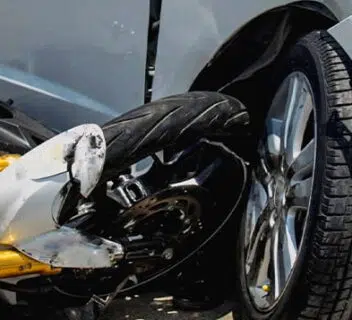
Chat